
The Practical Living Edit · Smart Spending

The most useful household purchases rarely look impressive in a shopping cart. They’re the small things you reach for every week: something that keeps cords from tangling, helps you find the scissors, or makes an awkward jar easier to open. The trick is knowing which inexpensive fixes will earn their space—and which will become more clutter.
These five low-cost essentials are categories to consider, not a list of live deals. Each one starts with an everyday frustration, followed by what to look for, when it makes sense to buy, and what to try with things you already own. No purchase is necessary to put the ideas to work.
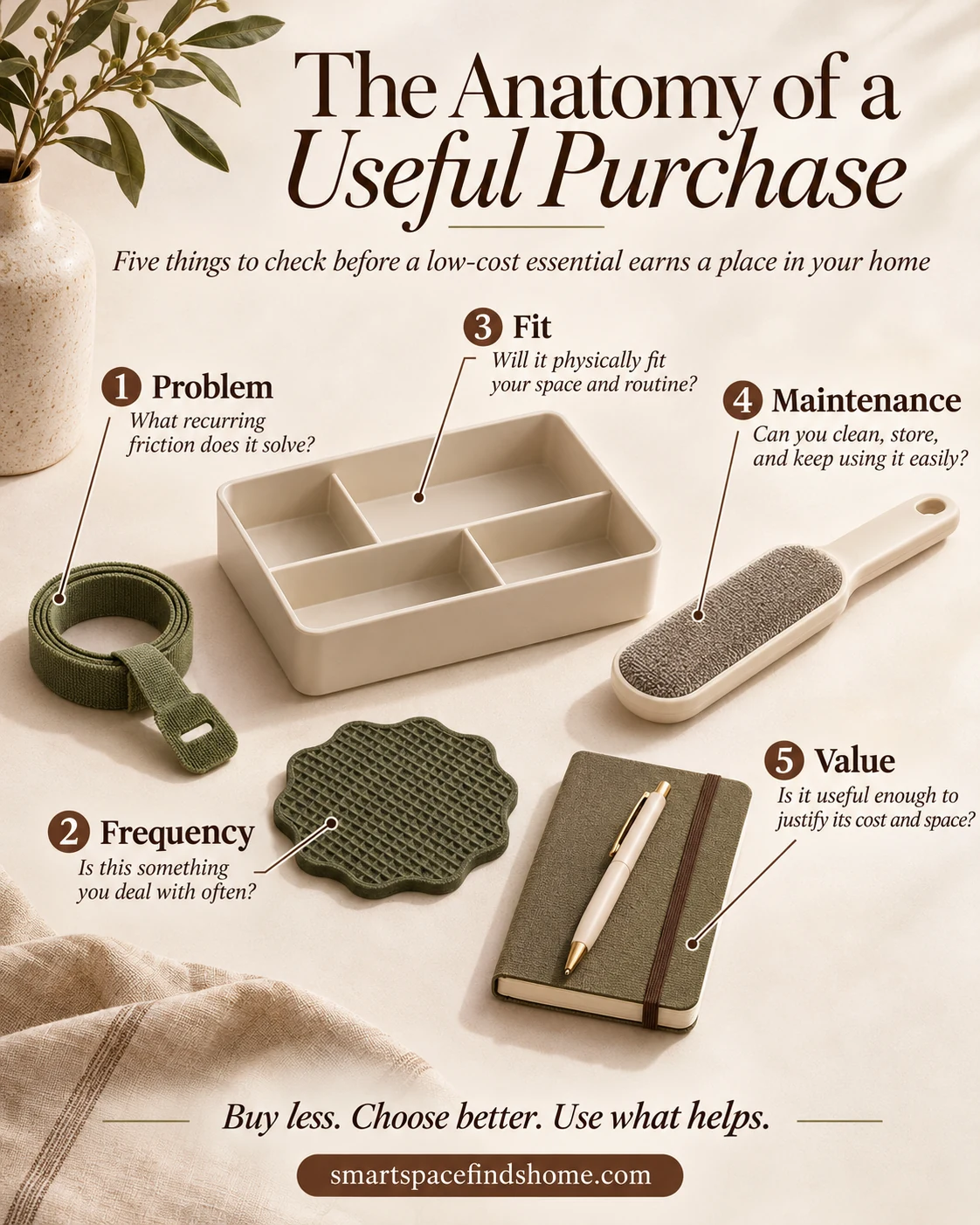
5 low-cost things that can make everyday life easier
1. Reusable cable ties: For the cords you keep untangling
A cord bundle behind a desk can turn a simple charger swap into a small excavation. Reusable hook-and-loop ties give each cable group a flexible home without permanently fastening it in place. They’re particularly useful for a desktop setup that changes over time.
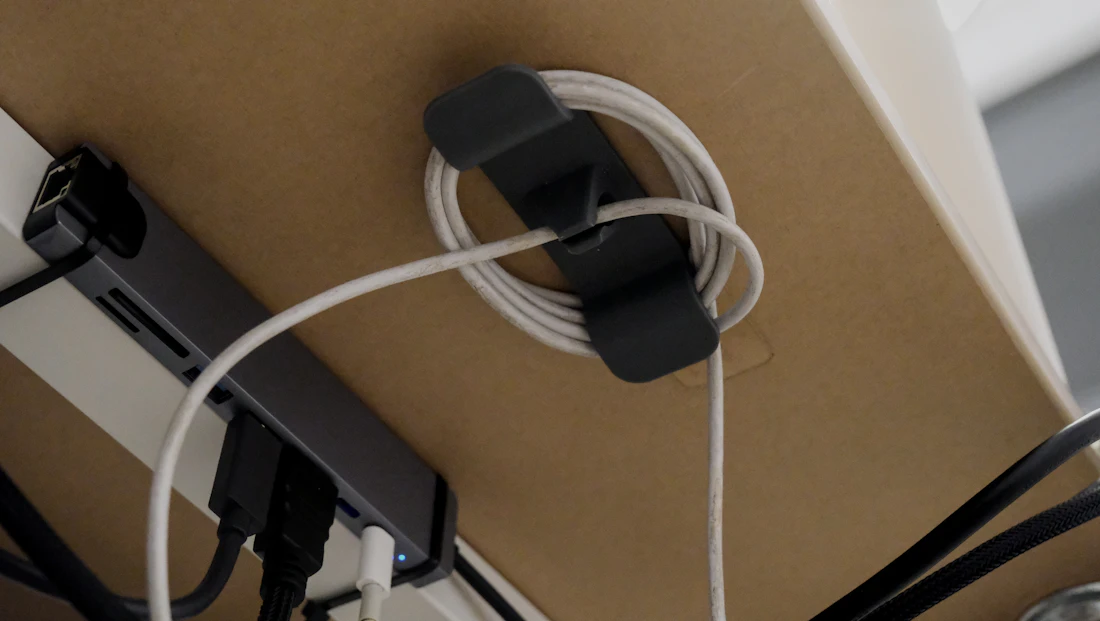
What to look for: soft, adjustable material; enough length for your cable bundle; and a closure you can open repeatedly. Avoid compressing or sharply bending cords, covering damaged wiring, or restricting access to plugs and power strips. Follow the equipment manufacturer’s cable and ventilation guidance.
For a more complete setup, see our creative desk setup ideas.
2. Modular drawer organizers: For the drawer where everything migrates
Small trays can turn a cluttered catchall drawer into a reliable place for tape, keys, scissors, batteries, and other regularly used essentials. The advantage of modular organizers isn’t how they look in a photograph; it’s that individual compartments can move when your routine changes.
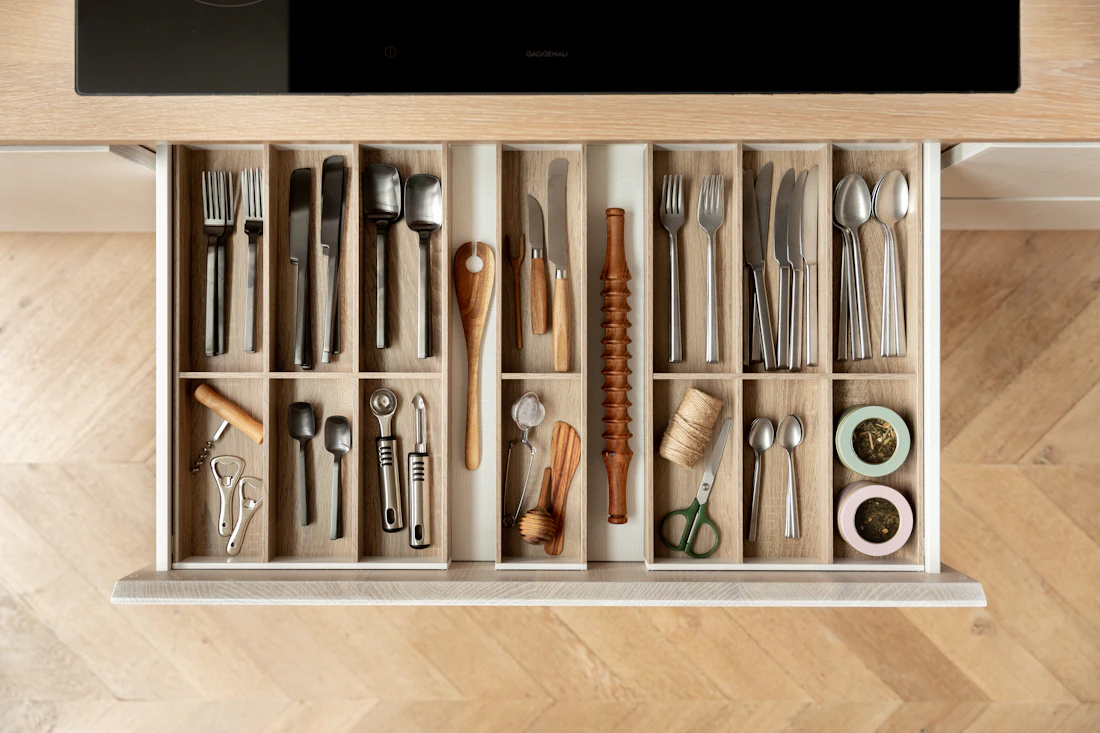
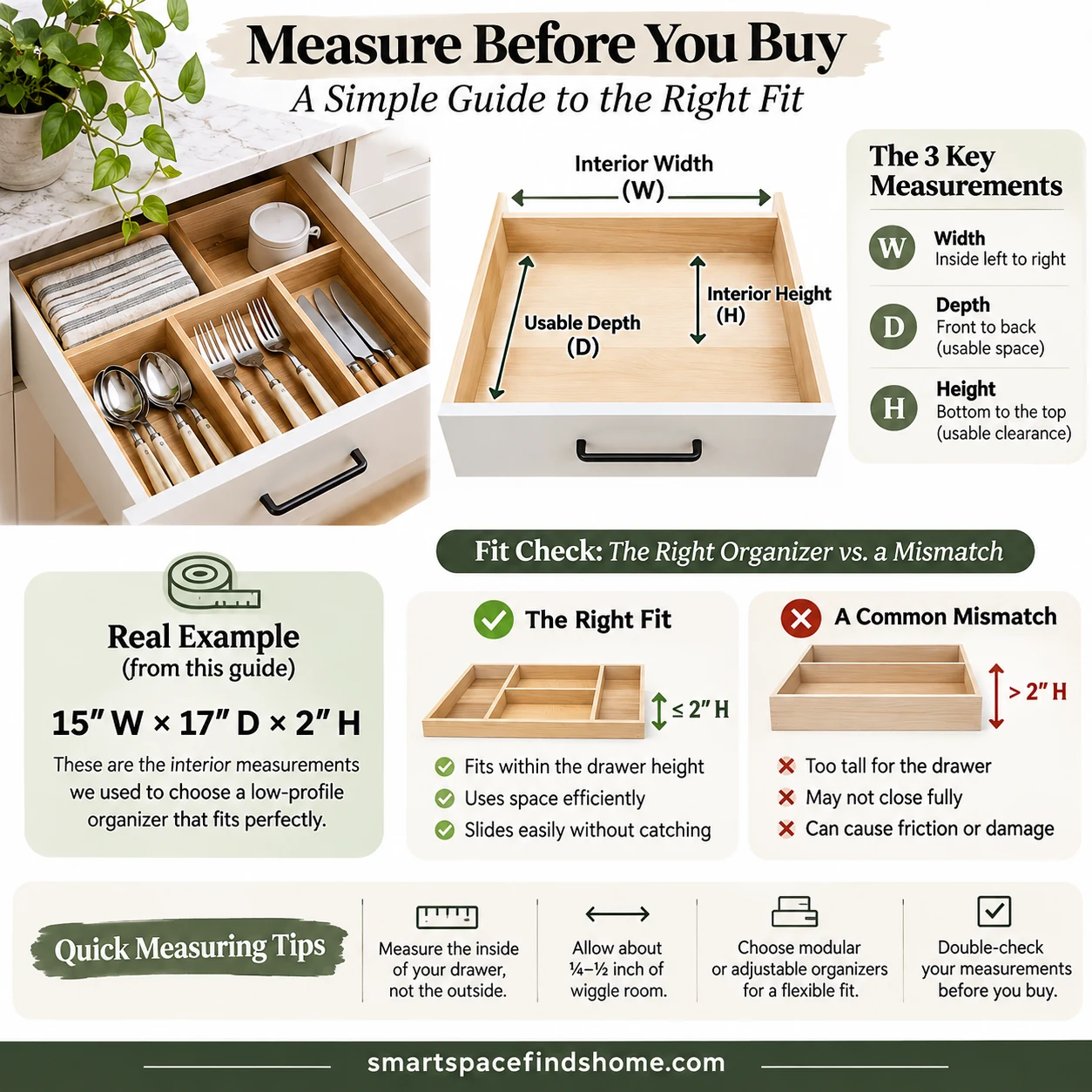
What to look for: measure the drawer’s interior width, depth, and usable height, including the clearance required to close it. Count the objects that need a home first. Check tray heights, non-slip bases, easy-clean surfaces, and whether a set wastes space around the edges.
Read our small-apartment kitchen drawer organization guide for more layout ideas.
3. A reusable lint remover: For quick clothing and upholstery touch-ups
A small reusable lint brush can earn a regular place near the front door, laundry area, or closet if pet hair, dust, and surface lint are recurring issues. It’s a maintenance tool, not a substitute for washing or professional fabric care.
What to look for: compatibility with the fabric you actually own, a grip that is comfortable to use, an easy method for removing collected lint, and a compact shape you can store. A lint brush, sticky roller, and electric fabric shaver serve different purposes: a shaver removes pills and can damage delicate knits when misused.
4. A non-slip jar gripper: For hard-to-open lids
A simple textured gripper can improve contact between your hand and a smooth lid. It’s an unglamorous kitchen essential that may be easier to store than a larger single-purpose gadget, especially in a compact kitchen.
What to look for: a grippy material, a size that works with the jars you use, easy cleaning, and a design that’s comfortable in your hands. A flexible sheet and a rigid lever-style opener solve different problems, so choose according to the task rather than the label.
For more ideas that conserve drawer space, see multi-purpose tools for small kitchens.
5. A compact notebook: For details you always need twice
Before buying a third set of drawer organizers or ordering a replacement lightbulb, you need the measurement or model number. A compact notebook can serve as a single home for room dimensions, appliance details, packing checklists, and household maintenance reminders.
What to look for: a format you’ll genuinely keep nearby, pages that are easy to scan, and enough durability for the place it will live. For some people, a searchable notes app is better. The useful feature is finding information later, not buying stationery.
The 5-minute buy-or-skip test
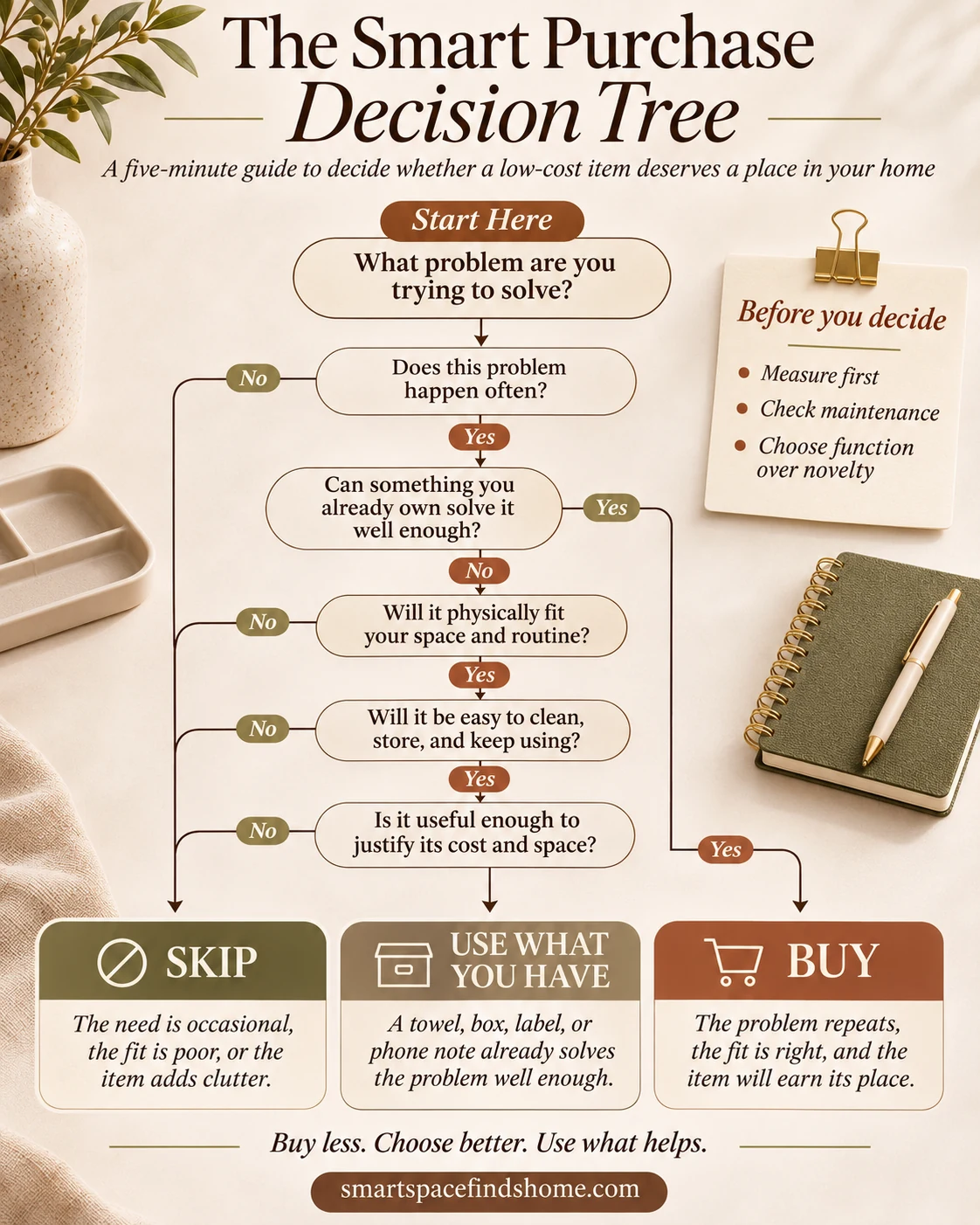
Before adding any small item to your cart, run through these questions. A low sticker price can still be poor value if the object is rarely used, fits badly, or creates maintenance work.
BUY · USE WHAT YOU HAVE · SKIP
Start with the inconvenience, not with a product listing.
Decision framework by Smart Space Finds. It is a practical heuristic, not a financial guarantee.
| Ask yourself | Useful evidence | Warning sign |
|---|---|---|
| Did this bother me more than once? | A recurring example from your week | Only noticed it while shopping |
| Do I already own a workaround? | An alternative tested at home | Didn’t check before ordering |
| Will it physically fit? | Measured dimensions and clearance | “Looks about right” |
| What will ownership cost? | Shipping, refills, cleaning, replacement | Judging only the advertised price |
| Where will it live? | A defined storage spot and routine | No room for another object |
Make small purchases work harder in a small home
A simple way to compare options is to identify the smallest change that resolves a repeated problem. For example, imagine a kitchen drawer with a usable interior of 15 inches wide, 17 inches deep, and just 2 inches of vertical clearance. A beautiful 3-inch-high tray will not work, no matter how good the reviews are. The actual solution might be a shallower insert—or removing unnecessary items so you need no insert at all.
Shop for a problem—not for a picture
A perfectly styled drawer can still be frustrating to use. Decide what must be reachable with one hand, how often you use it, and which objects truly belong together. In a tight apartment, a clear counter or empty drawer section may be more valuable than another organizer.
Measure first and choose flexible formats
For trays, record usable interior dimensions rather than measuring the drawer front. For any item you plan to store, note the storage spot before ordering. Adjustable, washable, repairable, or multi-use designs may outlast trend-driven versions, but only when those features match your habits.
Judge the full cost, including clutter
A purchase can be affordable and still become waste. Compare the total checkout price, replacement needs, and the time required to clean or maintain it. If the product solves a problem you experience once a year, borrowing or using a familiar workaround may be more sensible.
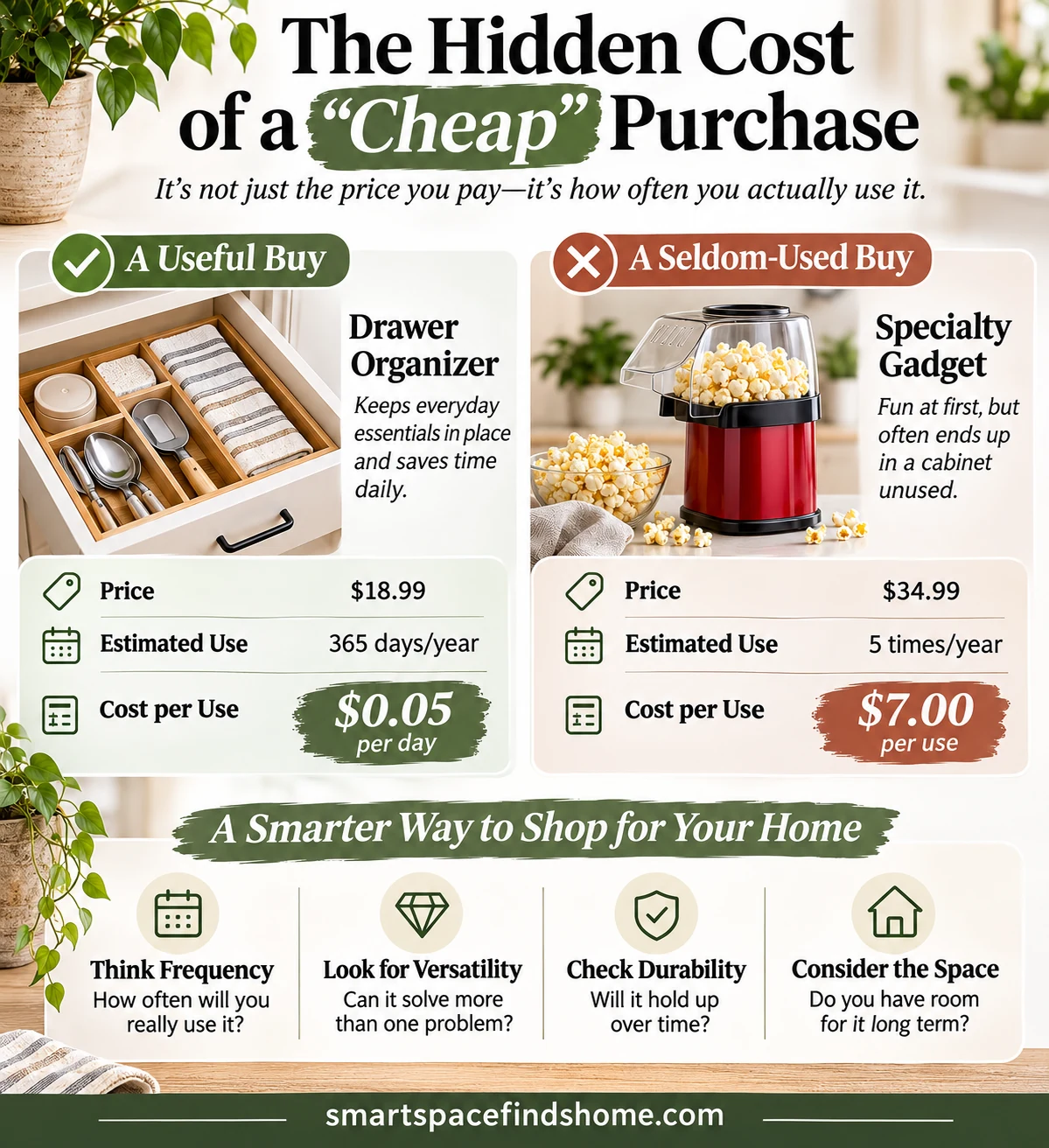
Editor’s rule: Don’t buy five things because they’re inexpensive. Pick one frustration, test a no-cost fix, and only then choose a purpose-built tool if it makes a meaningful difference.
Which small essential fits which problem?
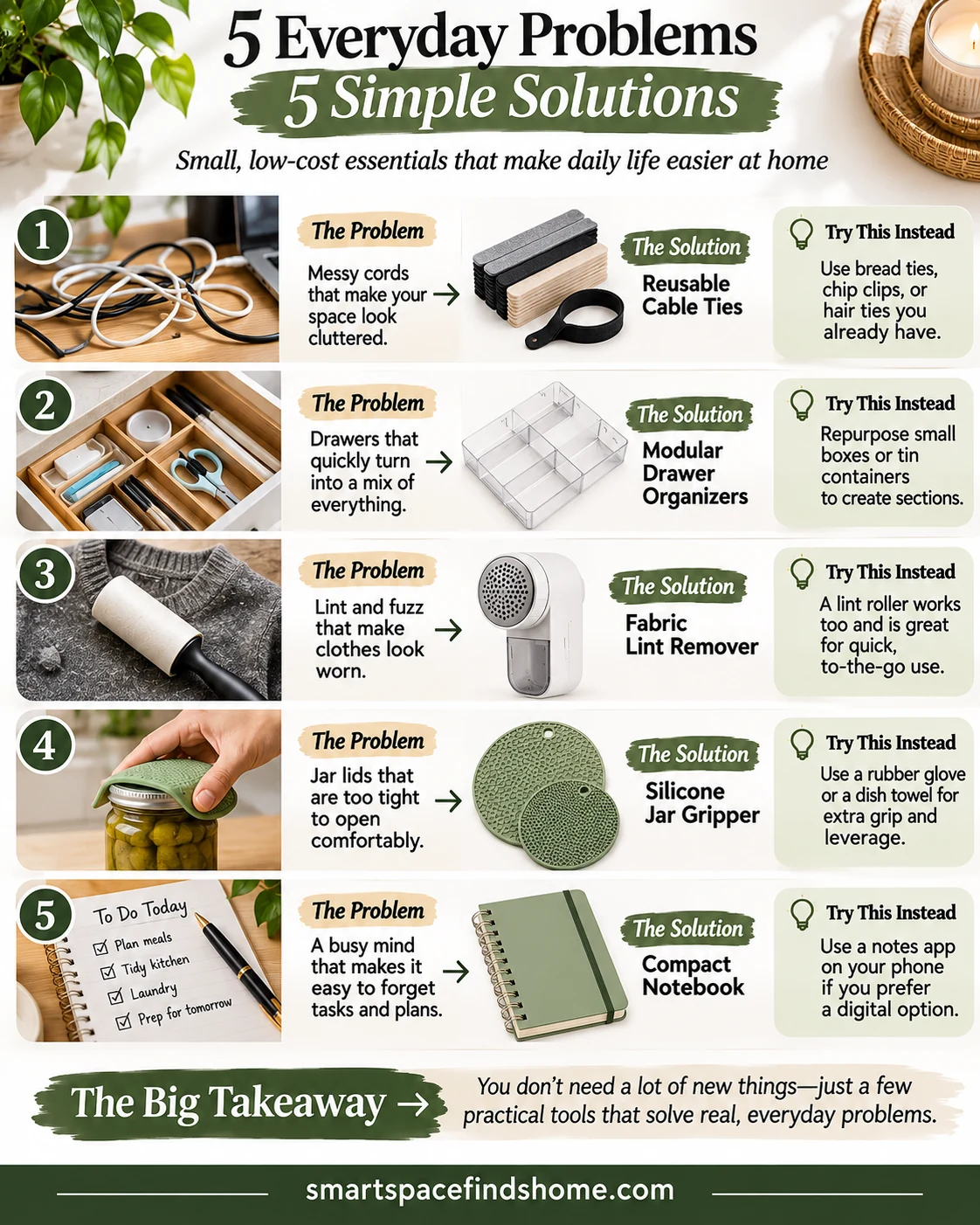
| Recurring friction | Consider | Try first |
|---|---|---|
| Tangled cables | Reusable hook-and-loop ties | Reroute and label existing cords |
| Drawer clutter | Modular inserts | Edit contents, reuse small boxes |
| Lint on clothes | Reusable lint brush | Check garment care and current tools |
| Slippery jar lids | Non-slip jar gripper | Dry towel and safe hand positioning |
| Forgotten measurements | Compact notebook | One searchable phone note |
Frequently asked questions
Are inexpensive home products always worth buying?
No. An inexpensive object is only useful if it fixes a recurring issue, fits the space, and is simple to use and maintain. A free workaround can offer better value.
What should I measure before buying drawer organizers?
Measure interior width, depth, and the usable height beneath the closed drawer. Check obstructions, handles, and how you plan to arrange items before picking a tray set.
What is the difference between a lint remover and a fabric shaver?
A lint brush is intended for loose surface debris on compatible fabrics; a fabric shaver cuts or trims pills. Always follow the garment and product instructions and test cautiously.
How do I stop buying things I won’t use?
Write down the annoyance, try a no-cost alternative, check the total cost and available storage space, and revisit nonessential purchases after a short delay.
Do I need to buy all five essentials?
Not at all. This is a decision guide, not a checklist. The best outcome may be choosing just one item—or buying nothing.
The Smart Space Finds Field Guide
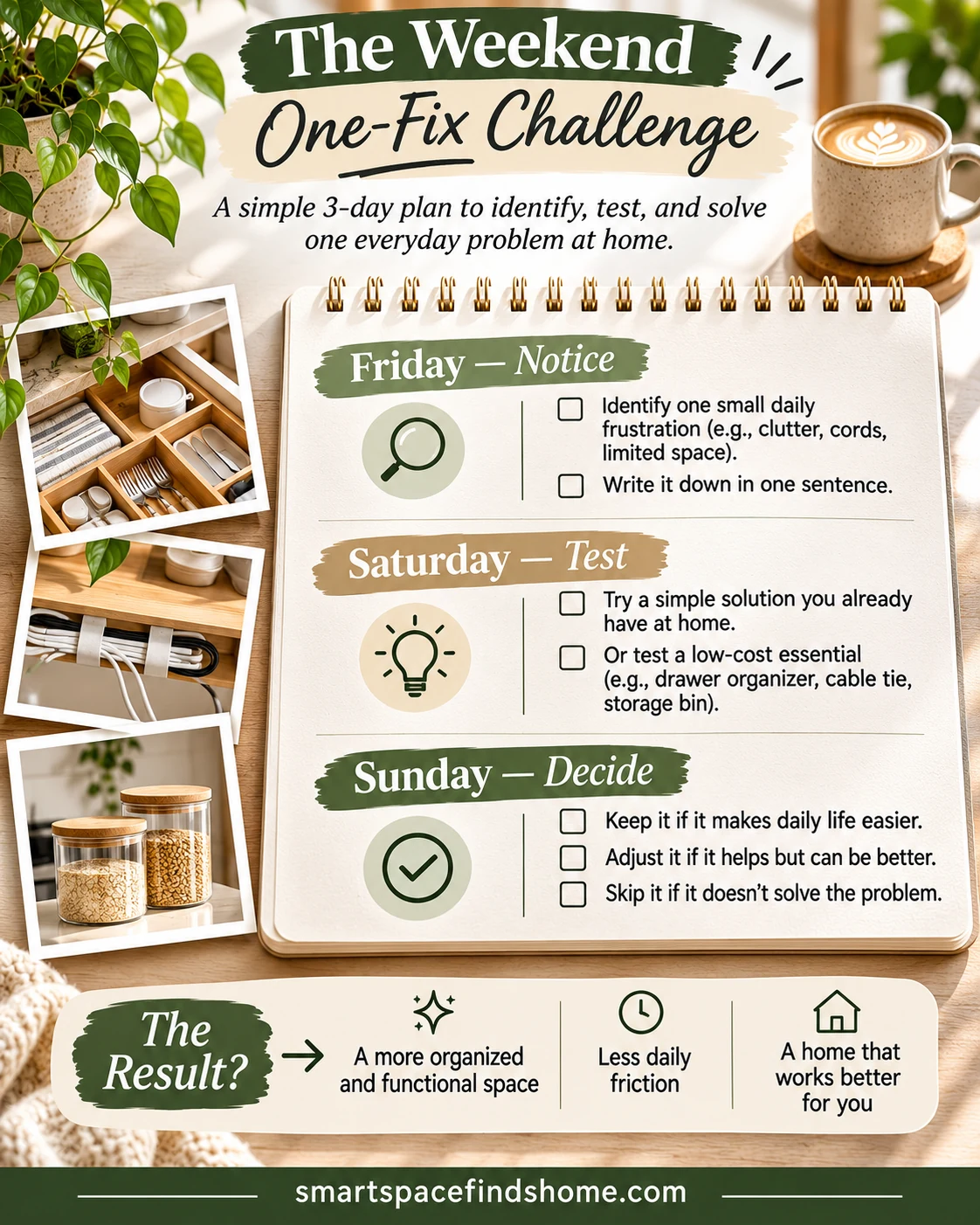
A simple weekend experiment: fix one friction point
Instead of shopping for five solutions at once, choose the task that repeatedly slows you down. This short exercise gives you evidence before spending money.
- Friday — notice: Write down one small annoyance and when it happened. Be specific: “I spent two minutes finding the charger,” not “my desk is messy.”
- Saturday — test: Clear the area, try a solution using what you own, and measure any relevant space.
- Sunday — decide: If the friction remains and a tool is likely to help, choose the simplest compatible option. Otherwise, keep the no-buy solution.
The result isn’t a perfect-looking home. It’s one less repeated task, with no extra object unless it earns its place.
The takeaway: usefulness is the real upgrade
Small household purchases make sense when they quietly remove friction from daily life. Start with a problem you can name, test what you already own, and make sure any new item fits your home and habits. That’s a more dependable way to spend thoughtfully than collecting inexpensive things simply because they look clever.
About this guide: Smart Space Finds focuses on practical everyday solutions that fit real homes and routines. These five essentials were selected as useful categories to evaluate—not tested or ranked products. Consider dimensions, materials, maintenance, and what you already own before buying. Product details and availability should always be checked before purchase.