
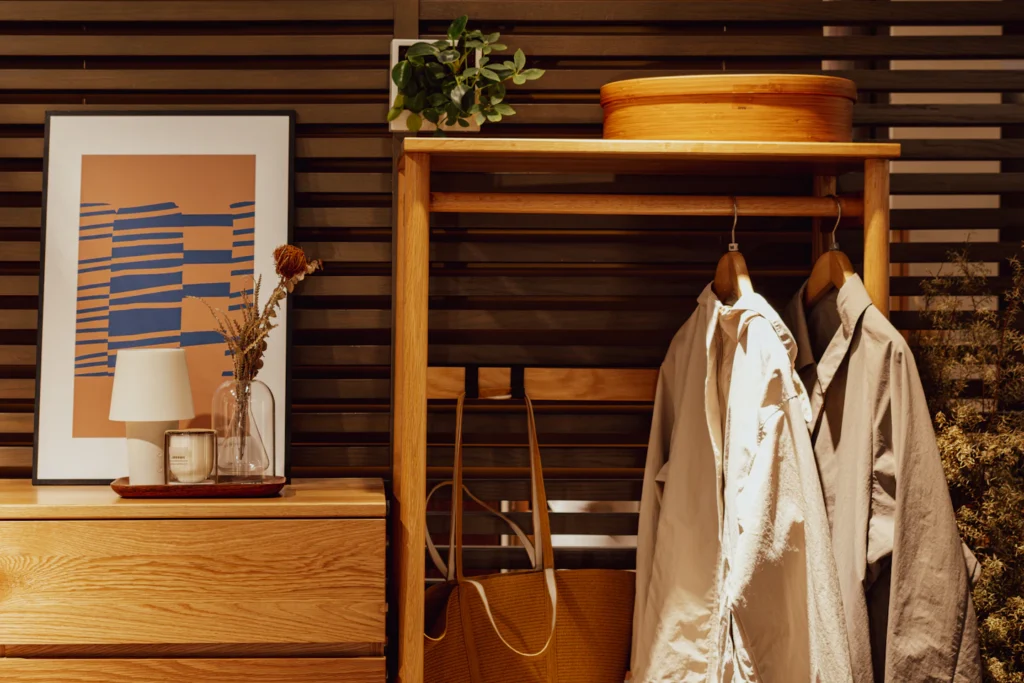
The best small home organization solutions are not about hiding everything in matching bins. They help you find what you need, reduce unnecessary steps, and make everyday routines easier. If you regularly hunt for your keys, rearrange an overfilled pantry, or accidentally buy supplies you already have, a few thoughtful changes can make your home work better.
These five realistic ideas work for apartments, compact houses, renters, and shared households. Every solution starts with a no-buy fix, followed by an optional upgrade only when it genuinely solves a problem.
Start with friction, not storage products
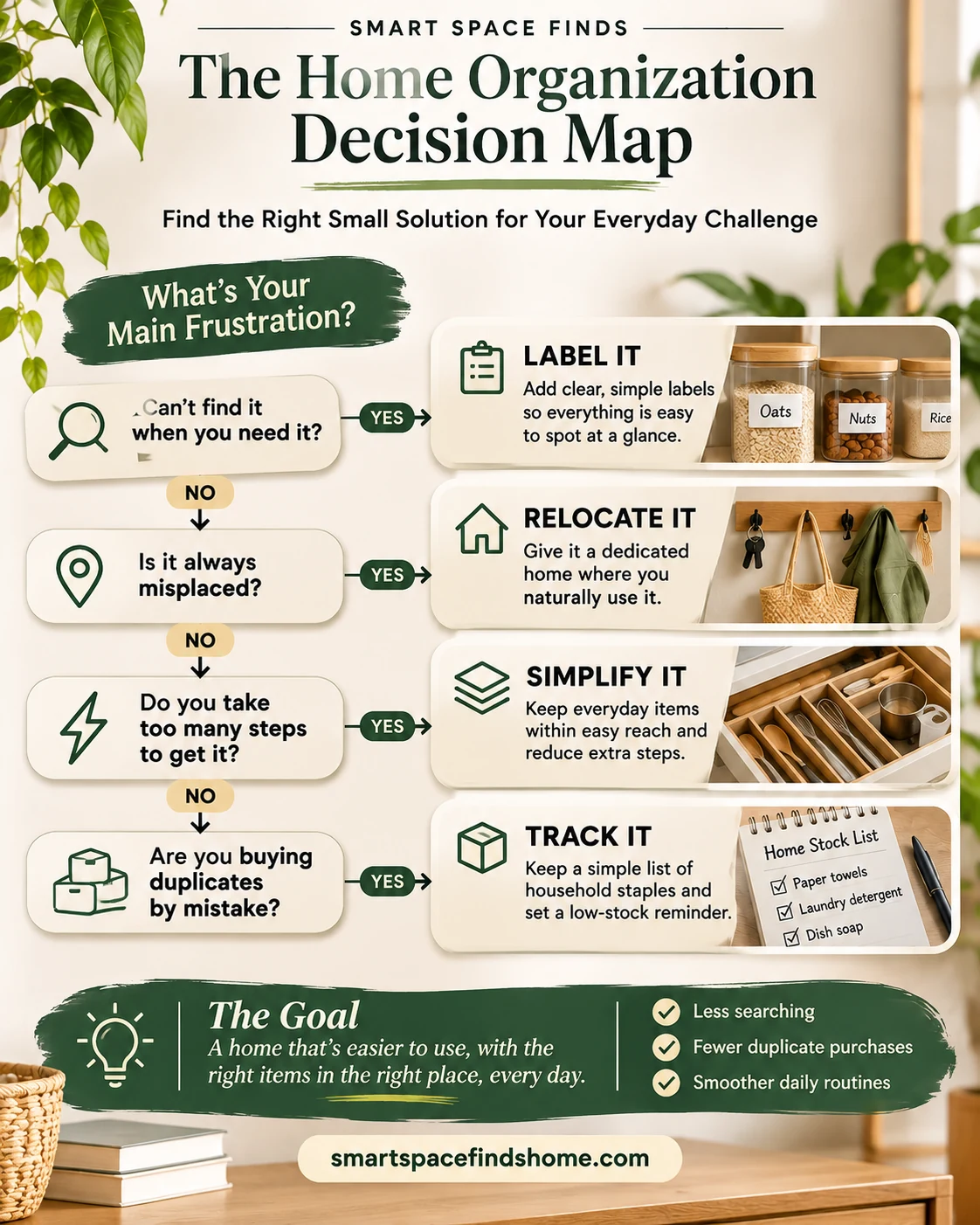
Before you reorganize a room, notice the moment that makes you stop. Is your bag always left on a chair? Are backup supplies scattered between closets? Does dinner prep begin by searching for an ingredient? The problem is not necessarily a lack of containers. Often, the storage location simply does not match your routine.
Example: If you keep walking back to the closet for your tote bag, give it a reachable hook beside the door. The improvement is the missing trip, not the hook itself.
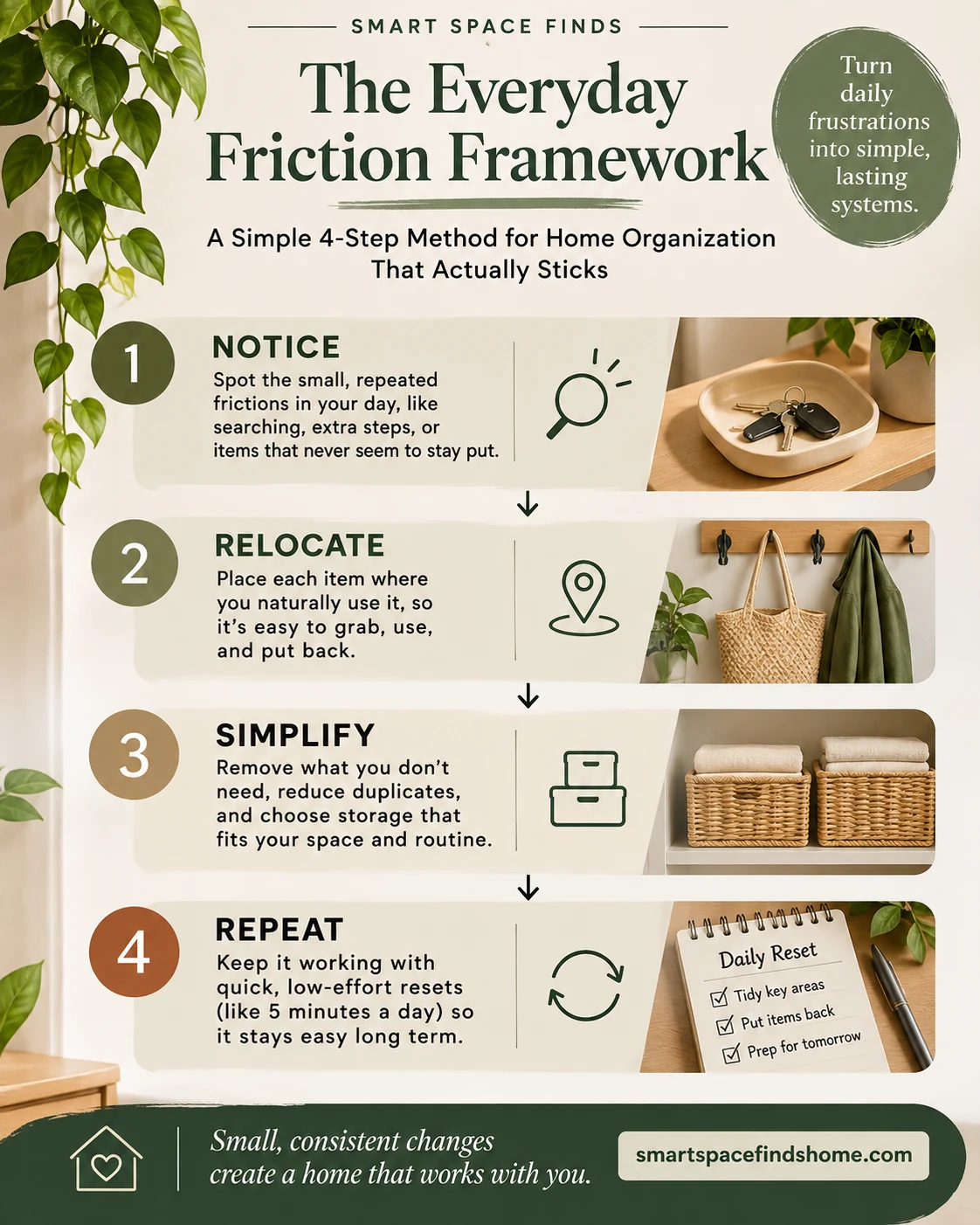
Why tiny systems tend to last
Big weekend resets can help you see a space differently, but everyday organization succeeds or fails during an ordinary busy morning. A small system works when its location matches what you already do: a tray by the door, a simple pantry zone, or a labeled backup bin. Unlike a complicated makeover, each change is easy to test, adjust, or abandon.
Use the one-touch return test: after using an item, can you put it away without moving other objects, opening multiple containers, or walking across the room? If not, revisit the storage location before spending money.
5 small home organization solutions that make everyday life easier
Each idea below includes a no-buy version, a considered upgrade, and a sign that the system is actually working. Choose the one that matches your home rather than installing all five at once.
Label the containers you cannot see inside
Opaque bins are excellent for making shelves look calm, but they create a new problem when every container looks the same. A short, specific label turns a guessing game into a simple reach-and-return routine.
Try it without buying anything: Use masking tape and a marker on existing boxes. Write labels such as “Gift wrap + tape” or “Winter gloves,” rather than vague categories such as “Miscellaneous.” Keep labels facing outward at the same height.
When an upgrade helps: Reusable label holders are worthwhile for bins whose contents change. A label maker is optional, not a prerequisite.
Make it last: Update the label when a category changes; do not build an elaborate index for a single shelf. Never transfer household chemicals into unmarked or food-style containers.
Check the result: Can someone else find the item without opening multiple boxes?
The Label & Find Edit
Make stored items easier to identify without rebuilding your entire shelving system.
Handheld label maker for repeat-use storage labels.
Genuine black-on-white tape refills for LetraTag.
Alternative 12 mm compatible refill; verify printer model.
Four bin sizes with non-slip pads for smaller items.
Compact labeled holders for cotton and other small essentials.
As an Amazon Associate, Smart Space Finds earns from qualifying purchases. Product availability, prices and variants can change. Check the Amazon listing before ordering.
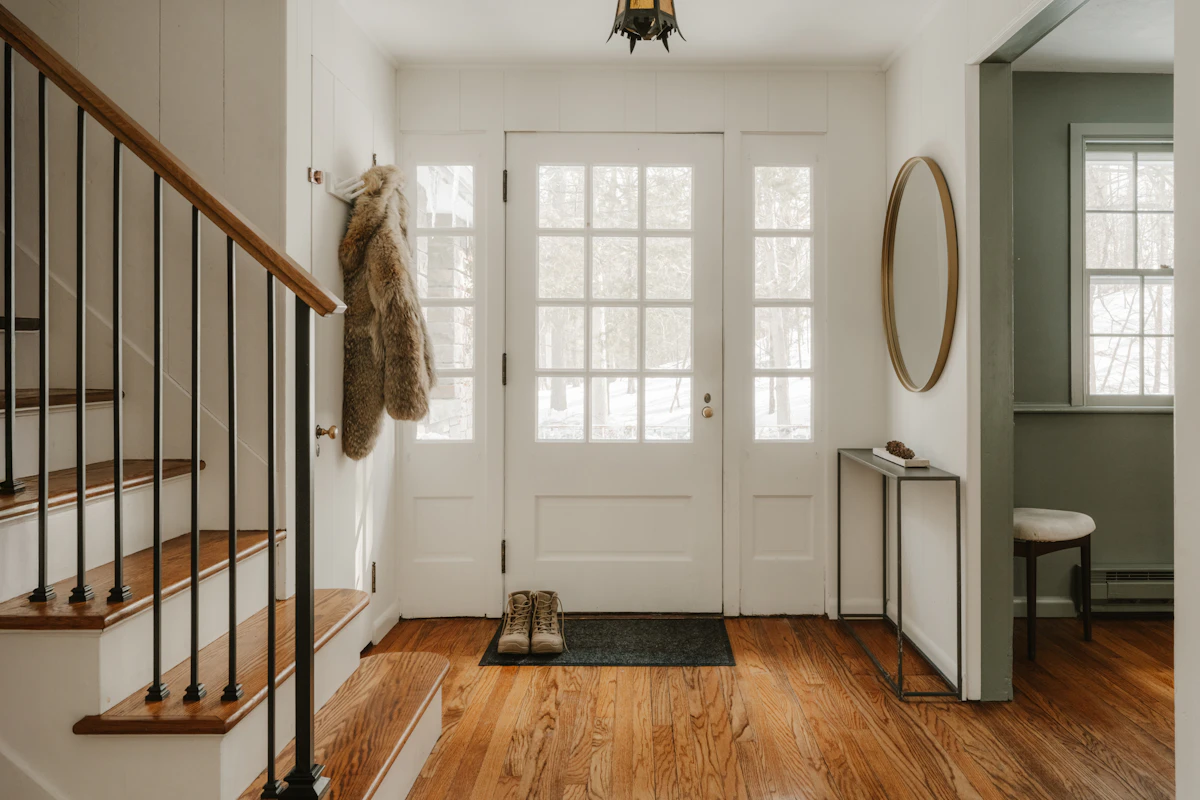
Create a one-motion drop zone by the door
Keys, sunglasses, mail, and everyday bags need a landing place that follows the path you already take when you enter. In a small apartment, that might be a shallow tray on an existing cabinet rather than an entire entryway bench.
Try it without buying anything: Place a small dish for keys where you naturally put them down. Give each daily bag one accessible spot. If several people share the entry, agree on an obvious location everyone can reach.
When an upgrade helps: A slim wall hook rail or narrow catchall tray can free up a counter, provided it does not obstruct the doorway. Renters can consider removable solutions only within the maker’s stated weight limits and wall-surface requirements.
Make it last: Reserve the zone for items that leave the house; avoid turning it into a holding area for every package and receipt.
Check the result: Are your keys and bag ready without a last-minute search?
The Exit-Ready Entryway Edit
Give items that leave the house a repeatable landing place.
Decorative wall hooks for light coats and daily bags.
Compact 12-pair entryway rack; check available width.
Bag insert for keeping small daily essentials separated.
Simple home station for bills and incoming paperwork.
As an Amazon Associate, Smart Space Finds earns from qualifying purchases. Product availability, prices and variants can change. Check the Amazon listing before ordering.
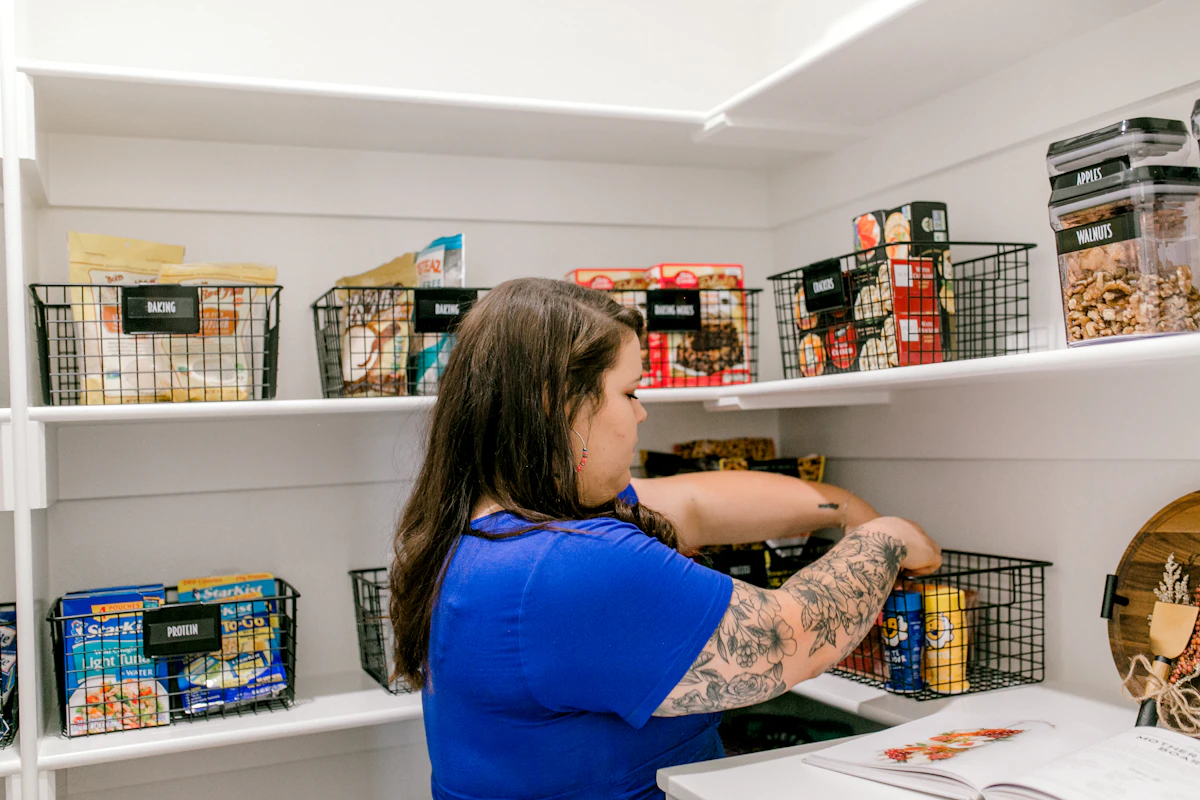
Arrange your pantry around what you actually use
The right spot for an ingredient is not always the most photogenic one. Put everyday breakfast staples, cooking oils, and frequently used dry goods where they are visible and easy to reach. Keep occasional baking supplies in a secondary zone.
Try it without buying anything: Move your five most-used pantry items to the easiest-access shelf, then group ingredients that are used together. Check packages and use-by guidance before reorganizing.
When an upgrade helps: A low-profile shelf riser can improve visibility for cans; a handled bin may help with deep shelves. Measure cabinet width, depth, and door clearance first.
Make it last: Put newer groceries behind older matching items when appropriate, keep packaging or essential food information, and avoid storing food near cleaning chemicals.
Check the result: Can you find the ingredients for a common meal without moving unrelated items?
For a more detailed walkthrough, explore our small pantry organizer guide.
The Reachable Pantry Edit
Improve visibility and access before you invest in matching containers.
Five adjustable dividers for loose storage-container lids.
Use open space beneath existing cabinet shelves.
Transparent bins to keep loose pantry or fridge items grouped.
For beverage cans; not a general canned-food dispenser.
Bottle storage for cabinets and kitchen shelves.
Open wire baskets for grouped pantry staples.
Magnetic storage on suitable metal fridge surfaces.
As an Amazon Associate, Smart Space Finds earns from qualifying purchases. Product availability, prices and variants can change. Check the Amazon listing before ordering.
Store everyday tools where the task happens
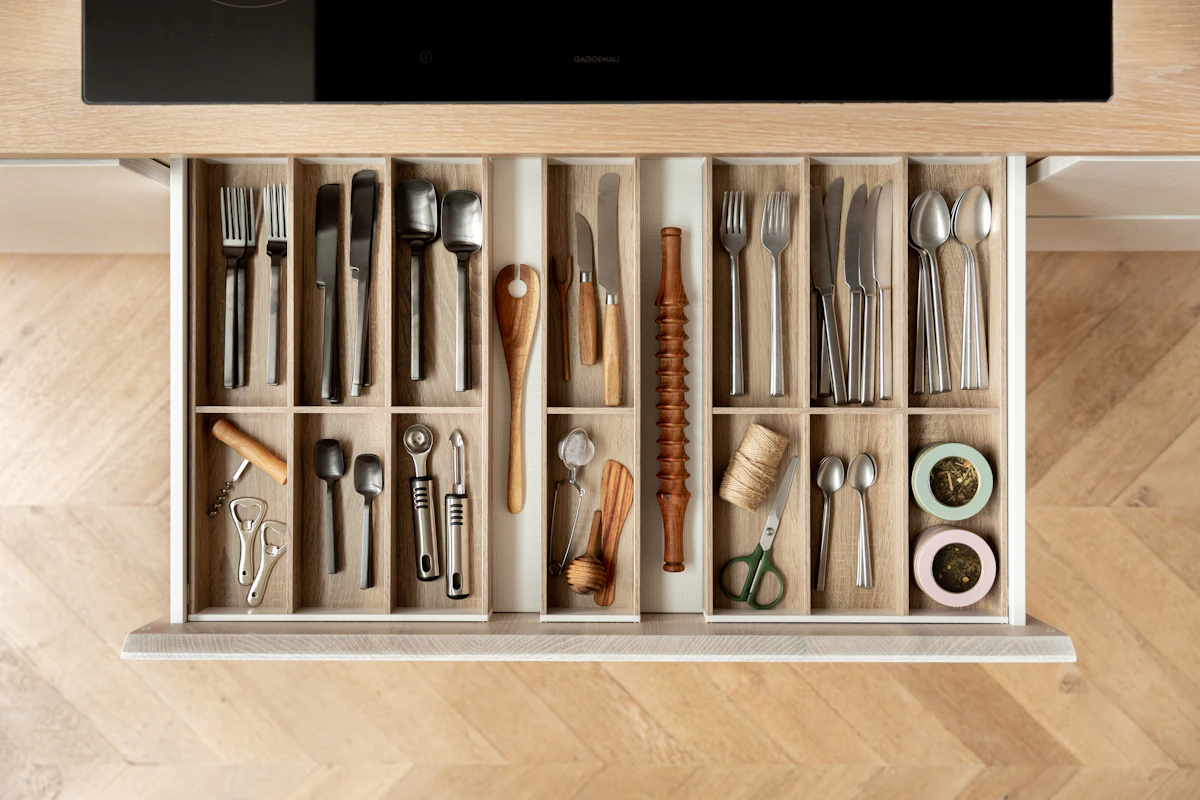
Think in activity zones rather than product categories. Batteries for a remote may belong near the media cabinet, while a lint roller makes sense near your coat storage. A small task-specific kit is often easier to maintain than one oversized “everything” drawer.
Try it without buying anything: Create a simple sewing-repair pouch, a desk-supply cup, or a paper-and-pen station using containers you already have.
When an upgrade helps: Drawer dividers or a portable caddy can work when items are small or need to move together. Choose washable, easy-grip materials if relevant to your household.
Make it last: Keep sharp tools protected, medicines and hazardous cleaners secured as needed, and anything dangerous out of reach of children and pets. Do not prioritize convenience over safe storage.
Check the result: Does the task now begin with less setup and end with an easy reset?
Everything at Hand Edit
Keep task supplies together and drawers easy to reset.
Expandable 4-inch-high dividers; measure drawer height.
Two-tier cabinet storage; check pipes and clearance.
Large labeled task pouches for papers and supplies.
Paper trays, drawer and pen holders for a home workstation.
Easy-access hanging storage for folded garments.
As an Amazon Associate, Smart Space Finds earns from qualifying purchases. Product availability, prices and variants can change. Check the Amazon listing before ordering.
Build a tiny backup-supplies inventory
There is no need to track every object in your home. A short list is enough for the few essentials you repeatedly forget you already own: lightbulbs, compatible batteries, filters, or unopened household basics.
Try it without buying anything: Keep one note on your phone labeled “Backups at home,” or tape a handwritten list inside a utility cabinet. Track only item name, quantity, and where it lives.
When an upgrade helps: Small labeled bins can group safe, compatible backup items, but the list should still make sense without special containers.
Make it last: Review it when you use the last spare. Follow the manufacturer’s guidance for battery storage and keep hazardous items away from children and pets.
Check the result: Can you answer “Do we already have one?” before adding it to your cart?
The Smart Backup System Edit
Keep household backups easy to locate and harder to accidentally repurchase.
Dedicated battery organizer; follow battery safety guidance.
Five-inch-high underbed storage with clear lids.
Foldable bags for textile and bedding backups.
Keep seasonal paper, ribbons and gift-wrap supplies together.
Closet storage with built-in rod; confirm hanging clearance.
As an Amazon Associate, Smart Space Finds earns from qualifying purchases. Product availability, prices and variants can change. Check the Amazon listing before ordering.
Which solution should you try first?
Begin with the annoyance that happens most often, not the area that looks worst in a photo. This comparison is a practical starting point; every home and household will differ.
| Recurring problem | First no-buy fix | Optional upgrade | Measure success by |
|---|---|---|---|
| Mystery storage boxes | Handwritten labels | Reusable label holders | Fewer bins opened |
| Lost keys or bags | Dedicated dish or hook | Slim entryway rail | Fewer exit-time searches |
| Slow meal prep | Move daily staples forward | Shelf riser or handled bin | Less rummaging |
| Tools stored too far away | Make a task kit | Drawer divider or caddy | Fewer setup steps |
| Duplicate purchases | Short backup list | Labeled utility bin | Fewer accidental duplicates |
Make these ideas fit your space
Try a slim dish on an existing console and one sturdy, appropriately installed hook. Keep a clear walking path and check rental rules before mounting anything.
Keep breakfast basics together at reachable height; use a shallow open bin for small packages rather than stacking sealed containers you must repeatedly open.
Use plain-language labels and reachable storage positions. Agree on one shared drop zone, then leave room for each person’s individual routine.
The seven-day organization test
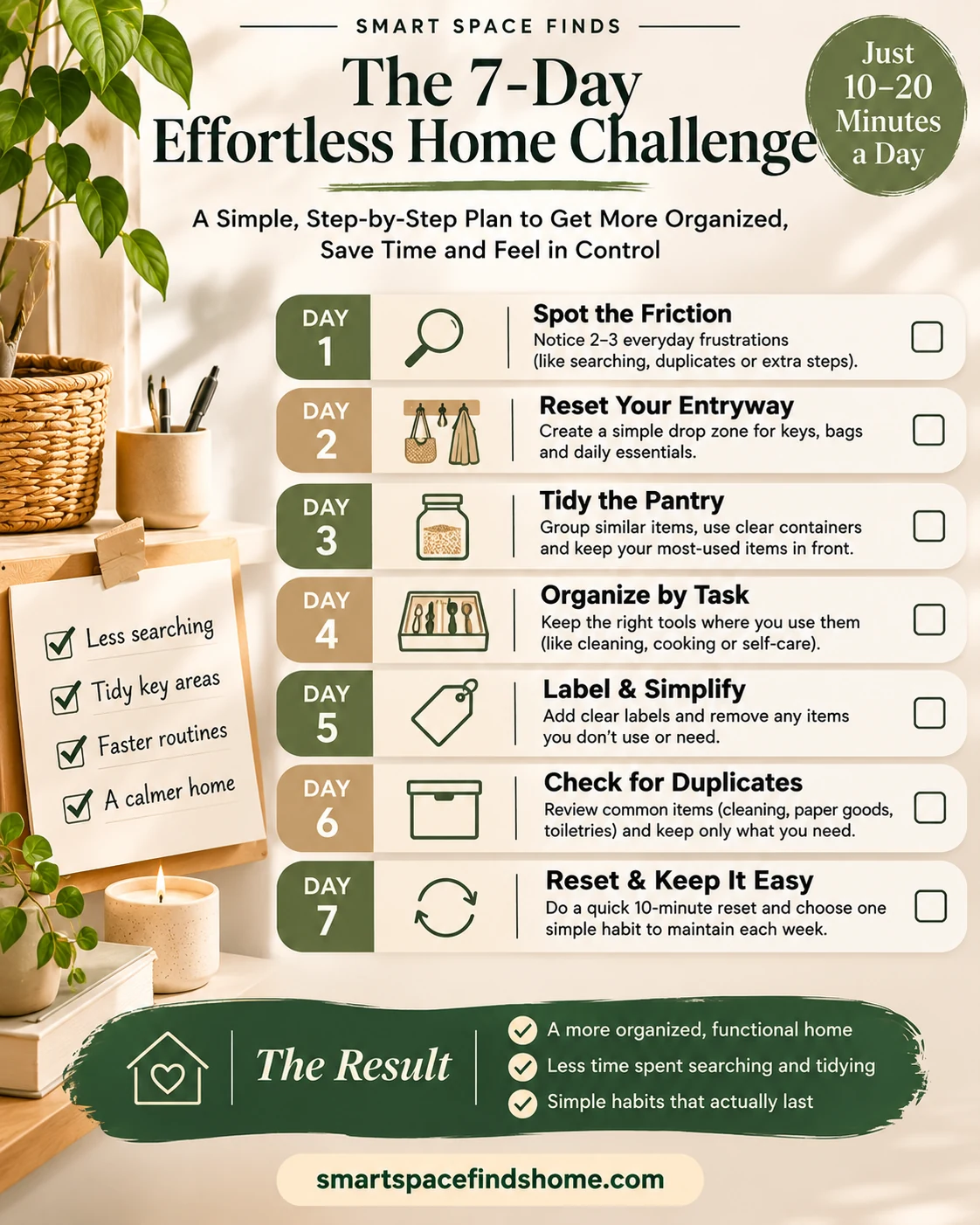
A one-week trial is long enough to notice ordinary patterns without committing to a full-home makeover. You do not need an app, stopwatch, or impressive before-and-after photos.
- Day 1 — Spot the friction: Notice two or three everyday frustrations, then choose the one that happens most often.
- Day 2 — Reset your entryway: Give keys, bags, and daily essentials a simple landing place.
- Day 3 — Tidy your pantry: Group similar items and move the ingredients you reach for most to the front. Use existing containers first.
- Day 4 — Organize by task: Put frequently used tools near the activities they support, with safe storage for hazardous items.
- Day 5 — Label and simplify: Label unclear containers and remove unnecessary steps, rather than creating complicated categories.
- Day 6 — Check for duplicates: Review backup household basics and create a short stock list so you know what you already own.
- Day 7 — Reset and keep it easy: Take a few minutes to test what works, move anything inconvenient, and choose one habit to maintain.
Open the one-minute friction audit
Ask yourself: What did I search for this week? Which task required an unnecessary trip across the room? What kept landing on an unplanned surface? Which item was hardest to put away?
Choose the one answer that comes up most often. That is your starting point—not a reason to reorganize the entire house.
What is worth buying—and what can wait?
Before choosing a product: Measure usable width, depth, and clearance; check how the door or drawer moves; and test the intended category with items you own. For shared households, confirm that everyone can reach and return daily essentials. Easy maintenance matters more than matching containers.
Buying is a second step, not the starting line. If you can fix the problem with a tray you already own or by moving an item to a better location, that is a successful organization solution.
Consider a product only when it clearly solves a measured problem, fits your available space, has a safe installation or storage method, and is straightforward to clean or maintain.
Removable labels, shallow entryway trays, appropriately mounted hooks, shelf risers, handled pantry bins, washable drawer dividers, portable task caddies, and small utility bins. A thoughtful organizer should make it easier to use what you already own—not create another collection to manage.
For other small-space approaches, see ways to make a small home more comfortable and everyday home maintenance habits.
Common mistakes that make organizing harder
- Decanting everything: Transferring every item to matching jars may add maintenance and remove important packaging information.
- Buying before measuring: Attractive organizers are not useful if drawers cannot close or doors cannot open fully.
- Making categories too specific: Complicated sorting systems are harder for busy households to maintain.
- Hiding daily essentials: A visually empty surface can still be an inconvenient surface if you use it constantly.
- Ignoring household accessibility: Heavy objects, reach height, grip strength, and shared routines should influence placement.
Frequently asked questions
What is the fastest way to organize a small home?
Pick one frequently used area, remove objects that do not belong there, and give its most-used items a clear, reachable place. One functional shelf or entryway station is a better start than reorganizing the entire apartment at once.
Can organization really save time without buying products?
Yes. Repositioning daily items, using existing trays, and labeling current containers may reduce unnecessary searching and movement. The benefit depends on your routine, so evaluate it through actual use rather than assuming a specific number of minutes saved.
How do I keep a storage system from becoming another chore?
Make the return action as easy as the retrieval action. Choose broad, understandable categories; avoid unnecessary lids and extra steps; and simplify anything that repeatedly gets left undone.
What if I share my home with other people?
Use obvious locations and readable labels that work for everyone. Ask the people who use a space how they naturally move through it before relocating shared essentials.
What is the best first purchase for home organization?
There is no universal best purchase. Test a no-buy fix first, measure the space, and buy only the item that removes a specific obstacle you have already identified.
Make the easy choice the everyday choice.
A better organized home does not need to look like a showroom. It simply needs to make everyday tasks feel lighter. Start with one repeated inconvenience, improve the path around it, and keep only the solution that earns its place in your routine.