
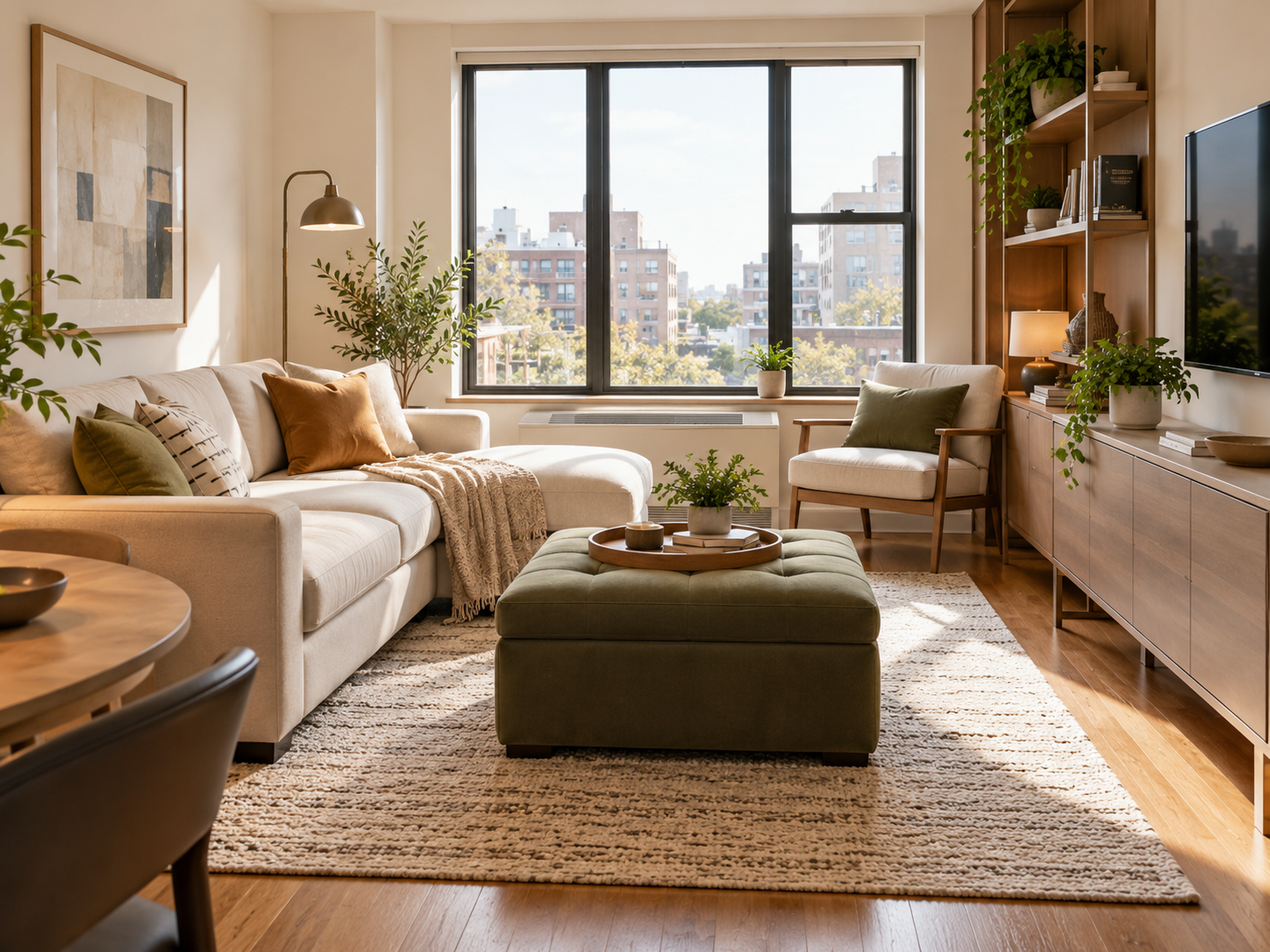
Does your small apartment still look cluttered even after cleaning? The problem may be furniture scale, visible cables, crowded surfaces or storage that does not fit your daily routine. These 10 practical fixes help you organize a small apartment without removing its personality or buying organizers you do not need.
Quick fixes: start here
- Clear one frequently used surface before purchasing storage.
- Keep a slim drop zone for shoes and keys near the entrance.
- Group visible cables safely without blocking ventilation.
- Use closed baskets for visually busy shelves and leave breathing room.
- Measure furniture and storage with doors and drawers fully open.
Scroll down for the full 10-point checklist and 15 optional organization upgrades matched to specific problems.
Affiliate disclosure: As an Amazon Associate, we earn from qualifying purchases. This article contains affiliate links; we may receive a commission at no additional cost to you.
Look at the apartment as a whole
A compact home can appear crowded even when it contains relatively few belongings. The relationship between furniture, circulation and visual surfaces determines whether the room feels calm. Take photographs from the entrance and from the main seating position. Notice the first things that catch your eye, such as crowded shelves, tangled cords or furniture that blocks a window.
Measure the routes to the kitchen, bathroom and sleeping area with furniture fully in use. A chair pulled away from the dining table may narrow a passage more than expected. Rather than assuming every wall needs storage, identify places where some empty space would make movement easier.
Mistake one: choosing furniture only by its dimensions
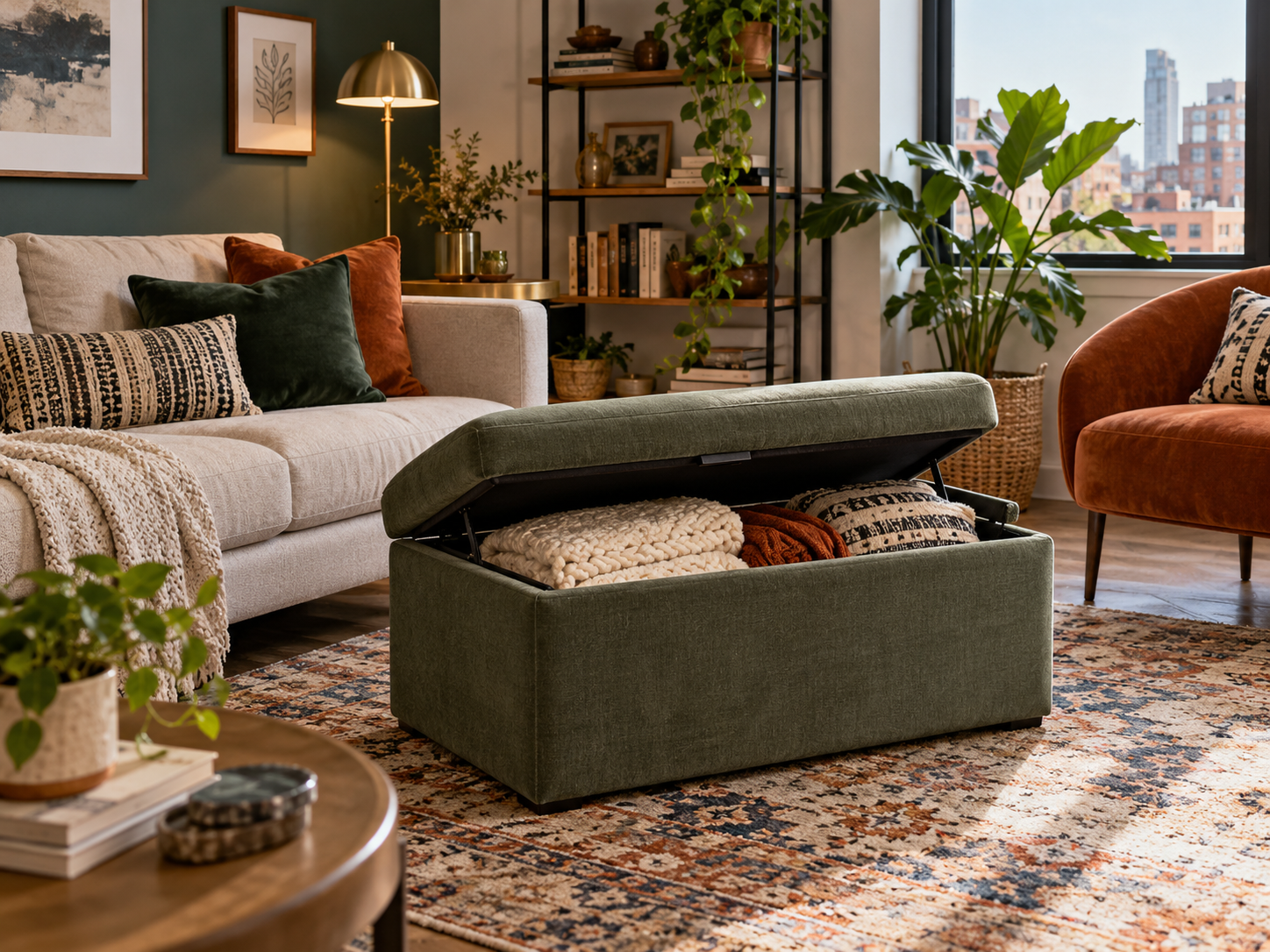
A small sofa can still be impractical if its arms protrude into the only walking route. Consider the space needed to sit, open drawers and move around each item. Painter’s tape can outline potential furniture and help you understand how the room will function before you spend money.
Furniture described as multifunctional deserves the same scrutiny. A storage ottoman that is opened daily requires room for the lid and a convenient place for items removed from it. Choose pieces for the tasks they actually perform, not because their marketing promises to save space.
Mistake two: filling every visible shelf
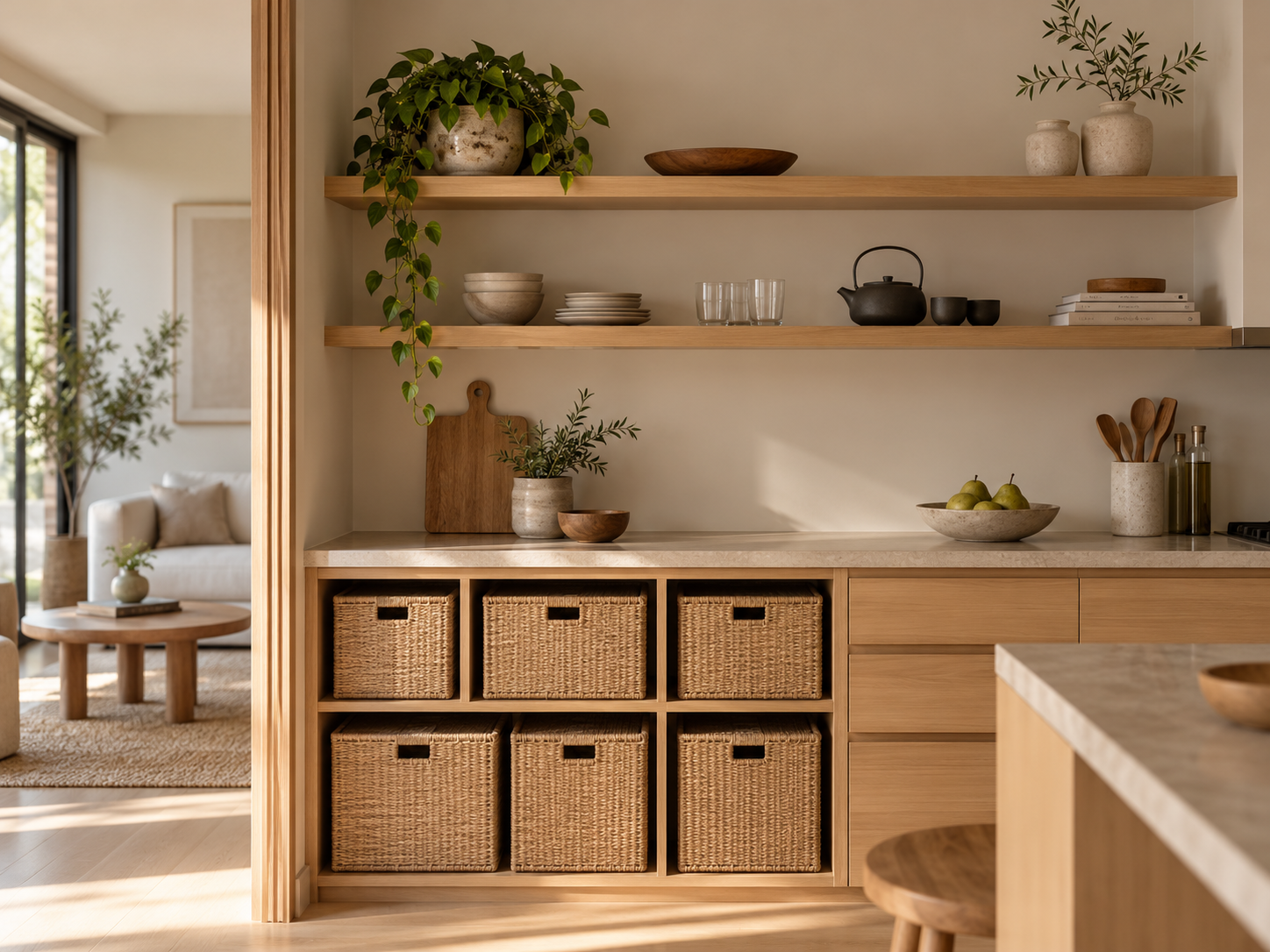
Open shelves create visual rhythm when some areas remain clear. When every surface contains tiny objects, books, cables and packaging, the eye has difficulty finding a resting point. Choose a few meaningful possessions for display and relocate less attractive daily supplies to convenient closed storage.
Resist buying decorative containers before editing what you own. A matching set of baskets can still overwhelm a room if it adds unnecessary bulk. Begin by reducing duplicates and assigning categories a clear home. Use containers only where they genuinely make retrieval easier.
Mistake three: allowing clutter to collect at the door
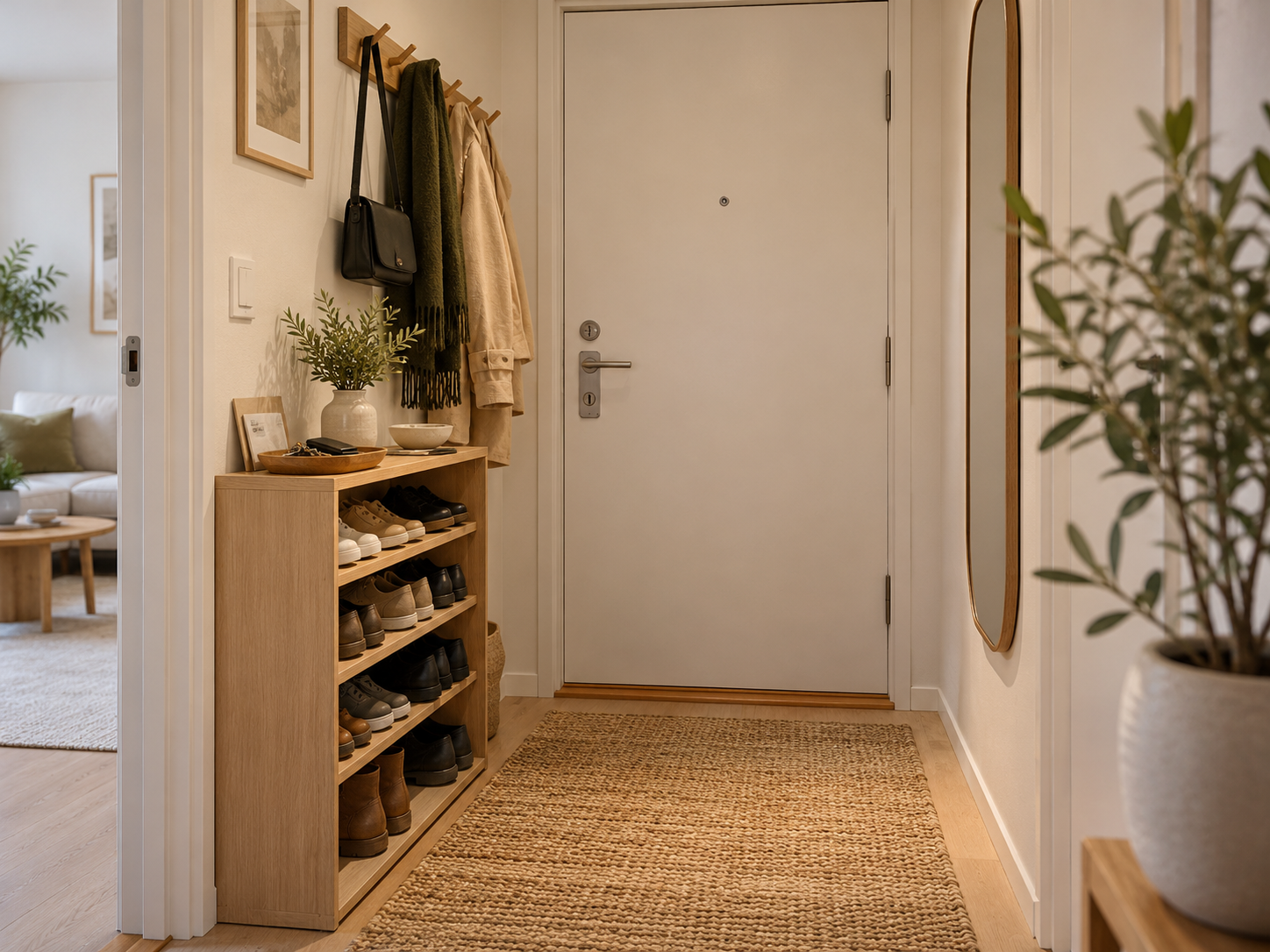
An apartment without a hallway often has bags, footwear and correspondence spreading into the living room. Create a small arrival zone with a stable mat, tray and permitted hooks where appropriate. Leave room for the door to open fully and maintain required circulation clearance.
Keep everyday footwear accessible, but move occasional boots or special shoes to secondary storage. Give incoming mail one sorting point rather than allowing it to accumulate on the nearest table. This small system changes the first impression of the entire apartment.
Mistake four: ignoring lighting
A single bright ceiling fixture can leave some corners dark while making others feel harsh. Layer general lighting with a suitable reading lamp or task light, and preserve access to daylight wherever practical. Move tall furniture away from windows when it blocks useful light.
Mirrors may reflect a pleasant view or daylight, but they can also double the appearance of a busy shelf. Position them intentionally and secure them according to the wall’s requirements. Never route lamp cables across walking paths or create unsafe electrical arrangements in pursuit of a design effect.
Mistake five: using rugs at the wrong scale
A rug that barely covers the coffee table may make sofas and chairs look disconnected. An appropriately sized rug can visually group the seating area when its placement matches the furniture layout. Test several footprints with tape and open doors to confirm edges will not interfere with movement.
Choose an appropriate rug pad and material for the floor and everyday use. A thick pile can catch under doors or make rolling furniture harder to move. The right rug creates unity, not a new obstacle.
Mistake six: leaving large appliances on display
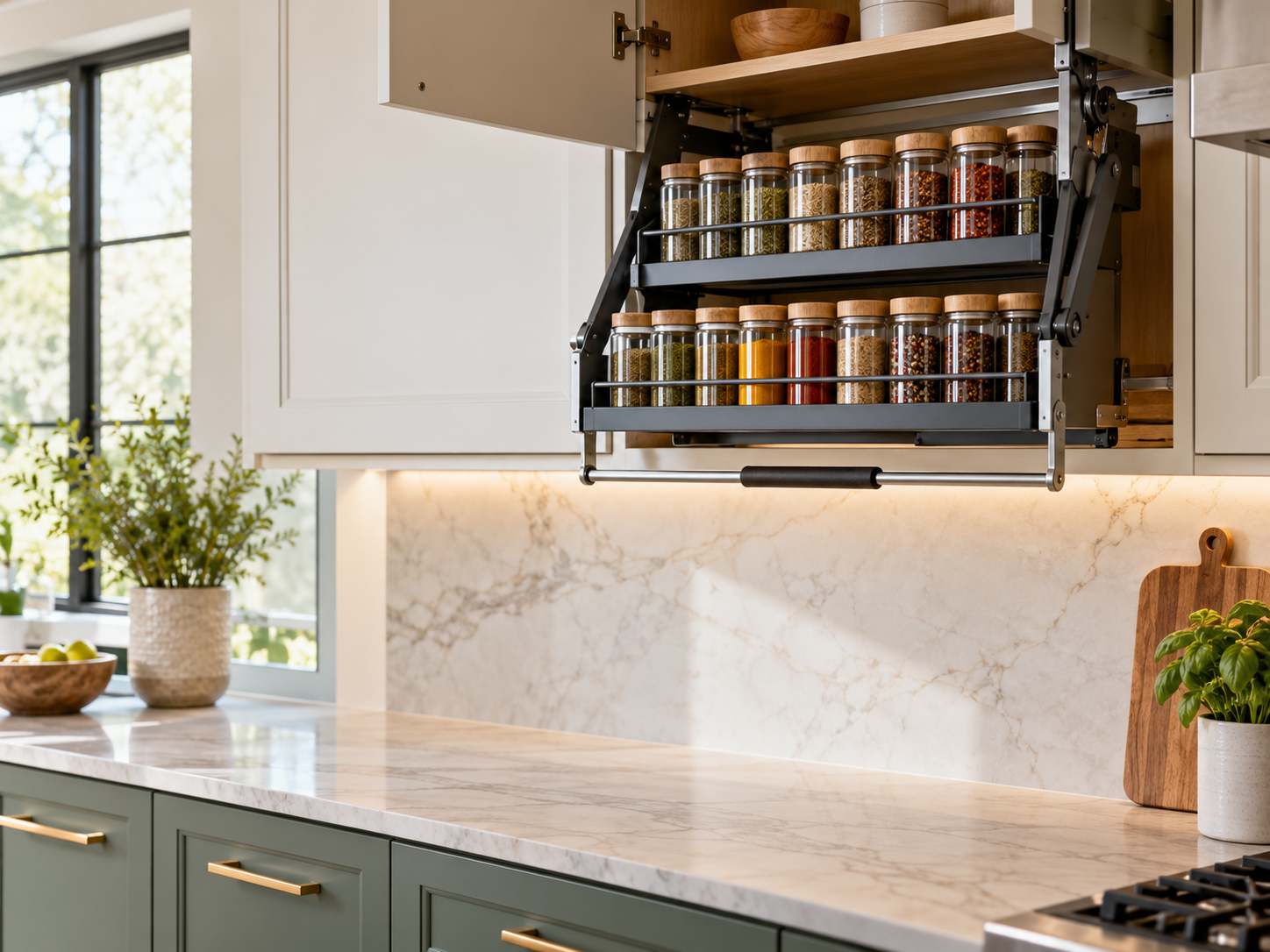
In a tiny kitchen, a countertop can become crowded with appliances that are used only once or twice a month. Identify what earns its permanent footprint through frequent use. Store occasional equipment safely where it can be retrieved without heavy overhead lifting.
Protect food preparation space and follow electrical and ventilation requirements. An appliance should not be hidden in a cabinet while operating unless it is specifically designed and installed for that use. Make the kitchen visually calmer by improving the workflow rather than simply moving gadgets out of sight.
Mistake seven: treating storage as decoration
An organiser can make a shelf photograph beautifully without supporting your habits. Containers that require several steps to open or move will often go unused. Prioritise accessible places for daily objects and reserve upper or deeper storage for suitable occasional belongings.
In small bathrooms and laundry zones, consider moisture conditions and product safety. Medicines may require storage away from humidity, while hazardous cleaners should remain secure and correctly labelled. A coherent design should never override safe storage.
Mistake eight: choosing too many colours and finishes
A room may feel visually busy when every new purchase introduces a different material, colour or pattern. Start from the finishes already present in flooring and large furniture. Repeat related tones in smaller pieces while retaining room for personal accents.
This does not require painting everything white. Richer colours can be comfortable in compact homes when used deliberately. Balance high-contrast details with calmer surfaces and let a meaningful artwork or textile be a focal point rather than competing with many small decorations.
Mistake nine: neglecting the surfaces used every day
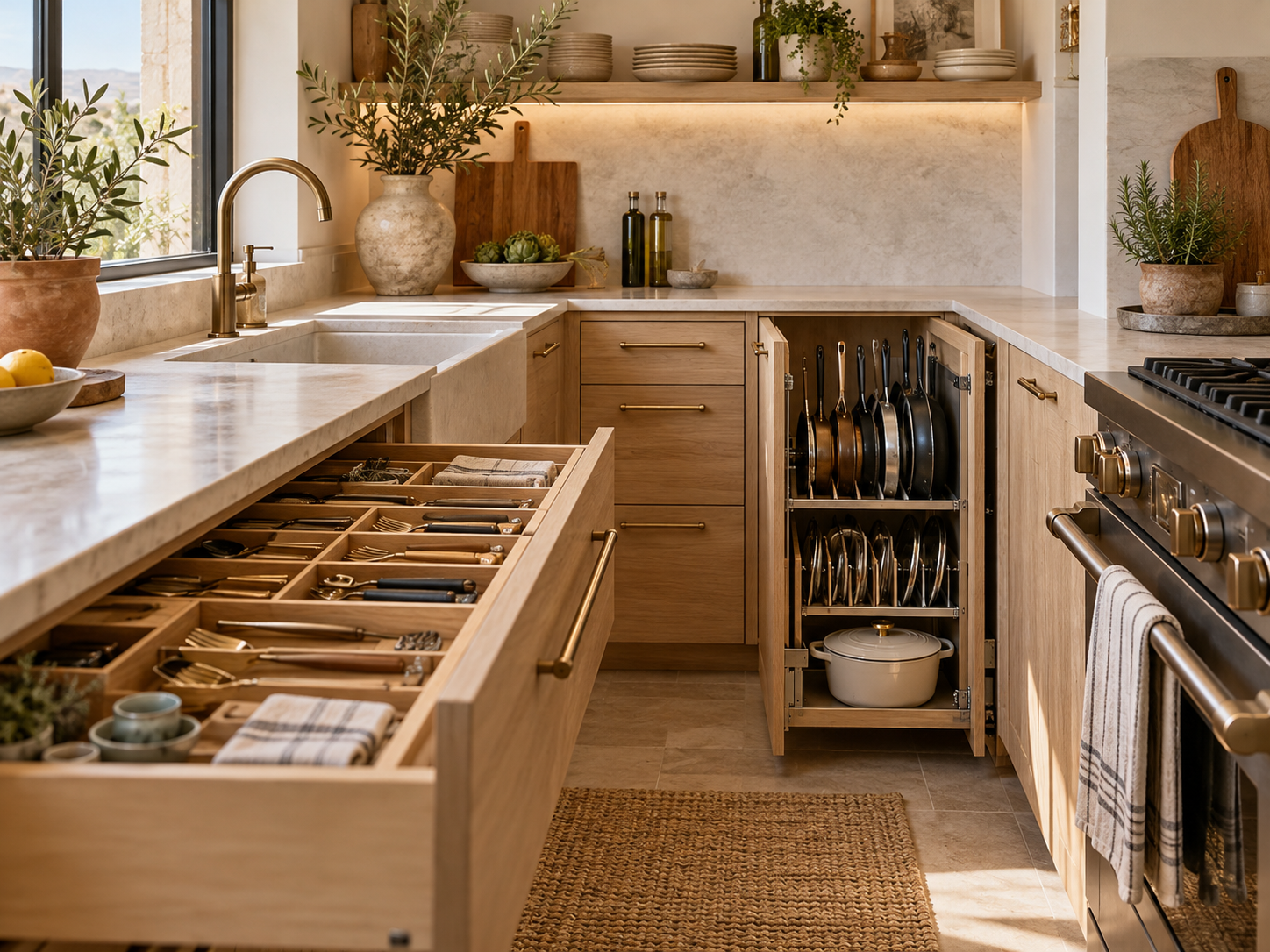
Dining tables, bedside units and kitchen counters become clutter magnets when everyday objects have no convenient destination. Create one clear landing location for essential categories, then return items after each activity. A brief evening reset can prevent several surfaces from becoming unusable.
The objective is not an empty table at every moment. It is the ability to change its role easily from eating to working without a lengthy cleanup. Portable task kits can help multifunctional furniture serve the household without permanent clutter.
Mistake ten: buying before diagnosing
Before purchasing a new shelf or basket, ask which daily problem it solves. Does it reduce searching, improve access, protect a surface or make an activity easier? If the answer is mostly aesthetic, delay the decision until the room’s practical needs have been addressed.
Measure the intended location, test the shape with boxes you already own and photograph the result after a week. This simple process can prevent a series of poorly fitting purchases that make the home more crowded rather than less.
A one-week visual reset
On the first day, identify three problem surfaces. Day two is for clearing and sorting the entrance. Day three, test a simpler living-room furniture arrangement. Day four, adjust lighting and remove objects that block windows. Day five, review kitchen counter storage and return occasional tools to a suitable place.
Over the weekend, reconsider rugs and open shelves, then compare new photographs with the starting views. Notice whether the apartment is easier to move through and whether essential objects are easier to find. Continue only with the changes that made everyday use better.
A quick clutter diagnosis
Photograph the room from the doorway and identify the first three areas that compete for attention. Try removing or repositioning one object per area and observe whether movement improves. Do not hide ventilation openings, block exits or place cords where they create trip hazards. Small visual adjustments often work better than a full redesign.
| Problem or zone | Practical response |
|---|---|
| Busy counters | Leave one working surface clear |
| Excess small furniture | Consolidate functions |
| Visible wires | Route cables safely |
| Overfilled open shelving | Mix open and closed storage |
Good small apartment organization is not only about cleaning. In compact rooms, visual overload can make a home feel cluttered even when it is technically tidy. In compact rooms, the eye notices every object, cable, open shelf and oversized piece of furniture. The good news is that many clutter problems are visual rather than structural, so a few changes can make the whole home feel calmer.
Small Apartment Clutter: The Fixes That Make the Biggest Difference
Before buying organizers, look for the everyday friction that makes belongings pile up. A small apartment often has to serve as living room, office, dining area and storage space at once. The best fix is usually to give frequently used objects a convenient home while leaving enough open space to move around comfortably.
Fix the entryway drop zone
If keys, bags and letters spread into the living room, set up a narrow landing zone close to the door. A shallow wall-mounted key holder, small tray or slim shoe rack can help—but check the door swing, wall material and hallway clearance. For rentals, choose mounting methods permitted by the lease.
Reduce visual noise on shelves and counters
Group objects by use rather than scattering them across every shelf. Closed or opaque containers are often more visually restful than multiple unrelated transparent boxes in a living area. Clear bins can still be a smart choice inside cupboards where seeing the contents saves time. Leave some shelf space genuinely empty instead of buying baskets to fill every gap.
Keep chargers, cables and gadgets out of the sightline
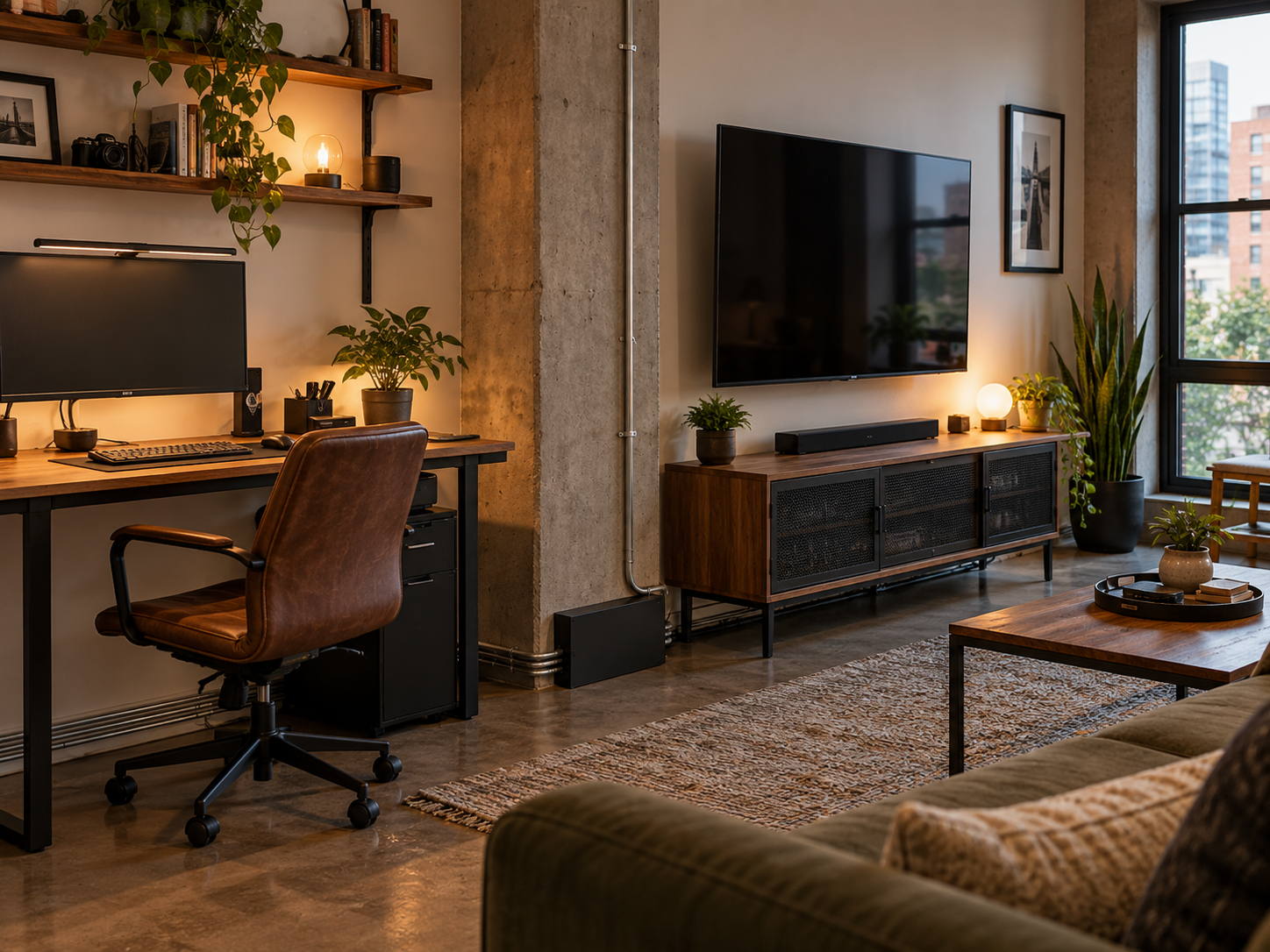
Gather charging equipment near the place where it is used and secure loose wires so they do not cross walking routes. Cable clips, sleeves and appropriately ventilated management boxes can improve the look of a desk or television area. Never enclose overheating power supplies or obstruct ventilation slots.
Give laundry, blankets and daily necessities a fixed home

Clothes on chairs and throws piled on sofas are often a sign that storage is too far away. Try a slim laundry hamper near the changing area and a basket for blankets beside the sofa. Prioritize easy access, adequate airflow and removable liners where needed. A storage ottoman is useful only if you also need the seat and have room to open it.
Use vertical space without crowding the room
Over-door hooks, narrow shelves and stackable organizers can recover overlooked storage, but more vertical storage is not always better. Leave windows unobstructed, follow wall-fixing and weight limits, and avoid loading high shelves with daily items that are hard to reach. Furniture proportions, lighting, rug scale and a restrained mix of finishes still matter.
Buying rule: Measure first, remove what is not needed, then add the smallest organizer that addresses the specific problem. The shopping guide below matches common sources of clutter to suitable product types.
Small Apartment Organization: A Simple 20-Minute Reset
- Clear the main visible surfaces.
- Return shoes and bags to the entry zone.
- Collect loose cables and chargers.
- Fold or hang clothes that are out.
- Remove five items that no longer deserve space.
Organization tools that can help
Under-sink storage for tight cabinets
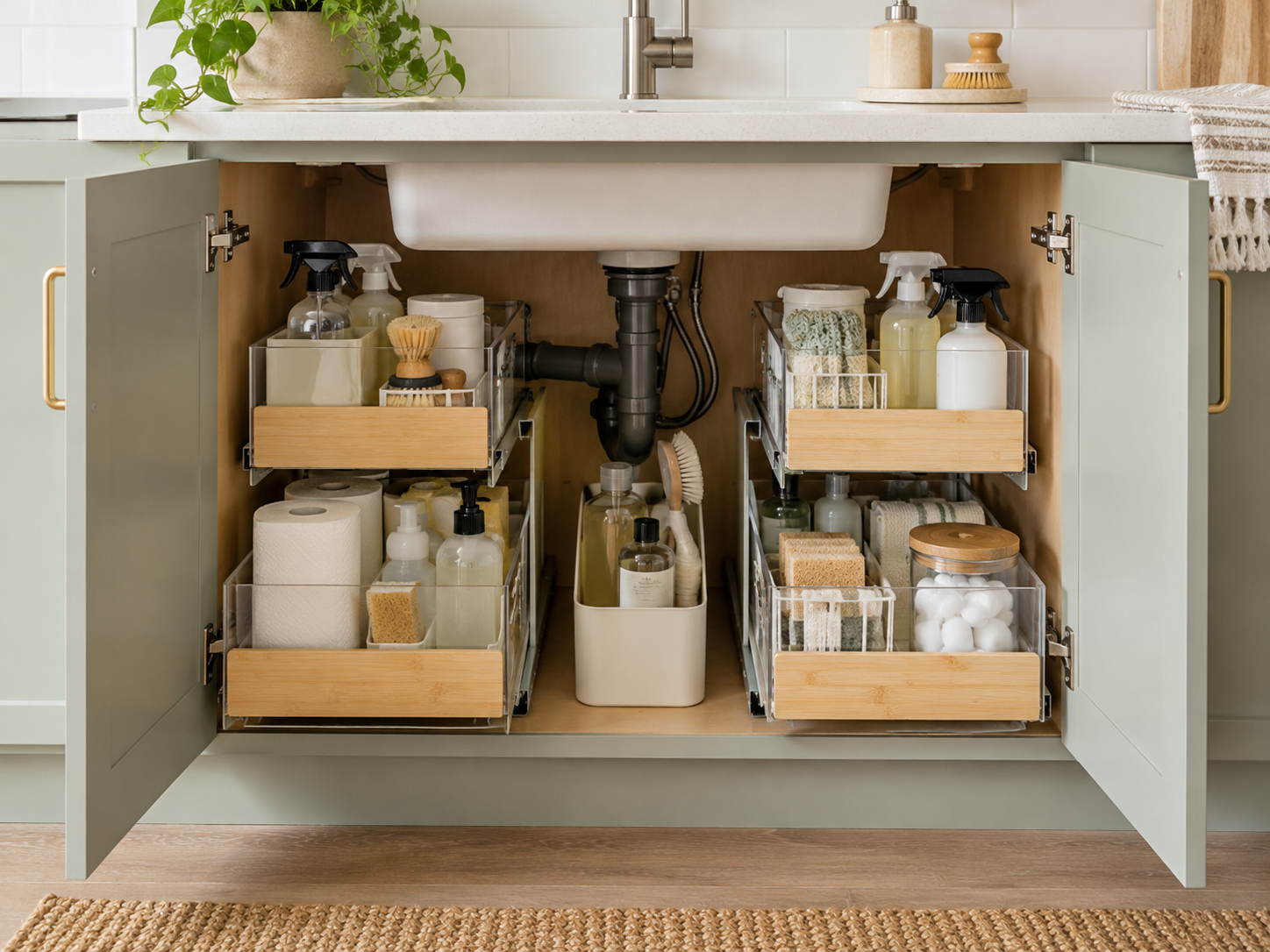
If bottles and cleaning supplies crowd the cabinet under the sink, a sliding two-tier organizer can reduce the need to move everything to reach items at the back. Measure around the pipes, hinges and plumbing connections, and keep household cleaners safely stored.
Shop for storage only after identifying the source of the visual clutter. A useful organizer should reduce the number of exposed items, preserve walking space, and be easy to use every day. The product categories below are practical starting points, not a reason to buy everything at once.
15 small-apartment organization upgrades worth comparing
These are solution categories, not a shopping checklist. Choose only what solves a problem in your apartment. Selected product examples appear beside the relevant advice; only choose organizers that fit your room and routine.
| What looks cluttered? | Useful organizer | Check before purchasing |
|---|---|---|
| Keys and mail by the door | Wall-mounted magnetic key rack with tray | Mounting rules; number of hooks |
| Shoes blocking walkways | Slim vertical shoe rack | Depth and doorway clearance |
| Bags and jackets on chairs | Over-door hooks or entryway wall hooks | Door fit and weight rating |
| Visible cables around the TV | Ventilated cable management box | Heat and power-strip dimensions |
| Loose desktop charging cables | Adhesive cable clips or cable sleeves | Residue on finishes; cable thickness |
| Too many objects on open shelves | Opaque woven storage baskets | Shelf dimensions and ease of access |
| Disorganized cupboards | Stackable clear storage bins | Height, stability and accessibility |
| Utensils mixed together | Adjustable drawer dividers | Drawer depth and internal width |
| Pots and cleaning items under sink | Under-sink pull-out organizer | Pipes, depth, humidity resistance |
| Spices scattered over countertop | In-cabinet spice rack or tiered riser | Cabinet clearance and jar size |
| Laundry collecting on furniture | Slim hamper with washable liner | Ventilation and floor footprint |
| Blankets scattered on sofa | Lidded blanket basket | Size, material and access |
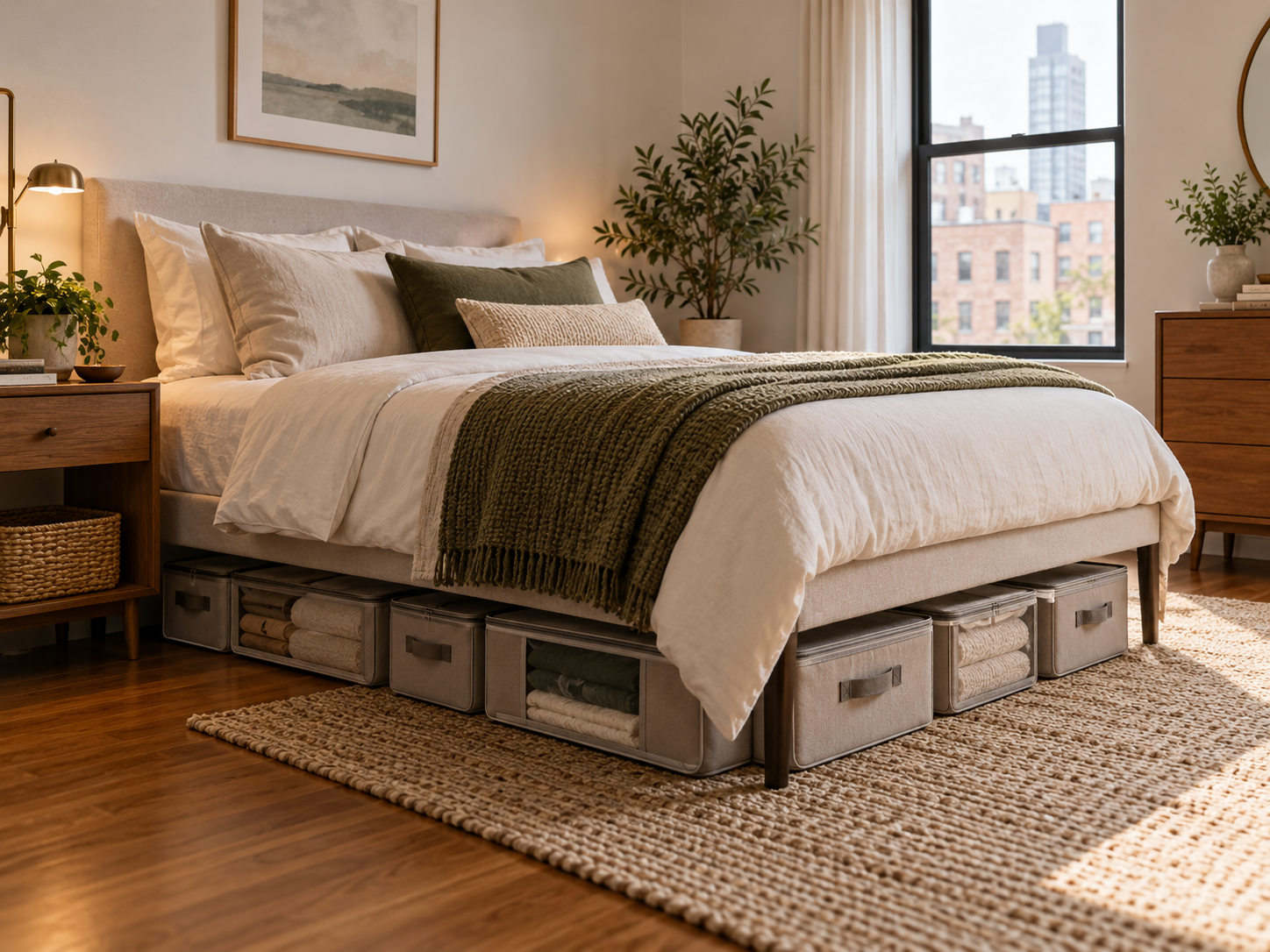
| Extra bedding and seasonal clothes | Under-bed zip storage bags | Bed clearance and moisture control |
| Too much furniture for storage | Storage ottoman or lift-top bench | Seat rating and lid swing |
| Poor bedside organization | Narrow nightstand with closed drawer | Floor footprint and reach |
Three questions to ask before you click “buy”
- Does this remove visual clutter or simply repackage it? An organizer that still leaves many small objects on view might not help the room feel calmer.
- Will it fit in actual use? Measure door swings, shelf height, drawer clearance and paths through the room—not only the item’s advertised width.
- Can you keep it organized with little effort? Prefer easy-to-reach solutions for daily objects; reserve high or concealed storage for infrequently used items.
Editor’s note: We recommend choosing individual storage solutions based on the specific problem you want to solve. The product examples throughout this guide are optional suggestions: compare dimensions, materials, installation requirements and current listing details before purchasing. We do not recommend buying every item in the table.
Frequently asked questions
Why does my apartment still look messy after I clean?
Cleaning removes dirt, but visual clutter comes from the number and arrangement of visible objects. Reduce surface clutter and group related items together.
How can I make a small apartment look bigger?
Keep pathways clear, use furniture with lighter proportions, control open storage and leave some visible negative space.
Should everything be hidden?
No. A small number of useful or attractive objects can stay visible. The goal is intentional display rather than complete concealment.
The best small apartment organization systems are simple enough to maintain every day and clear enough that every frequently used item has an obvious home.
Related: 7 Small Space Storage Ideas for Tiny Homes & Apartments.
Explore related Smart Space Finds guides
Visual checklist and inspiration
SMART SPACE FINDS · VISUAL CHECKLIST
- Clear major surfaces
- Preserve daylight
- Improve circulation
A compact apartment does not have to be sparsely decorated to feel comfortable. A few meaningful books, photographs and carefully chosen textiles can give the space character. The distinction is whether you can use each area without moving unrelated objects out of the way. Once your storage, lighting and furniture placement work together, personal decoration becomes easier to appreciate. Revisit the layout after any major change in routine, such as working from home or sharing the apartment with someone new, because a functional room should adapt as your needs change.