
Good small kitchen organization starts with how you actually cook. A compact kitchen can be extremely efficient when every zone supports your routine, rather than simply packing every cabinet to capacity. It is to keep everyday tools easy to reach, reduce wasted movement and protect valuable counter space.
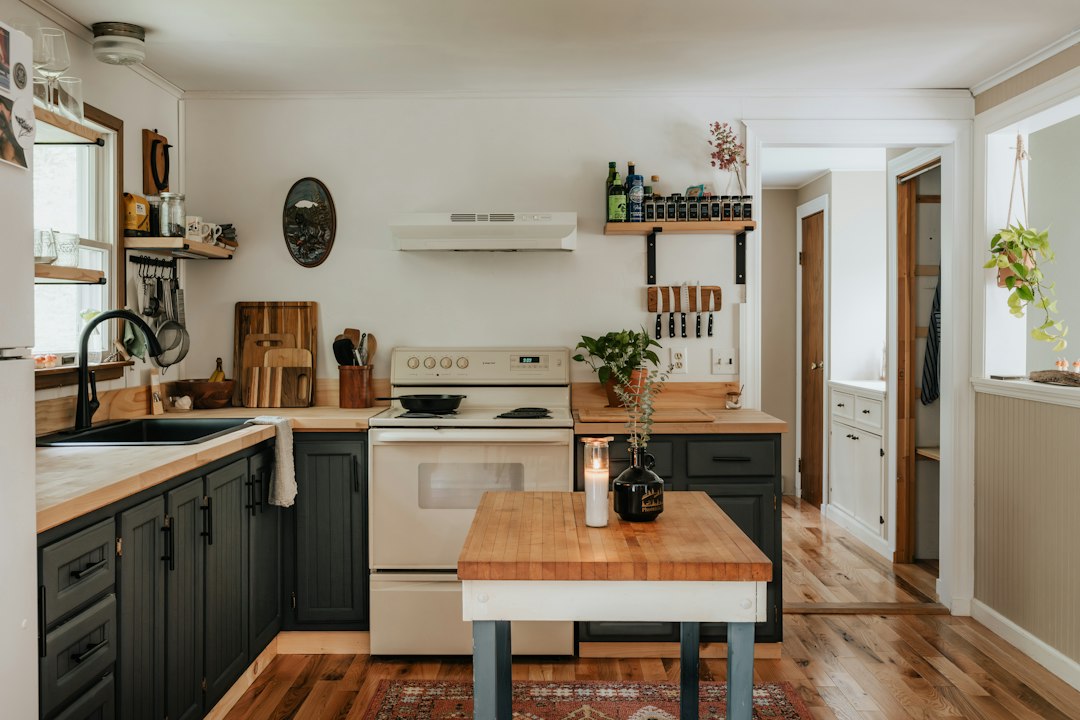
Small Kitchen Organization Starts With Workflow
Before buying organizers, notice where you prep, cook, wash and store food. Items should live as close as possible to the point where they are used. A beautifully organized drawer in the wrong location still creates extra work.
1. Add shelf risers inside cabinets
Tall cabinet shelves often waste vertical space above stacks of plates or mugs. Shelf risers create a second level and make items easier to remove without rebuilding a tower every time.
2. Use the inside of cabinet doors
Shallow door-mounted storage can hold wraps, lids, cloths or small pantry items. Always check that the rack clears the internal shelves when the door closes.
3. Store trays, boards and lids vertically
Baking trays, chopping boards and pan lids are easier to see and remove when stored vertically in dividers. This prevents heavy stacks and saves time during cooking.
4. Move everyday tools off the counter
For small kitchen organization, counter space is the most valuable working surface in a compact kitchen. A wall rail, magnetic strip or hooks can keep utensils accessible without taking up prep space.

5. Use pull-out storage in deep cabinets
Deep cabinets hide items at the back. Pull-out baskets and sliding trays convert depth into accessible storage, especially for pots, pans and pantry items.
6. Decant only when it truly helps
Matching containers can look attractive, but transferring every ingredient creates extra work and may waste space. Decant high-use staples when the container improves stacking, visibility or freshness; leave other foods in their original packaging.
7. Build one compact cooking zone
Keep oils, salt, frequently used spices and main cooking utensils near the stove. Grouping these items prevents them from spreading across the kitchen and makes cooking faster.

8. Review what deserves cabinet space
Duplicate tools and rarely used gadgets can consume a surprising amount of storage. Keep the best version of each item and relocate special-occasion equipment if you have another suitable place.
Small Kitchen Organization Zones That Work
- Prep zone: knives, chopping boards and mixing tools.
- Cooking zone: pans, oils, salt and everyday spices.
- Cleaning zone: cloths, dishwasher products and bin liners.
- Breakfast zone: mugs, coffee or tea and everyday bowls.
- Pantry zone: foods grouped by type and frequency of use.
What not to do
- Do not buy organizers before measuring cabinets.
- Do not fill counters with containers just because they match.
- Do not store heavy items above shoulder height.
- Do not make everyday items harder to reach in the name of aesthetics.
Kitchen organizers to consider
When affiliate links are added, we will prioritize shelf risers, vertical dividers, pull-out trays, wall rails and compact organizers that genuinely increase usable space.
Frequently asked questions
How do I organize a very small kitchen with few cabinets?
Use vertical storage, door storage and wall-mounted solutions first. Keep counters reserved for active prep and store rarely used items outside the main cooking zone if necessary.
Are clear containers better for small kitchens?
They can help with visibility, but only when they stack efficiently and suit the food being stored. They are not automatically more space-efficient.
What should stay on the counter?
Only items you use frequently enough to justify the space, such as a coffee machine or kettle. Everything else should earn a dedicated storage location.
Effective small kitchen organization is less about buying more containers and more about putting the right tools close to where you actually use them.