
An organized home is not necessarily a minimalist home. The difference is that everyday objects have a logical place, surfaces are easier to reset, and storage supports the way you actually live. These eight elements appear again and again in homes that stay organized without requiring constant effort.
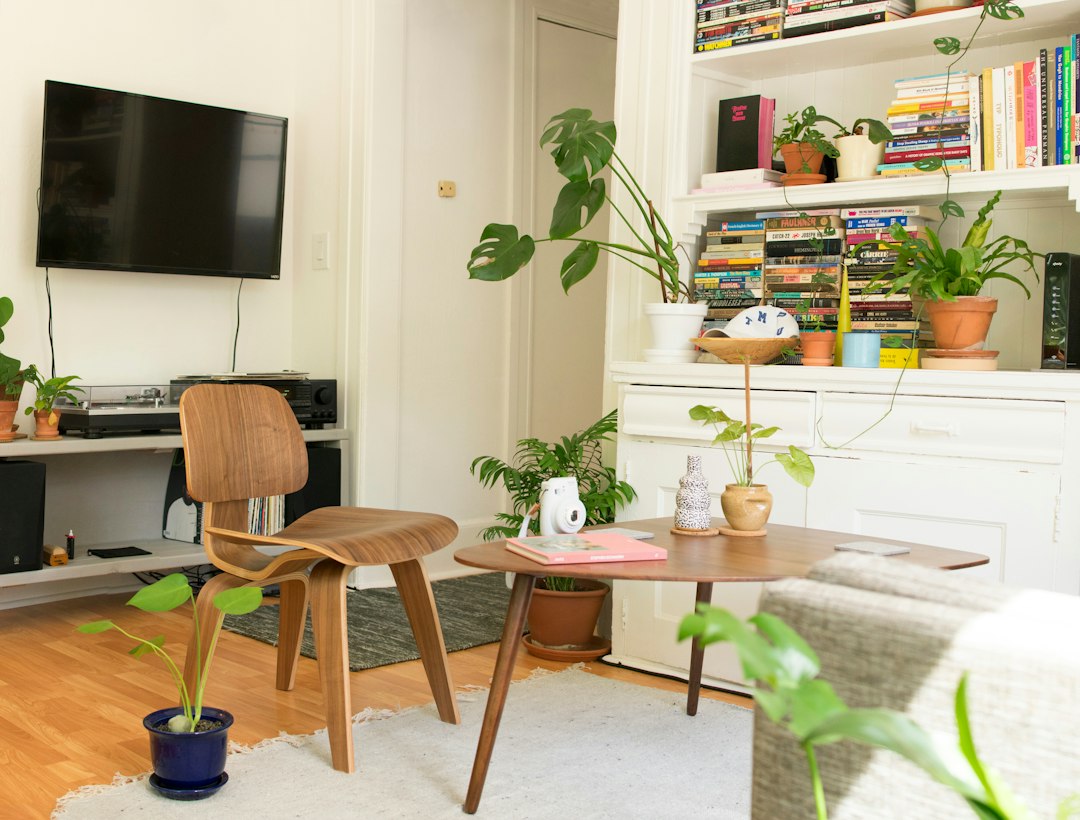
1. A clear landing zone near the entrance
Keys, bags, mail and shoes create clutter quickly when they have nowhere to go. A small tray, wall hooks, shoe basket or slim console gives these high-traffic items an immediate home. The goal is not to create a decorative entryway; it is to stop clutter before it spreads into the rest of the home.
2. Storage that matches daily habits
The best organization systems work with your routines. If you always drop your bag by the sofa, storage should be close to that spot. If you use the same cooking tools every day, they should be easier to reach than items used once a month. Organized homes reduce the number of decisions required to put things away.
3. Containers with a specific purpose
Baskets and bins are useful only when each one has a job. One basket for cables, one for cleaning cloths and one for pantry snacks is easier to maintain than several containers filled with unrelated objects. Before buying an organizer, decide exactly what it will store and where it will live.
4. Vertical storage
Well-organized homes use walls, doors and the full height of cabinets. Floating shelves, over-door organizers, hooks and stackable shelf risers increase capacity without consuming valuable floor space. This is especially effective in apartments and other compact homes.
For more ideas, see our small space storage guide.
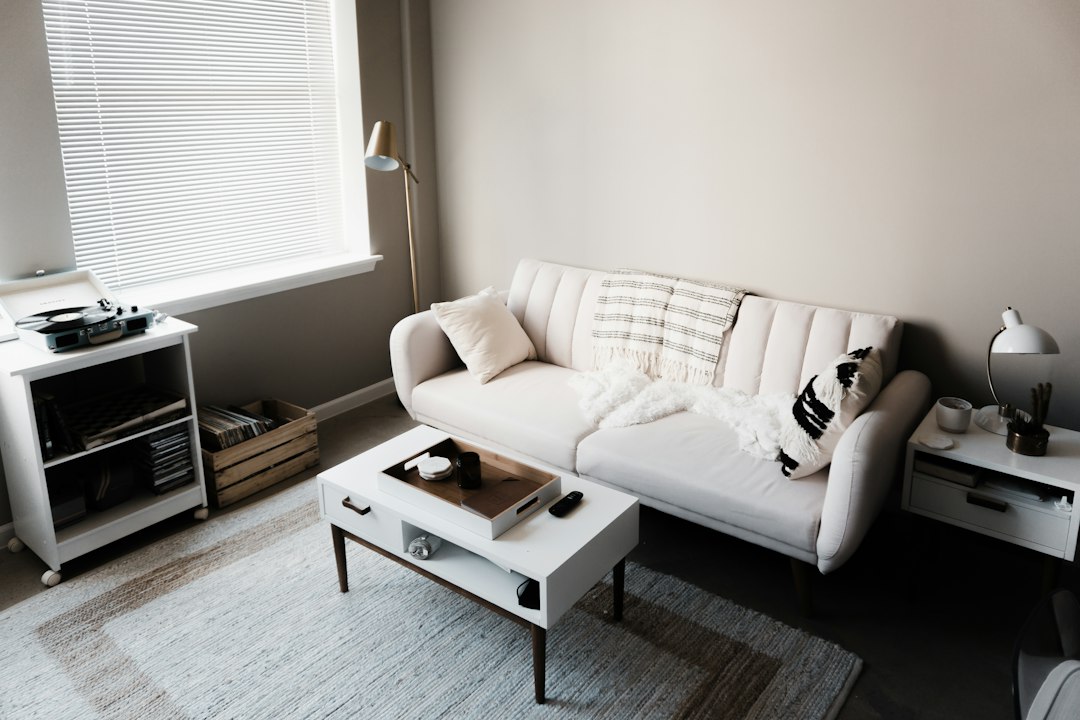
5. A place for items that are in transition
Not everything is ready to be fully put away. Returns, donations, things that need repair and items that belong in another room can easily become permanent piles. Organized homes often have a temporary basket or small zone for these items, combined with a routine for emptying it.
6. Less visual noise on open surfaces
Kitchen counters, coffee tables and bathroom vanities can make an entire room feel cluttered. Keeping only frequently used or intentionally displayed objects visible creates an immediate sense of order. Everything else should have a nearby storage location.
7. Simple labels where they actually help
Labels are most useful in shared spaces, deep cabinets and containers where contents are not obvious. They reduce searching and make it easier for everyone in the home to return items to the correct place. Avoid labeling every visible object; use labels where they remove friction.
8. A short reset routine
The biggest secret of organized homes is not a product. It is a repeatable reset. Five or ten minutes at the end of the day to clear surfaces, return items and prepare the kitchen or living room for tomorrow prevents small messes from becoming large ones.
What organized homes do differently
They make storage easy to use. The best system is one you can maintain when you are busy, tired or in a hurry. Start with the area that creates the most daily frustration, then make one change that removes a repeated obstacle.
Affiliate disclosure: Some links on Smart Space Finds may be affiliate links. If you purchase through one of these links, we may earn a commission at no extra cost to you.