

A simpler morning does not have to start with a 5 a.m. alarm. It can start with a home that quietly helps you get out the door.
Think about the first ten minutes of an ordinary weekday. Are you looking for a clean shirt, moving bathroom products around, searching the fridge for breakfast, or trying to remember where you left your keys? Each small interruption asks for another decision. They add up, especially when your home is short on storage or several people share the same space.
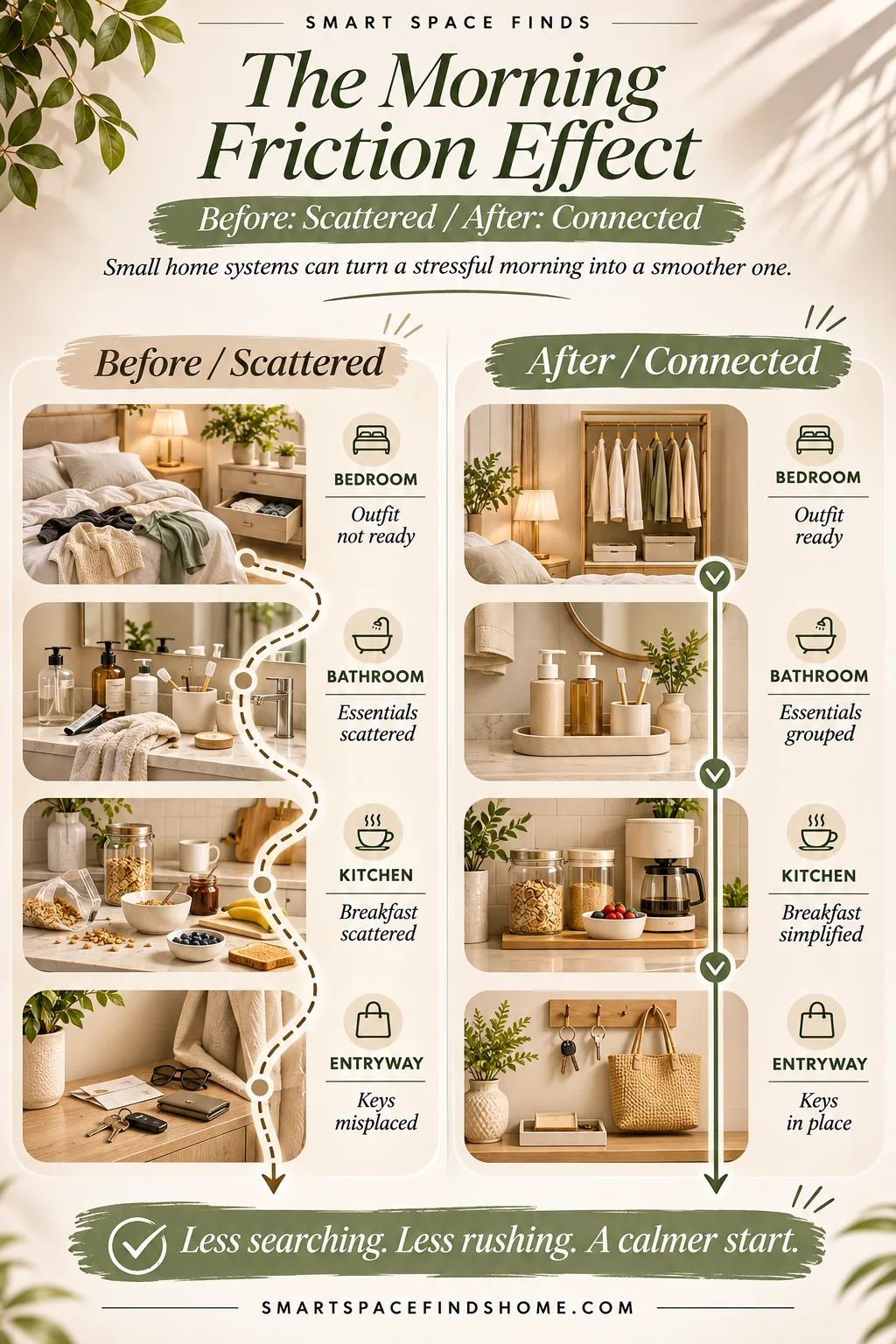
This guide is about reducing those interruptions. Instead of building a rigid schedule, you will set up five practical zones in the rooms you already use: a ready-to-wear spot, a clear bathroom routine, an easy breakfast station, a dependable entryway drop zone, and a short evening reset. Start with the one problem that bothers you most. You do not need to buy anything to begin.
What’s actually making your mornings harder?
Most routines fail at a specific point, not everywhere. Find the moment you keep repeating—then skip directly to a solution you can test tonight.
If your mornings are unpredictable, start with the flexible evening reset instead.
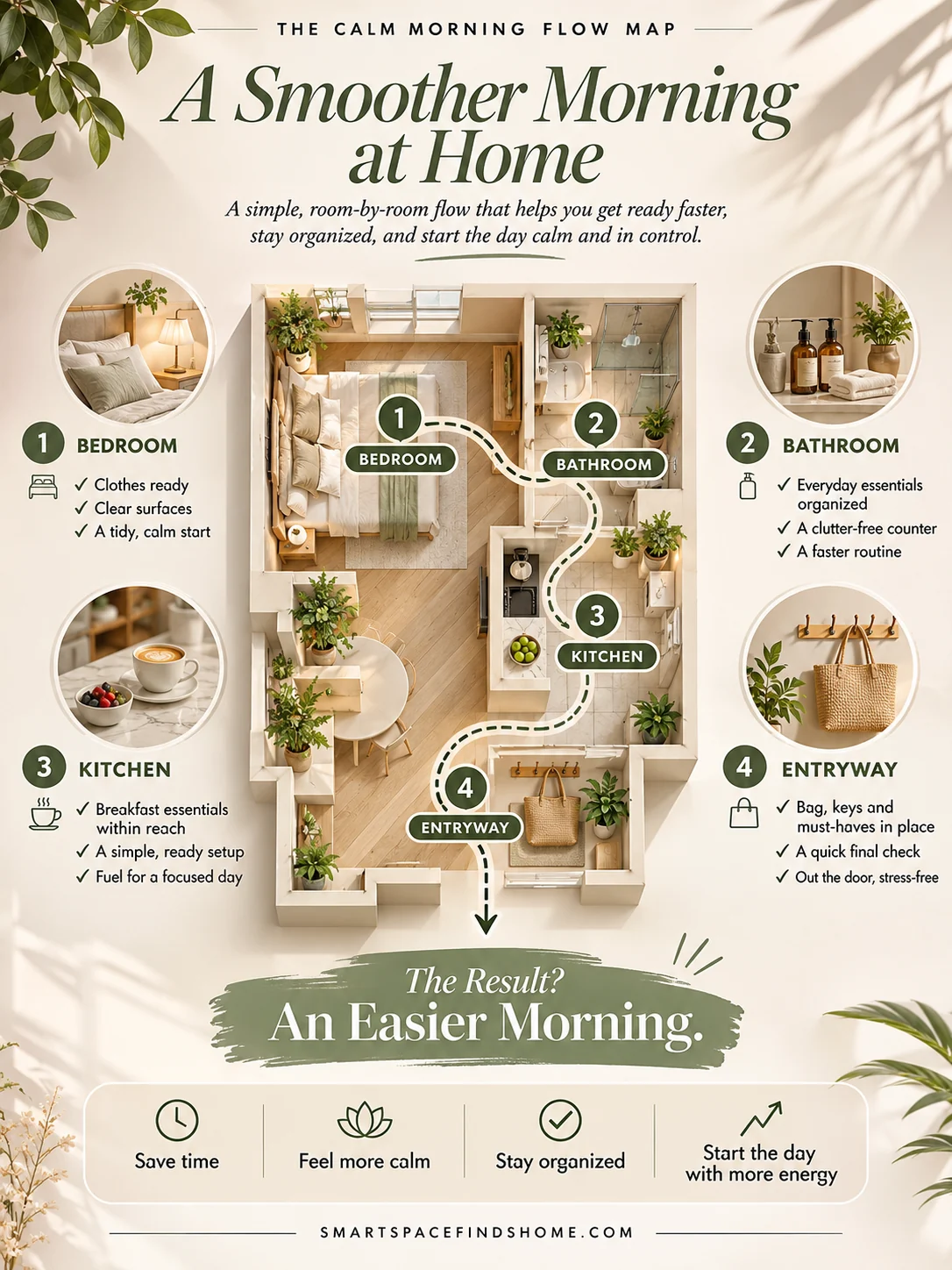
Give every step a place.
A smoother routine follows the natural route through your home. Keep the things you use together, close to where you use them, instead of adding another organizing project.
Prepare a ready-to-wear zone, not an entire wardrobe overhaul
The easiest outfit is one that is already complete when you need it.
Set aside a small, intentional place for tomorrow’s clothing. In a studio apartment, that could be one shelf, one section of a closet, or a hook behind the bedroom door. Keep the outfit together with socks, underwear, and any accessories you routinely forget. A tidy surface is more useful here than an expensive closet system.
Check the weather and what you will actually be doing. If your day is unpredictable, prepare a second layer or a simple backup. Avoid leaving piles on the floor or covering your only seating area with clothes; the zone should remove friction, not create clutter.
Choose your outfit, place shoes where you can reach them, and put your bag next to the exit. Tomorrow, notice whether you made fewer trips back into the bedroom.
Use an existing closet shelf or a single wall hook. Limit the zone to one day’s essentials.
Give each person a clearly defined spot so one person’s preparations do not disturb another’s.
For extra ideas when space is limited, explore our small closet organizer guide. The principle is to make tomorrow’s clothes visible without keeping your entire wardrobe on display.
THE READY-TO-WEAR EDIT
An outfit station should reduce searching, not introduce another daily task.
Affiliate disclosure: As an Amazon Associate, Smart Space Finds earns from qualifying purchases. Links below may earn us a commission at no extra cost to you.
YOUDENOVA 6-Shelf Hanging Closet Organizer
Group your next-day outfit and accessories on one shelf.
MAX Houser 6-Tier Hanging Closet Organizer
Use vertical closet space for frequently worn pieces.
SpaceAid Bamboo Drawer Dividers
Separate socks, basics, and small essentials.
Vtopmart Adjustable Drawer Dividers
Create quick-to-find clothing zones in drawers.
Criusia Over-the-Door Organizer
Add pockets when drawer and closet space are limited.
Lilithye Bedside Hanging Caddy
Keep compact bedside essentials in one spot.
BedShelfie Bedside Shelf — Black
Make a small bedside landing spot without a full nightstand.
Umbra Estique Over-the-Door Hooks
Hang lightweight next-day essentials by the door.
Product availability, options, pricing, and shipping may change. Check the current product details before buying.
Make your everyday bathroom essentials easy to reach
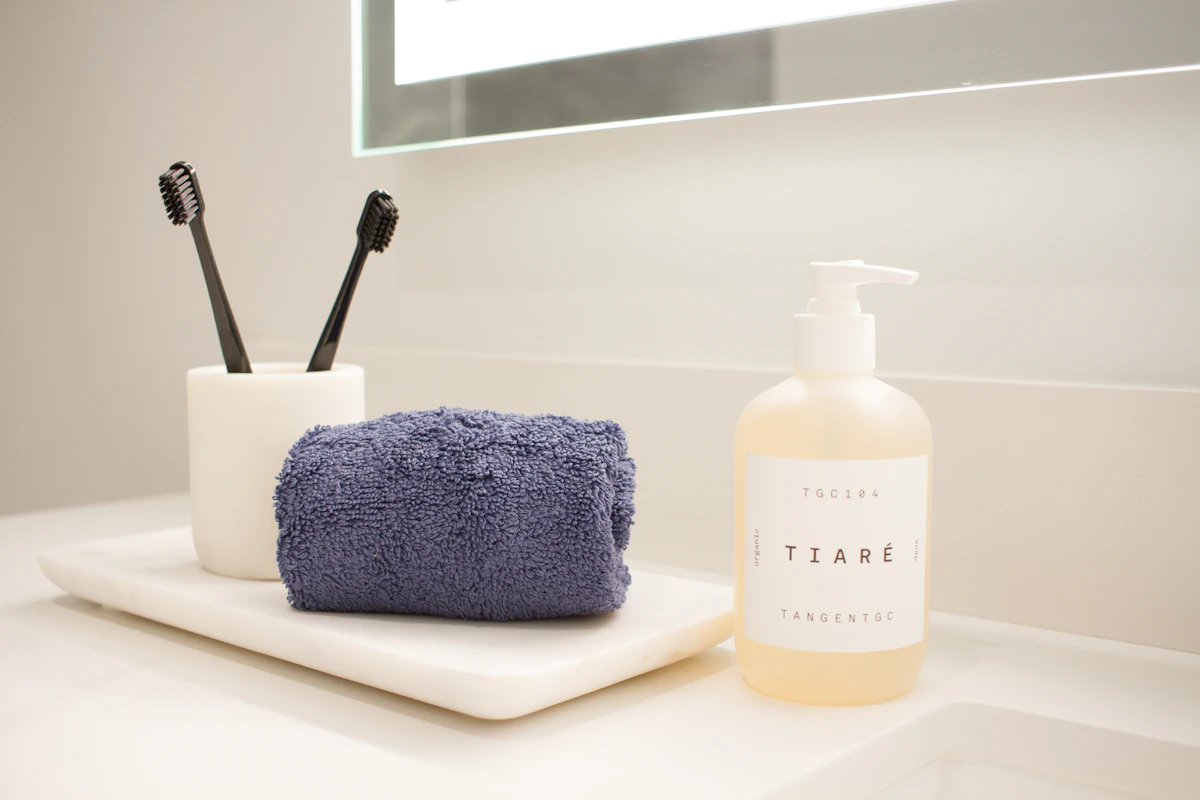
A calm-looking bathroom is helpful only if the products you actually use are easy to find.
Separate daily essentials from occasional products. Keep a toothbrush, skincare basics, hair tools, or shaving items in a consistent place according to how often you need them. Put backup stock and rarely used items away rather than crowding your most accessible shelf.
If counter space is scarce, try a small washable tray, one drawer compartment, or a cabinet shelf that is easy to access. Leave adequate clearance around electrical outlets, store products safely, and keep heat-producing tools away from water. In a shared bathroom, a portable caddy may be more practical than claiming all the counter space.
Clear one surface. Return the essentials you use every morning. Move everything else to a suitable existing cabinet or drawer. If the tray becomes difficult to clean, remove items rather than adding another container.
Our bathroom organization ideas expand on ways to work with awkward shelves, small vanities, and limited storage.
THE CLEAR COUNTER EDIT
Keep the products you actually use each morning visible and within reach.
Affiliate disclosure: As an Amazon Associate, Smart Space Finds earns from qualifying purchases. Links below may earn us a commission at no extra cost to you.
Vtopmart 25-Piece Drawer Organizer
Sort small daily toiletries across drawers.
STORi SimpleSort Drawer Bins
Use modular bins to separate morning essentials.
STORi Audrey 4.5-Inch Drawers
Stack compact essentials vertically.
STORi Audrey 6.75-Inch Drawers
Keep a slightly larger set of products together.
STORi 6-Compartment Vanity Organizer
Create a simple daily grooming station.
Vtopmart Stackable Small Drawers
Reduce visual clutter on a small countertop.
Vtopmart 3-Tier Makeup Organizer
Keep frequently used makeup in one organized place.
Rotating Skincare Organizer
Access bottles without moving an entire collection.
Diesisa Rotating Brush Organizer
Keep brushes grouped and easy to locate.
Product availability, options, pricing, and shipping may change. Check the current product details before buying.
Give breakfast a simple, repeatable setup
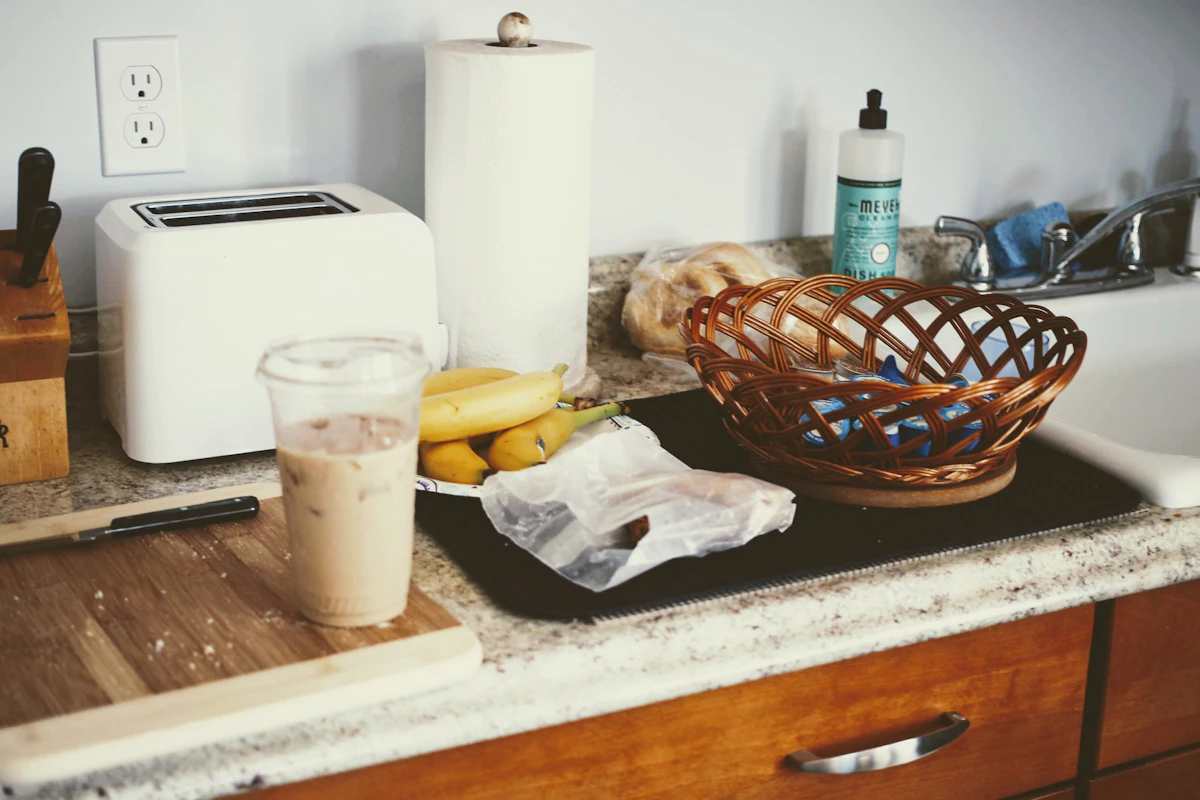
An easier breakfast starts with fewer scattered ingredients and fewer things to wash.
Pick two or three breakfasts that suit your tastes, schedule, and nutritional needs. Group the shelf-stable items and utensils used for them near the place you prepare food. A bowl, spoon, mug, and coffee accessories do not need separate homes across the kitchen if they are part of the same routine.
For refrigerated foods, keep ingredients at safe temperatures and return perishables to the fridge promptly; do not leave dairy, cut fruit, or prepared meals on the counter overnight. Preparing the night before might mean washing a reusable container, checking that food is available, or setting out nonperishable items—not necessarily cooking ahead.
Use a cabinet shelf as your breakfast zone and pull out only what you need. A clear worktop is more valuable than a permanent display.
Keep shared ingredients together, but avoid blocking the main cooking area during the busiest part of the morning.
For practical layouts, see compact breakfast station ideas and our guide to small fridge organization and food safety.
THE BREAKFAST-READY EDIT
Choose a compact setup that removes one repeated step from breakfast.
Compatibility first: K-Cup and Nespresso Vertuo capsules are not interchangeable. Confirm your machine model before choosing storage.
Affiliate disclosure: As an Amazon Associate, Smart Space Finds earns from qualifying purchases. Links below may earn us a commission at no extra cost to you.
Mind Reader Coffee Bar Station
Group coffee, tea, and accessories in one zone.
Amazon Basics 36-Pod Coffee Drawer
Store compatible K-Cup pods in a drawer-style station.
Veken Airtight Coffee Canister
Keep coffee in one clearly defined counter station.
DecoBrothers Vertuo Coffee Drawer
Organize compatible Nespresso Vertuo capsules.
Rotating K-Cup Carousel
Access compatible K-Cup pods in a vertical footprint.
KIMIUP Coffee Pod Organizer
Group pod choices beside the coffee machine.
OXO Compact Utensil Organizer
Put breakfast cutlery in an easy-to-reach drawer.
OXO Expandable Utensil Organizer
Adjust storage for your everyday utensils.
Vtopmart Vertuo Pod Drawer
Keep compatible Vertuo pods out of the way.
Product availability, options, pricing, and shipping may change. Check the current product details before buying.
Give keys, bags, and leaving-the-house essentials a fixed home
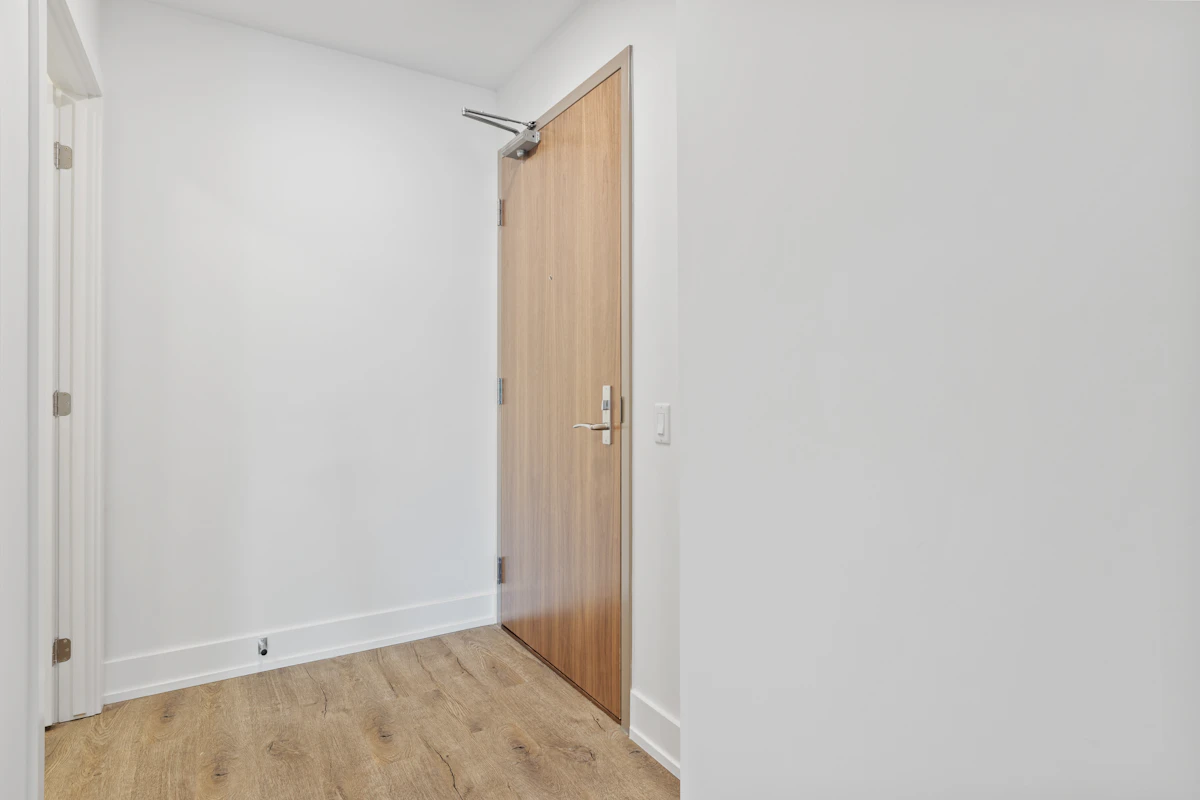
If the same missing item delays you every week, solve its location before buying more storage.
Choose a landing spot near the door for the items that travel with you: keys, wallet, transit card, sunglasses, and a daily bag. This can be a small tray on existing furniture, a shallow basket, or hooks installed in a suitable location. Make sure the setup does not obstruct doors, walkways, or accessibility needs.
In a rental with no traditional hallway, a narrow shelf or compact drop zone can do the job. The goal is not to create an Instagram-worthy console table; it is to stop the daily hunt for essentials.
Put each item back in the same place when you arrive home. If the space starts attracting mail, receipts, or unrelated clutter, move those things elsewhere instead of expanding the drop zone.
See the entryway drop zone for apartments without a hall for examples designed for small homes.
THE NEVER-FORGET EDIT
Set one reliable drop zone for the things you take out every day.
Check fit: Verify door clearance, hook load ratings, and adhesive surface suitability before ordering.
Affiliate disclosure: As an Amazon Associate, Smart Space Finds earns from qualifying purchases. Links below may earn us a commission at no extra cost to you.
Lwenki Key and Mail Holder
Give keys and mail a dedicated landing zone.
Sweet Home Entryway Key Rack
Keep frequently used keys on visible hooks.
Adhesive Metal Key Holder
Create a compact key station on a suitable surface.
Magnetic Key Holder with Shelf
Consider an alternative entryway drop zone.
Rustic Key and Mail Holder
Combine small-item storage and hooks.
Command Large Utility Hooks
Hang suitable lightweight essentials without drilling.
Optish Over-the-Door Rack — Black
Create a vertical accessory zone on a compatible door.
pickpiff Adhesive Hooks
Add a small hook point to an appropriate surface.
Optish Over-the-Door Rack — White
Choose a light-finish option for a compatible doorway.
Product availability, options, pricing, and shipping may change. Check the current product details before buying.
Spend five flexible minutes helping tomorrow’s self
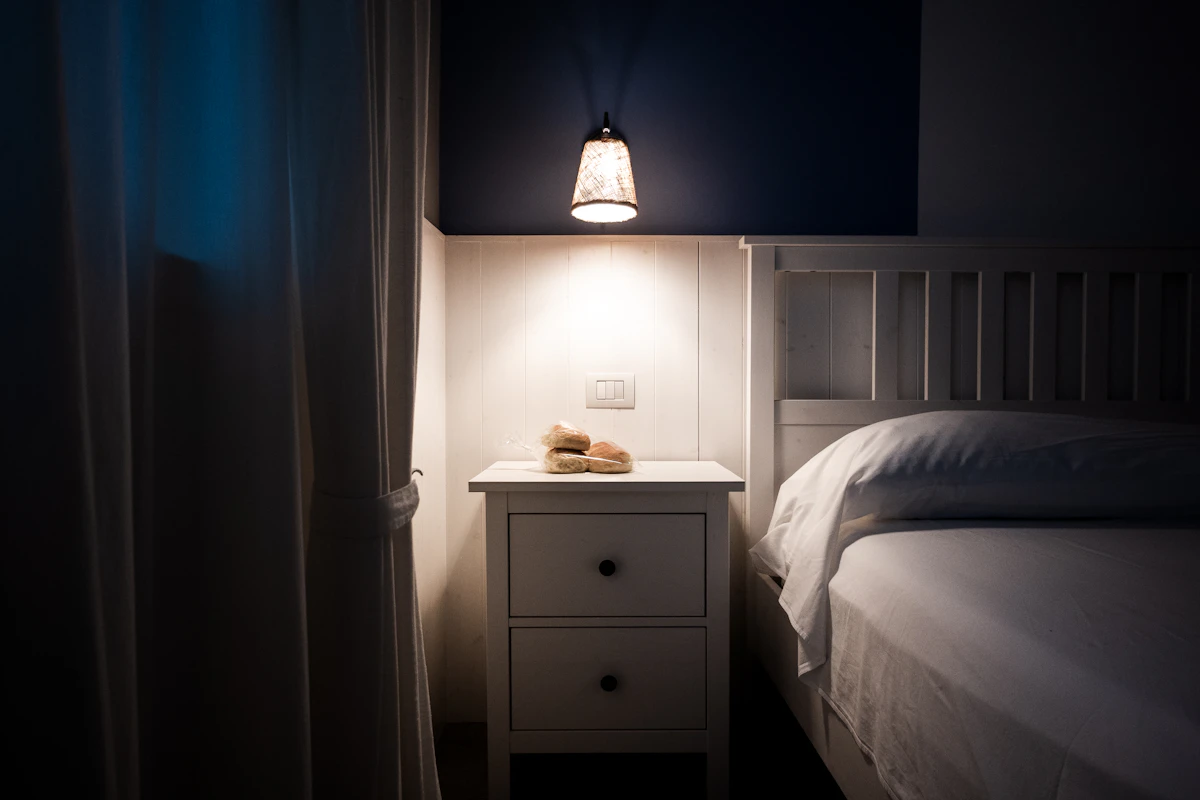
An evening reset works best when it feels like relief, not another obligation.
After dinner or before bed, look for one or two things that could interrupt tomorrow morning. Set out a bag, refill your water bottle if you use one, check a calendar reminder, or place a nonperishable breakfast item by the appropriate station. When you are exhausted, do just one action.
Keep charging devices on a stable, ventilated surface and follow manufacturer guidance. Avoid charging under pillows or blankets, and route cables away from walking paths. If you take medication, follow its storage instructions and your prescribed schedule rather than changing either to fit a checklist.
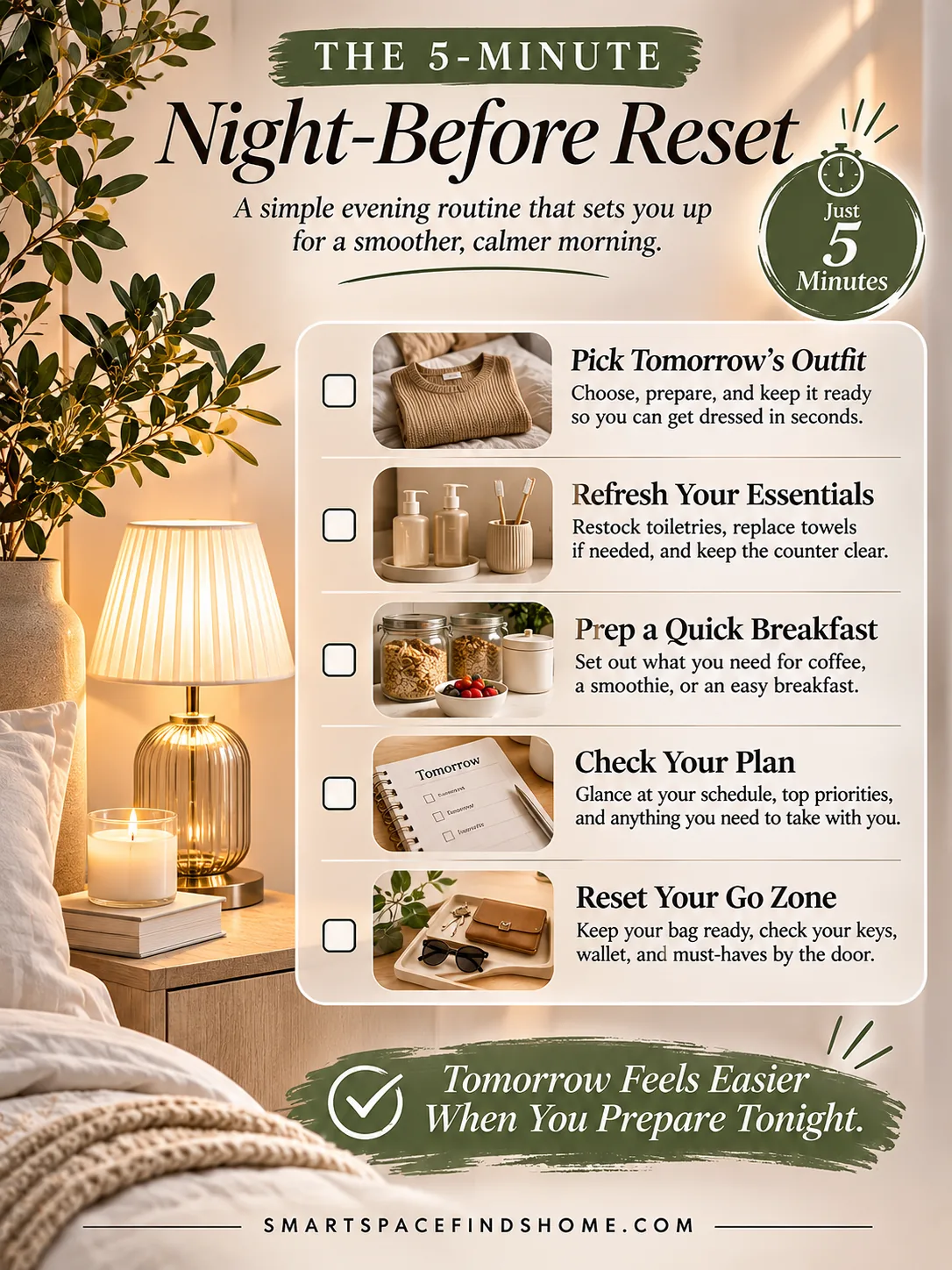
- Choose tomorrow’s clothes and check the weather.
- Put keys, wallet, and bag in their usual places.
- Prepare safe, shelf-stable breakfast basics or check fridge ingredients.
- Look at tomorrow’s schedule for one important reminder.
- Clear one surface that slows you down in the morning.
Five prompts, not five mandatory chores. Skip anything that does not improve your real routine.
For a wider routine that includes the rest of the home, read our 15-minute evening home reset.
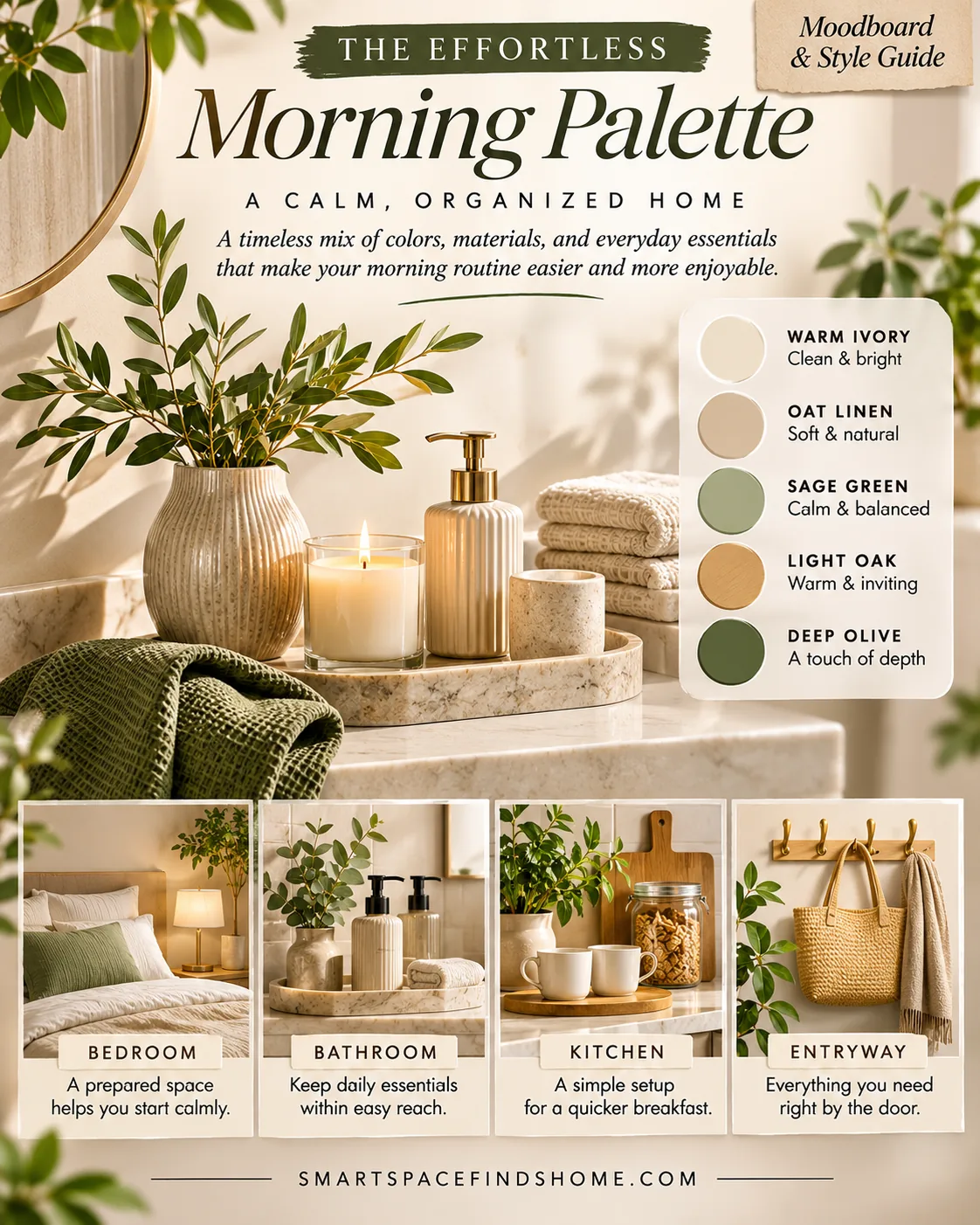
THE NIGHT-BEFORE ESSENTIALS
Use the products you already own first. Add storage only when it solves recurring morning friction.
Affiliate disclosure: As an Amazon Associate, Smart Space Finds earns from qualifying purchases. Links below may earn us a commission at no extra cost to you.
BedShelfie Bedside Shelf — White
Create a compact evening landing spot.
Bedside Hanging Storage Caddy
Keep tomorrow’s small essentials nearby.
Vtopmart Stackable Storage Drawers
Group frequently used items for tomorrow.
Lifewit Over-the-Door Organizer
Prepare next-day supplies in a dedicated zone.
Product availability, options, pricing, and shipping may change. Check the current product details before buying.
The seven-day morning friction test
Resist the urge to change everything on Monday. For one week, make a small adjustment and notice whether it solves a recurring problem. You do not need a tracker, app, or perfect streak.
Write down one delay: missing keys, a crowded sink, scattered breakfast supplies, or repeated trips between rooms.
Move the relevant items into one practical zone. Keep the arrangement deliberately small.
Ask whether you searched less, used fewer steps, or felt less rushed. If not, try a different placement.
Keep useful changes. Drop anything that adds cleaning, clutter, or a new set of decisions.
What if your mornings look different every day?
If you work shifts, care for someone, share a single bathroom, or have an unpredictable departure time, design around fixed actions rather than fixed clock times. For example: prepare clothes before sleep, return keys when you enter, and check essentials before leaving. An accessible setup is more important than matching someone else’s routine.
What should you avoid buying?
Start by using the storage you already own. Avoid multi-compartment organizers that exceed the available space, decorative baskets that conceal your essentials, countertop products that steal preparation space, or extra hooks placed where they become a hazard. Shop only after you know exactly what the current setup cannot solve.
Three routines for three very different mornings
The most useful morning routine is the one that fits the constraints of your actual home and schedule. Here is how the same five-zone idea can adapt to different households.
When you leave before the rest of the household wakes up
Place your clothes and bag in one accessible place the night before, check transit essentials at the door, and choose a breakfast that does not require noisy preparation. Avoid laying out items across a shared bedroom. Your priority: fewer last-minute searches and less disruption.
When two people share one bathroom and a tiny kitchen
Give each person a small bathroom essentials caddy, keep the kitchen prep surface clear, and agree on where shared items live. Organize by where each task happens rather than by who bought the organizer. Your priority: reducing congestion at the busiest locations.
When every day starts at a different hour
Keep the sequence flexible: clothes ready before sleep, daily essentials returned after use, and a quick check before departure. Skip exact wake-up and breakfast times when they make the system harder to maintain. Your priority: repeatable actions rather than a rigid timetable.
Before adding a product, ask three questions.
- Can I relocate it? Put the item closer to the action it supports.
- Can I remove something? Clear rarely used objects from the prime access zone.
- Can I reuse what I own? Test a tray, caddy, or hook before purchasing storage.
Only consider a new organizer when these three changes fail to solve a specific problem. Measure the space, check clearance, and avoid anything that blocks walkways or requires unsafe installation.
Frequently asked questions
How can I make my morning routine easier without waking up earlier?
Prepare one repeated decision before bed, such as selecting clothes or putting essentials near the door. Organizing the environment can reduce unnecessary steps without changing your wake-up time.
What is a realistic morning routine for a small apartment?
Keep daily essentials in compact, consistent zones in the bedroom, bathroom, kitchen, and entryway. Choose accessible storage that fits your current layout instead of adding bulky furniture.
Do I need to buy organizers?
No. Try moving things closer to where you use them, clearing a shelf, or reusing a tray or container first. A purchase is worthwhile only when it solves a specific, persistent problem.
How long should an evening reset take?
As little time as needed to handle your most common morning obstacle. Five minutes is a flexible prompt, not a target you must meet.
How do I maintain the routine when life gets busy?
Keep the version that still works on a difficult day: put keys in their spot, check tomorrow’s essentials, and leave the rest. Simplify the system when maintaining it becomes more work than it saves.
A quieter morning starts with one easier decision.
There is no universal perfect morning. A well-placed tray, a clear shelf, or an outfit prepared the night before might make more difference than a complicated routine. Choose one friction point today, improve the space around it, and build from what actually works.
Editorial note: Product suggestions, when added, should be selected for a specific functional need. Storage and routine advice should be adapted for individual accessibility, household, and safety requirements.