
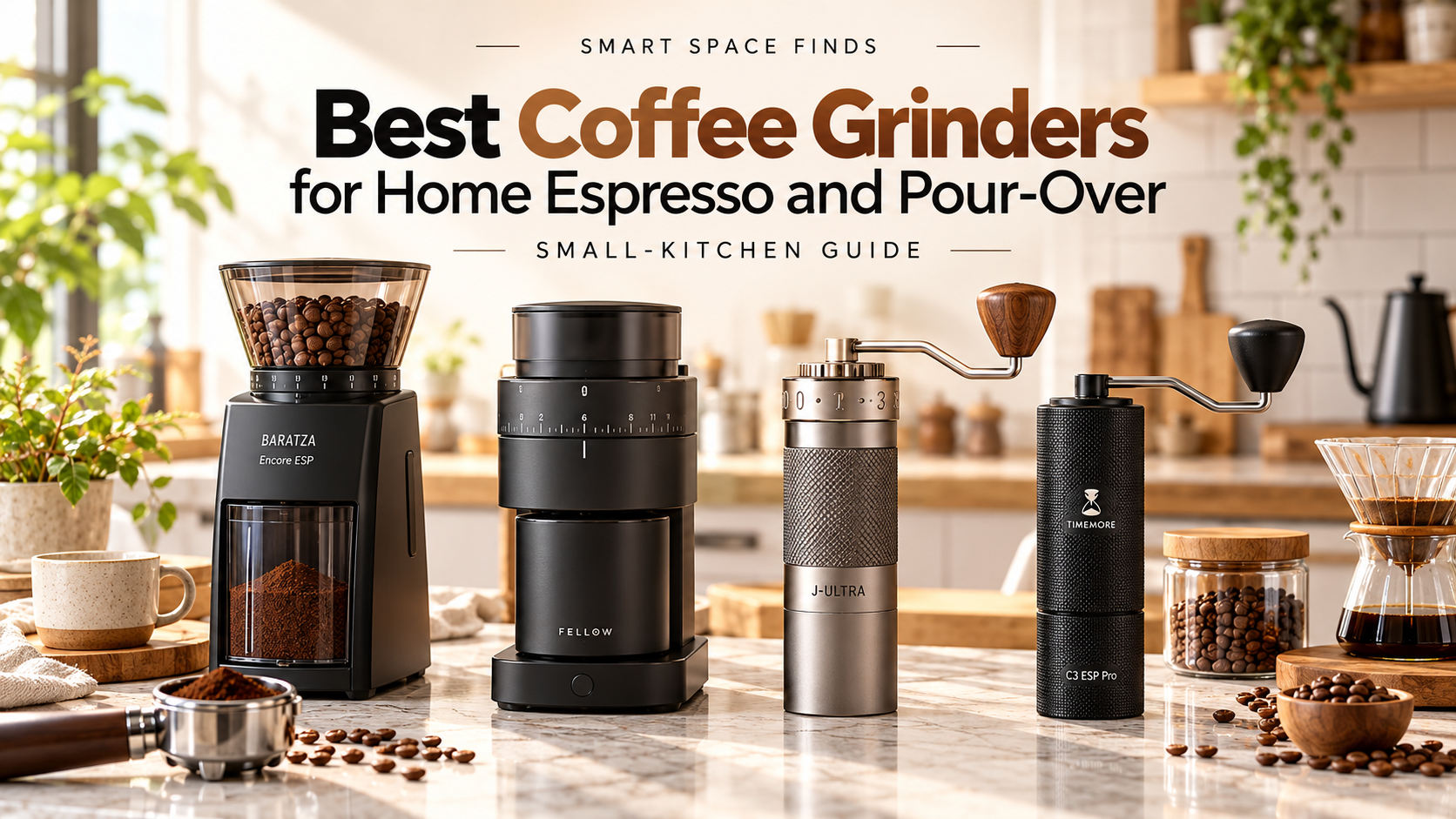
Finding the right coffee grinder is one of the most consequential decisions in a small home coffee setup. Whether you dial in espresso, brew a weekend V60 or switch between both, the grinder controls how consistently beans are prepared before water ever touches them. This guide compares four distinct grinder approaches with practical advice about adjustment, noise, cleaning and the counter space they actually need.
Updated October 2026 · Independent editorial comparison using published specifications. We have not independently tested these grinders.
Quick verdict
For a household switching between espresso and pour-over, the Baratza Encore ESP is a practical electric all-rounder with a dedicated fine-adjustment range for espresso. The Fellow Opus (original model) offers a compact multipurpose alternative with finer adjustments through an inner dial. If counter space, travel or noise is the deciding factor, the 1Zpresso J-Ultra is a premium hand grinder focused on espresso, while the TIMEMORE Chestnut C3 ESP Pro is a more approachable hand-grinding option with espresso-oriented adjustment. No single model wins for everyone: choose your grinder based on the brewing method you use most, not the most impressive feature list. These are specification-led recommendations, not results from independent hands-on tests.
At a glance: four grinder types
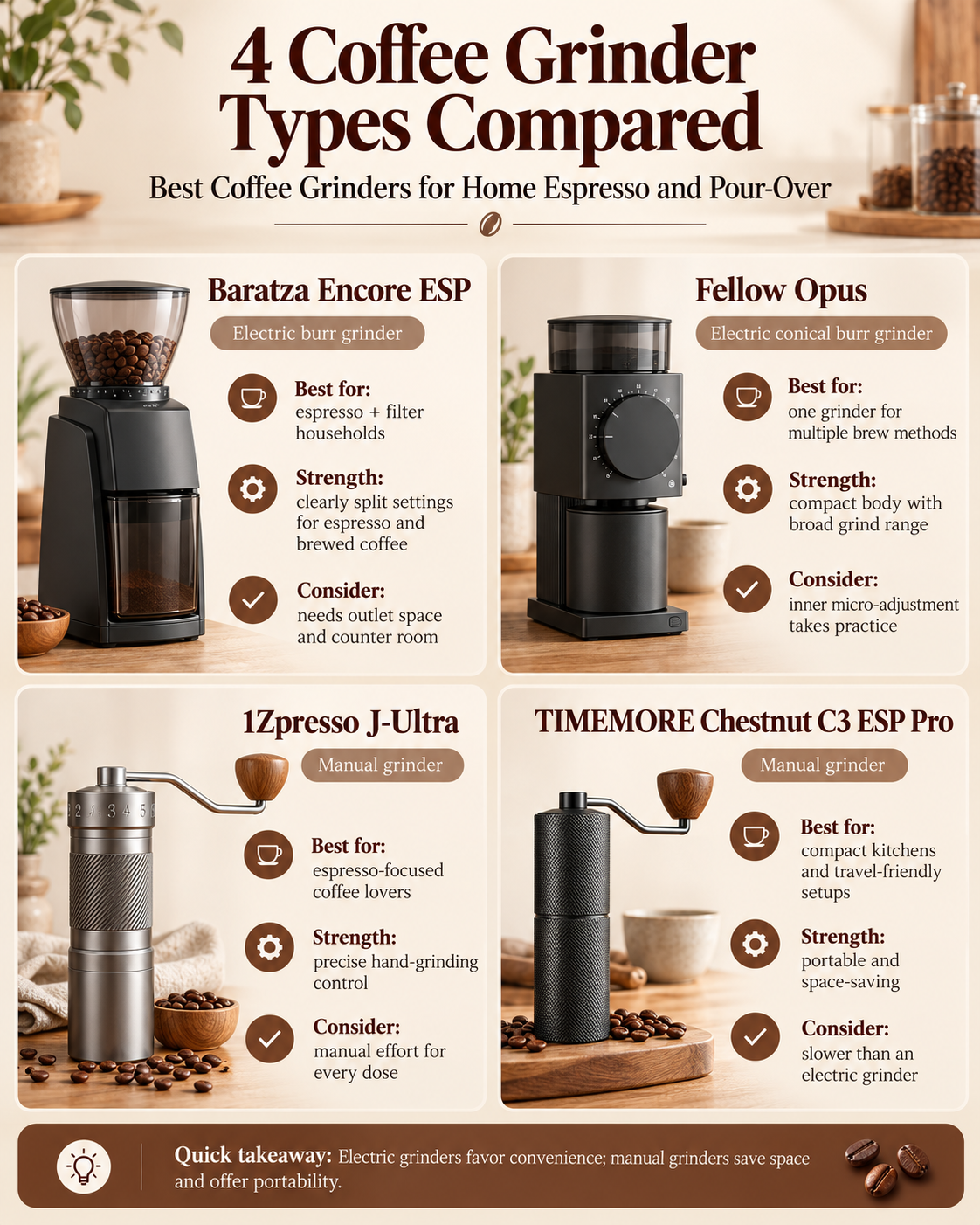
| Grinder | Type | Main strength | Consider before buying |
|---|---|---|---|
| Baratza Encore ESP | Electric conical burr | Clearly separated espresso and filter adjustment ranges | Needs counter height and electrical outlet |
| Fellow Opus (original) | Electric conical burr | Wide brew-method flexibility in a streamlined body | Inner micro-adjustments add a learning step |
| 1Zpresso J-Ultra | Manual burr grinder | Fine espresso adjustments without a motor | Hand grinding needs effort, especially with light roasts |
| TIMEMORE C3 ESP Pro | Manual burr grinder | Portable hand grinder with espresso-focused settings | Check exact model: C3, C3 Pro and C3 ESP Pro differ |
What makes a grinder good for both espresso and pour-over?
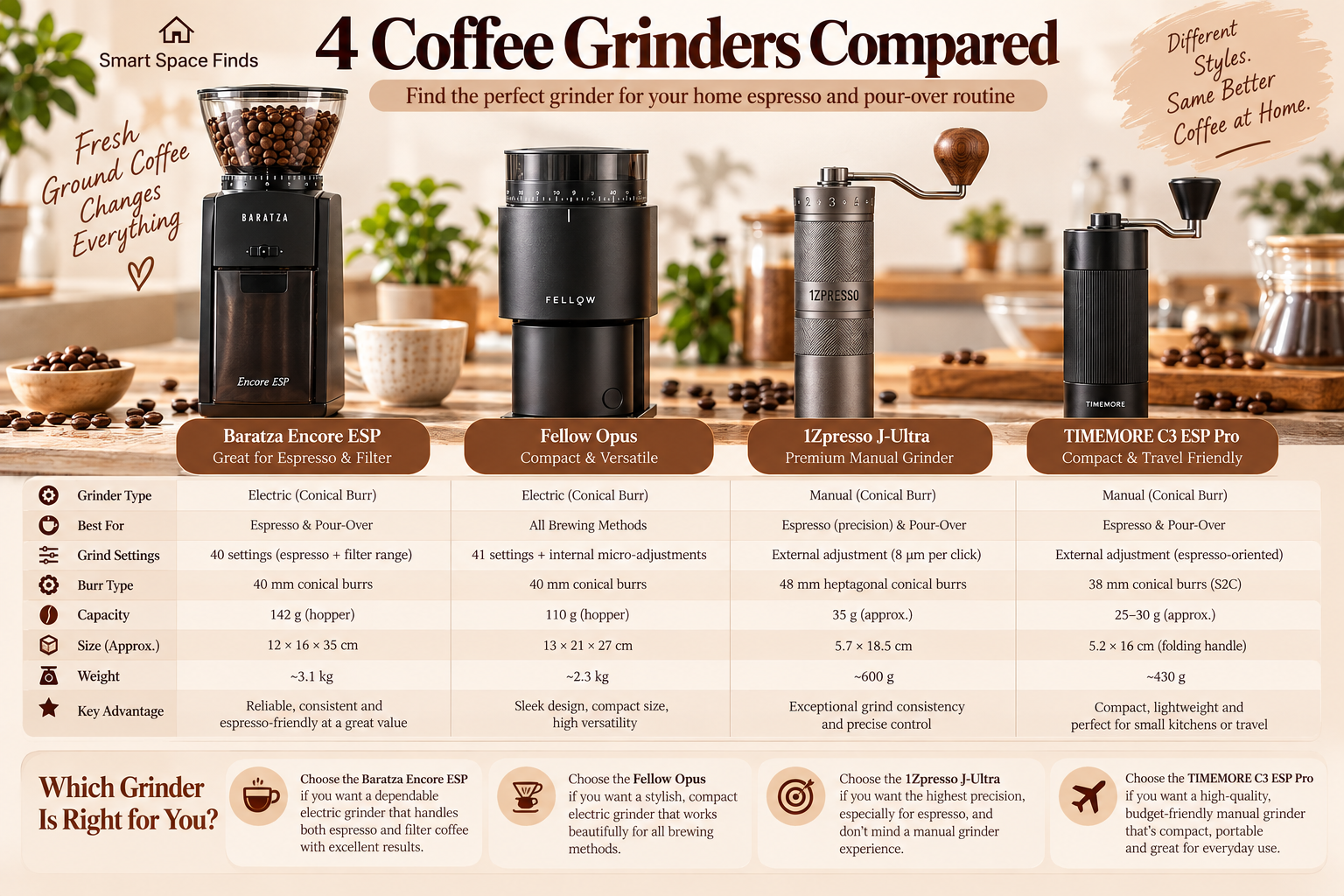
Espresso needs fine control over small particle-size changes because tiny adjustments can shift shot flow significantly. Pour-over generally uses a coarser grind and benefits from consistency and repeatability. The difference is why a grinder that does excellent filter coffee is not automatically an excellent espresso grinder. It also explains why a cheap blade chopper should not be presented as equivalent to a true burr grinder.
Prioritize adjustment range and precision, repeatable settings, burr alignment, retention, ease of cleaning and serviceability. Your budget should include practical extras such as a scale, catch cup, brush and sensible bean storage. A very narrow machine with a hopper that cannot open beneath wall cabinets is not genuinely space-saving.
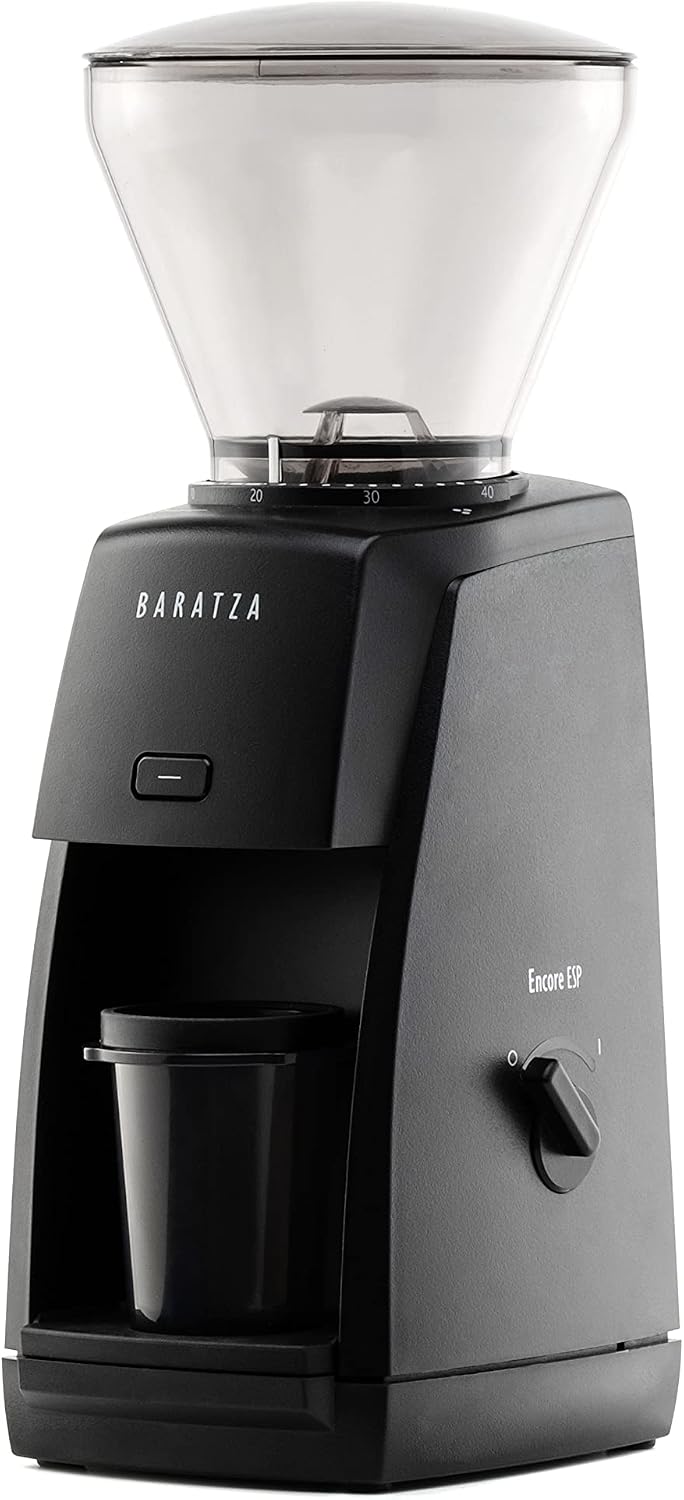
1. Baratza Encore ESP — electric versatility for daily brewing
Best for: households that routinely alternate between an espresso machine and V60, drip or French press, and want clearly marked settings.
The Encore ESP has 40 numbered adjustment positions. Positions 1–20 deliver smaller grind-size changes intended for espresso; 21–40 make larger changes for filter and immersion brewing. Baratza’s manual suggests starting at 15 for espresso, 25 for V60, 28 for automatic drip and 32 for French press. These numbers are starting points, not a guarantee: your beans, roast, basket and recipe can require adjustments. The manufacturer lists a roughly 13 × 15 × 34 cm footprint (width × depth × height) for one regional configuration.
Trade-offs: at approximately 34 cm tall, the grinder needs careful overhead clearance. Electric grinders also produce audible motor noise. Check the voltage and accessories of the exact national listing; US and European versions should not be assumed interchangeable. The basic Encore and Encore ESP are different products.
Small-kitchen tip: place a narrow mat under the grinder, measure hopper access beneath cabinets, and leave room to remove the catch bin or dosing cup without shifting the entire coffee station.
2. Fellow Opus — an approachable compact multipurpose grinder
Best for: design-conscious coffee drinkers who want espresso-to-filter flexibility in one electric grinder and do not mind learning the adjustment system.
The original Fellow Opus uses 41 marked outer settings plus an internal micro-adjustment system, with a coarse-to-fine range spanning several brew methods. The inner ring matters when dialing espresso more precisely. Fellow guidance treats the espresso region of the outer dial as a starting range and notes that the appropriate setting depends on beans, humidity and espresso basket design. Avoid copying another person’s setting as if it were universal.
Trade-offs: switching back and forth from very fine espresso grinding to pour-over may involve more adjustment and calibration than some users expect. The original Opus and Opus 2 do not share exactly the same dial interface; verify the product generation carefully before purchasing.
Small-kitchen tip: use a measured single-dose routine and keep bags of beans in a cupboard rather than cluttering the area around the grinder.
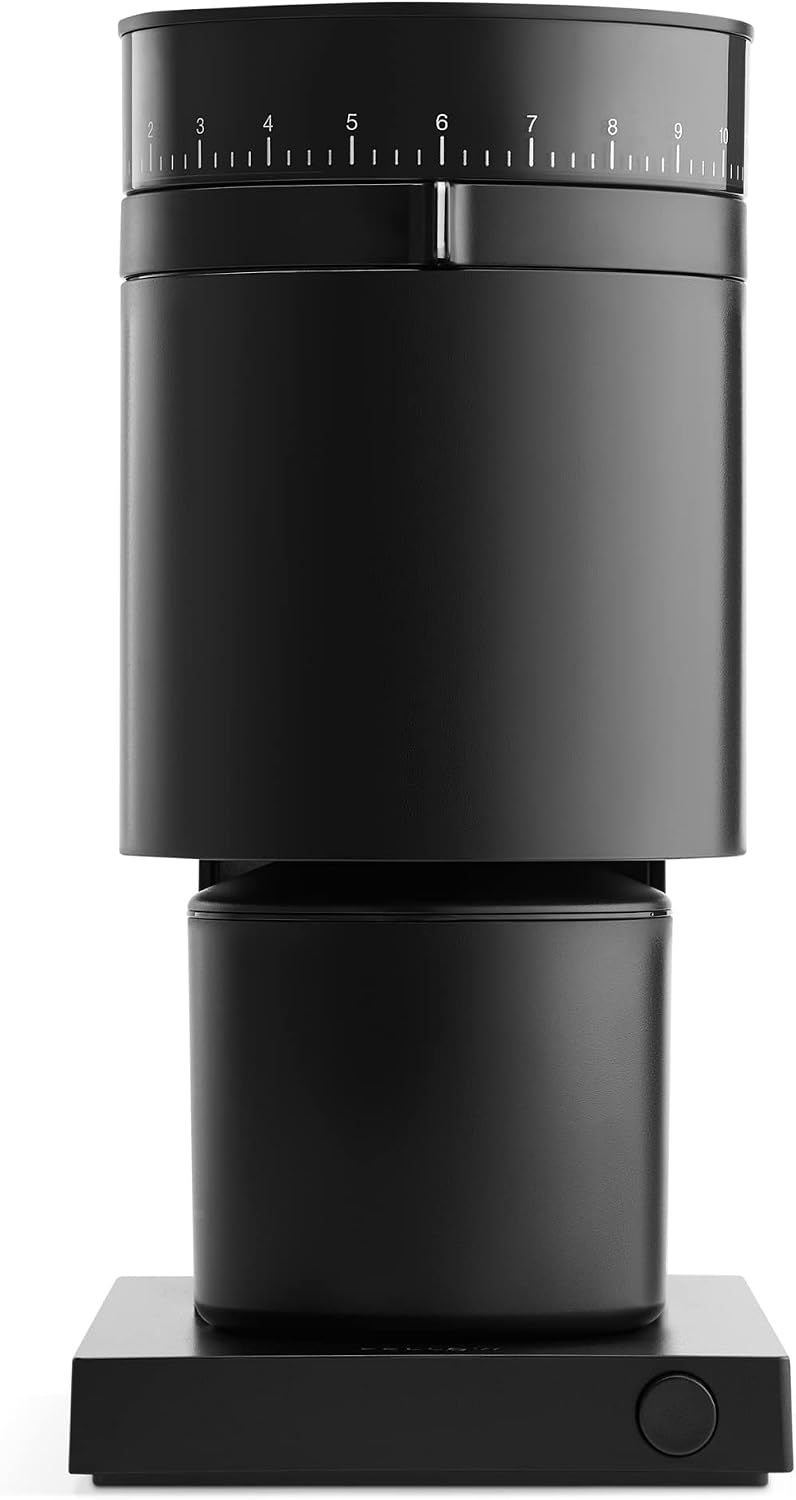
3. 1Zpresso J-Ultra — precise hand grinding for espresso lovers
Best for: espresso-first coffee drinkers who value a compact hand grinder, very small adjustment increments and less permanent counter equipment.
The J-Ultra uses a fine external adjustment system with increments commonly specified at approximately 8 microns per click and a 48 mm burr set. Its design prioritizes espresso dialing rather than motorized convenience. It can serve coarser methods as well, but buyers who primarily brew large carafes of filter coffee may prefer a different model optimized for faster hand grinding and filter-focused particle distribution.
Trade-offs: every cup requires manual effort, and grinding especially light roasts for espresso can be tiring. The removable catch cup and adjustment mechanism should be kept clean and dry. Unlike an electric grinder, no outlet or motor is needed.
Small-kitchen tip: store the grinder upright in a drawer or dedicated coffee tray and keep the handle protected. It is particularly appealing when the counter cannot accommodate another appliance.
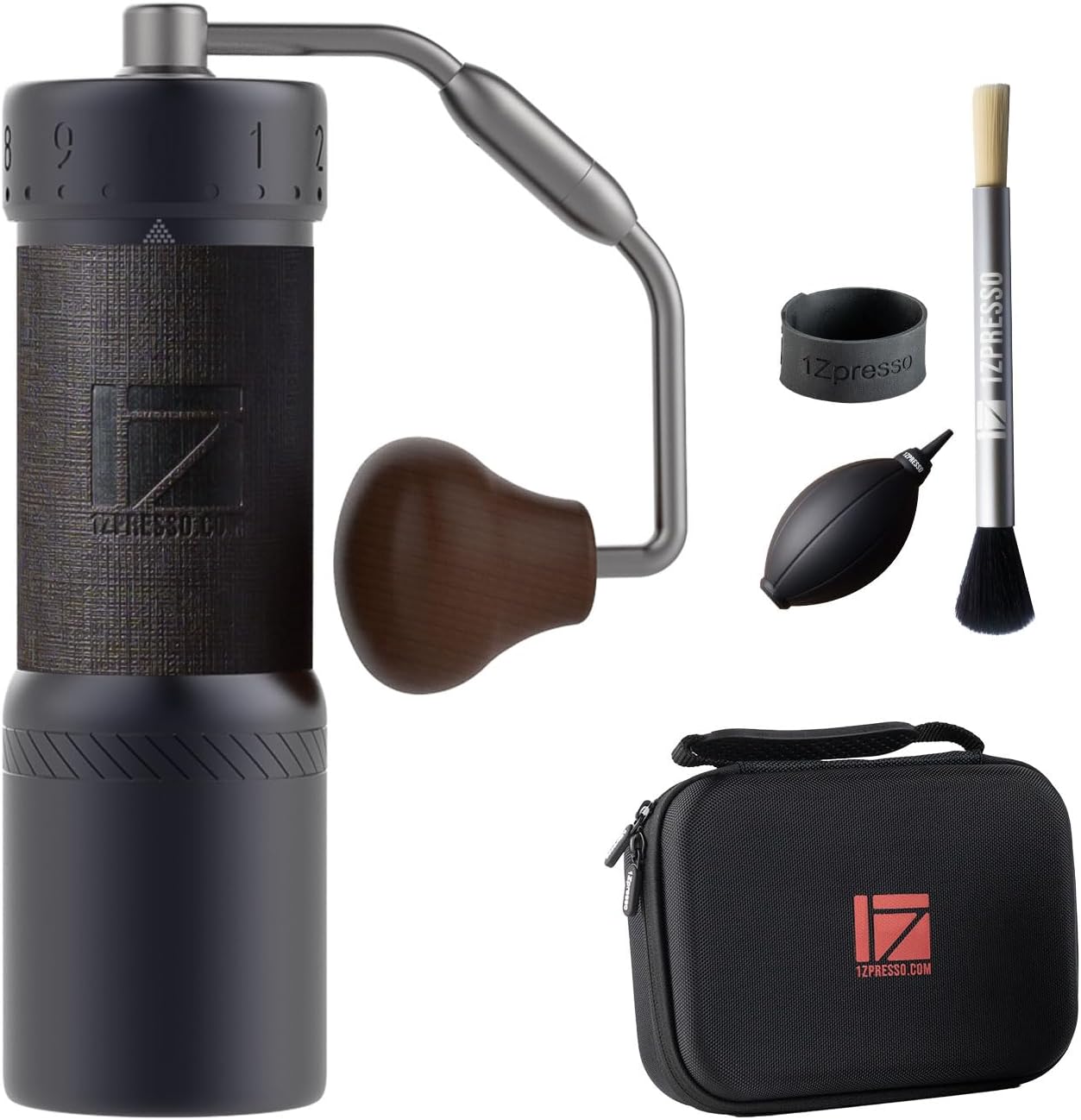
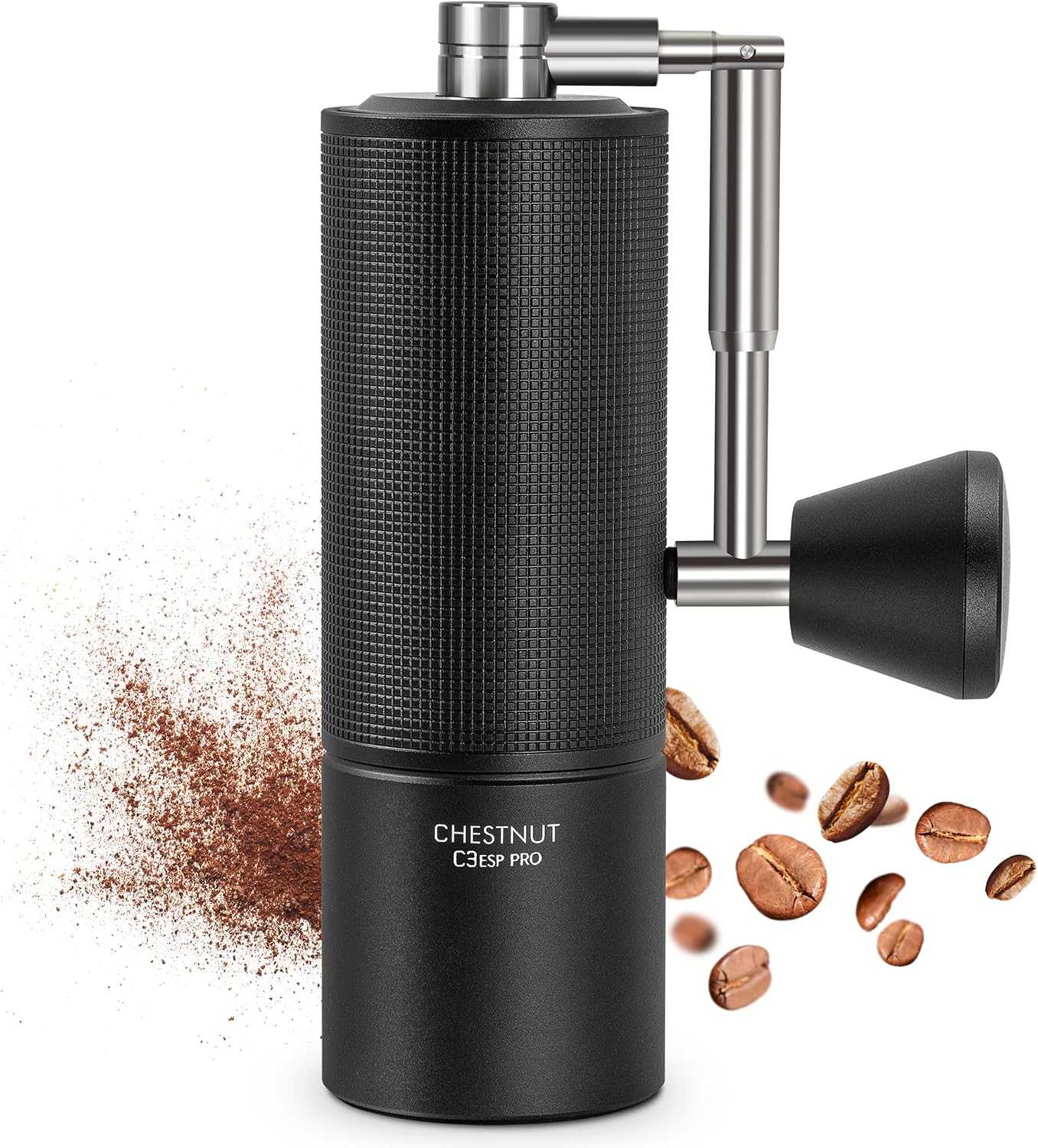
4. TIMEMORE Chestnut C3 ESP Pro — portable manual flexibility
Best for: occasional espresso and filter drinkers who want a space-conscious burr grinder and prefer to avoid an electric appliance.
The C3 ESP Pro belongs to TIMEMORE’s manual Chestnut family, but its adjustment system and folding handle should not be confused with every grinder carrying the broader C3 name. Look for an exact listing that specifies C3 ESP Pro. It offers manual control and compact storage, making it useful for travel, small apartments or a secondary coffee setup.
Trade-offs: manual grinding takes time. Espresso fine-tuning also varies by basket type and beans. Compare its adjustment increments, handle format and catch capacity against the exact seller listing rather than relying on a generic C3 description.
Small-kitchen tip: for two or more large filter servings every morning, consider whether the effort of repeated hand grinding still fits your routine.
Espresso vs pour-over: where to start
| Method | General grind direction | What to adjust after brewing |
|---|---|---|
| Espresso | Fine with small incremental changes | Flow rate, dose, yield and taste |
| V60 pour-over | Medium-fine to medium | Drain-down, clarity and bitterness |
| Automatic drip | Medium | Extraction and total brew duration |
| French press | Medium-coarse to coarse | Sludge, body and steeping routine |
Numbers printed on different grinders are not interchangeable. A setting of 15 on one machine is not a standardized particle size that can be copied to another. Change one variable at a time and taste the result.
Noise, cleaning and retention: daily-life buying factors
Electric machines can be convenient but noisy during early mornings. Manual grinders avoid motors, although they are not silent when beans break between the burrs. Grounds can stick inside either type due to static or retention. A grinder that is awkward to open and brush may be frustrating regardless of its specifications. Check whether the burr carrier is removable for maintenance, whether replacement parts are available, and whether the manufacturer’s cleaning directions prohibit water on the burrs or motor housing.
Do not rely on unsupported claims such as “zero retention,” “silent,” or “perfect consistency.” Those are performance claims requiring reproducible testing. Favor clearly described mechanisms and simple maintenance instead.
Plan your small-kitchen coffee zone
40 cm of usable counter: a hand grinder and compact coffee maker may be easier to organize than two permanent electric appliances. 60 cm: one slim electric grinder plus a brewer can work if handles, hopper clearance and wall outlets are positioned sensibly. 90 cm: you may have room for a grinder, scale, kettle and small preparation tray. These are planning scenarios, not product-specific fit guarantees.
Measure the height beneath upper cabinets, the space needed to remove the hopper, and the room required for a portafilter or dosing cup. If your machine requires access to a rear water tank, leave that area clear. Keep bean bags out of direct sunlight and away from cooking heat.
Five-minute grinder buying checklist
Use this checklist before choosing a grinder or clicking an Amazon product link. Confirm that the listing matches the exact model generation, not just the manufacturer name.
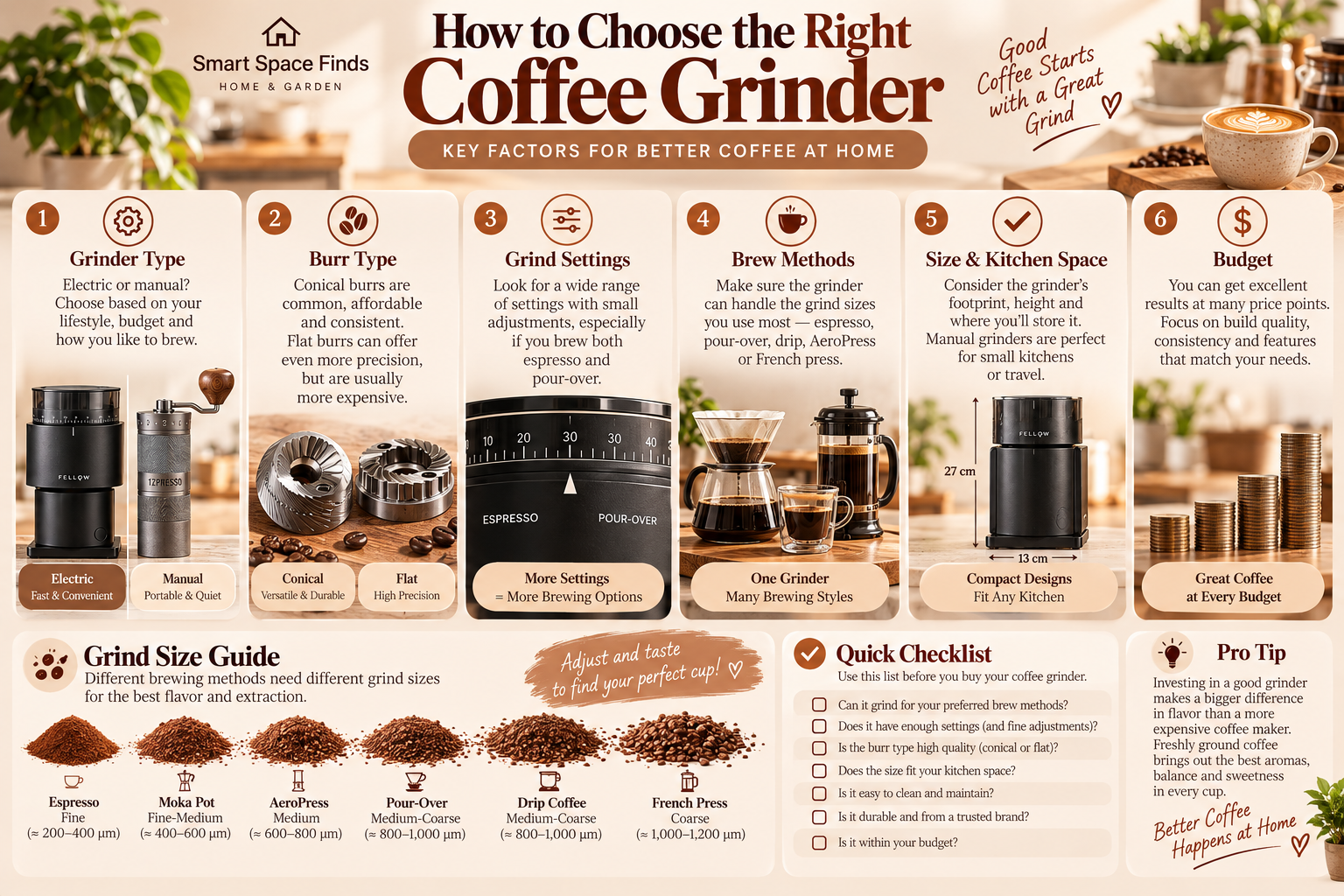
- Define your main method: espresso, filter, or a genuine mix of both.
- Choose electric or manual: balance convenience against effort and counter space.
- Verify the exact model: ESP is not the same as Encore; Opus generations differ.
- Measure clearances: especially hopper height and dosing-cup access.
- Check region and service: voltage, warranty and replacement parts.
- Reserve budget for maintenance: brush, scale and quality beans.
Frequently asked questions
Can one grinder really do espresso and pour-over?
Yes, but it should have adequate range and sufficiently fine adjustments for your espresso equipment. Some designs are stronger at one method than the other. Check that the exact grinder supports the basket and brewing routine you use.
Are burr grinders better than blade grinders?
For controlled espresso and repeatable pour-over, a burr grinder’s adjustable mechanical spacing is generally a much better match than a blade grinder’s chopping action.
Do I need a separate grinder for espresso?
Not always. If you alternate methods frequently, a versatile grinder can be the most practical purchase. If you brew espresso every day and filter only occasionally, an espresso-focused grinder might make more sense.
Is a manual grinder suitable for everyday use?
For one or two servings, many people enjoy the ritual. For frequent milk drinks, large doses or multiple coffees back to back, electric grinding can be considerably more convenient.
What is the right setting for V60 or espresso?
Begin with the manufacturer’s guidance, then adjust for beans, roast, dose and taste. For example, Baratza lists Encore ESP starting points of 15 for espresso and 25 for V60, but the right result is recipe-dependent.
Which grinder takes up less counter space?
Manual grinders are easiest to store away. Among electric options, compare actual width, depth and height, plus the room needed to lift the bean hopper lid.
Quick Decision Guide: Which Grinder Fits Your Routine?
- Espresso and pour-over every week: Start with the Baratza Encore ESP.
- One compact electric grinder for several brew methods: Consider the original Fellow Opus.
- Manual espresso dialing with fine adjustments: Look at the 1Zpresso J-Ultra.
- Minimal counter space or travel: Compare the TIMEMORE C3 ESP Pro.
These are workflow-based recommendations, not head-to-head laboratory performance rankings. Check regional voltage for electric models and exact Amazon listings before ordering.
Our practical recommendation and related reading
Choose Baratza Encore ESP if you want a clearly structured electric espresso/filter workflow, Fellow Opus for an alternative multipurpose electric format, 1Zpresso J-Ultra for a manual espresso-first setup, or TIMEMORE C3 ESP Pro for a compact hand-grinding option. The best purchase is the one you can maintain, fit in your kitchen and dial in consistently.
Pair your grinder with our coffee storage container buying guide, compact coffee machine guide and small-kitchen coffee station ideas.
Editorial transparency and affiliate disclosure
This is an independently written comparison based on published product descriptions and operating instructions, not a report of hands-on product testing. Specifications, model generations, accessories and prices can change. Four product photographs and affiliate preview cards are included. Each affiliate URL resolves to the ASIN listed in its card; verify the precise product version and accessories on Amazon before ordering.
Amazon affiliate disclosure: As an Amazon Associate, Smart Space Finds earns from qualifying purchases. We may receive a commission at no additional cost to you. This guide includes four Amazon product affiliate links. Photos and AI illustrations are visual references; confirm the exact version and accessories on the linked product page.