
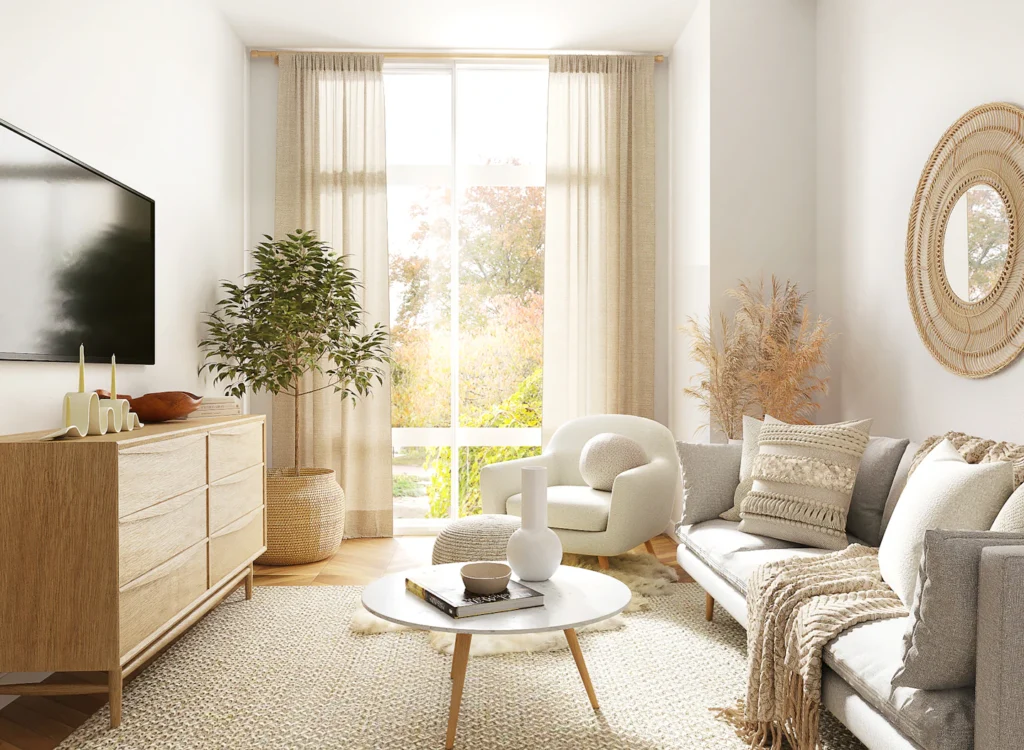
THE SMART HOME EDIT / BUDGET UPGRADES
Before you replace cabinets, floors, furniture, or fixtures, try the smaller change that solves the actual problem. These five affordable alternatives can make a home feel more considered—without turning a refresh into a renovation.
Quick answer: The most practical affordable home upgrades are refreshed cabinet hardware, a smarter furniture arrangement, a well-fitted area rug, targeted task lighting, and repurposed storage—provided the underlying surfaces and furniture are sound. Start with a no-cost test, then compare full costs before you buy.
An expensive home project often begins with an ordinary frustration: a dim kitchen counter, tired cabinet doors, an awkward living room, or a corner that never stays organized. Yet the first proposed solution is frequently the biggest one. A better starting point is to identify the specific result you want, then compare the least disruptive options that could deliver it.
Quick comparison: expensive upgrade vs. smarter first move
| Expensive idea | Try this first | Best when | Skip the shortcut when |
|---|---|---|---|
| Replace kitchen cabinets | Refresh cabinet pulls or knobs | Doors and boxes are sound | Hinges, finishes, or cabinet structure are failing |
| Buy all-new furniture | Rearrange the existing layout | Circulation or visual balance is the issue | Furniture is damaged or unsuitable |
| Replace flooring | Use a properly secured area rug | Flooring is safe but visually tired | Water damage, lifting surfaces, or trip hazards exist |
| Install new fixtures or rewire | Add focused plug-in task lighting | A particular surface needs better light | Electrical defects require a qualified professional |
| Purchase a storage system | Reposition a suitable existing shelf | The shelf fits the load and space | It is unstable or cannot be secured safely |
1. Refresh the cabinet hardware—not the entire kitchen
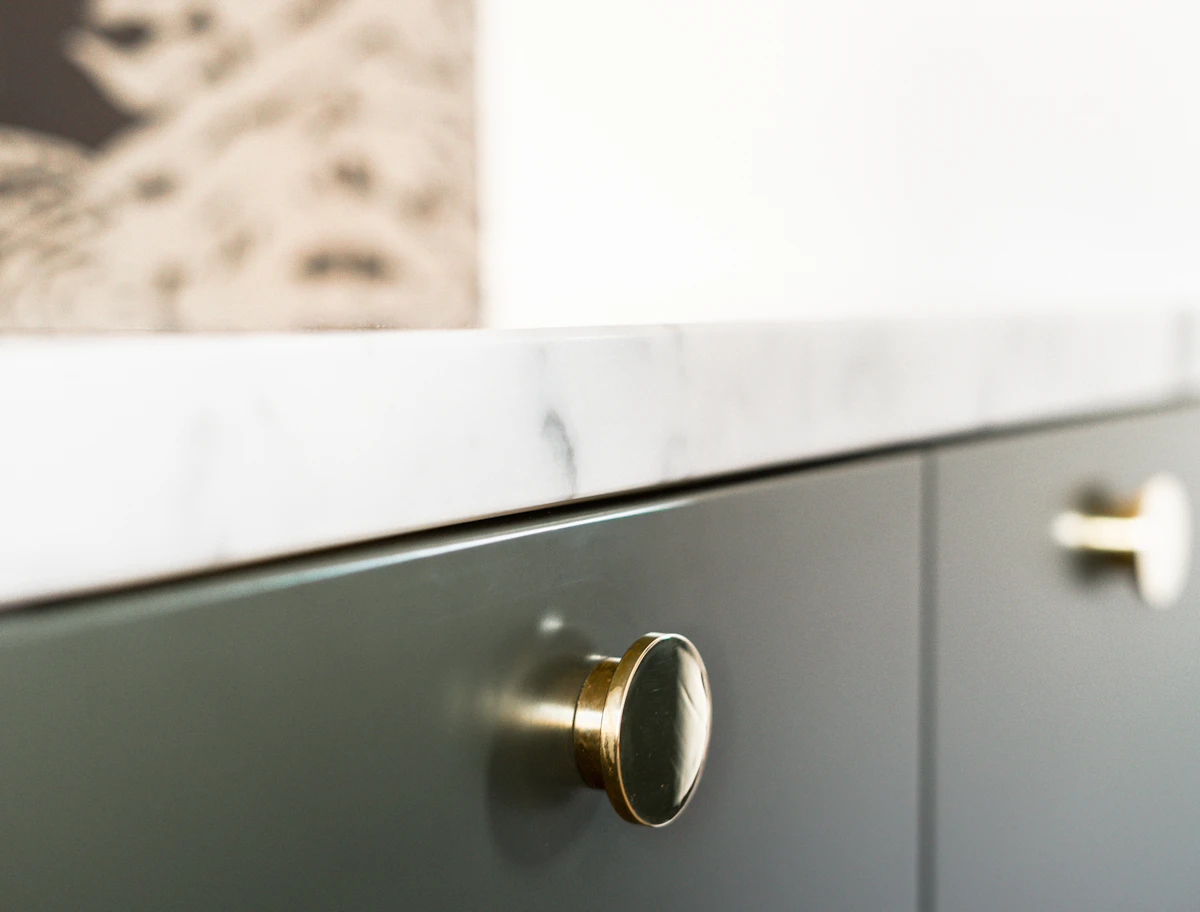
Best for / sound cabinets with dated details
Cabinet hardware is a small visual element repeated across a whole room. Replacing mismatched or worn knobs and pulls with a consistent finish can create a calmer kitchen or bathroom without replacing cabinetry. The most polished look is usually restrained: one main finish, consistent proportions, and handles that are comfortable to grip.
Before you order
- Measure the center-to-center distance between existing screw holes, not the overall handle length.
- Count every cabinet and drawer, then order one test piece before committing to a full set.
- Check door thickness, screw length, and clearance near adjoining drawers and appliances.
- For rentals, check lease restrictions and store the originals for reinstallation.
Worth it when: the cabinets work well and only the visual finish feels dated. Not worth it when: doors sag, components are damaged, or moisture has compromised the material.
Cabinet Hardware Edit
Optional products to compare after measuring your space and checking suitability.
As an Amazon Associate, Smart Space Finds may earn from qualifying purchases made through these links, at no extra cost to you. Check product dimensions, compatibility, seller, and availability before ordering.
2. Fix the furniture layout before buying anything new

Best for / rooms that feel cramped or disconnected
A room can feel expensive to fix simply because the furniture sits in the wrong places. Begin by removing one unnecessary piece and identifying the natural walking routes. Then turn seating toward a focal point, leave access to doors and storage, and place everyday objects within comfortable reach.
Photograph two possible arrangements from the same viewpoint and live with your preferred option for a week. Photos can reveal awkward spacing and visual clutter more clearly than a quick glance.
Worth it when: you already own usable furniture. Not worth it when: the piece itself is unsafe, severely uncomfortable, or too large for the room. For a more cohesive look once the layout is working, see our guide to choosing a home color palette.
3. Layer a rug over sound flooring instead of replacing it
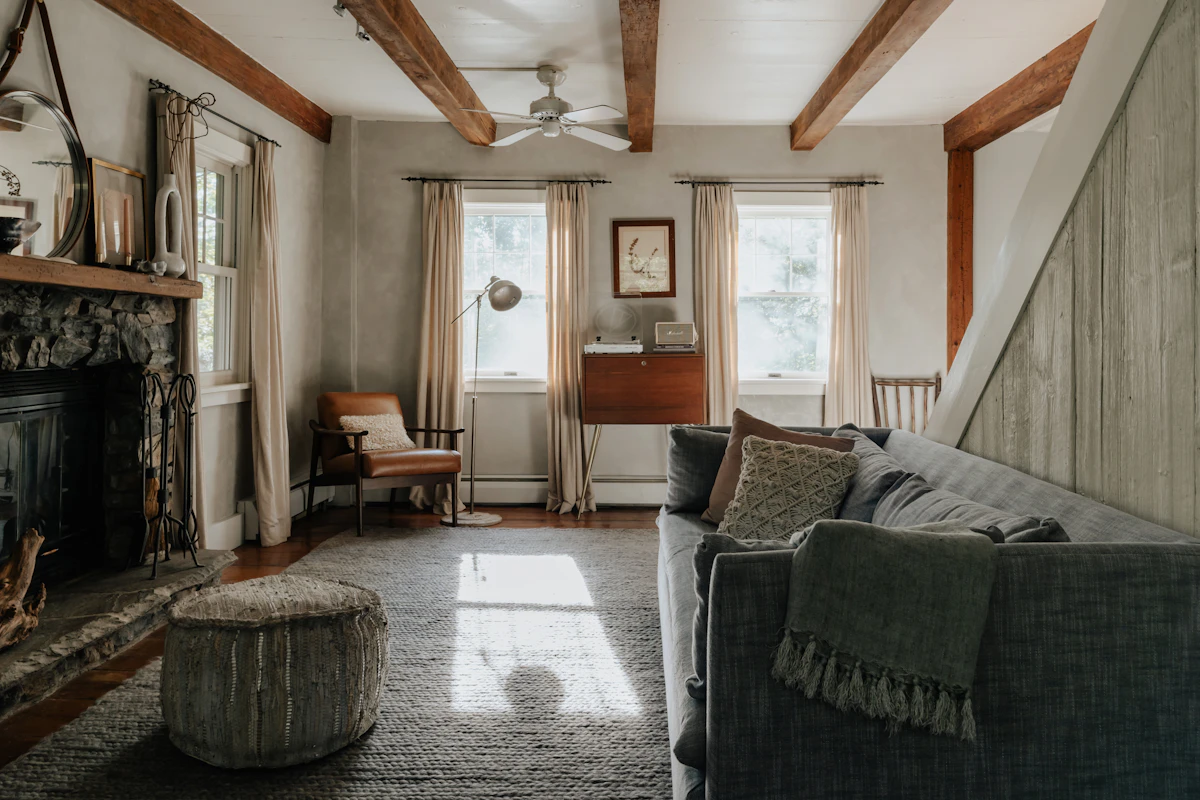
Best for / adding warmth, zoning, or texture
An area rug can define a seating zone, soften acoustics, and bring color into a room with very little disruption. For a cohesive living room, test a size that connects the main seating pieces rather than leaving a tiny floating island in the middle. Tape the proposed rug footprint on the floor before buying.
Choose an appropriate nonslip rug pad for the existing floor finish, and confirm cleaning and care requirements. Do not cover loose boards, lifting tiles, water damage, or uneven transitions: those problems need assessment first.
Worth it when: the existing floor is secure and the desired improvement is mainly aesthetic or tactile. Not worth it when: the rug would hide a maintenance or safety problem.
Rug & Floor Comfort Edit
Optional products to compare after measuring your space and checking suitability.
As an Amazon Associate, Smart Space Finds may earn from qualifying purchases made through these links, at no extra cost to you. Check product dimensions, compatibility, seller, and availability before ordering.
4. Add task lighting before planning electrical work
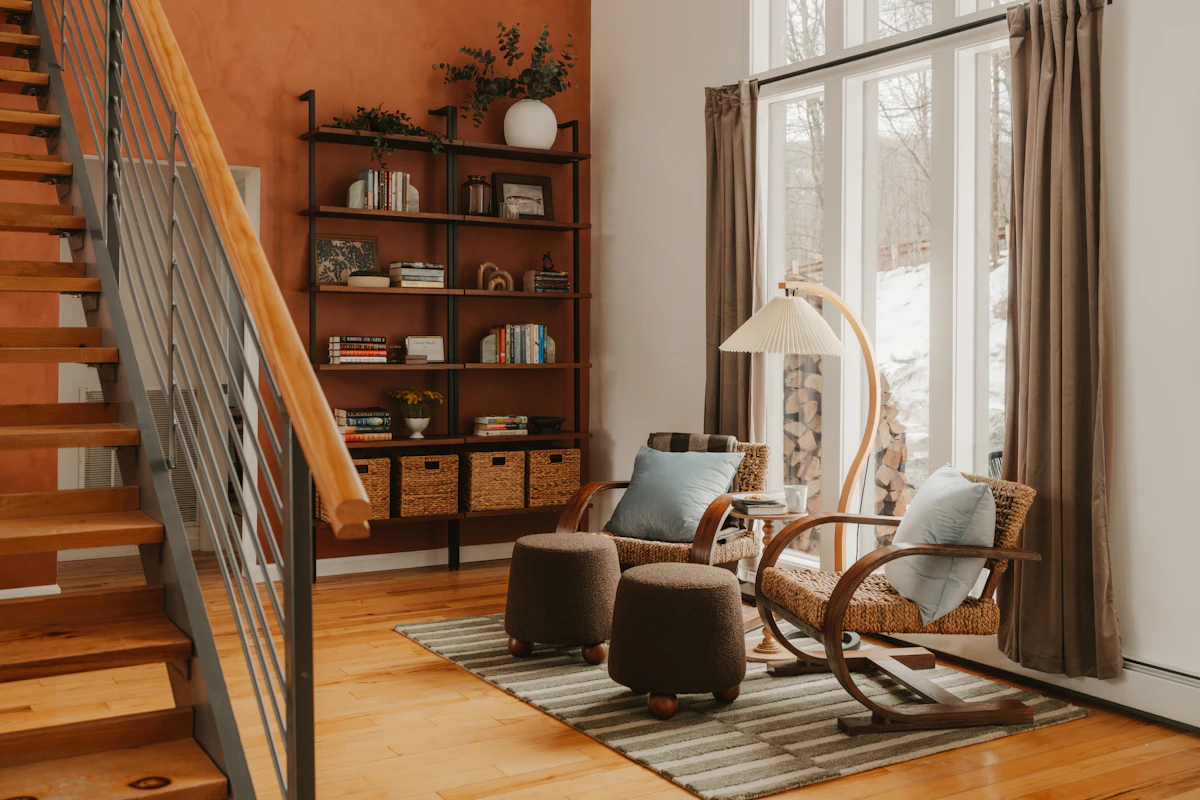
Best for / dark reading, cooking, and work areas
More ceiling light is not always better light. A kitchen counter can still be shadowed by your body, and a reading chair may feel dim even in a bright room. A well-positioned desk lamp, floor lamp, or suitable under-cabinet light focuses illumination where it matters.
Compare fixture dimensions, intended use, lumens, bulb compatibility, color appearance, and whether the cord can be routed safely. Keep cords away from water, heat, pinch points, and walking paths. Have damaged outlets, faulty wiring, and hardwired installations handled by a qualified electrician.
Worth it when: you need localized light and already have a safe power source. Not worth it when: the issue is an electrical fault or unsafe wiring. If comfort is the goal, our small-home comfort guide offers additional low-effort ideas.
Task Lighting Edit
Optional products to compare after measuring your space and checking suitability.
As an Amazon Associate, Smart Space Finds may earn from qualifying purchases made through these links, at no extra cost to you. Check product dimensions, compatibility, seller, and availability before ordering.
5. Reuse a shelf to solve the actual storage bottleneck

Best for / a cluttered corner with suitable existing furniture
Before buying a cabinet, take inventory of the things that regularly accumulate in one spot. A shelf that is underused in a bedroom may become a practical landing station elsewhere. Group items by frequency of use, reserve easy-to-reach space for daily essentials, and avoid buying baskets until you have measured the shelf.
Check manufacturer load limits, wall materials, brackets, and the suitability of the shelf for its new location. Freestanding furniture with shelves, drawers, or doors should be appropriately anchored against tip-over hazards; see the U.S. CPSC Anchor It guidance.
Worth it when: the existing piece is in good condition and genuinely fits the need. Not worth it when: stability or load capacity cannot be established. For another approach to daily clutter, read how to make your home feel less cluttered.
Storage Solutions Edit
Optional products to compare after measuring your space and checking suitability.
As an Amazon Associate, Smart Space Finds may earn from qualifying purchases made through these links, at no extra cost to you. Check product dimensions, compatibility, seller, and availability before ordering.
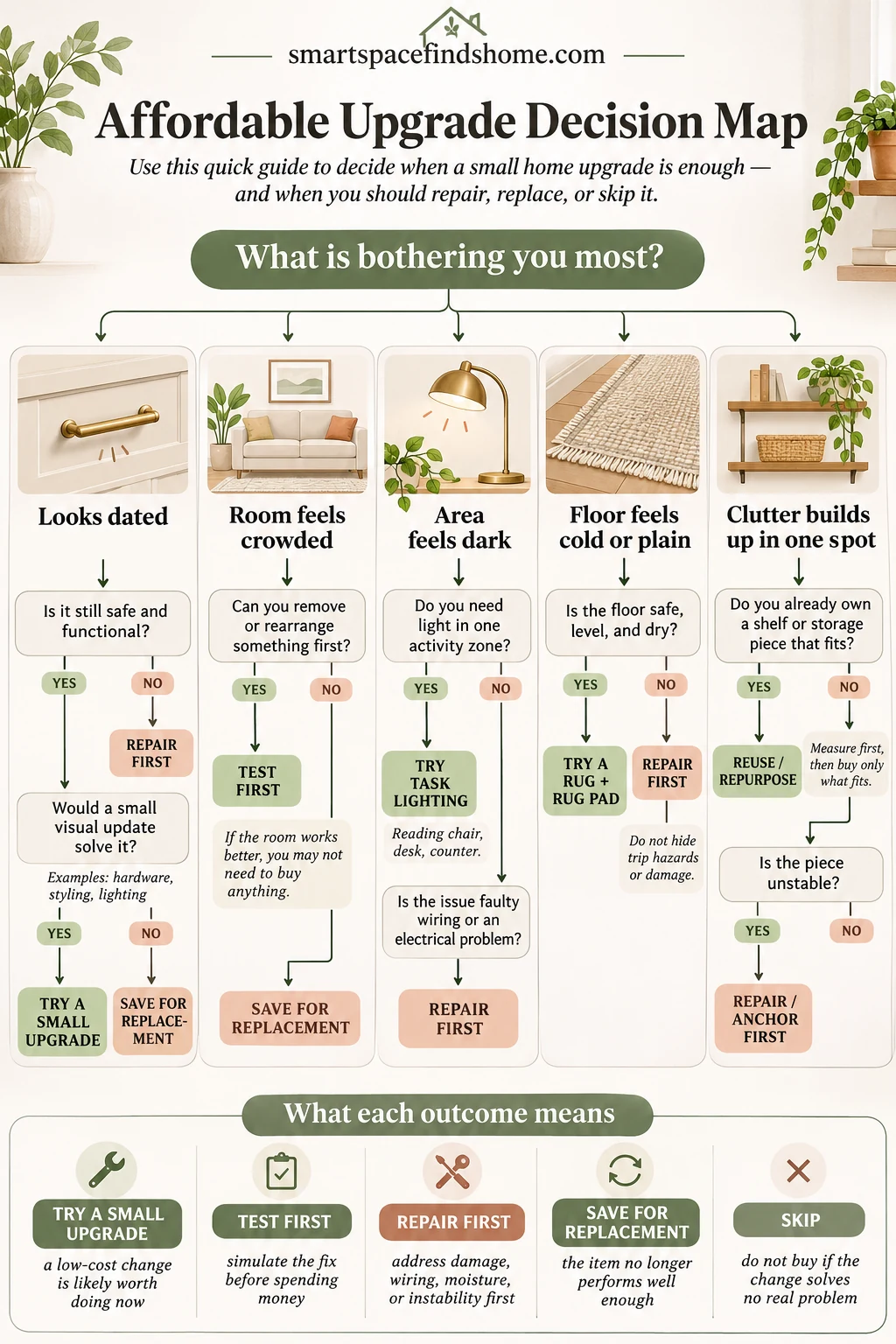
The Upgrade Filter: a 5-minute decision tool
Before adding an item to your cart, score your proposed change against five questions. This is an editorial decision aid, not a tested purchasing formula.
What should you upgrade first? Start with the room’s main frustration
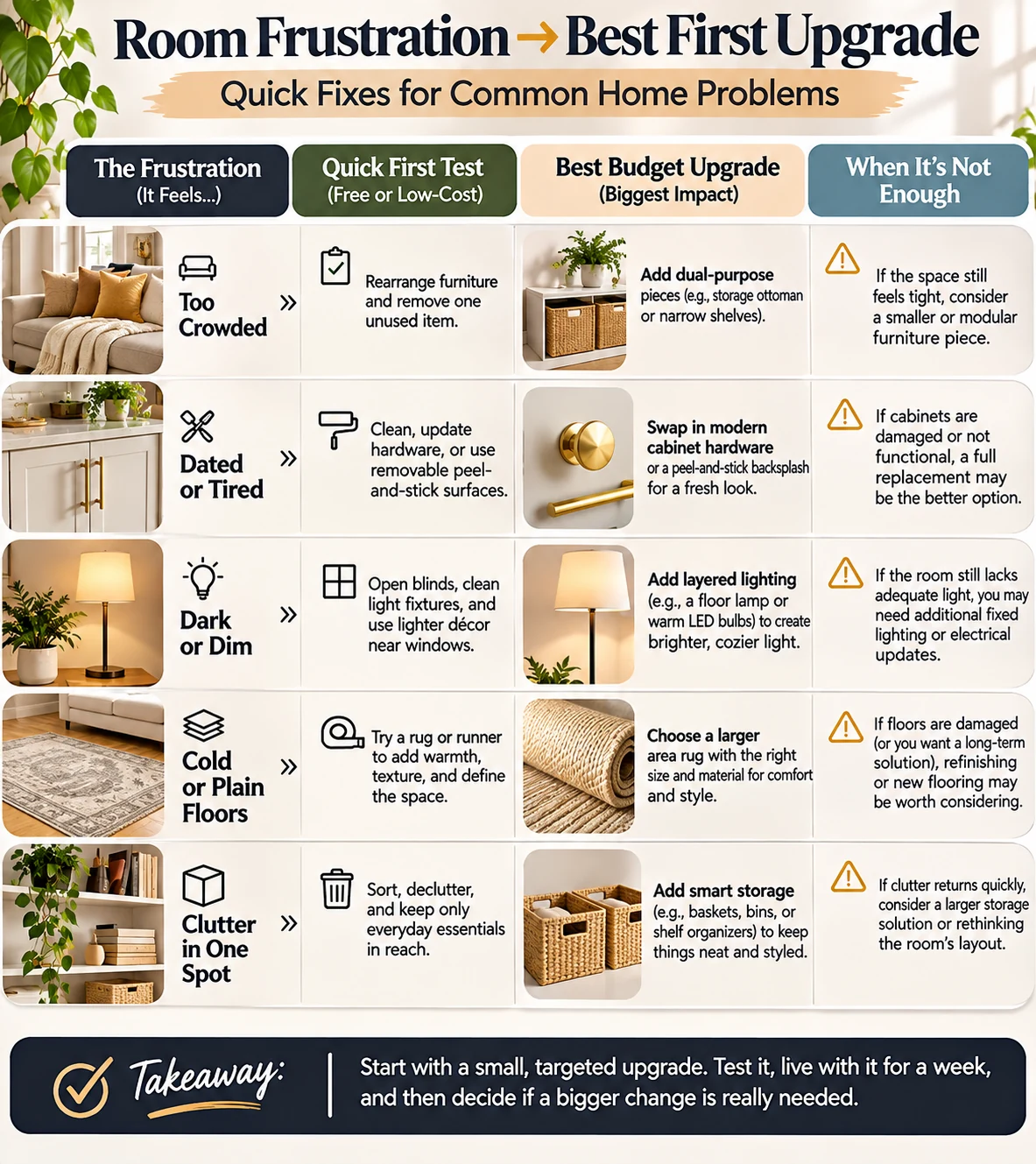
| What you notice | First test | Potential purchase later |
|---|---|---|
| The room feels crowded | Remove and rearrange one piece | Only a correctly sized replacement |
| The kitchen looks dated | Clean and assess the current hardware | Measured pulls or knobs |
| Evenings feel gloomy | Move an existing lamp to the activity zone | A compatible task light |
| The floor feels visually cold | Tape out a rug size | Rug and floor-compatible pad |
| Everyday items pile up | Move a shelf and edit the contents | Only containers of measured dimensions |
The Real-Cost Worksheet: is the smaller upgrade actually cheaper?
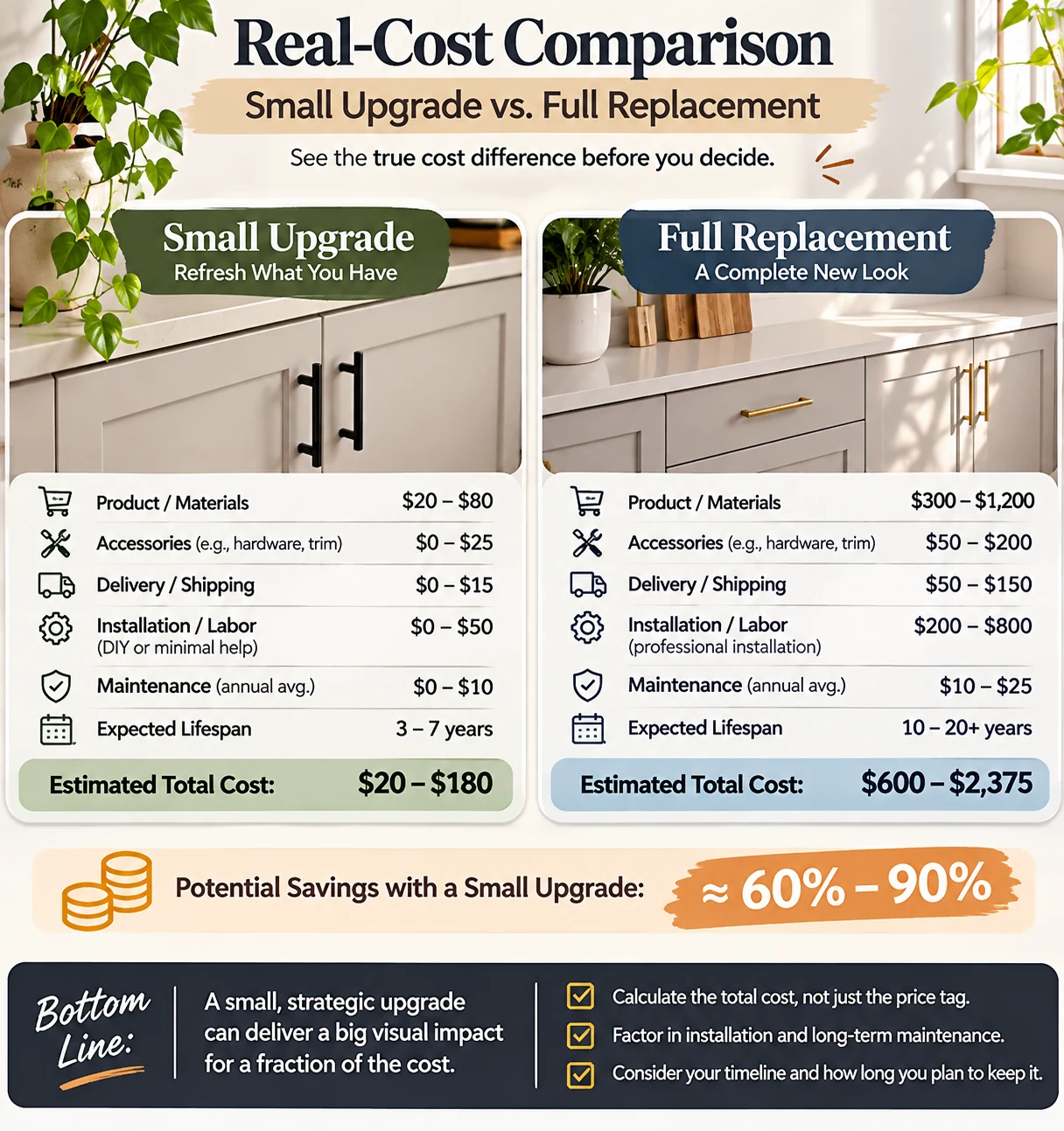
A low sticker price is not the same as a low project cost. Compare what it takes to get a usable result, not simply what is in the shopping cart. If an option requires professional installation or repeated replacement, include that expense.
| Cost to include | Smaller alternative | Full replacement |
|---|---|---|
| Item or materials | ________ | ________ |
| Required accessories | ________ | ________ |
| Delivery and disposal | ________ | ________ |
| Labor or installation | ________ | ________ |
| Maintenance / expected replacement | ________ | ________ |
| Total cost for the planned period | ________ | ________ |
Tip: use the same comparison period for both alternatives. Estimates are personal planning inputs, not advertised prices.
A simple illustrative example
Suppose a set of cabinet pulls costs $42 and suitable replacement screws cost $8, with no installation charge. The estimated small-project total is $50, not $42. Compare that figure with the complete cost of a cabinet replacement only after considering the condition of the existing cabinetry. These numbers are hypothetical and not current product offers.
The three outcomes
Three budget mistakes that make a cheap upgrade expensive
- Buying before measuring. Cabinet pulls, rugs, lamps, and shelves can all look perfect online but fail in the real room.
- Ignoring extra costs. Rug pads, bulbs, shipping, fasteners, cleaning, and installation change the total.
- Concealing a repair problem. Cosmetic products cannot correct a damaged floor, unsafe furniture, or faulty electrical system.
For a related room-specific project, explore our coffee station ideas for small kitchen counters, where simple storage changes can improve daily routines.
Renter-friendly or homeowner project? Know the difference
Reversibility is a design feature when you rent. A freestanding lamp or a furniture rearrangement is typically simpler to undo than drilling into tile or modifying cabinetry. But “removable” is not automatically damage-free: adhesives can pull paint, and even small screws may need approval. Review your lease and obtain permission whenever required.
| Upgrade | Rental approach | Owner consideration |
|---|---|---|
| Cabinet hardware | Use existing holes if changes are permitted; retain originals | Check hole spacing and worn hinges |
| Furniture placement | Usually reversible | Keep access and circulation clear |
| Area rug | Pair with floor-safe nonslip protection | Assess existing flooring first |
| Task lighting | Choose properly routed plug-in options | Electrical work needs qualified installation |
| Storage shelf | Follow lease and anchoring requirements | Confirm wall type, load and tip-over protection |
Reversible Decor Edit
Optional products to compare after measuring your space and checking suitability.
As an Amazon Associate, Smart Space Finds may earn from qualifying purchases made through these links, at no extra cost to you. Check product dimensions, compatibility, seller, and availability before ordering.
A simple weekend refresh plan
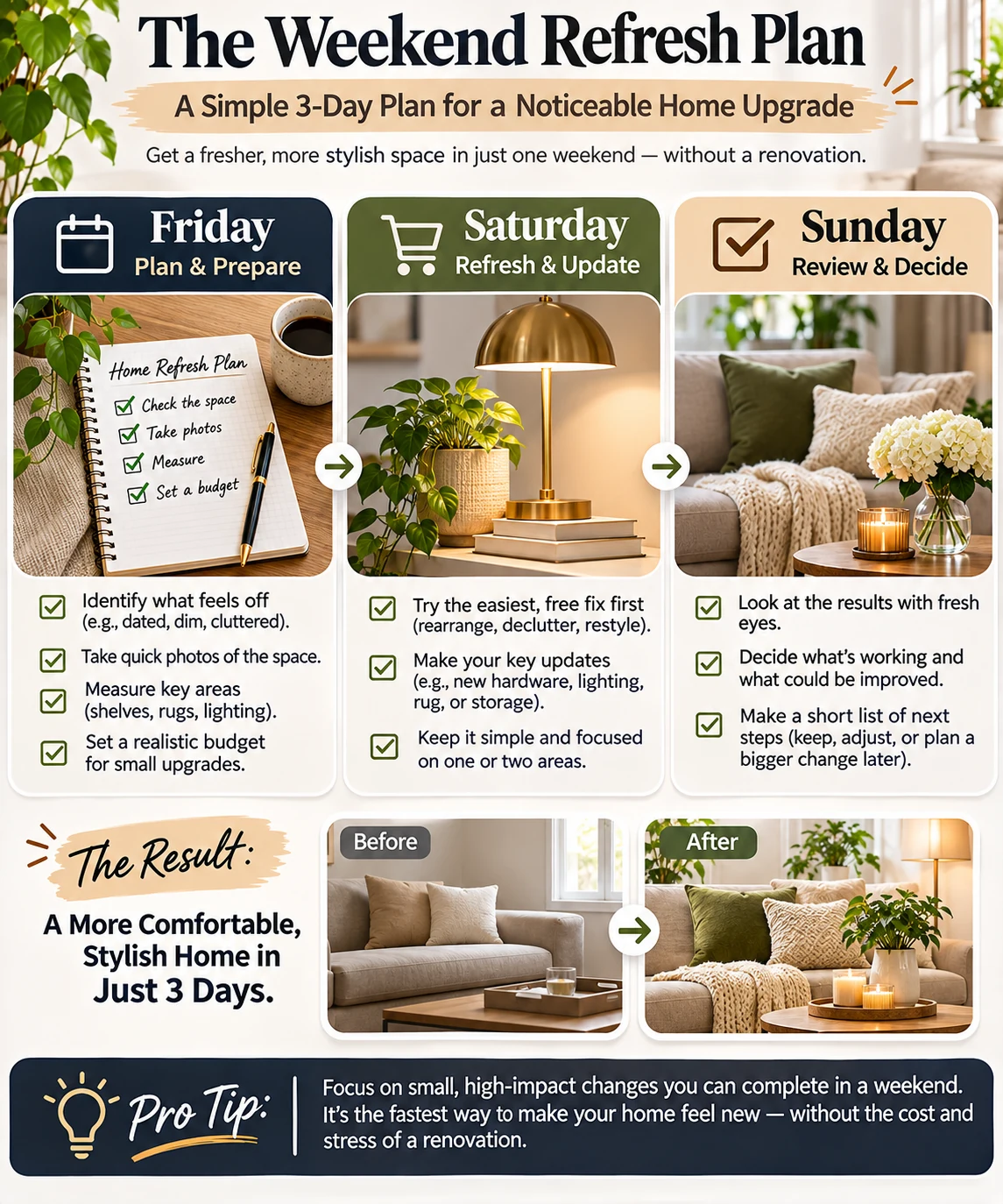
Friday: Choose the one problem that annoys you most. Take a photo and measure the area. Saturday: Test a free fix—move furniture, adjust lighting, edit storage, or deep-clean hardware. Sunday: Reassess. If a purchase still solves a specific need, write down the required dimensions, maximum total cost, and return conditions before shopping.
Frequently asked questions
What is the cheapest way to make a home look more updated?
Start with changes you already own: furniture placement, decluttering, and repositioning lamps. New cabinet hardware or a properly sized rug may help when the current pieces are sound.
Which small home upgrades work in rentals?
Reversible furniture arrangements, freestanding lighting, and many rugs are practical starting points. Check lease requirements before drilling, painting, applying adhesives, or modifying fixtures.
Is peel-and-stick always a good alternative to replacing tile?
No. Surface preparation, moisture, heat, product compatibility, removal, and landlord permission matter. Do not use adhesive coverings to conceal damaged or unsafe surfaces.
Should I buy the lowest-cost option?
Not automatically. Compare lifespan, dimensions, maintenance, safety, replacement parts, and the full price of ownership.
How do I avoid buying upgrades I do not need?
State the problem, try a no-cost alternative, measure the space, and wait before making a nonessential purchase.
EDITORIAL NOTE / HOW WE EVALUATE
We prioritize everyday usefulness, fit, safety, reversibility, and total ownership cost over trend-driven upgrades. This guide uses illustrative planning examples, not tested product rankings, guaranteed savings, or live price comparisons. For supporting perspectives on selective kitchen upgrades and task lighting, see Architectural Digest’s renovation alternatives and its lighting guide. For furniture tip-over prevention, consult the U.S. Consumer Product Safety Commission.
The bottom line
The most successful affordable upgrade is not necessarily the most visible purchase. It is the smallest safe change that makes your home work and feel better. Begin with the room you use most, solve one real friction point, and let the result—not an impulse—tell you what to do next.