

A home reset should make life easier on Monday, not leave you exhausted on Sunday night. This two-day plan focuses on the places you use most rather than trying to organise everything at once.
The sustainable follow-up
One helpful way to decide whether the weekend was successful is to consider three ordinary moments: arriving home, preparing a meal and getting ready for bed. If belongings have predictable locations during those routines, the work has lasting value. If the apartment only looks good when nobody is using it, the system needs refinement. Create storage that works when you are tired or in a hurry, keep the main circulation routes clear and do not demand constant visual perfection. A welcoming home makes room for activity and personality alongside practical order. Review priorities whenever the household’s needs change, rather than starting from scratch every month.
For longer-term progress, choose a small follow-up rather than buying more products immediately. After one week, select a single remaining inconvenience, measure the space and test a reversible adjustment. Make sure the solution is safe, accessible and easy to clean. The process should gradually reduce the work required to maintain the home, not create a growing list of organising obligations.
Choose a realistic goal for one weekend
A weekend home reset is most effective when it addresses a manageable set of problems. Instead of attempting to reorganise the entire apartment, identify three friction points: an overflowing entry, a cluttered kitchen counter or a wardrobe that makes mornings difficult. Choose areas that will meaningfully improve everyday routines when completed.
Set an approximate amount of time for each zone and leave space for rest. An ambitious plan that creates piles throughout the home can make the weekend more stressful. Work through one area to completion before starting the next, so you can stop without leaving the whole apartment disrupted.
Friday evening: walk through the home
Before doing any major sorting, walk through each room with a notebook or phone. Photograph problem surfaces and note where objects tend to accumulate. Ask whether the issue is too many belongings, poorly positioned storage or simply a lack of a repeatable return routine. Different causes require different solutions.
Gather only basic equipment for the next day: suitable bags for donations or recycling, washable containers you already own and the cleaning products appropriate for your surfaces. Do not buy new organisers yet. Measuring and sorting first prevents spending money on products that do not fit.
Saturday morning: clear the primary surfaces
Begin with the kitchen counter, dining table or another heavily used surface. Move items that belong elsewhere directly to their normal locations where practical. Separate things you intend to keep, repair, donate or dispose of responsibly. Avoid filling one large miscellaneous basket and postponing every decision.
Once a surface is clear, wipe it using a suitable product and follow its safety directions. Keep food away from household chemicals and never mix cleaning agents. The immediate goal is restoring an area to its intended use, not arranging objects for a photograph.
Create a functional landing place for everyday essentials
An entrance that gathers shoes, bags and mail can undo the work of an otherwise organised home. Assign a sensible place for keys and frequently used footwear, without blocking the front door or walking route. A mat or small tray may be enough; deep furniture is not always needed.
Keep occasional shoes and seasonal accessories elsewhere when suitable. Sort paper into action, keep and recycle categories, treating personal or sensitive documents appropriately. The arrival system should require little effort when someone comes home with full hands.
Visual inspiration and practical checklist

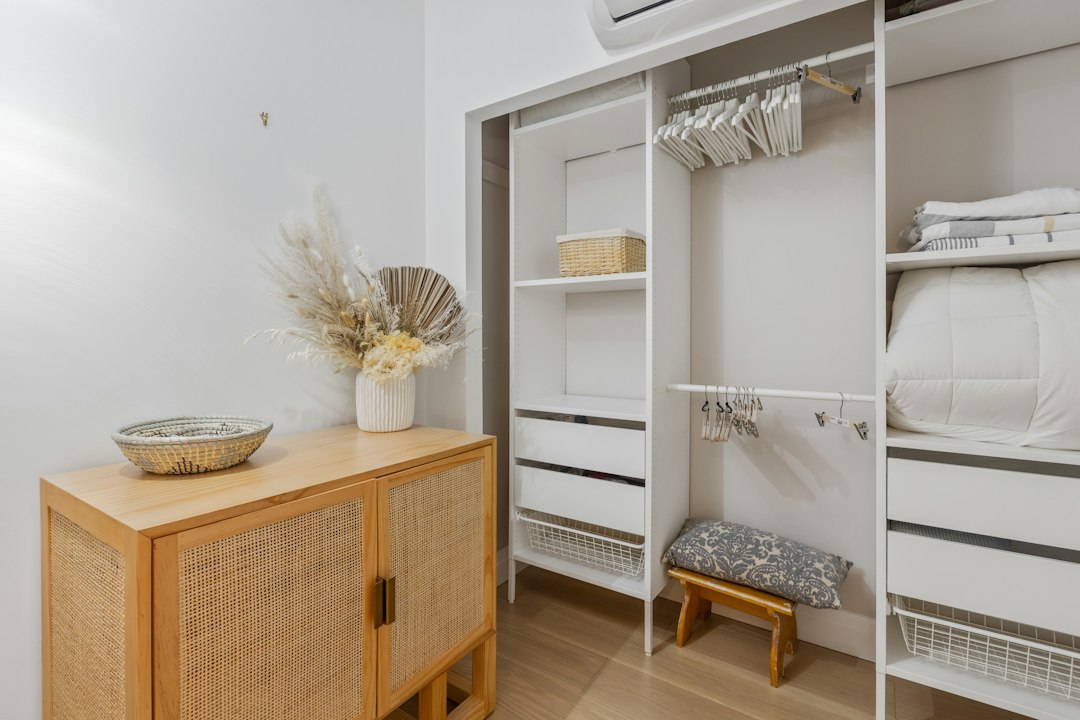
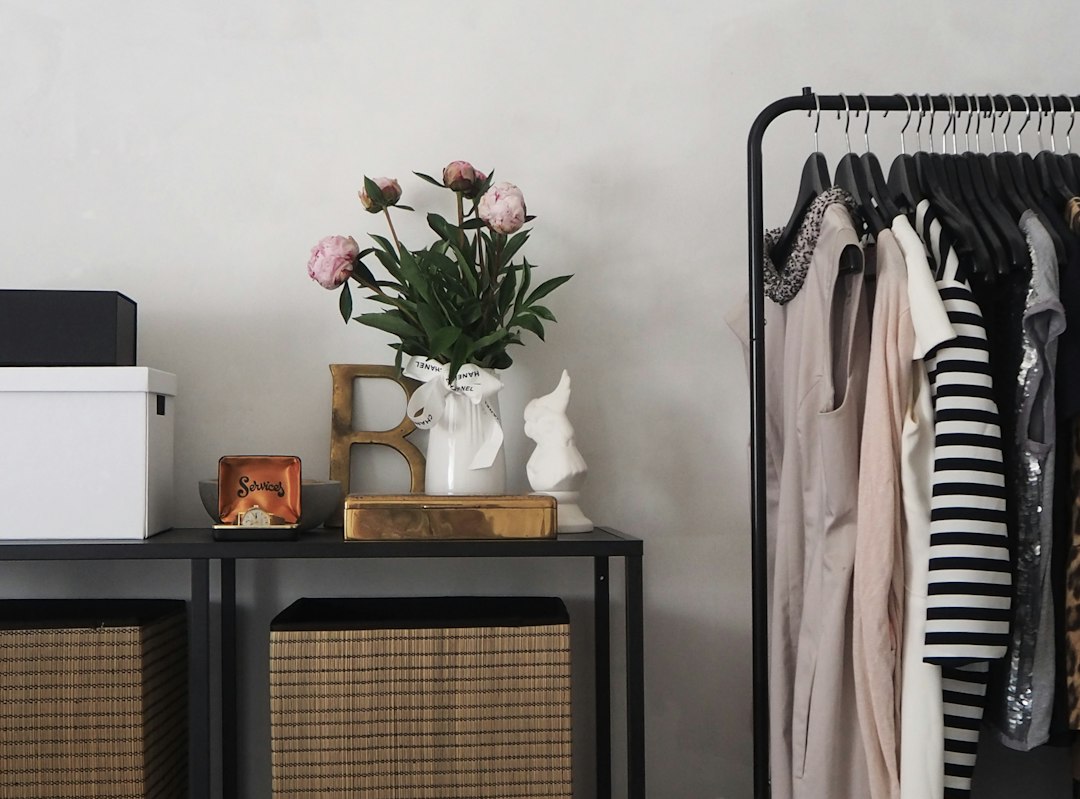
SMART SPACE FINDS · VISUAL CHECKLIST
- Select three problem zones
- Declutter before buying boxes
- Create a short reset routine
Saturday midday: work on one cupboard
Choose the cupboard most likely to affect daily life, such as the pantry, cleaning supply cabinet or main wardrobe section. Remove enough contents to see what is there, then group belongings by how they are used. Measure shelves and door clearances before introducing dividers or bins.
Keep heavy items on stable lower shelves and follow load limits. Food needs suitable storage conditions, and hazardous cleaning products should remain secure in their original labelled containers. Do not conceal plumbing access or leaks with attractive organisers. Practical safety takes precedence over visual uniformity.
Create a keep-donate-repair decision system
An item should be assessed according to usefulness, condition and personal value rather than simply its age. Keep possessions that support your routine or have meaning. Set aside suitable goods for donation or resale, identify objects worth repairing and dispose of unusable items according to local rules.
Do not discard another household member’s belongings without discussion. Avoid leaving donation bags permanently in the hallway; choose a realistic delivery or collection plan. Completion matters more than the number of items removed.
Saturday afternoon: rebuild storage by task
Put belongings back according to the activities they support. Cooking utensils should be near food preparation; daily coats near the entrance; work equipment near a desk or portable kit. Storage that requires several steps for an everyday object will be difficult to maintain.
Use containers only when they improve access or keep categories visible. Shallow trays and removable bins can work well, but do not pack every shelf. Leave enough space to remove items comfortably and preserve necessary ventilation and maintenance access.
Saturday evening: stop before exhaustion
A successful home reset includes a sensible stopping point. Return tools and cleaning supplies to safe storage, clear walking routes and prepare the home for ordinary evening use. Leave unfinished projects contained in one appropriate area rather than scattered across the entire apartment.
Review the first day’s progress and choose one realistic priority for Sunday. Resist extending the plan into a late-night cleaning marathon. The purpose is to create a calmer home, not to impose a demanding new schedule.
Sunday morning: clean once clutter is reduced
With surfaces accessible, focus on ordinary cleaning tasks such as dusting, vacuuming and wiping appropriate areas. Follow product labels, keep electrical equipment safe and avoid using incompatible chemicals together. Ventilate as appropriate for the products and local conditions.
Cleaning is easier after misplaced belongings are returned to their locations. Do not use the reset as an excuse to ignore hidden problems such as dampness, leaks or damaged fittings. Identify issues requiring repair and address them separately.
Sunday midday: adjust light and furniture
A furniture arrangement can feel calmer without renovations. Reposition a chair or side table if it blocks movement, and consider whether tall storage interferes with daylight. Test proposed changes with doors open and seats occupied. Move one major piece at a time so you can evaluate whether it improves the room.
Layer lighting around actual activities, such as reading or cooking, while keeping cords out of walking paths. A thoughtfully positioned lamp may offer more comfort than new decorative objects. Do not choose an aesthetically pleasing layout that makes daily movement awkward.
Sunday afternoon: reintroduce personal touches
A calm home need not be bare. Select meaningful books, art or textiles that contribute to the atmosphere, and give them space rather than crowding every shelf. Repeat a restrained material palette where it suits existing furnishings, but do not replace functional pieces solely to achieve a coordinated look.
A favourite throw, appropriate plant or attractive tray can make a cleared room welcoming without adding unnecessary clutter. Select additions that are easy to clean and maintain. Comfortable everyday use matters more than a perfectly styled photograph.
Build a five-minute daily reset
The most sustainable result of a weekend project is a short maintenance routine. Each evening, return items to their assigned places, restore one key surface and make tomorrow’s essentials easy to find. A five-minute version is useful on busy days; it does not need to become an exhausting checklist.
If the same object repeatedly ends up in the wrong place, reconsider its storage location. A convenient system is easier to maintain than one based on reminders. The daily reset supports the work completed over the weekend without repeating the entire project.
Try a fifteen-minute weekly check-in
Once a week, revisit the three areas that originally caused trouble. Clear the entryway tray, examine the kitchen work surface and make sure laundry has an appropriate route. Note duplicates before shopping and review any donation items that remain to be taken away.
Keep this session separate from deeper cleaning or major decluttering. Dividing tasks helps prevent the routine from becoming unmanageable. A little consistent maintenance will often be more effective than waiting for another large weekend project.
Recognise when a storage idea is failing
Warning signs include bins that cannot be removed, drawers that no longer close, heavy objects stored above comfortable reach and surfaces that collect the same clutter each day. Reassess whether the organiser fits the task and whether the household understands the system.
Do not add another container automatically. Sometimes reducing the number of items or placing essentials closer to their point of use solves the problem more directly. A good organisation plan can change as your routines and needs evolve.
Evaluate the reset after seven days
Take photographs of the same views captured on Friday and compare the rooms during ordinary use, not only immediately after cleaning. Have daily tasks become easier? Are keys easier to find? Can you prepare a meal without moving unrelated objects? These are meaningful indicators of progress.
Keep the improvements that worked and adapt the rest. A calm home is not a final static appearance. It is a set of practical routines and accessible spaces that support everyday life with less unnecessary effort.
A calm home reset should solve three daily problems, not produce thirty new storage projects.
Friday evening: choose three friction points
Write down where clutter accumulates and why. It might be the chair covered in clothing, a kitchen counter crowded by appliances or the collection of bags beside the door. Identify the activity each area should support. A short list keeps the weekend achievable.
Saturday morning: empty one zone at a time
Work with four groups—keep here, move elsewhere, donate and dispose responsibly. Handle one drawer or surface to completion before starting another. Spreading possessions throughout the house creates more work and makes it hard to stop.
Saturday afternoon: rebuild the storage logic
Put the objects used most frequently closest to where the activity happens. Create obvious homes for charging cables, cleaning cloths or paperwork. If you need new organisers, measure the space and contents first; reusing existing containers may be enough.
Sunday morning: clean after decluttering
Once surfaces are clear, dust and wipe according to the material and product label, refresh bedding and clean reachable areas. Never mix household chemicals; follow the safety instructions on their packaging.
Sunday afternoon: add comfort, not clutter
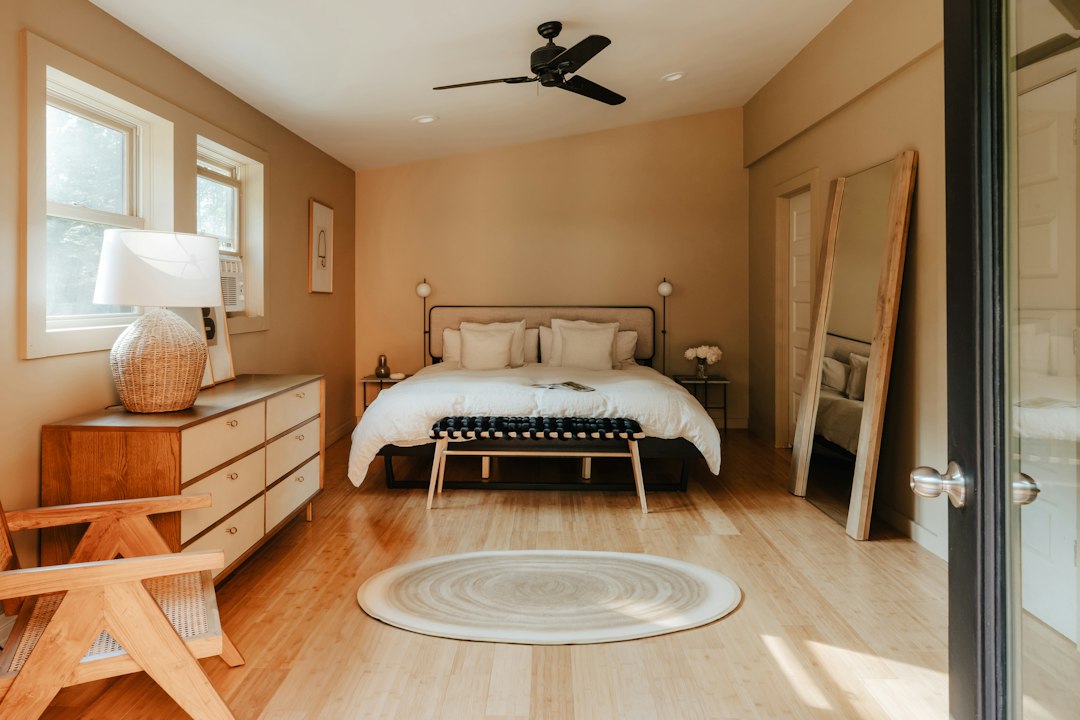
Adjust a reading lamp, position a textile that you enjoy or move a plant to a suitable light location. These changes can make the space feel cared for without introducing many new objects.
Build a fifteen-minute weekly follow-up
Schedule a modest reset of the areas most likely to drift. Return misplaced objects, check the laundry situation and clear the kitchen counter. A routine should reduce stress, not become an inflexible rule.
Keep a small maintenance note
Write down what still causes friction. A cluttered entry may need a better bag hook; an overflowing drawer may hold duplicates you do not use. Address the root cause one issue at a time rather than resetting the same mess repeatedly.
At a glance
| Situation | Approach |
|---|---|
| Friday | Choose three priority zones |
| Saturday | Declutter and rebuild storage |
| Sunday | Clean, refresh and simplify |
| Following week | Maintain a short repeatable reset |
Frequently asked questions
Can I reset an apartment in one day?
You can improve a few priority areas in one day, but avoid promising a full overhaul.
Should I buy storage boxes first?
Usually not. Declutter and measure first to avoid adding unnecessary containers.
How do I keep the result?
Place belongings near where they are used and reserve a short recurring time for putting them away.
The editorial takeaway
The most useful improvements are those that work with your real habits, room dimensions and daily routines. Measure carefully, test small changes before buying anything and focus on comfort as much as aesthetics. Explore our latest home and living guides for more ideas.