
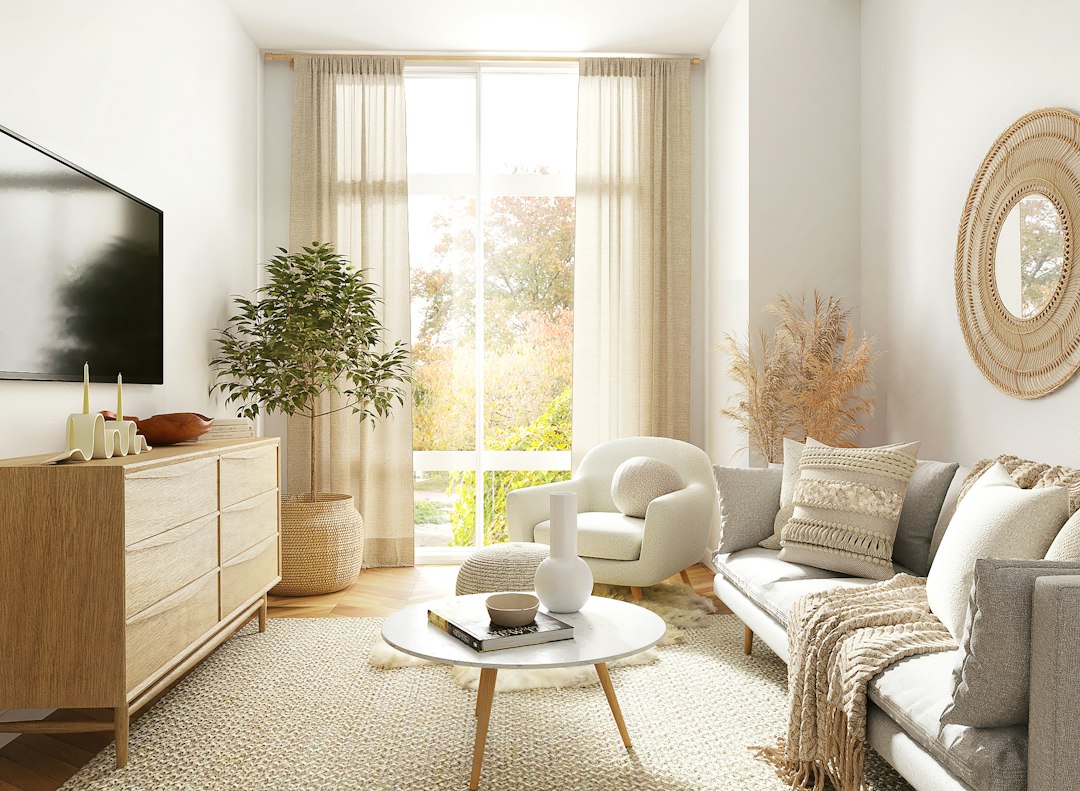
Warm minimalism is not about stripping a room of personality. It is about making every material, object and pool of light feel considered—without asking the space to hold more than it needs.
Build the palette from existing undertones
Natural-looking wood, stone, painted walls and upholstery can have warm or cool undertones. Compare them in daylight before choosing new textiles or wall colours. A warm neutral scheme may include cream, muted clay, soft brown or olive, but no single palette works for every home.
Choose one dominant base colour and a small group of supporting tones. Repeat them through useful items such as cushions, rugs or ceramics rather than buying many decorative objects. Controlled contrast can add depth, and a rich dark accent is not automatically incompatible with warm minimalism.
Use texture to provide visual interest
When a room contains fewer colours and objects, the character of surfaces becomes more noticeable. Linen, cotton, wool, matte ceramic and wood may contribute different tactile qualities. Combine a smooth surface with a softer or more textured element to avoid a flat appearance.
Avoid filling the room with every texture at once. A woven throw, a simple rug and a handcrafted vessel may offer plenty of variation. Consider cleaning instructions and suitability for the household, especially where children, pets or frequent spills influence material choices.
Let daylight shape the atmosphere
Observe how natural light travels through the room throughout the day. A warm paint colour may appear different in a shaded corner and beside a sunny window. Keep large furniture from blocking useful light where practical, and choose window coverings that suit privacy needs while allowing appropriate daylight.
Mirrors can increase the sense of brightness when they reflect a window or pleasant view, but poorly positioned mirrors can double visual clutter. Secure them according to the surface and mounting requirements. Use them selectively rather than treating reflection as a universal design solution.
Layer practical evening lighting
After sunset, a single overhead fitting may create a harsh or flat atmosphere. Add suitable task lighting near a reading chair and a softer lamp elsewhere to create visual depth. Select bulbs and fixtures appropriate for their use and keep electrical cords clear of walking routes.
Warm minimalism benefits from comfortable, usable lighting more than from an elaborate collection of decorative fixtures. Choose light levels according to tasks, not just mood. An underlit kitchen worktop or desk is not improved by soft ambient lighting alone.
Visual inspiration and practical checklist
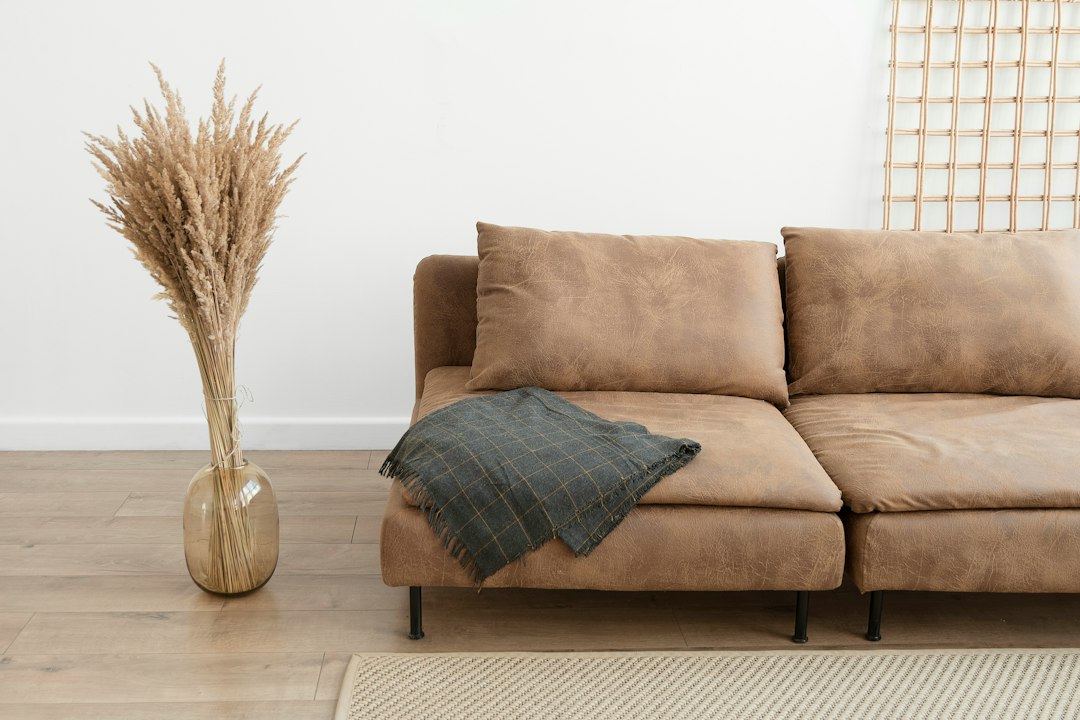
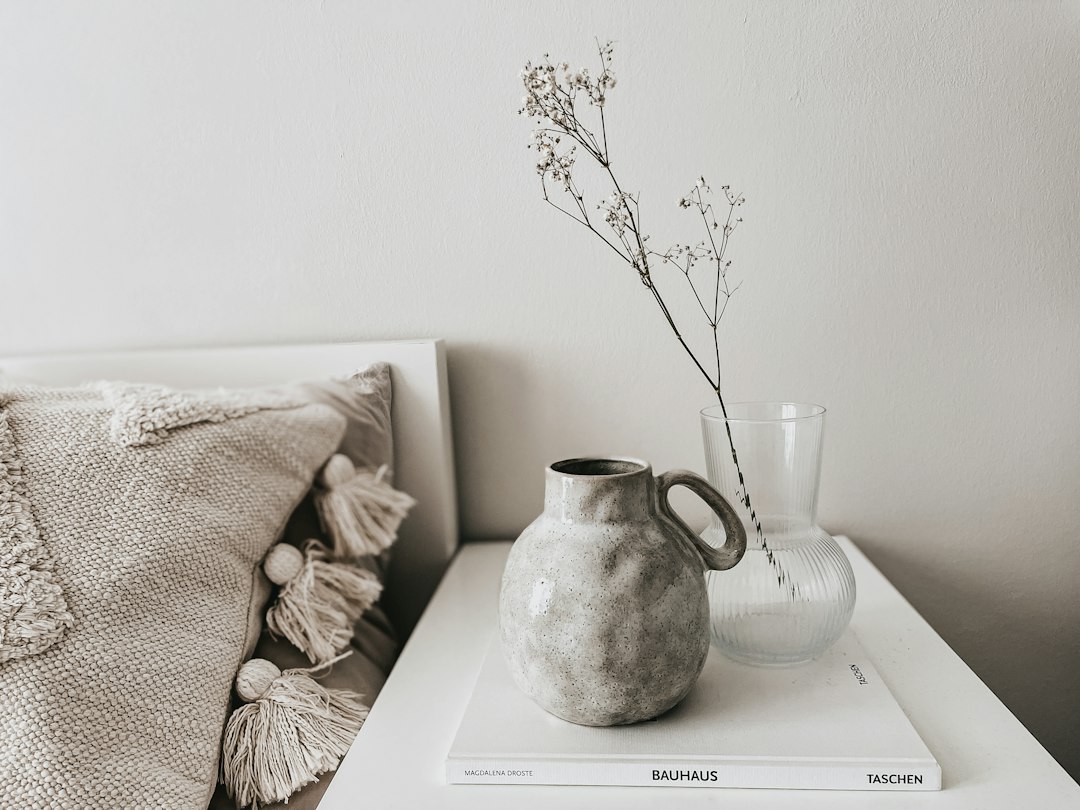
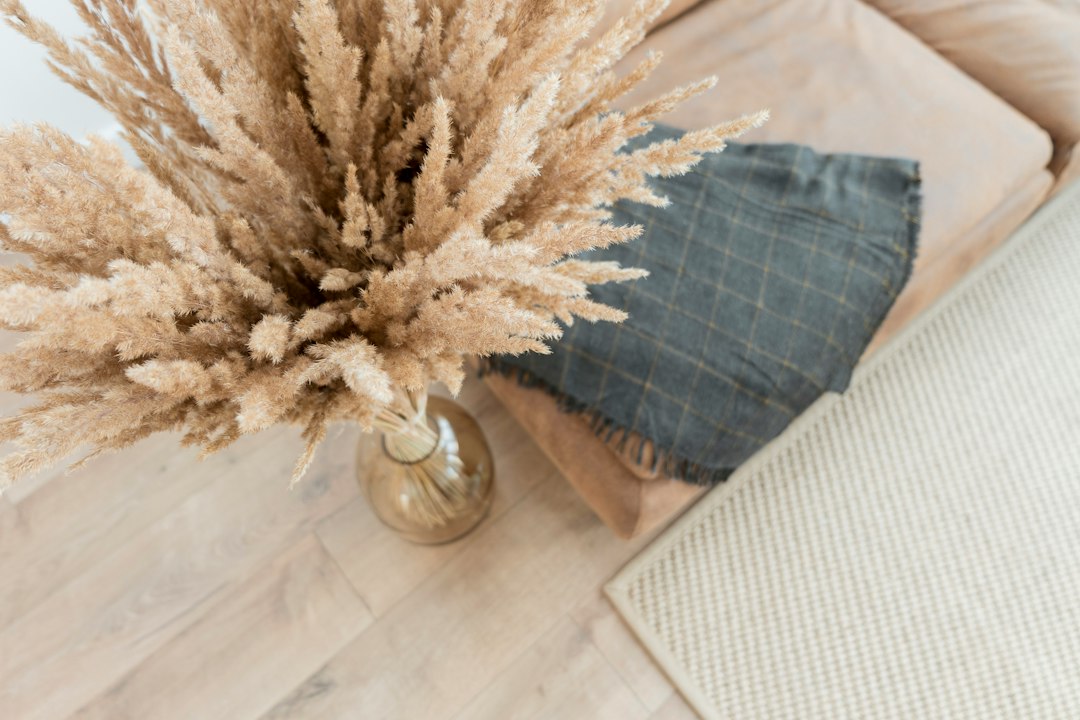
SMART SPACE FINDS · VISUAL CHECKLIST
- Repeat a limited palette
- Layer light and textures
- Keep meaningful decor
Make the sofa a calm visual anchor
Large upholstery pieces dominate small living rooms, so their shape and placement influence the entire composition. A comfortable sofa in a coherent fabric can serve as an anchor while smaller accessories supply contrast. Choose a proportion that allows safe circulation and practical seating.
Resist replacing a functional sofa simply because a trend favours another silhouette. Adjust the arrangement, rug and textiles first. A familiar piece can fit warm minimalism when surrounded by a simpler palette and better-organised surfaces.
Choose rugs for scale and comfort
A rug can unite a seating group and introduce tactile warmth. Measure the space and test sizes that relate to the sofa and nearby chairs. A too-small rug may fragment the furniture, while an oversized option can interfere with doors or make movement awkward.
Consider fibre, pile height, cleaning needs and the suitability of a rug pad for the floor. Texture is valuable only when the product remains practical for the people living there. In busy households, a low-maintenance weave may be a better choice than a delicate high-pile rug.
Edit objects instead of removing personality
Minimalism becomes unwelcoming when meaningful books, photographs and useful possessions are removed simply to create an empty image. Choose a few objects that express your tastes and give them room to stand out. Group related pieces rather than spreading tiny accessories evenly across every surface.
Closed storage can hold supplies that are important but visually busy. The objective is not hiding everything: it is making useful items easy to retrieve and returning them after use. A practical organisation system supports the aesthetic without becoming a separate project of endless sorting.
Use natural-looking materials thoughtfully
Wood grains, stone-like surfaces and woven textiles can create warmth, but authenticity and durability matter more than a label. Choose materials suitable for their environment, particularly in kitchens, bathrooms and heavily used living areas. Some delicate finishes require maintenance that may not fit your routine.
Mixing a few related finishes often creates more personality than buying an entire matching furniture collection. A vintage wood chair can work beside a contemporary matte cabinet when proportions and colours are balanced. Consider existing possessions before buying new ones.
Create a focal point with personal meaning
One artwork, sculptural light or cherished piece of furniture can establish character in an otherwise quiet room. Position it where it can be appreciated without competing with a wall of unrelated small objects. A focal point should enhance the room’s use rather than block windows or accessible storage.
A favourite painting may determine an accent colour that appears subtly in a throw or rug. This connection gives the palette intentionality without making every object identical. Warm minimalism can include bold personal art when the surrounding elements give it sufficient visual space.
Organise open shelving selectively
Open shelves offer an opportunity to combine practical books and a limited range of objects. Vary heights and allow some empty sections to prevent a busy appearance. Do not stack items so densely that cleaning and access become difficult. Keep heavy objects on appropriately rated stable shelving.
A few repeated materials or colours can create rhythm, but avoid decorating shelves solely with objects that have no value to you. Use closed storage for cables, packaging and occasional supplies where practical. The room feels calmer when the items left visible are deliberate.
Bring comfort into a small bedroom
Soft bedding, a restrained light palette and clear bedside surfaces can make a compact bedroom feel warm without adding furniture. Focus on the essentials: supportive lighting, appropriate textiles and predictable places for daily objects. A small rug beside the bed can introduce texture when its position is safe.
Avoid excessive decorative cushions that must be moved every night or tall furniture that restricts the route to the bed. Choose washable materials and maintain access to windows and storage. Warmth is as much about ease of use as it is about appearance.
Avoid unnecessary purchases
A trend can make a room full of useful possessions seem outdated, encouraging replacement of items that still work. Before buying, test whether moving existing furniture or removing an accessory improves the composition. Look for opportunities to repair or reuse materials rather than automatically replacing them.
When a purchase is genuinely needed, measure carefully and consider how the object will age, how it is cleaned and whether it suits your normal activities. Sustainable decisions often support both budget and visual coherence. A carefully chosen single piece may provide more value than many inexpensive decorative items.
Create a weekend material reset
On Saturday, photograph the room, remove the most visually busy accessories and review lighting and furniture placement. Try a different arrangement of textiles already in the home. In the evening, observe whether the room remains comfortable for reading, conversation and other routine activities.
On Sunday, return only the decorative objects that add meaning or functional value. Note whether a particular area still needs storage, better light or a practical surface. Delay purchases for a week so the room can be evaluated in normal use rather than only after styling.
Keep the home warm and usable
The strongest warm minimalist interiors support ordinary activities without requiring constant perfection. Leave convenient places for books, blankets, chargers and shared belongings, and keep required routes accessible. Let a few materials and objects carry the room’s character instead of filling every surface.
Review the arrangement as seasons and routines change. Lighter bedding may suit summer while warmer textiles are useful in winter. An effective design is flexible enough to accommodate daily life and remains welcoming when people actually use the space.
Warm minimalism is not an empty room. It is a home where texture, light and meaningful objects have room to register.
Begin with the materials already in your home
Notice the undertones of your flooring, large furniture and existing wood. A restrained palette works best when new pieces relate to those fixed elements. Cream, clay, warm grey and muted green are possible directions, not universal rules.
Layer texture at different scales
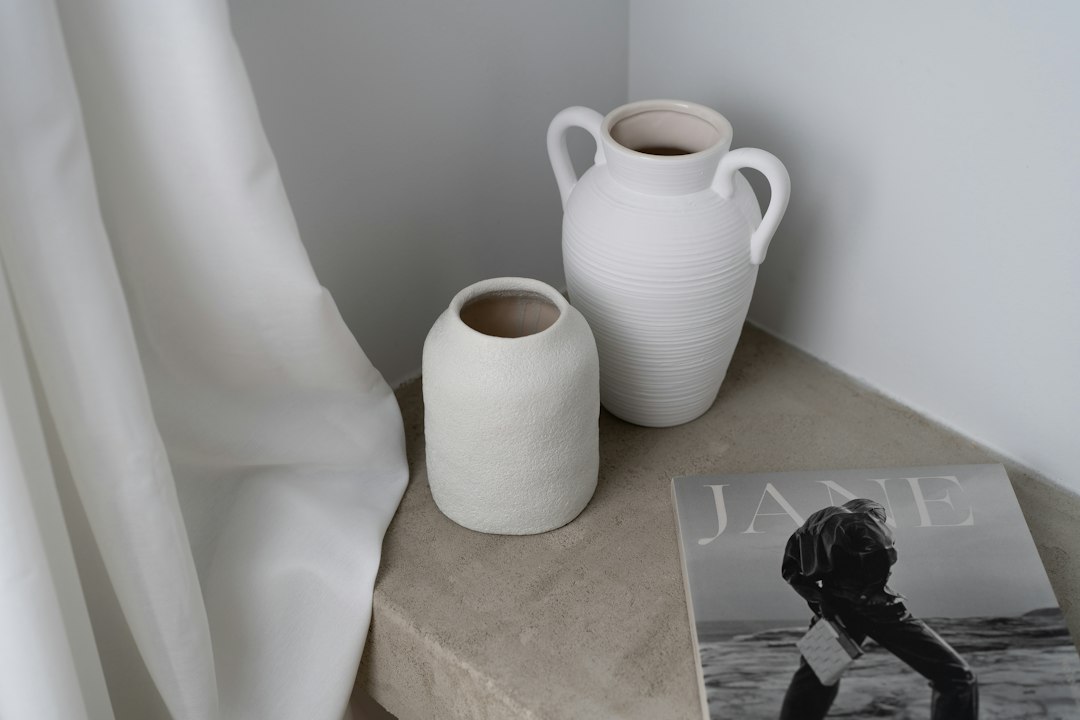
A woven throw, matte ceramic vessel and natural timber surface can create more depth than several competing patterns. Contrast smooth against tactile, coarse against soft. Resist filling every surface: texture needs visual breathing room.
Use light as part of the composition
Layer ambient lighting with a reading lamp and a soft accent. In the daytime, keep windows usable and consider how material colours change across the room. Avoid glare and ensure electrical arrangements remain safe.
Let one object be the focal point
A favourite piece of artwork, handmade vessel or vintage chair may offer more personality than a shelf of coordinated accessories. Give it space and position nearby elements to support rather than compete.
Choose textiles for the life you lead
Soft materials can make a room inviting, but consider washing instructions, pets, spills and local climate. A practical flatwoven rug might be better for a busy household than a delicate high-pile fabric.
Make concealed storage part of the design
Open shelves demand constant visual editing. Closed cupboards and attractive but simple boxes can reduce noise without forcing every everyday object into display-worthy packaging.
Avoid the staged-home problem
Retain books, photographs and tools that reveal how you actually live. An inviting interior accommodates daily routines. Minimalism becomes cold only when it removes comfort and identity along with clutter.
Refresh with subtraction first
Before buying anything, take a few objects away for a week, move a lamp or swap textiles between rooms. Observe what you miss. Often a composition becomes stronger when one unnecessary detail is removed.
At a glance
| Situation | Approach |
|---|---|
| Base palette | Repeat related tones |
| Texture | Combine linen, ceramic and wood |
| Light | Layer functional and soft sources |
| Objects | Display fewer meaningful pieces |
Frequently asked questions
Can warm minimalism include colour?
Yes. Muted or rich accent colours can work when used deliberately and repeated coherently.
Do I need natural wood everywhere?
No. Wood is one textural option among many; balance is more important than any single material.
How is it different from ordinary minimalism?
It typically places additional emphasis on tactile comfort, softer palettes and personal warmth.
The editorial takeaway
The most useful improvements are those that work with your real habits, room dimensions and daily routines. Measure carefully, test small changes before buying anything and focus on comfort as much as aesthetics. Explore our latest home and living guides for more ideas.
Related guides
One finaltest for warm minimalism is whether the space feels inviting during an ordinary evening. Sit on the sofa, read under the actual room lighting and notice whether everyday objects have convenient locations. If you must move several accessories before placing a cup or reaching for a book, the arrangement has become too decorative. Reduce complexity, adjust the position of useful furniture and let the materials speak for themselves. A comfortable home can show signs of use without losing its carefully considered style. The design should support daily life rather than require it to be hidden.