
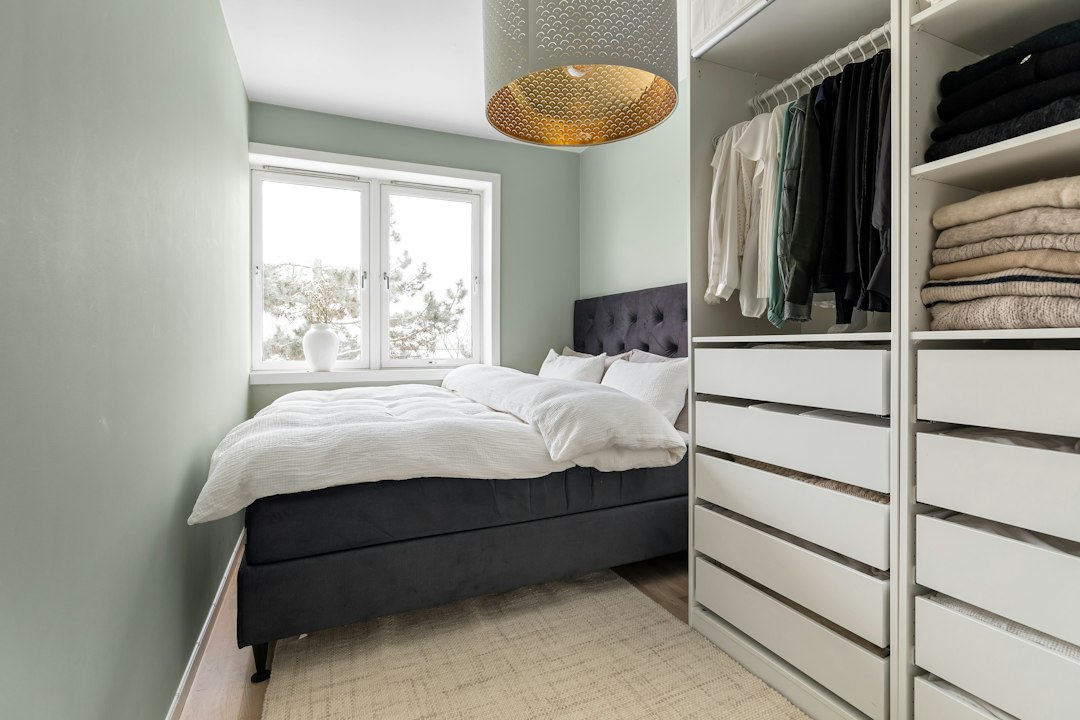
Start with how the bedroom feels to use
A small bedroom can become difficult to navigate even when it contains relatively few possessions. Begin by checking the route from the door to the bed, wardrobe and window. Remove objects left on the floor and notice whether drawers or doors collide with furniture. Accessibility and comfort should guide decluttering decisions before appearance.
Take photographs from the entrance and from the bedside. Look for visual noise such as crowded surfaces, tangled chargers or piles of clothing. Choose one practical improvement at a time instead of emptying the entire room and creating a mess that is difficult to finish.
Clear the floor before touching the wardrobe
Shoes, laundry and shopping bags tend to accumulate at the foot of the bed when they do not have obvious destinations. Return items that belong in other rooms and separate dirty laundry from clean clothing. Keep required walkways and exits unobstructed, especially for moving around at night.
A washable hamper can help if its position does not narrow circulation. Avoid putting loose storage boxes underfoot or beside doors. Reducing floor clutter often makes a bedroom feel calmer before any furniture has been moved.
Simplify the bedside area
The bedside surface works best when it supports a few useful objects: a lamp, reading material, glasses or a small tray. Remove products and papers that have accumulated without being used. If the top is crowded, look for a drawer or nearby container that provides simple access without increasing the furniture footprint.
Keep electrical cables clear of walking paths and use chargers in accordance with their instructions. Do not run cords beneath rugs or arrange them where they are easily damaged. A clear bedside area makes routine cleaning easier and prevents small items from falling behind furniture.
Evaluate the wardrobe honestly
Before buying dividers, count the clothes you wear in an ordinary month and identify categories you rarely use. Separate items needing repair, cleaning or consideration for donation. Work shelf by shelf so the bed does not become a giant temporary pile. A practical closet supports dressing rather than acting as indefinite storage.
Keep everyday garments at comfortable reaching height. Store appropriate seasonal items separately and avoid heavy boxes on high shelves. Choose hangers and folding methods according to fabric care instructions. A wardrobe can be full yet functional when its contents are easy to see and retrieve.
Reduce visual clutter without removing personality
Personal photographs, books and artwork can make a bedroom welcoming. The issue is not whether objects are decorative, but whether every surface competes for attention. Select a few meaningful pieces and leave some open space around them. Avoid filling the headboard, windowsill and dresser with unrelated small accessories.
Repeat a limited range of colours or materials to create a more coherent composition. This does not require repainting the room or replacing furniture. Moving one lamp or removing several unused objects can make the design feel more intentional.
Choose bedding for comfort and practicality
Layered bedding can add warmth, but a very small room may feel crowded when several unused throws and decorative cushions live on the floor each night. Keep the textiles you actually enjoy using and provide a suitable location for any extras. Follow care labels for washing and storage.
Fresh bedding and good airflow can contribute to a comfortable sleeping environment, but consider the needs of the household and local climate. Avoid leaving damp textiles compressed in closed boxes. A visually calm bed is easier to maintain when it does not require an elaborate styling routine every morning.
Use under-bed space with care
Some bed frames offer useful storage clearance for occasional items such as seasonal blankets. Measure the actual gap, including supports and flooring changes. Choose suitable containers that can be removed without damage. The system should not obstruct ventilation or make cleaning impossible.
Avoid storing damp fabrics, heavy objects or items you use every day in an awkward low position. Label containers so you do not repeatedly pull everything out to find one piece. If retrieval is inconvenient, choose a more accessible cupboard even if that leaves under-bed space unused.
Keep a chair from becoming a wardrobe
An extra chair in a bedroom often turns into temporary clothing storage. Decide whether it is genuinely used for sitting. If so, give recently worn clothing another appropriate location, such as a designated hook or laundry zone. If the chair serves no comfortable function, removing it may free valuable floor space.
Avoid buying a larger basket simply to hide the same collection of clothing. Check why items are not being returned to their places: perhaps the wardrobe is overcrowded or the hamper is poorly positioned. Address the cause so the chair does not become a permanent storage pile again.
Choose lighting that supports rest and reading
A single ceiling light may be practical for cleaning but not comfortable for evening reading. A suitable bedside lamp can provide focused light without illuminating the entire room. Consider glare, switch access and cable safety. Avoid placing lamps where they can be knocked over when getting out of bed.
Use existing daylight where possible, keeping windows and curtains operable. Mirrors can reflect light but should be mounted safely and positioned thoughtfully. The goal is a comfortable range of lighting options rather than a room filled with decorative fixtures.
Make the most of a small dresser
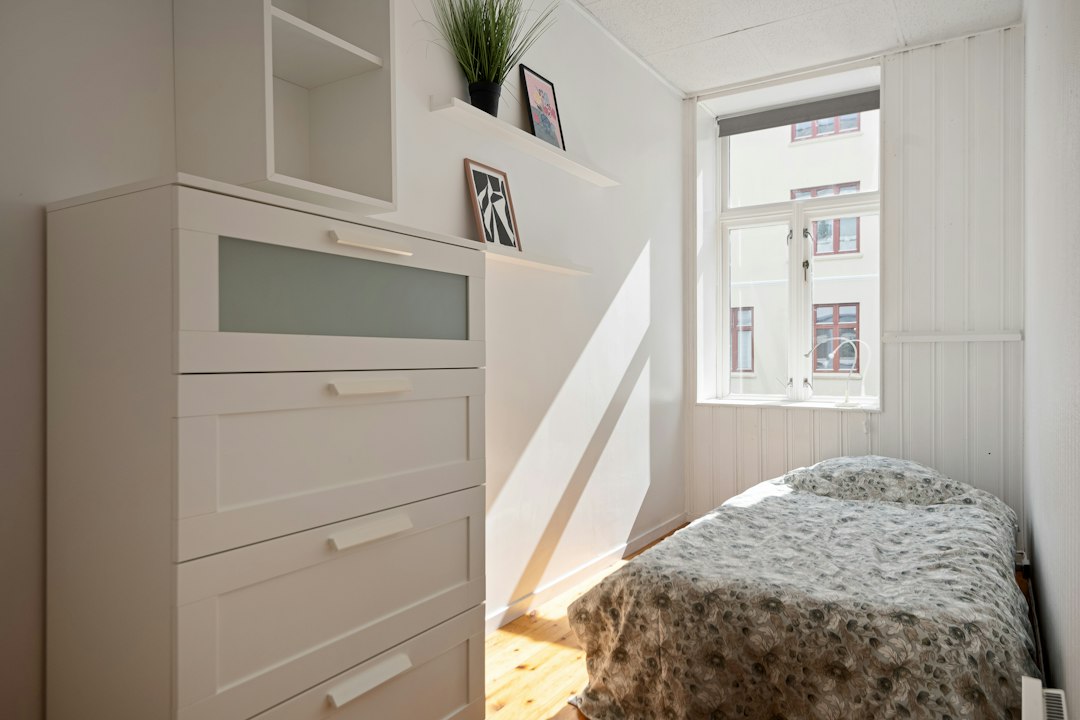
A dresser should provide accessible drawers without blocking the bedroom walkway. Group items by use and add dividers only when necessary. The top can support one or two practical objects while leaving a surface easy to clean. Avoid stacking heavy storage boxes above it.
Inspect stability and follow the furniture manufacturer’s anti-tip instructions where applicable. A tall chest that can fall when several drawers are opened is not acceptable storage, especially in households with children. Safety remains a priority in a small room.
Set up a five-minute evening routine
Before bed, return clothing to its appropriate location, move used cups to the kitchen and clear the floor beside the bed. Put essential items such as glasses and a book in their designated places. This short reset makes the space easier to navigate and reduces morning decisions.
Do not expect the routine to replace laundry, cleaning or decluttering. Those are separate tasks. A simple nightly reset is most effective when the room has already been given sensible storage for the items used regularly.
Avoid common decluttering mistakes
Buying organisers before sorting usually creates extra containers without reducing clutter. Removing all personal decoration can make the room feel impersonal, while adding a lot of tiny baskets may create more visual noise. Work gradually and judge the result by comfort, storage access and ease of cleaning.
Do not hide damp clothes under the bed or force drawers shut around overloaded contents. If an item has no sensible storage location, reconsider whether it belongs in the bedroom. The ideal room is not empty; it supports the activities that happen there.
Try a weekend bedroom reset
On Saturday, clear the floor and bedside surfaces, then sort one wardrobe section at a time. Measure storage spaces before moving furniture. In the afternoon, clean accessible surfaces appropriately and restore the objects used daily. Leave enough time to return everything to a safe place.
On Sunday, review lighting, bedding and the placement of any chair or dresser. Test door and drawer clearance and consider which items could move to secondary storage. Live with the arrangement for a week before purchasing extra organisers.
Keep the bedroom adaptable
Daily habits change with seasons, work patterns and household circumstances. A bedside area that suited one routine may need a different arrangement when reading habits change. Review frequently used belongings every few months and adjust their locations rather than allowing new objects to accumulate around the room.
Comfort and function are the reliable measures of progress. A small bedroom feels more restful when movement is straightforward, daily essentials are accessible and clearing the room takes only a short effort. Those improvements matter more than a perfectly staged photograph.
A bedroom decluttering plan for real life
Begin with the floor and bedside table, not the wardrobe. Remove items that belong elsewhere and create an accessible place for charging devices, books and glasses. Keep the route to the bed and door clear so the room is easy to navigate after dark.
Next, review clothing according to actual use. Separate everyday garments, occasional clothes and pieces that need repair or laundering. Avoid buying extra hangers or drawers until you know what the current storage must hold. Where possible, use one labelled container for off-season light textiles.
Finish with a five-minute daily closing routine: return clothing to its appropriate location, clear the bedside surface and prepare tomorrow’s essentials. A bedroom does not need to look empty to feel restful; it needs predictable locations for the things you use.
A small bedroom can look cluttered very quickly because there is less visual and physical space between objects. The solution is not to remove everything you own. It is to reduce friction, give essential items a clear place and keep the most visible surfaces under control.
1. Clear the bedside area first
The bedside table is one of the first surfaces you see when you enter a bedroom. Keep only the items you use at night, such as a lamp, book, phone charger or water glass. Move everything else to a more appropriate storage area.
2. Remove clothing that does not belong in the room
Clothes on chairs, beds and floors create immediate visual clutter. Create one place for clothes that can be worn again and another for laundry. A wall hook, valet stand or small basket can prevent the familiar clothing pile.
3. Edit what is under the bed
Under-bed storage is valuable, but it should not become a hidden dumping zone. Keep seasonal clothing, spare bedding or shoes in labeled containers and remove anything you no longer use.
4. Reduce the number of visible objects
In a compact bedroom, even useful objects can create visual noise. Group small items into trays or baskets, and keep only a few intentional decorative pieces visible.
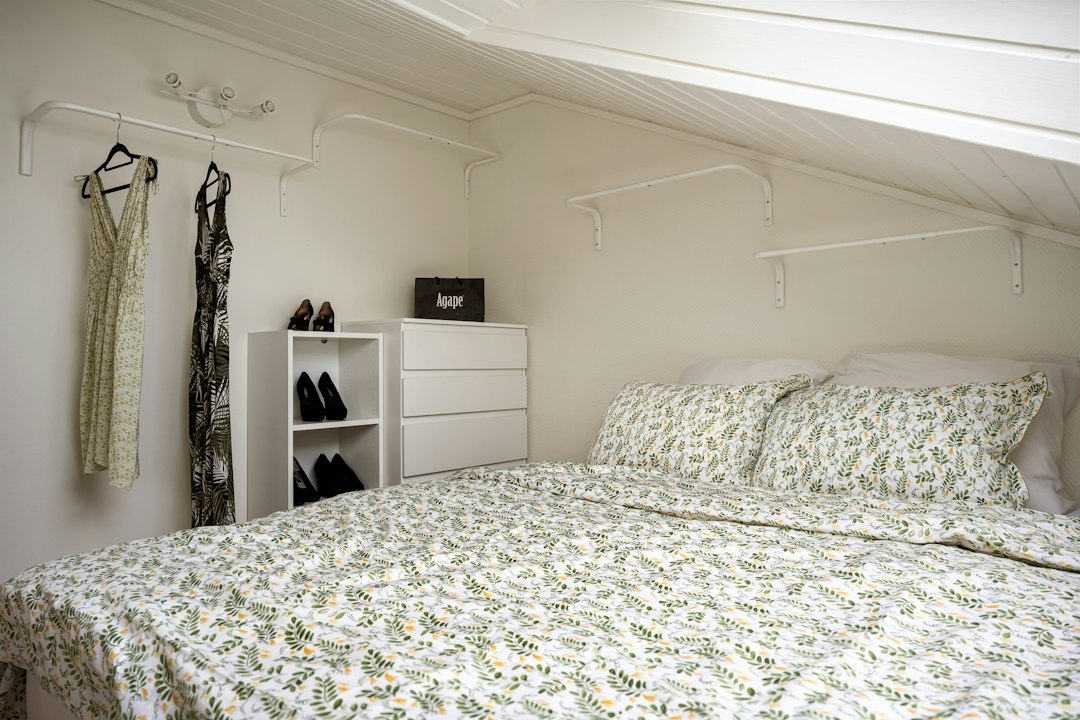
5. Use vertical space
When floor space is limited, use height. Wall-mounted shelves, tall bookcases, hooks and over-door storage can move belongings off furniture and free up walking space.
Our small space storage guide has more ideas for using vertical space.
6. Simplify the closet
Remove empty hangers, clothing that no longer fits your life and items stored in the wrong category. Group similar pieces together so you can see what you have and avoid duplicate purchases.
For a deeper reset, see our closet organization ideas.
7. Give daily essentials one home
Jewelry, chargers, glasses, watches and personal care items often create small piles. A shallow drawer organizer, tray or small box keeps them together and makes the room easier to reset.
8. Finish with a five-minute reset
Make the bed, return clothes, clear the floor and reset the bedside area. In a small room, five focused minutes can completely change how the space feels.
Small-bedroom buying checklist
Before buying any organizers, measure the usable width, depth and height of the space. For under-bed bins, account for bed-frame clearance, rug thickness and handles. For door-hanging organizers, check that the door can still close and that its hinges can support the additional load. For wall shelving in a rental, check your lease and wall type before drilling.
Start with the items you already own: assign one spot to repeat-wear clothing, one laundry container and one tray for small everyday items. Buy a storage product only if a specific category still has no home after decluttering.
The easiest decluttering rule to maintain
Do not organize items you do not actually want to keep. Declutter first, then choose storage for what remains. This prevents you from buying organizers for objects that were creating the problem in the first place.
Affiliate disclosure: Some links on Smart Space Finds may be affiliate links. If you purchase through one of these links, we may earn a commission at no extra cost to you.
Explore related Smart Space Finds guides
Practical visual checklist
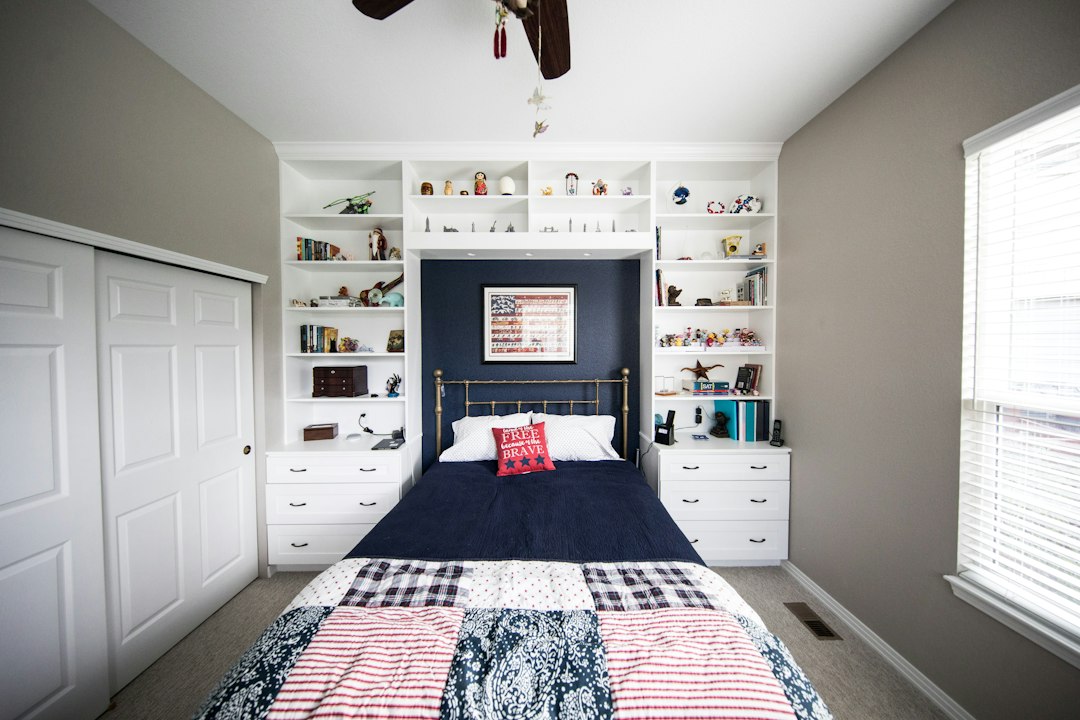
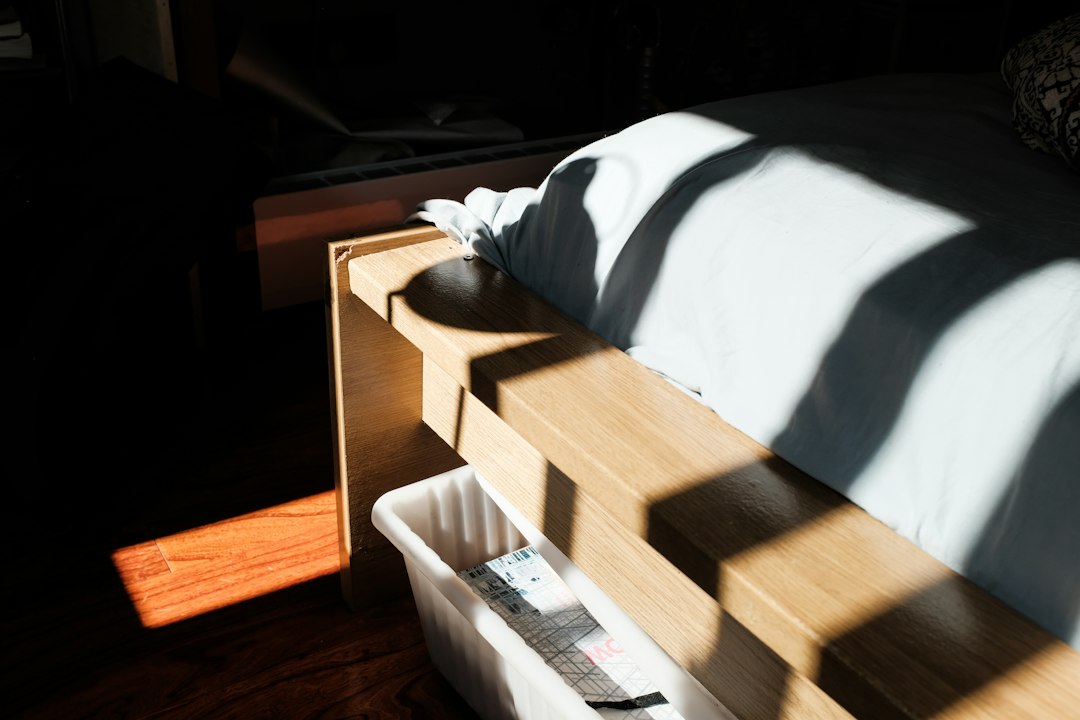
SMART SPACE FINDS · VISUAL CHECKLIST
- Clear the floor
- Edit bedside essentials
- Group clothing by use
Small bedroom decluttering priorities
| Area | Practical approach | Benefit or check |
|---|---|---|
| Floor | Remove misplaced belongings | Safer movement |
| Bedside table | Keep only nightly essentials | Calmer routine |
| Wardrobe | Separate daily and occasional garments | Easier dressing |
| Chair or dresser | Prevent temporary clothing piles | Less daily clutter |