
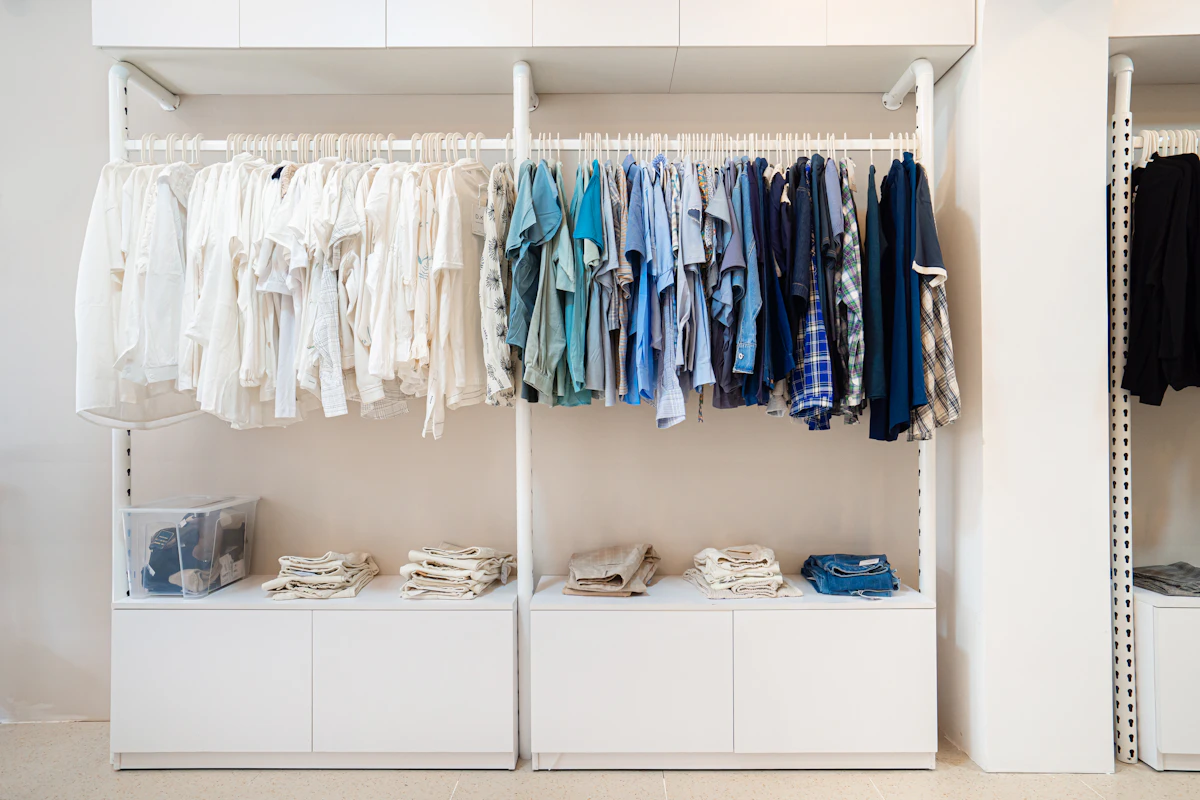
A small closet can work beautifully without custom cabinetry. This practical guide shows you how to measure your wardrobe, reclaim hanging and shelf space, organize shoes and accessories, and build a system that stays tidy after laundry day. Start with the no-cost changes, then choose organizers that genuinely fit your space.
Affiliate Disclosure: As an Amazon Associate, I earn from qualifying purchases. Some links in this guide are affiliate links, which means we may earn a commission at no additional cost to you.
Inventory the wardrobe before buying storage
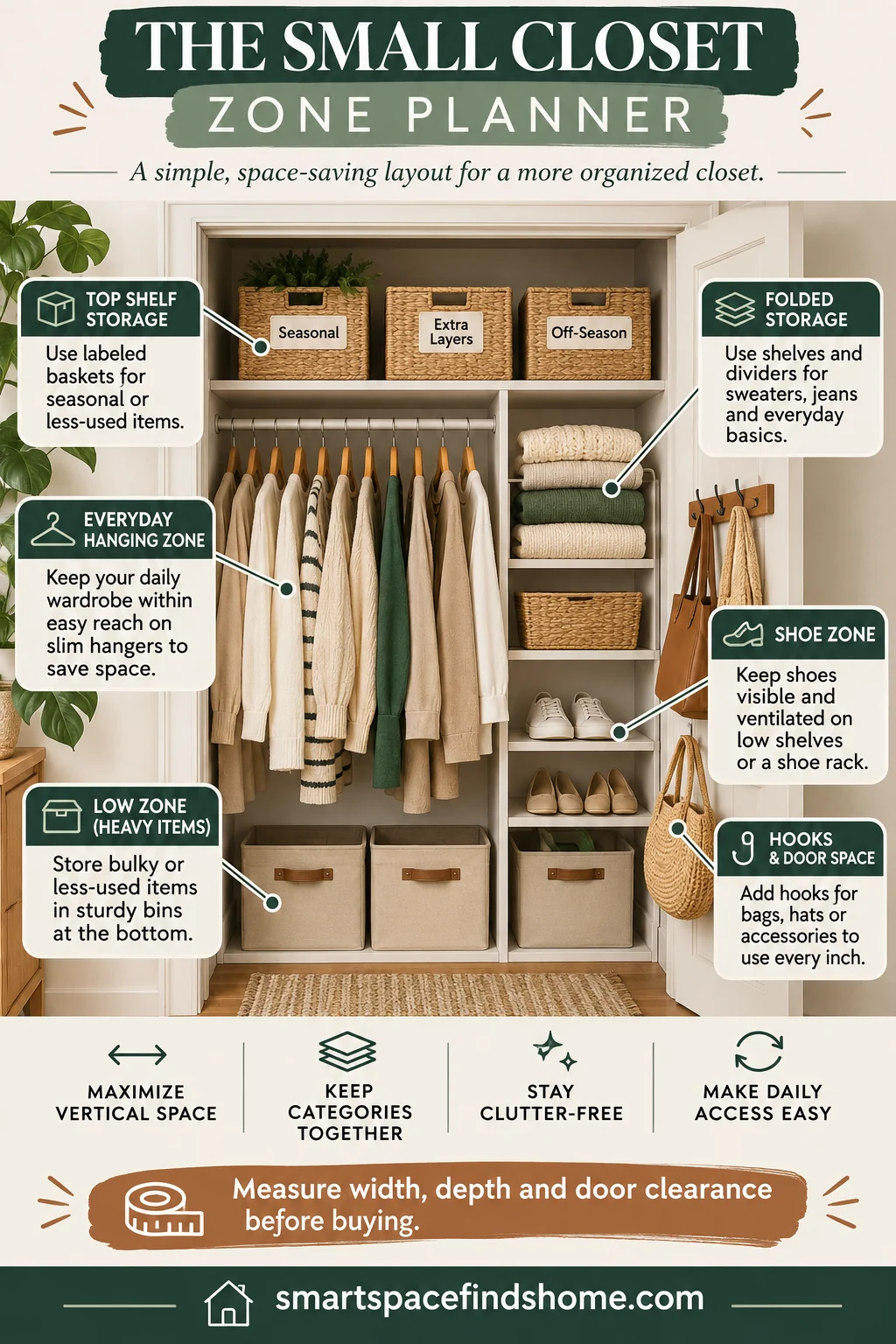
Start by taking a careful inventory of everyday clothes, occasional outfits, shoes and accessories. You do not necessarily need to remove everything at once; work through one rail or shelf so the room remains usable. Count the categories that need regular access and notice where garments are crushed or hard to retrieve. A closet system should be designed around what you actually wear.
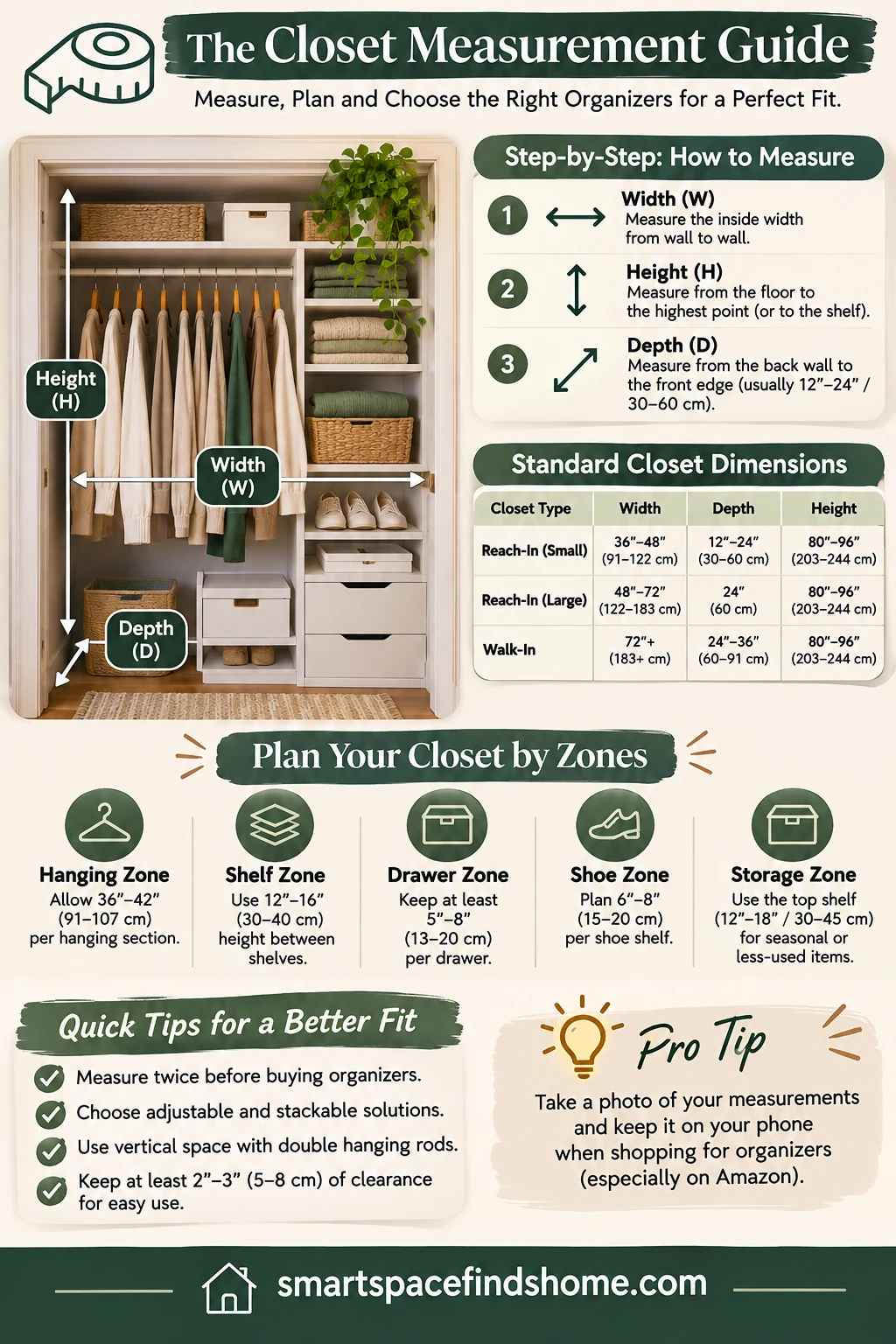
Measure internal width, depth and rail height, including clearance to open sliding or hinged doors. An organiser that fits on the shelf may still prevent the door from closing. Before shopping, use temporary boxes to simulate compartments and identify whether the arrangement makes clothing easier to reach.
Separate daily, seasonal and occasional clothing
Keep frequently worn garments at comfortable reaching height and store occasional items in secondary zones suited to their weight and material. Seasonal separation can reduce visual clutter, but do not move everything to inaccessible overhead boxes if changing weather requires quick access. Use labels when containers are not transparent.
Clothing that is damaged, rarely worn or the wrong size deserves a deliberate decision rather than permanent storage in a forgotten corner. Set aside items for repair, suitable donation, resale or responsible disposal. Avoid making decisions only from a desire for perfectly empty shelves; keep pieces that are useful or personally meaningful.
Create a practical hanging system
Related organizers to consider
Different garments need different support. Coats and structured jackets may require sturdy hangers, while delicate knitwear is often better folded to avoid stretching. Check the strength and load capacity of the rail before adding extra levels or unusually heavy items. Space clothes so you can remove one without disturbing the rest.
Uniform hangers can make a wardrobe look calmer, but buying an entire matching set is optional. Choose hangers that protect fabric and suit the available depth. Avoid fragile multi-tier gadgets that make every item hard to see. A hanging system only saves time if the garments remain easy to choose.
Use shelves for folded garments
Related organizers to consider
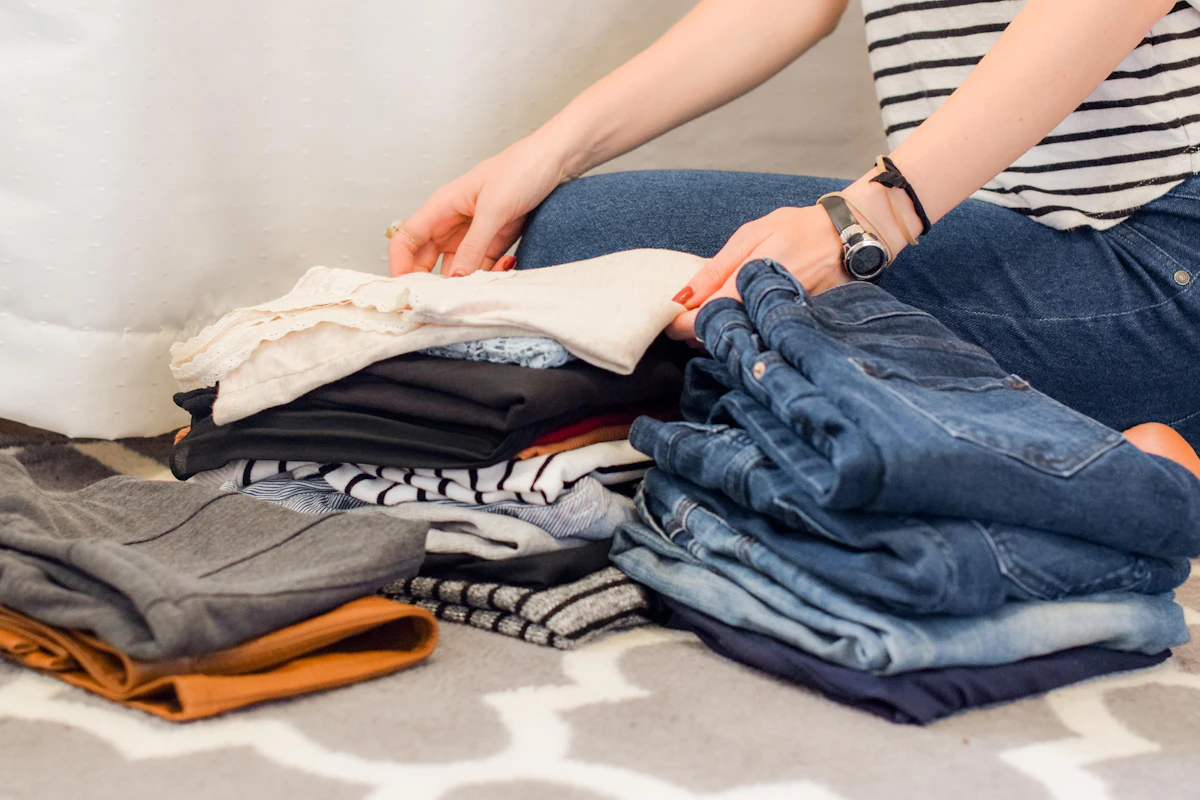
Folded clothing can become unstable when piled too high. Group related garments and consider shallow dividers where they prevent stacks from collapsing. If a shelf is deep, arrange less-used items behind frequently worn pieces without hiding them completely. Smaller baskets may help contain scarves and accessories.
Do not fill every vertical gap simply because a riser fits. Allow room to lift and replace clothing. Keep heavy storage bins low and respect shelf load ratings. A good shelf allows quick access without dropping folded stacks onto the floor.
Make drawers readable at a glance
Drawers work well when their contents are visible without digging through several layers. Folding garments upright where appropriate can improve visibility, while loose dividers can separate socks, underwear and smaller accessories. Measure the drawer before purchasing trays, as dividers may reduce usable volume or interfere with closing.
Revisit the arrangement after normal laundry cycles. If clean garments do not fit when everything is washed, the storage was planned too tightly. Leave a realistic margin rather than assuming the closet will always be half empty. The system should tolerate ordinary busy weeks.
Plan shoe storage around accessibility
Related organizers to consider
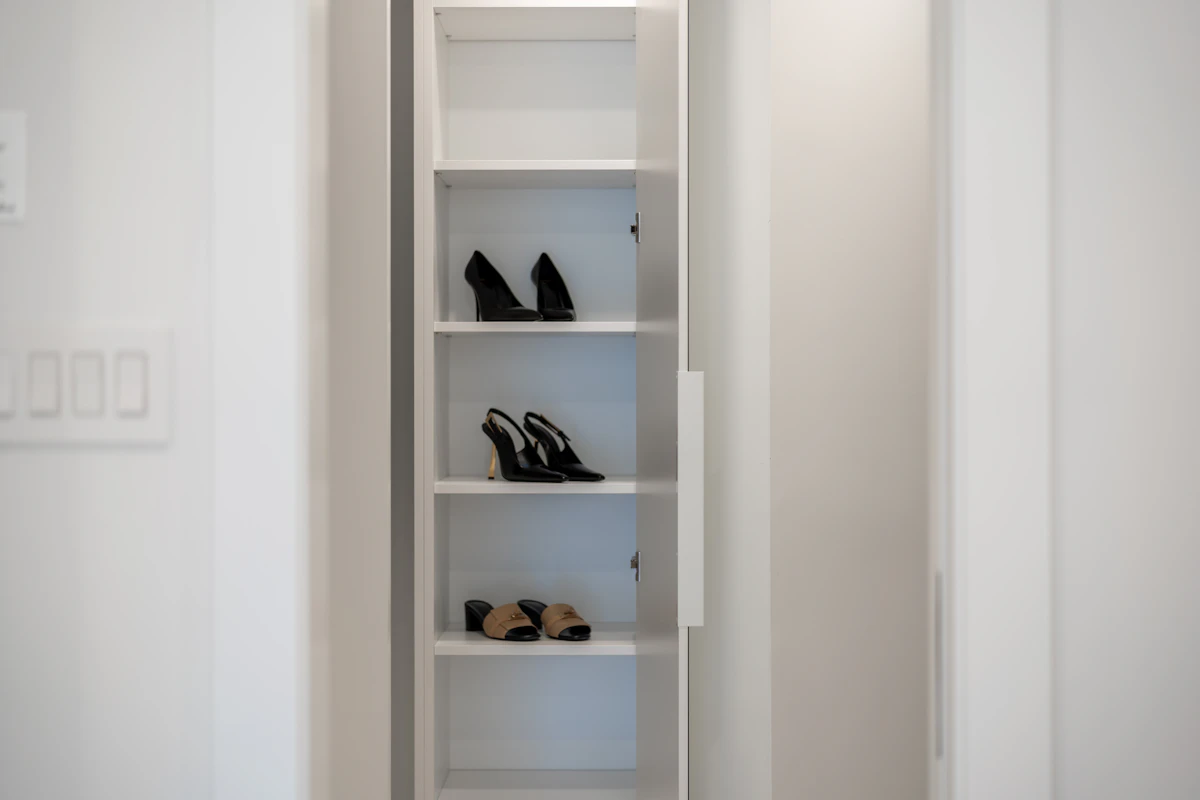
The best shoe arrangement depends on the number of pairs and how often they are worn. Everyday footwear needs a stable easy-to-clean location, while special occasion pairs may use secondary shelves or boxes. Keep shoes reasonably ventilated and dry before storing them to avoid odours and moisture damage.
Shoe racks should not obstruct the closet door or protrude into a walking route. Check the stability of tall units and avoid stacking heavy footwear where it might fall. A simple low rack can outperform a dramatic vertical display when the wardrobe is narrow.
Use the back of the door carefully
Start with the right door organizer
Compare 3 additional over-door organizers
Door organisers may hold lightweight accessories if the door design, clearance and hardware permit it. Check whether the door still closes and whether stored objects strike shelves or mirrors. Do not assume adhesive or over-door products are safe for heavy loads, especially in rented homes with delicate finishes.
Hooks can help with belts and everyday bags, but position them where items will not snag clothing. An organiser that constantly catches on the door becomes frustrating and may damage surfaces. Test the arrangement for several days before adding more compartments.
Protect delicate and seasonal pieces
Some garments require careful storage according to fabric and care labels. Clean items before long storage where appropriate, and ensure that the environment is dry and suitable. Avoid compressing delicate shapes or placing items against damp exterior walls. Breathable suitable covers can help protect particular garments, depending on their material.
Keep seasonal containers clearly identified and accessible when needed. Vacuum bags can save space for suitable textiles but may not be right for all fabrics or filled items. Follow product instructions rather than compressing every garment indiscriminately.
Make shared closets easier to use
A shared wardrobe benefits from clearly defined zones for each person and suitable common storage for accessories. Divide space by actual garment volume and use patterns rather than assuming an equal number of shelves always works best. Discuss changes before moving someone else’s belongings.
Labelled baskets may help where drawers look identical, but a clear layout matters more than elaborate labelling. Keep the most frequently worn clothes within each person’s comfortable reach. Leave a little flexibility for laundry cycles, seasonal needs and changes in work clothing.
Consider a capsule approach without strict rules
A limited set of coordinated garments can simplify dressing for some people, but a capsule wardrobe is not a requirement for a functional closet. Begin by recognising which pieces are genuinely worn together and which duplicates are unnecessary. Organise by outfit, function or garment type according to your habits.
A useful wardrobe still accommodates formal occasions, hobbies and weather changes. Do not throw away practical clothing merely to reach an arbitrary number of items. Better visibility can make an existing wardrobe feel more versatile without buying anything new.
Choose durable organisers thoughtfully
Related organizers to consider
Storage cubes, fabric boxes and hanging shelves differ in capacity and maintenance needs. Measure the space and check load ratings before ordering. A hanging shelf may reduce rail capacity or swing when used, while a rigid shelf may be more stable for heavy items. Choose solutions according to what they will hold.
Try reusing boxes already at home during the planning stage. If a temporary divider improves access after a week, then invest in a permanent version that fits. Purchasing a matching product range before understanding garment categories often creates wasted space.
Build a weekly closet reset
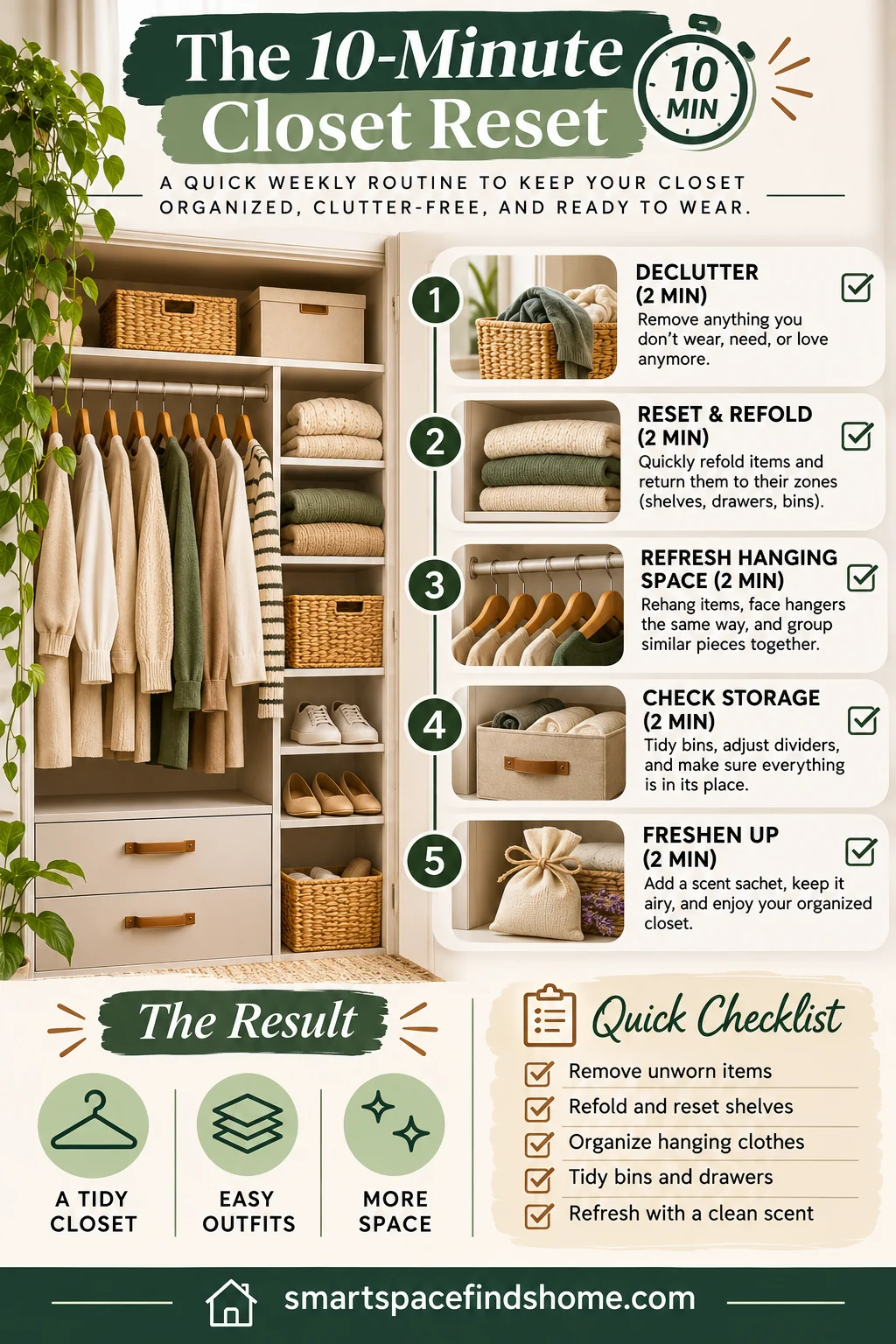
After laundry, return clothes to their assigned categories and clear items that were temporarily placed on a chair. Check whether hangers are overloaded or drawers are beginning to jam. A five-minute reset can prevent the wardrobe from returning to an unmanageable state.
Once a month, inspect seasonal pieces, wipe accessible shelves and review repair or donation items. Check for dampness or unusual odours before packing clothes away. An easy maintenance routine is more valuable than a perfect opening-day photograph.
Try a two-day reorganisation project
On the first day, audit one rail and the everyday drawers. Measure the spaces, review what is worn and test new categories using existing containers. On the second day, organise occasional garments, shoes and accessories while checking door clearance and storage stability.
Spend a normal week dressing from the revised wardrobe before buying extra hardware. Notice where reaching is awkward and whether clean laundry has a straightforward home. Adjust the arrangement to fit your routine. Closet organisation is complete only when it makes daily choices easier.
Common closet mistakes to avoid
Overfilling shelves, hanging unsuitable delicate garments and placing heavy boxes overhead can make storage less functional or unsafe. So can buying complicated organisers that hide their contents. Keep enough space to remove an item without pulling down a stack and maintain access to any building equipment or ventilation.
Do not treat a closet as an unlimited storage room for unrelated objects. Prioritise clothing and accessories that genuinely belong there, and give household tools safe dedicated locations elsewhere. The final goal is a wardrobe that is simple to navigate and easy to keep in order.
Closet zones that simplify getting dressed
Begin with an accurate inventory and group garments by how often they are worn, rather than by an aspirational wardrobe aesthetic. Match hangers and compartments to fabric type and available space. Keep circulation clear, protect delicate textiles and avoid exceeding rail or shelf load ratings. A weekly five-minute return-to-place routine matters more than buying identical baskets.
| Problem or zone | Practical response |
|---|---|
| Everyday clothing | Comfortable reaching height |
| Seasonal pieces | Clearly labelled upper storage |
| Shoes | Ventilated accessible location |
| Heavy boxes | Low stable positions |
The most useful closet organization ideas give every section a clear purpose. A small closet can hold more than it appears to without squeezing in as many clothes as possible. It is about making your wardrobe easy to see, easy to access and easy to reset.
Closet Organization Ideas Start With Editing
Storage products cannot solve a closet that contains more than the space can reasonably hold. Remove duplicates, damaged pieces and clothes that no longer fit your life before adding organizers.
1. Switch to slim hangers
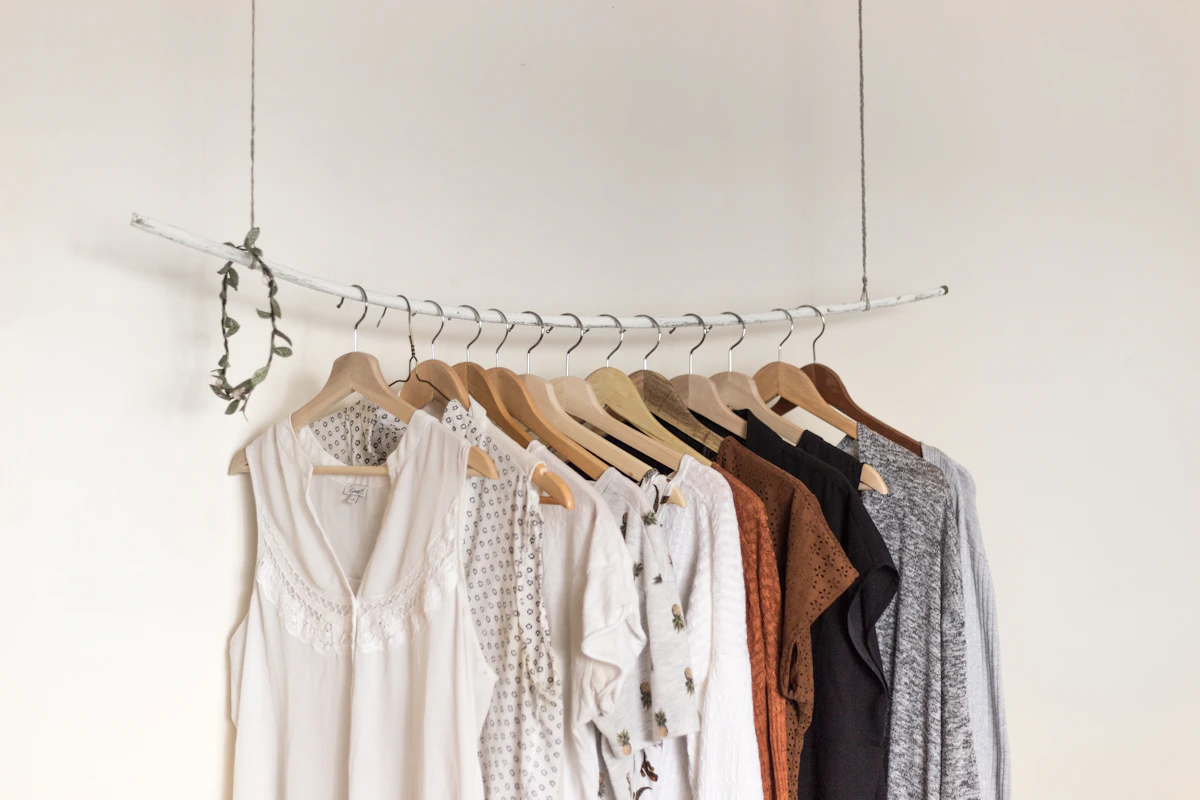
Uniform slim hangers use less rail space than bulky mixed hangers and create a cleaner visual line. Avoid overcrowding the rail; clothes should still slide easily.
2. Add a second hanging rail
If your wardrobe contains many shirts, skirts or folded-over trousers, a second rail can significantly increase useful hanging capacity. Keep long garments in a separate section.
3. Use shelf dividers
Dividers stop stacks of sweaters, jeans and bags from collapsing into each other. They also make it easier to maintain one category per section.
4. Store seasonal items higher up
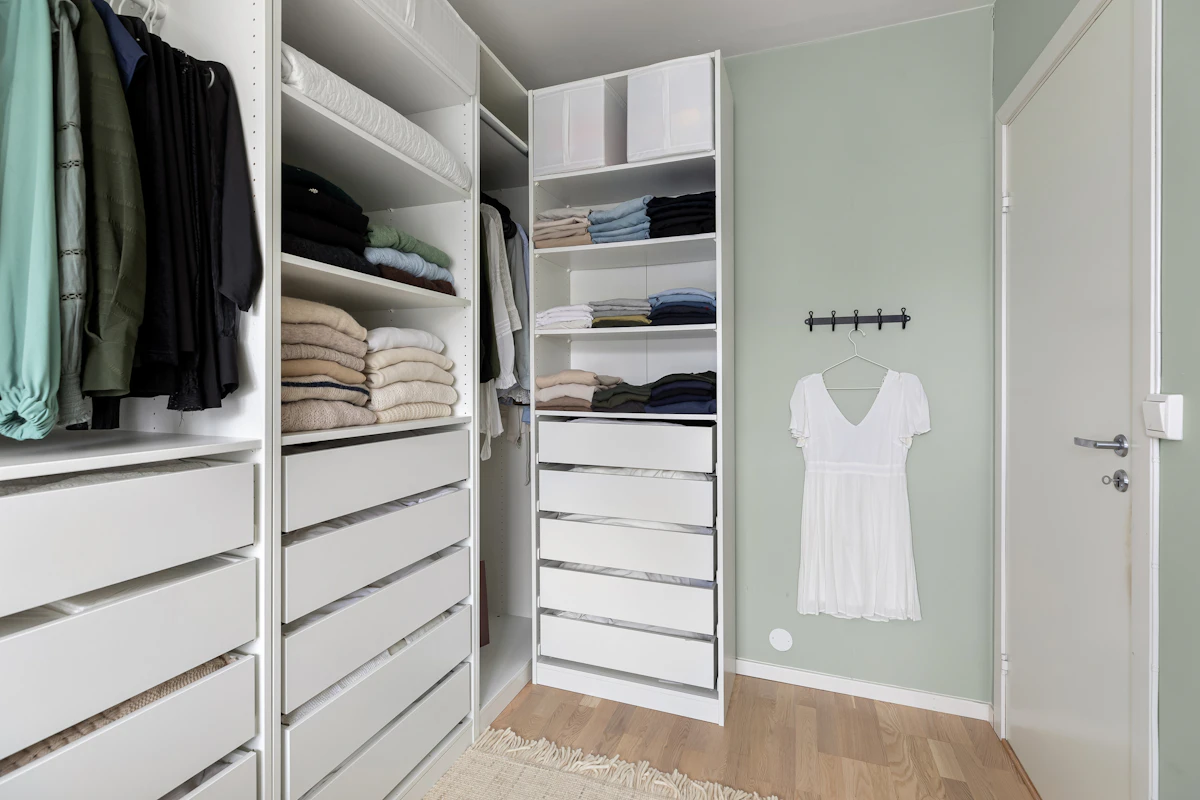
Upper shelves are ideal for items you do not need every week. Use labeled boxes for seasonal clothing, occasion accessories and spare bedding.
5. Use the back of the closet door
Hooks and door organizers can hold belts, scarves, bags, shoes and accessories that would otherwise occupy shelf or drawer space.
6. Add bins or drawers to deep shelves
Open shelves can waste depth when small items disappear at the back. Bins or shallow drawers turn that depth into practical storage for underwear, gym clothes and accessories.
7. File-fold clothes in drawers
Vertical folding lets you see more items at once and avoids disturbing an entire pile when you remove one piece. It works especially well for T-shirts and casual clothes.
8. Create a dedicated shoe zone
Keep shoes together on a low rack, shelf or stackable system instead of spreading them across the floor. Store less-used pairs higher or farther back.
9. Keep accessories visible
Small trays, hooks and transparent organizers help you use accessories you already own instead of forgetting them in a drawer.
10. Edit the wardrobe regularly
Good closet organization ideas include a quick seasonal review so the wardrobe does not slowly return to an overfilled state. Remove items you consistently avoid wearing and make space for what you actually use.
Closet Organization Ideas: A Simple Zoning System
- Eye level: everyday clothes.
- Upper shelves: seasonal and occasional items.
- Lower area: shoes and heavier items.
- Door: accessories and lightweight items.
- Drawers or bins: small categories that do not stack well.
Closet organization mistakes
- Buying bins before measuring shelves.
- Using boxes so deep that items disappear.
- Overfilling hanging rails.
- Mixing everyday and seasonal clothes.
- Keeping empty packaging or storage bags that serve no purpose.
Choose Closet Organizers That Actually Fit
Choose by the problem, not the product. Slim velvet hangers suit crowded rails; shelf dividers help unstable folded stacks; hanging shelves work best when the wardrobe has spare rod capacity; low shoe racks keep everyday footwear accessible; and drawer dividers separate socks and small accessories. Before purchasing, measure usable width, depth, height, door clearance and weight limits. Product recommendations will be added here once their exact Amazon listings and affiliate links have been checked.
Which organizer should you choose?
For crowded rails, start with slim non-slip hangers. For unstable clothing piles, use shelf dividers. For shoes, choose a low rack that does not block doors. For smaller accessories, use measured drawer dividers. Always check weight limits and available clearance before buying.
Frequently asked questions
What is the best way to organize a very small closet?
Start by reducing the wardrobe, then maximize the existing rail, shelves and door before adding standalone furniture.
Do matching hangers really save space?
Slim hangers can save noticeable rail width compared with bulky wooden or mixed hangers. The consistent shape also reduces visual clutter.
How often should I declutter my closet?
A seasonal review works well for most people because it aligns naturally with changes in weather and clothing use.
The best closet organization ideas make it faster to see what you own, easier to put clothes away and simpler to keep the wardrobe under control.
Related: 10 Things Making Your Small Apartment Look Cluttered and 7 Small Space Storage Ideas.