
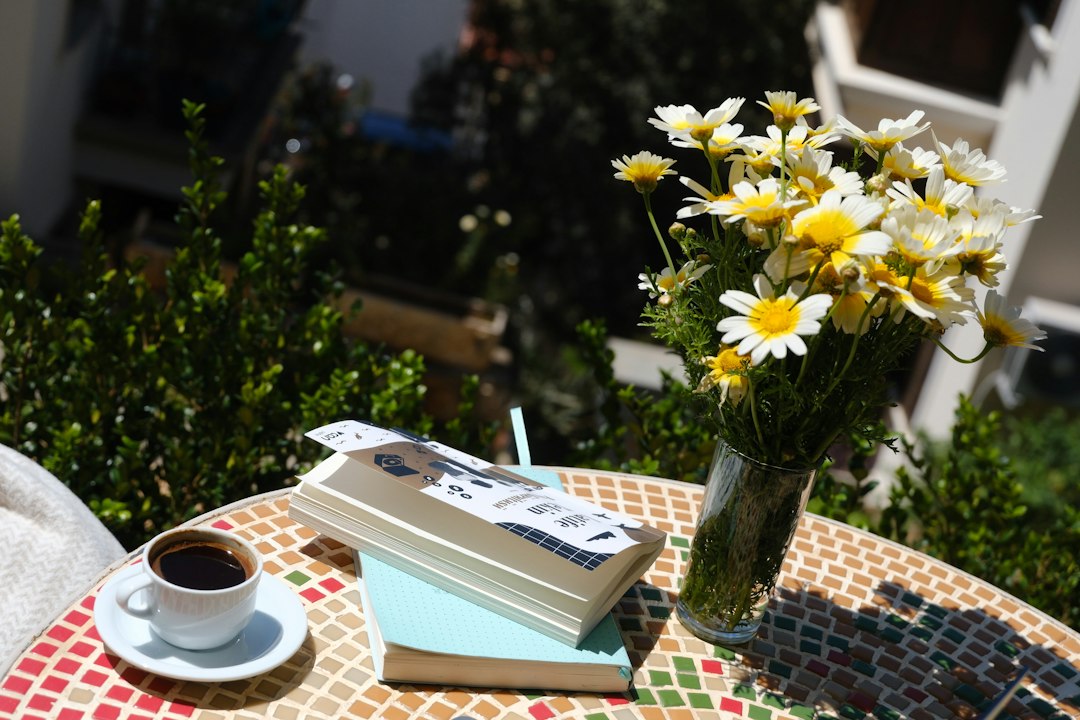
A good outdoor reading nook can be remarkably simple: a supportive seat, suitable shade and a place to rest a book.
Keep exploring
Start with how and when you read outdoors
A reading nook should be planned around the hours you genuinely have available. A balcony that looks inviting in photographs may receive glaring afternoon sun or cold wind at the time you want to use it. Sit in the proposed location for fifteen minutes in the morning and again later in the day, paying attention to light, privacy, noise and temperature. Check whether neighbouring windows overlook your chair, and whether passing traffic or nearby equipment makes concentration difficult.
Sketch the floor area before buying furniture. Account for the full door swing, a chair’s occupied footprint and a clear path back indoors. Avoid squeezing a large armchair into a tiny patio simply because its dimensions technically fit when nobody is sitting in it. Consider how you will carry books, drinks and cushions outside without moving several objects each time.
Choose an ergonomic chair rather than a decorative one
The seat is the most important purchase. Test the height, back angle and support, particularly if you like to read for longer periods. A beautiful woven chair that forces you to lean forward may become uncomfortable quickly. Look for outdoor-rated materials that tolerate the local climate, but do not sacrifice comfort for weather resistance. A removable cushion can improve support when suitable for the chair.
Think about the way you hold a book. Armrests may help you settle into the seat, while a chair with a slightly reclined back may work well for relaxed reading. Very low lounge chairs can be difficult to enter or leave for some people. Where space is tight, one well-chosen chair generally serves the nook better than a pair of uncomfortable folding stools.
Make room for one useful side table
A side table has to support a mug, glasses and the current book without wobbling. Select a footprint that leaves comfortable clearance for feet and movement. A narrow pedestal table may suit a very small balcony, while a stable low bench can double as a perch for a tray if appropriate. Test the full arrangement while seated to make sure the surface is actually within easy reach.
Avoid storing paperbacks permanently outdoors, even in a seemingly sheltered corner. Condensation, humidity and rain can damage paper, bindings and electronic readers. Plan a reliable indoor landing place for books and small accessories. The more easily you can set up and put away the nook, the more frequently you will use it.
Manage daylight and screen glare
Natural light is a pleasure when it illuminates the page without shining into your eyes. Observe the direction of light in the hours you intend to sit outside. If direct sunlight creates glare, move the chair within existing shade or consider a suitable shade solution that is securely installed and permitted. Do not use an unsecured umbrella on an exposed high-rise balcony, where wind can make it hazardous.
For evening reading, select lighting designed for outdoor use and appropriate to the setting. A rechargeable reading lamp may be practical if used according to its safety instructions. Avoid bright decorative strings placed directly at eye level; they can make the scene picturesque while doing little to illuminate the page. Aim for adjustable task light and a calmer background.
Work with wind, temperature and weather
A sheltered patio and an upper-floor balcony are very different microclimates. Wind can make an otherwise mild evening uncomfortable, disturb pages and tip lightweight accessories. Consider the direction from which gusts arrive and position the seating in the most protected practical location. Avoid adding tall screens or freestanding partitions without confirming that they can withstand outdoor conditions.
Choose weather-appropriate fabrics and materials, then give yourself somewhere dry to store them between uses. A washable throw may be welcome on cool evenings but should not be left to absorb rain. If the balcony is exposed in winter, it may be sensible to treat the reading nook as a seasonal space rather than trying to keep it fully furnished throughout storms.
Visual inspiration and practical checklist
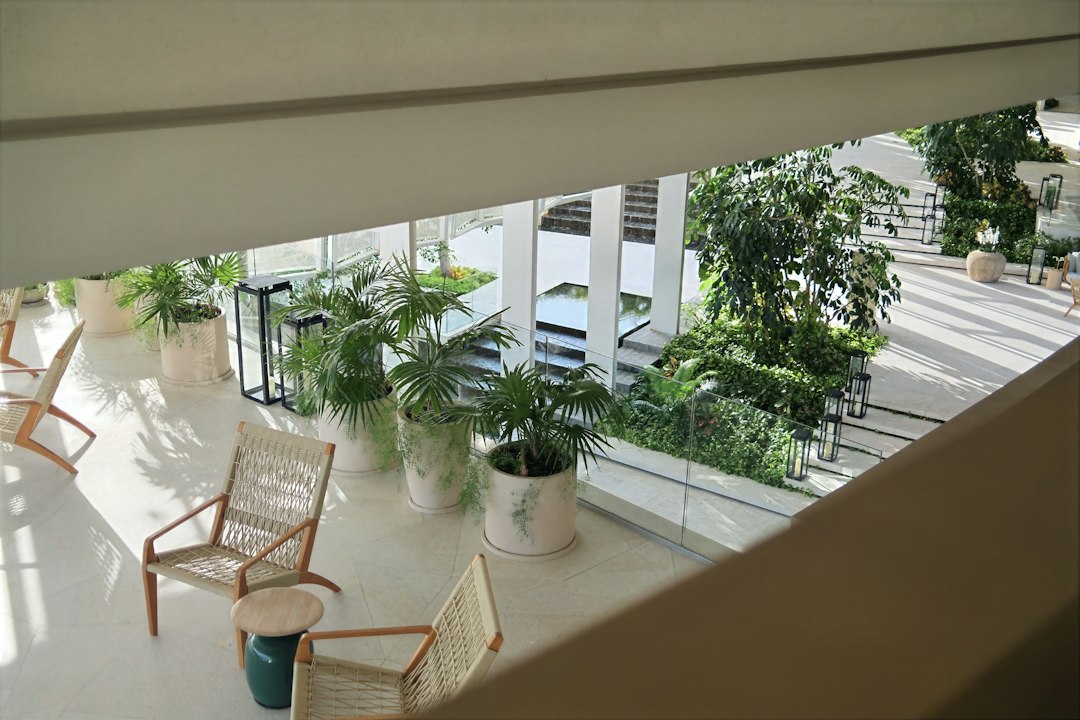
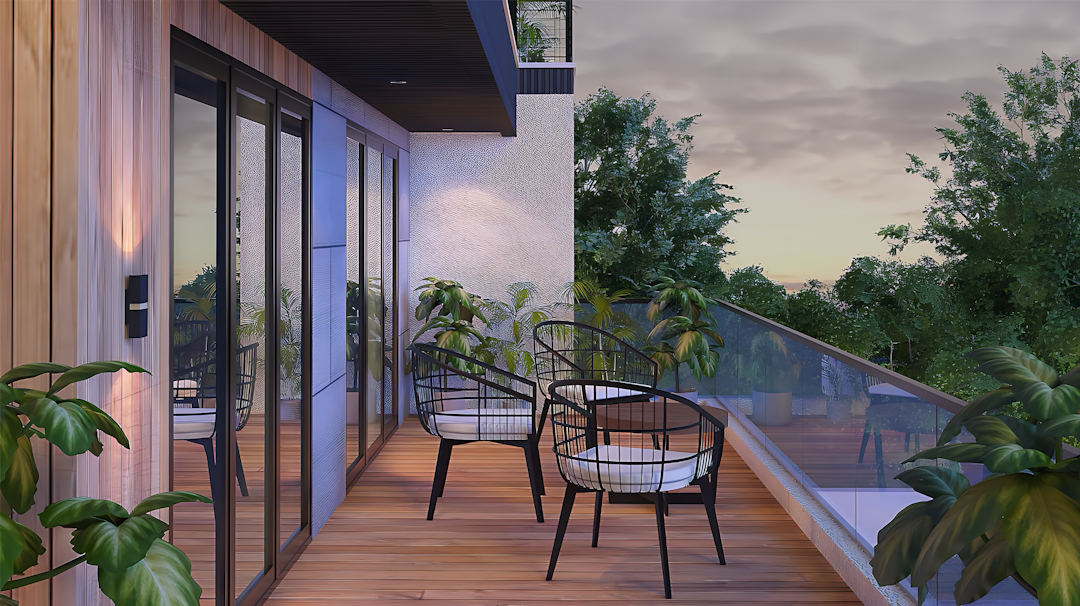
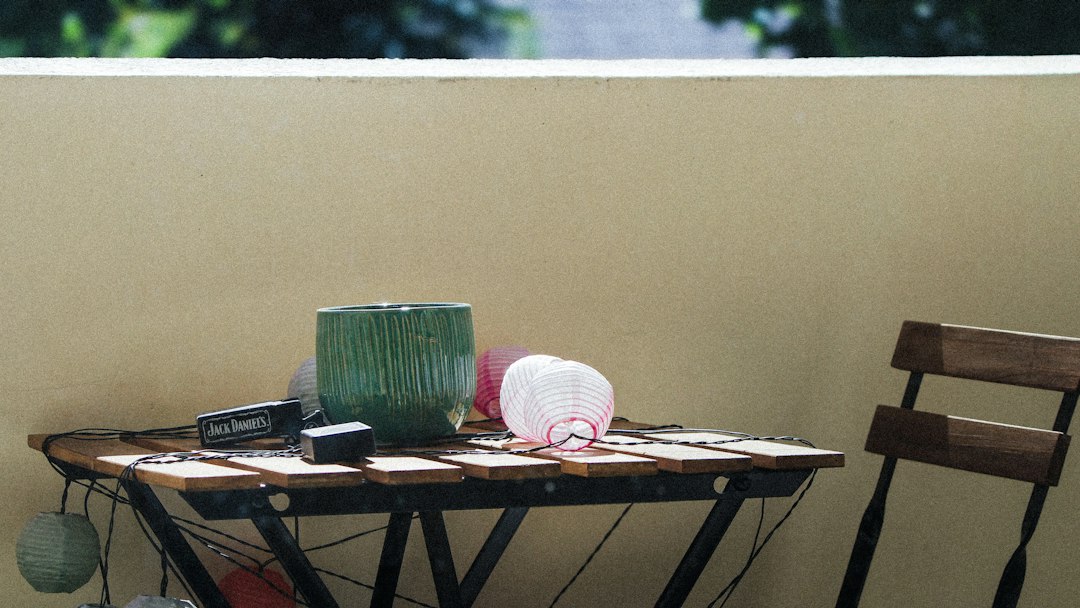
SMART SPACE FINDS · VISUAL CHECKLIST
- Find comfortable reading light
- Prioritise chair and small table
- Keep books dry indoors
Add greenery without crowding your seat
Plants can soften hard walls and make a reading corner feel more private, but their needs should be matched to the actual light. On a shaded balcony, select appropriate foliage rather than sun-loving herbs that will struggle. In strong sun, choose plants suited to bright conditions and the available root volume. Use stable, draining pots positioned away from essential walking routes.
One plant with a pleasing leaf shape can offer more visual interest than several small containers arranged around your feet. Check mature size before purchase and leave access for watering. If planters sit above seating, follow structural safety rules and avoid heavy unsecured installations. Greenery should enhance the nook without introducing falling objects or constant maintenance.
Consider privacy and sound carefully
A reading space feels restorative when you can settle without feeling on display. Position the chair where existing walls or foliage provide some screening, provided they do not cut off safe visibility or ventilation. Before installing privacy screens, consult building rules and consider wind loading. Lightweight bamboo panels can act like sails in strong gusts and may not be suitable for exposed balconies.
Noise cannot always be eliminated, but you can decide when to use the space. An early morning reading ritual may be quieter than a busy evening. Soft outdoor textiles can make a small corner feel warmer, although they do not provide meaningful soundproofing. Focus on realistic improvements that fit the setting rather than promising a silent sanctuary in the middle of a city.
Choose a calm material and colour palette
A cohesive outdoor nook does not require an expensive matching furniture set. Repeat one or two materials, such as warm-toned wood, woven textures or muted metal, then use a cushion or plant to add contrast. Limit small ornaments that compete with books and practical surfaces. Negative space is useful, especially when a nook occupies the same balcony as daily household tasks.
Consider how the setting looks from indoors. A chair angled slightly toward a pleasant view can create a stronger composition than furniture aligned rigidly against the wall. Keep the route to the balcony clear and resist placing decoration where it makes window cleaning or plant care difficult. A useful outdoor room stays attractive because it works.
Create a low-maintenance routine
After each session, take paper books, devices and vulnerable textiles inside. Wipe spills from the table and check that no loose object could move in the wind. A compact basket near the indoor door can hold the cushion and current reading material, making setup quick. Keep outdoor-rated furniture clean according to the maker’s directions and inspect it for loosened fittings.
During rainy periods, check whether water pools beneath a rug, chair or planter. Persistent moisture can damage surfaces and materials. Remove or dry items as appropriate, and do not let a decorative floor covering conceal blocked drainage. The fewer awkward steps needed to reset the corner, the more likely the nook will remain part of your actual routine.
Budget for comfort before styling
Allocate the largest share of the budget to the chair and the practical surface beside it. Lighting is worthwhile if you regularly read after dusk, while extra cushions and ornamental accessories are optional. Measure and test before purchasing, and look for products that can be used elsewhere in the home if your layout changes. A folding side table may offer more flexibility than a bulky fixed bench.
Buying everything in one weekend can lead to disappointing dimensions or unnecessary duplicates. Start with the chair and table, use the space for a week and then identify what is missing. Perhaps you need shade, a better lamp or a plant rather than another decorative object. A phased approach lets the balcony reveal its real requirements.
A five-day setup challenge
On day one, observe the light and noise at the times you would like to read. Day two is for measurement and safety checks, including door clearance and exposure to wind. On day three, choose a comfortable seating position and test it with an existing chair where possible. Day four is for adding a side table and practical lighting if needed.
On day five, enjoy an actual reading session and note what interrupts you. Was the table too far away? Did the sunlight move into your eyes? Were books hard to carry? Solve these specific problems before adding accessories. This makes the design evidence-based instead of simply decorative, and it reduces wasted purchases.
Adapt a reading nook to the seasons
In summer, the main considerations may be heat, glare and keeping drinks cool. During autumn, comfort may depend on wind protection and storing textiles dry. In winter, a sheltered balcony can still be pleasant on certain days, but do not rely on unsafe heaters, unsuitable extension leads or unstable screens to create an indoor climate outdoors. Follow local building rules and equipment instructions.
As light patterns and temperatures change, reassess the chair’s position. A spot that works in spring may receive harsh low-angle sun during another season. Keep furniture and plant choices flexible enough to accommodate small changes. The aim is a nook you can return to whenever the weather is suitable, not a permanent staged scene.
Reading nook planning matrix
| Priority | Practical choice |
|---|---|
| Comfort | Supportive, appropriately sized chair |
| Daylight | Glare-free reading position |
| Evening use | Suitable outdoor-rated task light |
| Care | Dry indoor storage for books and cushions |
A good outdoor reading nook can be remarkably simple: a supportive seat, suitable shade and a place to rest a book.
Find a sheltered corner
Observe sunlight and wind at the times you expect to read. Avoid blocking exits or creating a trip hazard on a narrow patio or balcony.
Prioritize a comfortable chair
Test the seat height and back support, and consider a weather-friendly cushion. A folding chair is useful only if you enjoy sitting in it.
Add a small landing surface
A stable side table should fit a book, water glass and glasses case without obstructing movement.
Manage glare and shade
Direct sunlight on a book can be uncomfortable. Use existing building shade or appropriately secured outdoor equipment; do not use unstable umbrellas in wind.
Protect books and fabric
Bring paper, throws and cushions indoors after use. Even outdoor-rated materials last longer when regularly dried and stored properly.
Keep the scene calm
One planter or lantern-style outdoor LED light may be enough. Leave room around the chair so the nook feels restful rather than crowded.
The takeaway
A reading nook succeeds when it invites you to sit down. Start with the chair you already have, then refine the light and layout.
Read next
The editor’s detailed guide
Find the best time of day
Observe sunlight, wind and privacy when you expect to read. A place shaded at noon may be glaring in late afternoon, so check the actual conditions.
Make the seat the priority
Choose a supportive chair you can sit in for an extended period. Test the seat height and back support instead of choosing purely on appearance.
Give the book a landing place
A stable compact table for a drink, glasses and paperback improves everyday usability. Leave a clear route around the furniture.
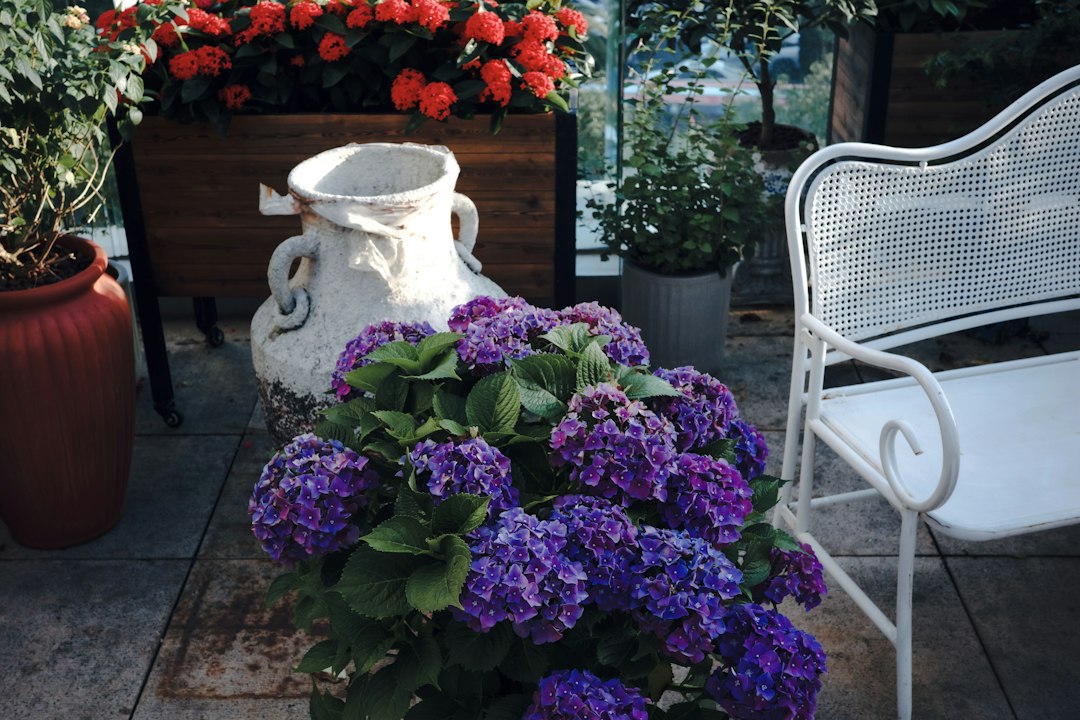
Control shade safely
Use existing building shade or appropriately secured outdoor equipment. Do not rely on unsecured umbrellas in windy conditions or obstruct walkways.
Protect reading materials
Paper and soft furnishings deteriorate when left in damp air. Plan an easy indoor storage spot so the nook remains simple to use.
Keep the composition quiet
One suitable plant or gentle outdoor-rated lamp is enough for atmosphere. Avoid crowding a small balcony with decorative objects that need constant rearrangement.
At a glance
| Zone | Practical choice |
|---|---|
| Chair | Support and comfort |
| Side table | Stable and compact |
| Light | Comfortable glare-free exposure |
| Storage | Dry indoor landing spot |
Frequently asked question
Does a reading nook need a balcony?
No. A small patio, courtyard or sheltered corner can work when seating and light are comfortable.