A good balcony garden starts with understanding its light, wind, safety rules and available space.
Observe the balcony before buying anything
Look at the balcony in the morning, at midday and toward evening. Record when direct sunlight actually reaches the floor and railing, rather than relying only on its compass direction. Overhangs, nearby buildings and trees can dramatically change conditions. Photograph the scene at consistent times for several days. If the balcony gets only limited open-sky light, avoid buying plants that require strong sun simply because they look attractive at the garden centre. Wind and rain exposure matter as much as sunlight when containers are elevated.
Measure where the door opens, where you intend to sit and how you will access every planter for watering. A balcony is part of your home, and it must remain comfortable and safe for people. Check any building restrictions, loading limits and drainage arrangements. Wet soil can be heavy; never assume a railing can support a hanging pot without suitable structural approval. Sketch the proposed arrangement before you shop.
Build a realistic three-container layout
Three planters are enough to test the space and develop a manageable routine. Select one container for a culinary herb you regularly use, one for attractive foliage and one for seasonal colour or another edible. That mix is only a starting point: if the balcony is deeply shaded, choose three compatible shade-adapted ornamentals instead. Healthy plants suited to real conditions are more valuable than an ambitious display that needs constant replacement.
Keep the containers independent at first. Separate pots allow you to move individual plants, check their moisture and replace an unsuccessful choice without disturbing healthy neighbours. A coordinated set of different heights looks intentional, but avoid unstable stands or heavy pots positioned overhead. Arrange the tallest foliage where it frames the view rather than blocking a window or exit.
Container one: growing something to eat
For cooking, choose a plant you will genuinely harvest. Parsley and chives may work in bright positions with some partial shade, while basil usually needs greater warmth and sunlight. Rosemary and thyme prefer well-drained conditions and good light. Mint can grow vigorously and is often best given its own container. Research the requirements of the exact species; labels such as easy herb omit important differences in soil moisture and temperature.
Begin with a healthy small plant rather than many varieties crowded into a narrow trough. Leave room for roots to expand and use a suitable growing medium. Harvest moderately until vigorous new growth appears. Keep edible herbs separate from products or treatments not labelled for food crops, and wash harvested foliage appropriately before cooking. A modest but reliable supply of fresh herbs is a rewarding first success.
Container two: lasting green structure
A foliage plant offers visual depth even when seasonal flowers are absent. Choose by leaf form, mature width and tolerance of your actual outdoor conditions. Some ferns and other shade-adapted plants can look beautiful in suitable climates, but the term fern covers many species with very different needs. Check cold tolerance and pet safety by botanical name, especially if the pot will remain outdoors in winter.
Use a pot that is stable in wind and large enough for the plant at maturity. A young specimen can look tiny beside a chair yet eventually obstruct circulation. Think about how foliage appears from inside the room; a well-positioned green silhouette may contribute more to the atmosphere than several tiny pots scattered across the floor. Keep access for pruning and drainage inspection.
Container three: seasonal interest
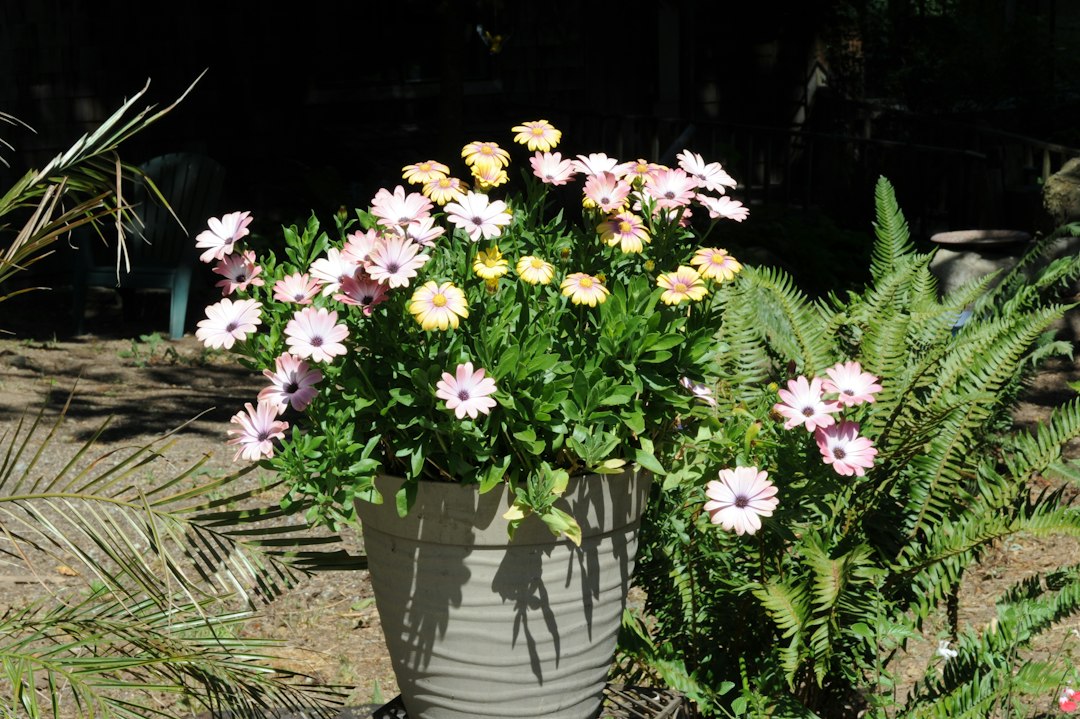
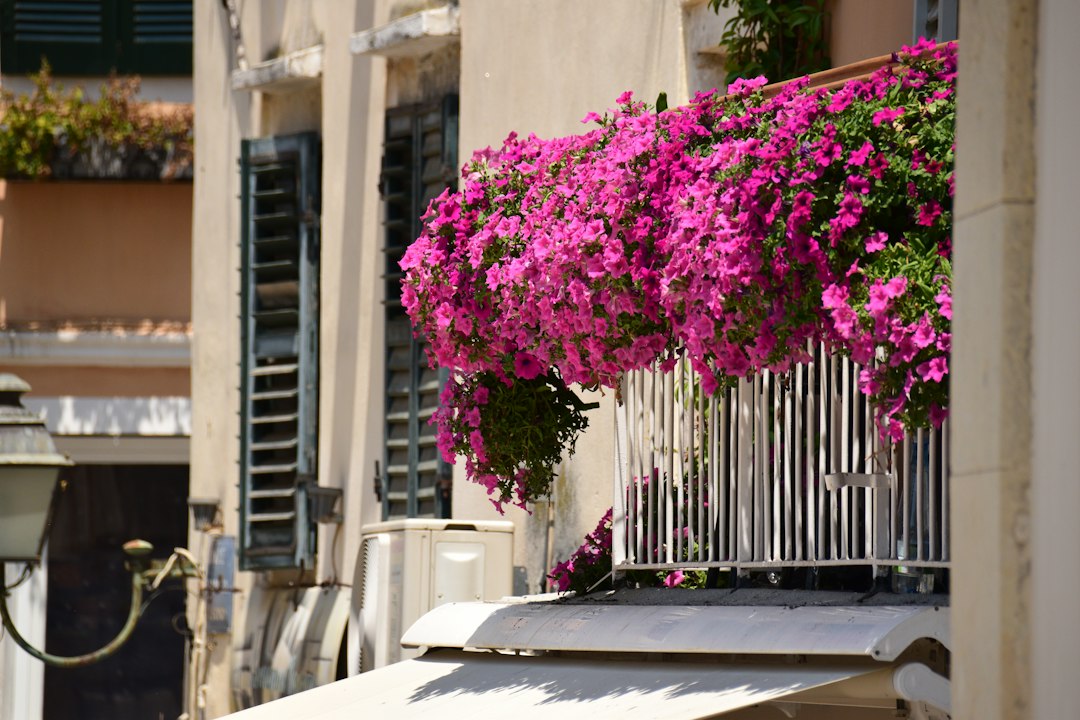
Flowers are appealing, but successful flowering usually depends on the right amount of light. Choose seasonal plants specifically recommended for your balcony’s conditions and local climate. A full-sun annual may decline in deep shade, while another species may thrive in bright indirect light. Observe temperatures, wind and watering needs before making the selection. Plan for replacement when a seasonal plant naturally finishes its display.
Alternatively, devote the third pot to another culinary herb, chosen for a different recipe or harvesting pattern. Do not promise yourself a productive tomato crop from a very shaded balcony: fruiting plants generally need abundant sunlight and adequate growing volume. Selecting a second leafy herb may give more dependable results in a compact setting.
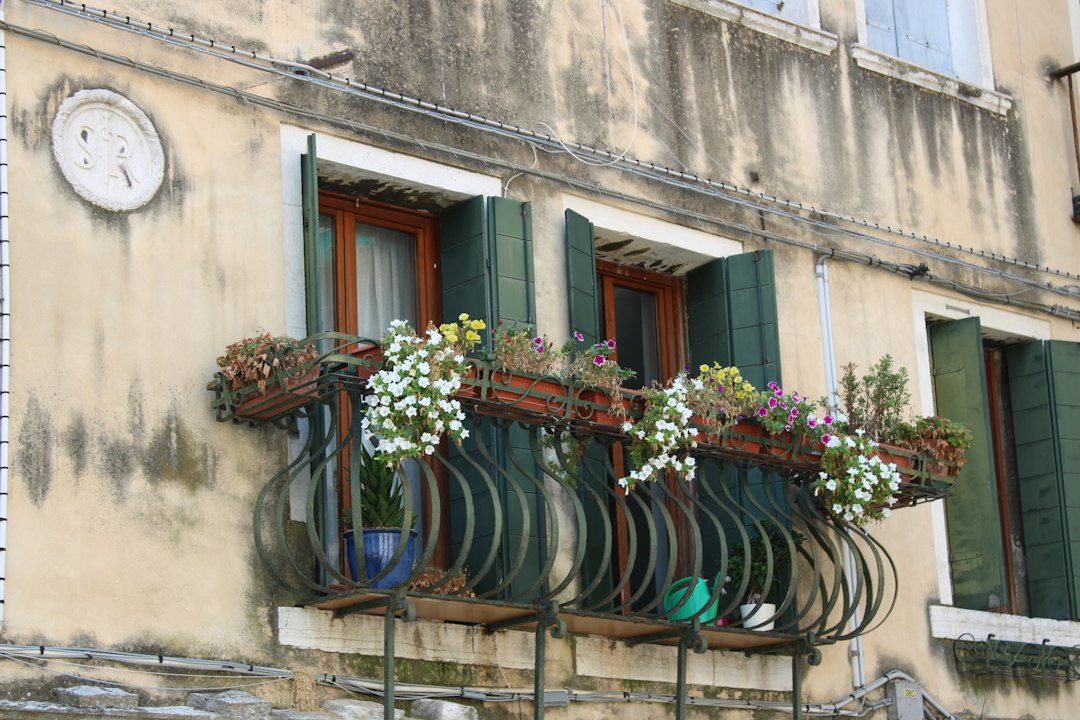
Visual inspiration and practical checklist
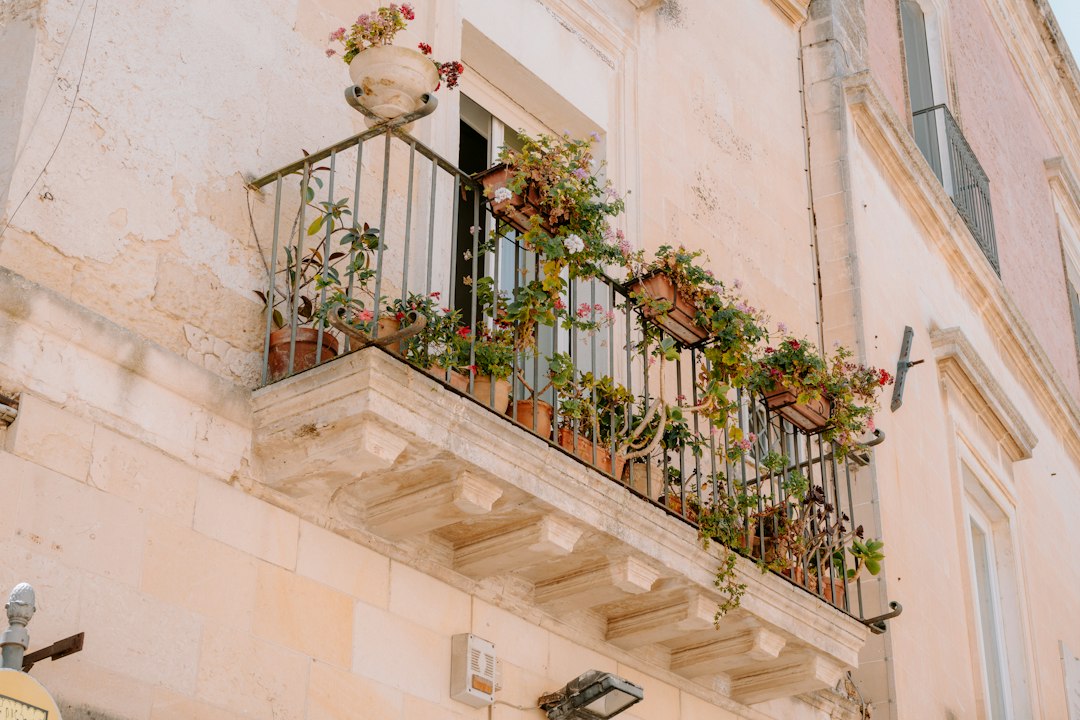
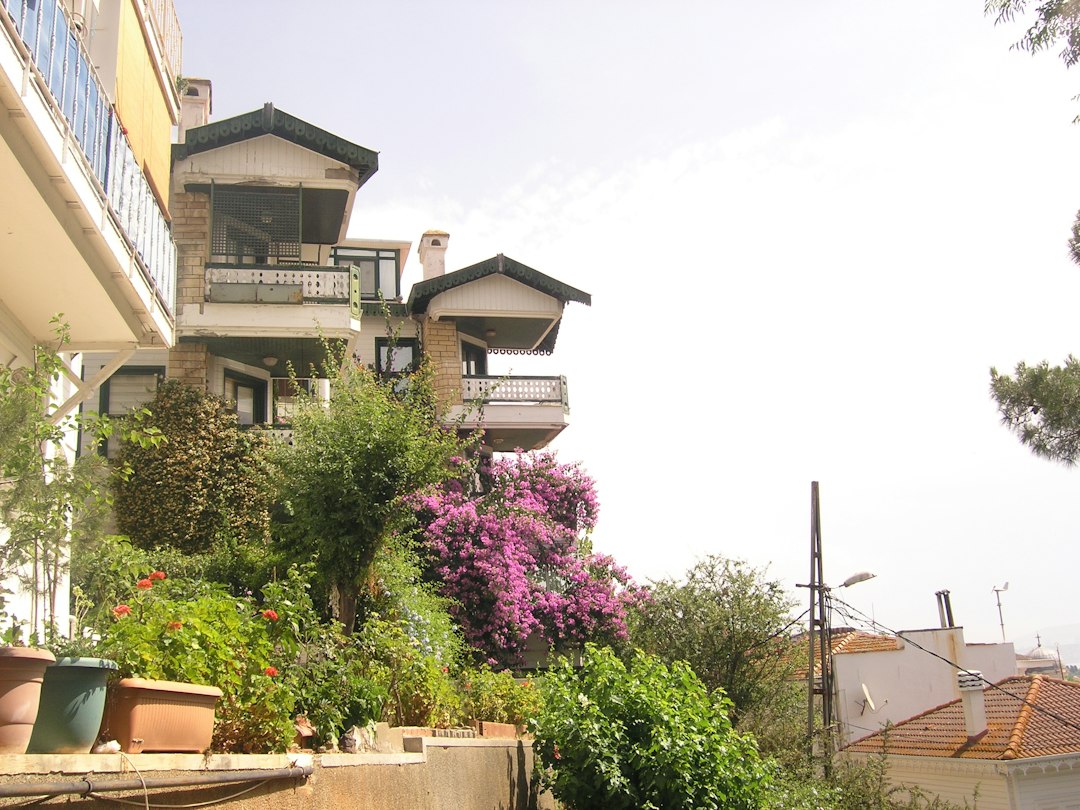
SMART SPACE FINDS · VISUAL CHECKLIST
- Observe balcony light
- Begin with three suitable pots
- Water according to soil
What makes a good container
Drainage holes are essential for most conventional container planting. Decorative covers can be used around nursery pots, but empty standing water after irrigation and rainfall. Terracotta may dry faster than glazed pots or plastic; none is universally best. Consider the weather, the weight when filled, the soil volume required and how easily you can lift the pot for maintenance. Do not put heavy containers on narrow railings or unsecured shelves.
A suitable potting mix needs to hold moisture while allowing roots access to air. Dense outdoor garden soil may compact in a container. Use appropriate clean compost, follow plant-specific guidance and avoid compressing it excessively. Keep a small gap beneath the rim to prevent watering from washing the medium onto the balcony floor. Protect vulnerable surfaces from persistent dampness.
Water according to the root zone
The most common beginner mistake is watering every pot on the same fixed schedule. Conditions vary even across a one-metre balcony. A pot exposed to warm wind may dry quickly, while another in shade stays damp. Touch the growing medium below the surface or learn the weight difference between freshly watered and drying pots. Water when needed for that species, let excess drain and keep saucers from remaining full.
Wilting can indicate a lack of water, but roots damaged by persistently wet soil may also struggle to support the leaves. Check soil condition before adding more. New plants may need careful observation as their roots establish, and containers often require less water during cooler low-growth periods. Frequent checking does not mean frequent watering: it means making an informed decision each time.
Sun, wind and seasonal changes
The light map you made in spring may change in midsummer. Higher sun, tree leaves and neighbouring balconies affect where light falls. Move containers gradually when conditions change rather than shifting delicate plants instantly from shade to intense sunlight. Leaf scorch and stress can follow sudden exposure. Notice which plants lean strongly toward daylight, and check whether they are producing compact healthy shoots.
Wind can be unexpectedly strong on an elevated balcony. It speeds drying and can break delicate foliage or tip unstable pots. Avoid lightweight accessories that might fall beyond the railing. Secure or bring in loose objects before storms. A sheltered, bright corner may be much more useful than a fully exposed position that offers a little extra sun.
Feed and prune with restraint
Container plants draw nutrients from a limited growing volume, but fertiliser is not a substitute for sufficient light or healthy roots. Follow species-specific guidance and the labelled instructions on any feed. Avoid strong or frequent feeding while growth is slow. Excess salts can damage roots, and overfeeding may encourage weak shoots. When a plant looks unwell, check drainage, soil moisture, light and pests before reaching for fertiliser.
Harvest herbs in small amounts from established plants. For basil, trimming suitable shoots above a pair of leaves can encourage branching. With parsley, remove mature outer stems while leaving young central growth. Remove obviously dead leaves as appropriate, but avoid severe pruning during establishment. Keep tools clean and do not use unapproved chemical treatments on edible foliage.
Create an affordable shopping list
Begin with three stable containers suited to plant size, a suitable potting medium and a basic watering can. Add saucers where they protect floors without trapping stagnant water. Purchase plants only after observing the light and researching their needs. Check the total cost of stands, brackets and supports before choosing a system. A low-cost pot can become expensive if it requires a special fitting or repeated replacement.
Spend on the elements that affect survival and safety first. Matching ceramics, decorative lanterns and elaborate vertical frames can wait. A comfortable outdoor chair may be worthwhile if it leaves enough circulation, but do not crowd the garden to achieve a magazine photograph. Leave room for the plants to reach mature size.
A month of simple observations
During the first week, label the pots and record their positions. Check drainage after the first watering and photograph the foliage. In the second week, observe how quickly each growing medium dries. Keep notes rather than trying to memorise everything. In week three, inspect leaves for pests, weak shoots and signs of poor light. Adjust one factor at a time when necessary.
In week four, evaluate whether each plant looks healthy, whether the arrangement is easy to water and whether the balcony remains enjoyable for people. If a plant consistently struggles, check its actual requirements before replacing it. A short record of successes and failures is more useful than buying an entirely new collection at the start of every season.
Troubleshooting common failures
Yellow leaves have several possible causes, including ageing, waterlogging, inadequate light or pest damage. Drooping foliage is not proof of thirst. Stems that stretch toward the light may indicate that the position is too dim, while pale damaged areas on one side may follow sudden intense sunlight. Inspect the soil, growing tips and leaf undersides before making changes. When in doubt, correct obvious drainage or environmental problems first.
Containers that crack in frost, frames that rock in wind and planters that drip onto neighbours are design failures rather than plant-care mysteries. Address the physical problem immediately. Choose frost-suitable materials where necessary, follow load instructions and reposition unstable equipment. The right three-container garden should be low-drama, not an ongoing series of emergencies.
Turn the balcony into a welcoming retreat
Use repeated pot colours or textures to make the arrangement feel unified. Combine foliage of different heights, placing the visually dominant plant where it balances the seating area. Allow empty floor to remain visible: negative space makes a tiny balcony feel calmer. Consider a compact weather-resistant side table only if it does not interfere with paths or door openings.
Outdoor lighting may create a pleasant evening atmosphere, but equipment must be rated for the setting and installed safely away from water. Store cushions and textiles dry between uses. A practical space that can be reset in a few minutes will be used more often than a heavily decorated one that requires constant moving of furniture.
When to add a fourth pot
Expansion should follow evidence. If all three plants are growing well and the watering routine is easy, consider one additional plant with a clear purpose: herbs for a particular recipe, another foliage texture or seasonal colour. Repeat the same checklist for light, soil, mature size, structural loading and safe access. More containers can reduce plant health by increasing shade and crowding.
If one of the original plants is declining, address the underlying reason before buying more. A healthy compact garden offers more pleasure and reliable harvests than a full balcony of stressed plants. The best long-term design is one you can maintain in ordinary busy weeks, not only on weekends when you have plenty of time.
A three-container decision table
| Container | Purpose | Main question |
|---|---|---|
| One | Culinary herb | Is there enough useful light? |
| Two | Foliage structure | Is it suitable for local seasons? |
| Three | Flowering or another edible | Will root volume and light support it? |
A good balcony garden starts with understanding its light, wind, safety rules and available space.
Assess sun and wind
Track direct sun over several days and notice strong gusts or sheltered corners. Choose plants suited to those conditions rather than the appearance of a shop display.
Check safety first
Review building rules, weight restrictions and drainage before placing pots, especially on railings or elevated edges.
Choose three purposeful pots
Combine a structural foliage plant, a seasonal flowering plant and one suitable culinary herb. Check their soil, sunlight and winter needs.
Water according to the soil
Use containers with drainage and check moisture before watering. Wind and hot weather may increase how often plants need attention.
Maintain the arrangement
Remove spent flowers, inspect pests and rotate movable pots if necessary. Start with a manageable routine before expanding.
Review after a month
Notice which choices are thriving and whether every container is safely accessible. Update the layout before adding more.
The takeaway
Start with a small, safe arrangement suited to your conditions. Explore more ideas in our gardening section.
The field notes
Container one: structure
Start with a compact foliage plant suited to your light and winter conditions. It creates a reliable visual anchor even when seasonal flowers fade.
Container two: seasonal colour
Choose a flowering plant that works with the balcony’s sun and wind. Check its growth habit so it will not block doors or neighbouring planters.
Container three: an edible element
A suitable herb creates a useful connection between outdoor space and cooking. Prioritise plants you regularly eat rather than buying many varieties at once.
The most important measurement
Wet soil and ceramic pots can weigh substantially more than expected. Check building restrictions and drainage, secure equipment against wind and never place unsecured containers where they could fall.
At a glance
| Situation | Suggested approach | What to check |
|---|---|---|
| Foliage planter | Year-round structure | Climate suitability |
| Flowering pot | Seasonal interest | Exposure and wind |
| Herb pot | Practical harvest | Light and watering |