
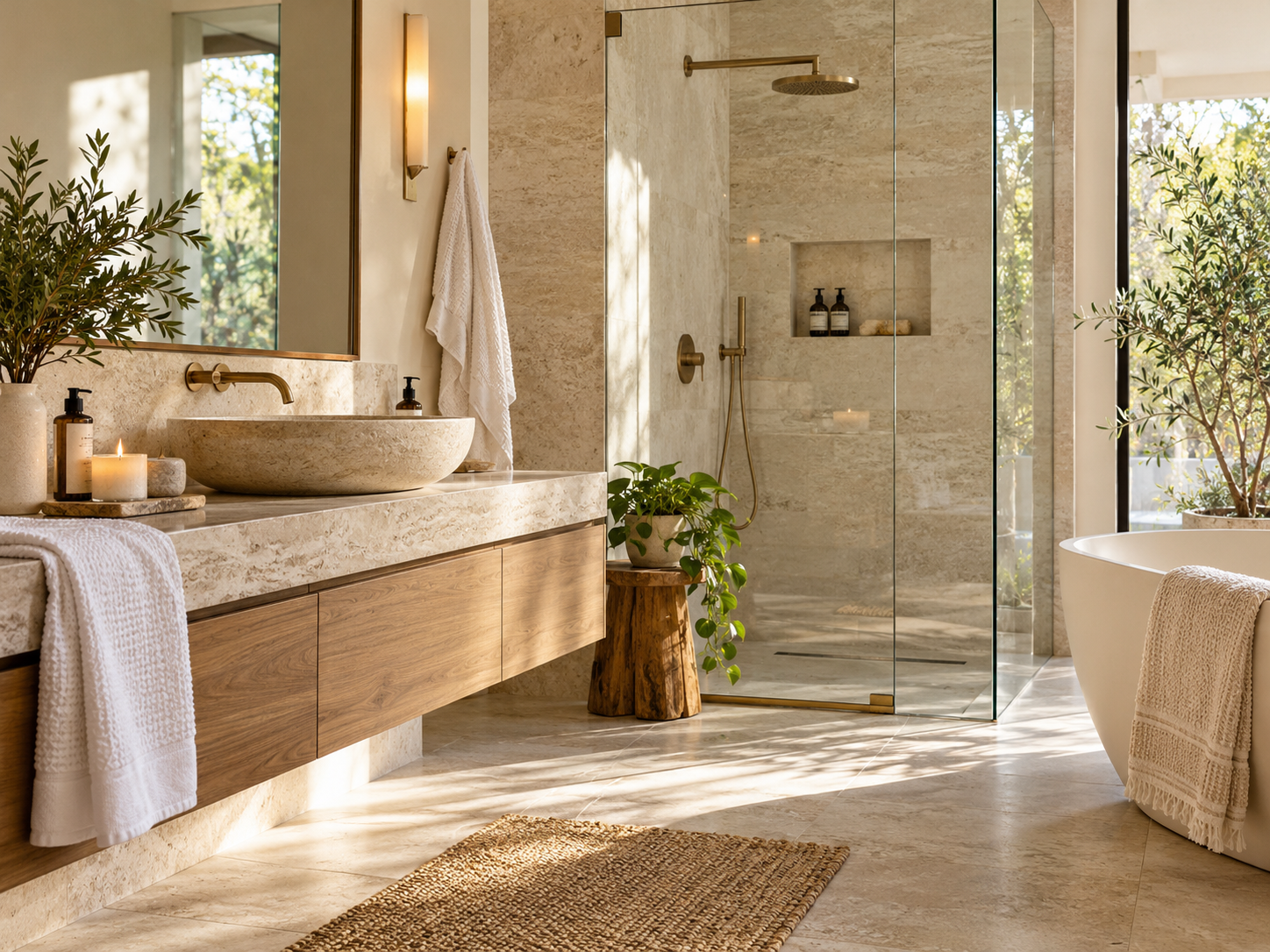
A spa feeling starts with an easier room
A home spa does not require a remodeled bathroom, freestanding tub or shelves of expensive skincare. It starts with a space that is clean, comfortable, convenient to use and pleasantly lit. An enjoyable routine is more likely to happen when towels are within reach, surfaces are clear and there is no complicated setup. In a small bathroom, even ten minutes of thoughtful preparation can change the atmosphere. This guide focuses on affordable details and practical routines rather than unrealistic transformations or promises of health benefits. Treat it as a way to make ordinary self-care more pleasant, not as a substitute for professional care.
Affiliate disclosure: This article contains Amazon affiliate links. As an Amazon Associate, we earn from qualifying purchases at no additional cost to you.
Decide what your spa routine actually includes
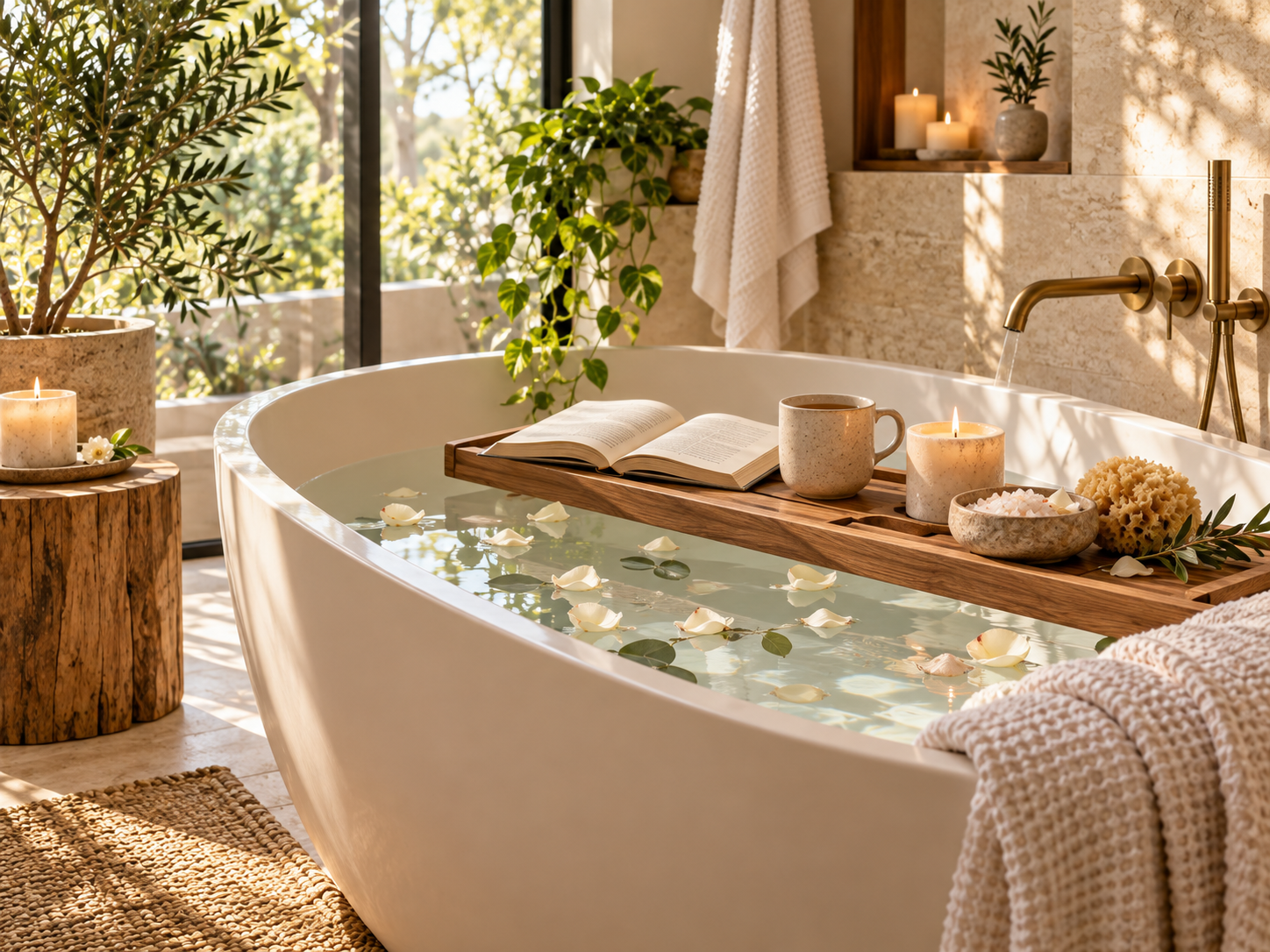
Choose the experience before choosing the purchases. Do you want a relaxed shower, an unrushed skincare routine, a quiet hand-care session or a few minutes of reading after a bath? Each version has different requirements. A shower-focused routine benefits from accessible products and a dry towel nearby. A skincare ritual needs a mirror with good task lighting and a wipeable surface. A bath requires safe water temperature, ventilation and a non-slip way to enter and leave the tub. Write a three-step routine that can fit your schedule and resist the temptation to purchase everything associated with a luxury spa photograph. Consistency is easier when the process is simple.
Declutter the visible surfaces first
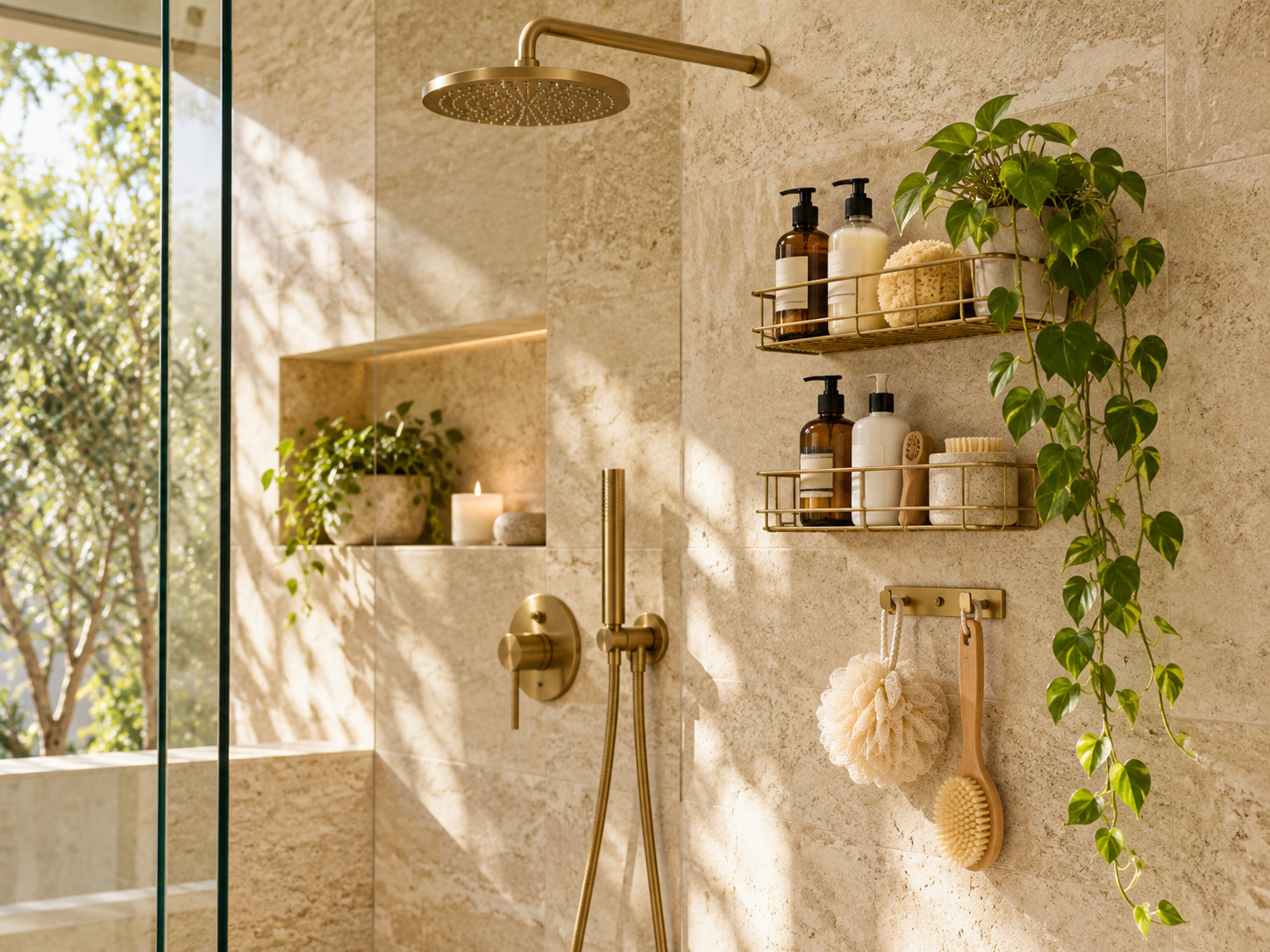
Start by removing empty packaging, expired toiletries and products you never use. Keep essential daily items in one accessible container, then move backups into a separate storage zone. You do not need identical amber bottles or decorative jars; original labeled packaging often provides important ingredient and safety information. Give each surface a purpose. The sink needs clearance for washing, the shower needs space for safe movement, and towel hooks should be reachable without dripping across the room. Wipe counters, clean mirrors and rinse the shower before introducing decorative objects. The feeling of calm comes primarily from less visual noise and easier access.
Build a soft lighting plan
Overhead bathroom lighting is excellent for cleaning and grooming but can feel harsh for an evening ritual. Where safe and appropriate, use a warm light outside wet zones to soften the atmosphere. A low-glare wall light or an existing dimmable bathroom fixture can be more useful than decorative gadgets. Never place a non-rated electrical lamp, charger or extension cord beside a bath or shower. Follow local electrical safety requirements and the manufacturer’s wet-location rating. Flameless LED candles can provide gentle atmosphere without open flames; place them on a stable, dry surface. Keep sufficient light to see wet floors and steps clearly. A spa-like mood should never compromise basic visibility.
Upgrade textiles without replacing everything
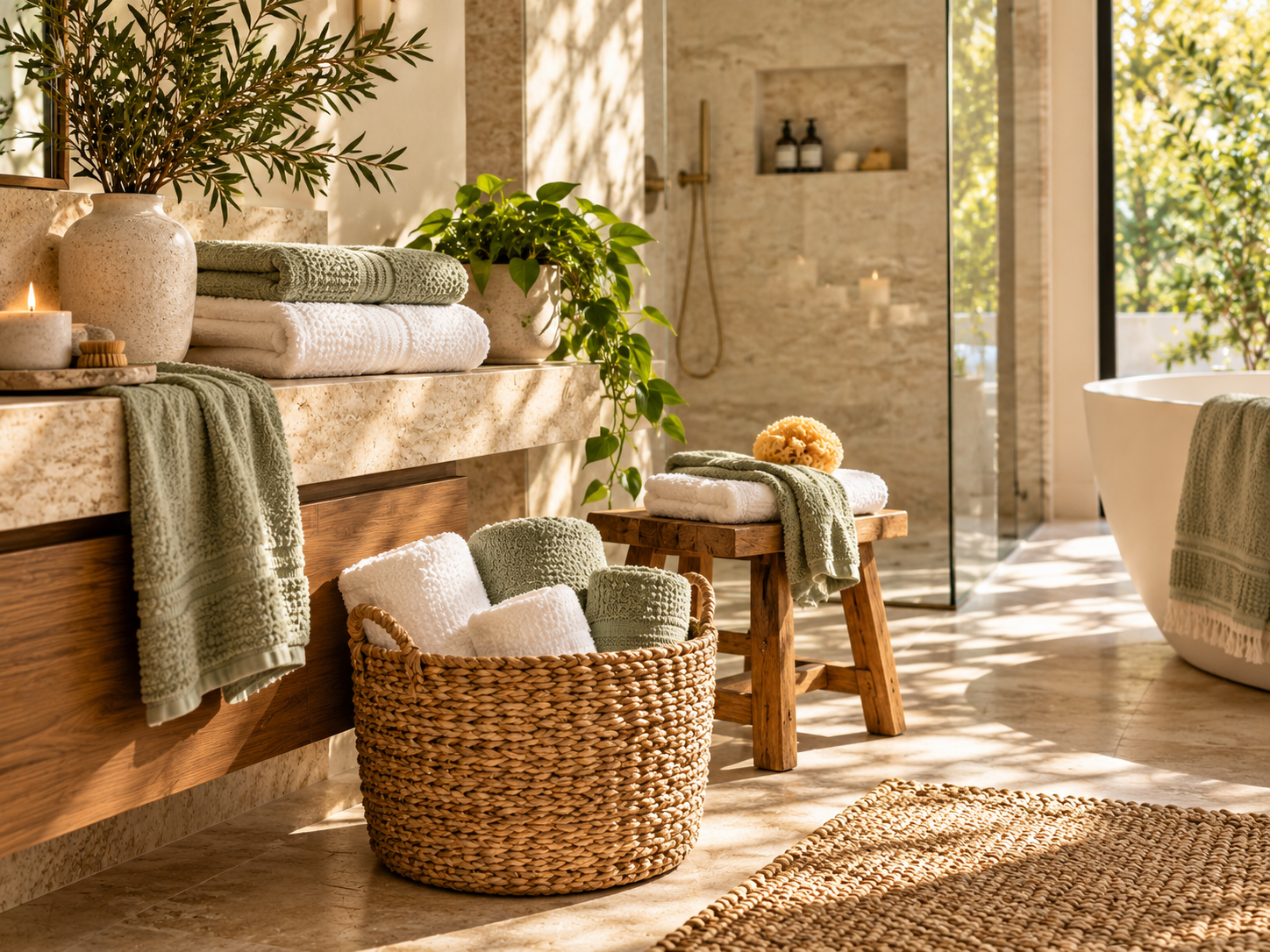
Soft, clean towels make a tangible difference. Before buying new ones, wash existing towels according to their care labels and avoid overloading the washing machine so they rinse well. Store a freshly folded towel in an accessible dry place. One washable bath mat with a secure non-slip backing usually does more than several decorative mats. Choose a fabric that dries reasonably quickly in your bathroom, especially where ventilation is limited. If you plan to add a robe, select one that you genuinely enjoy wearing and can launder easily. Neutral colors can create a cohesive look, but comfort, absorbency and hygiene matter far more than matching every piece.
Create an inexpensive shower ritual
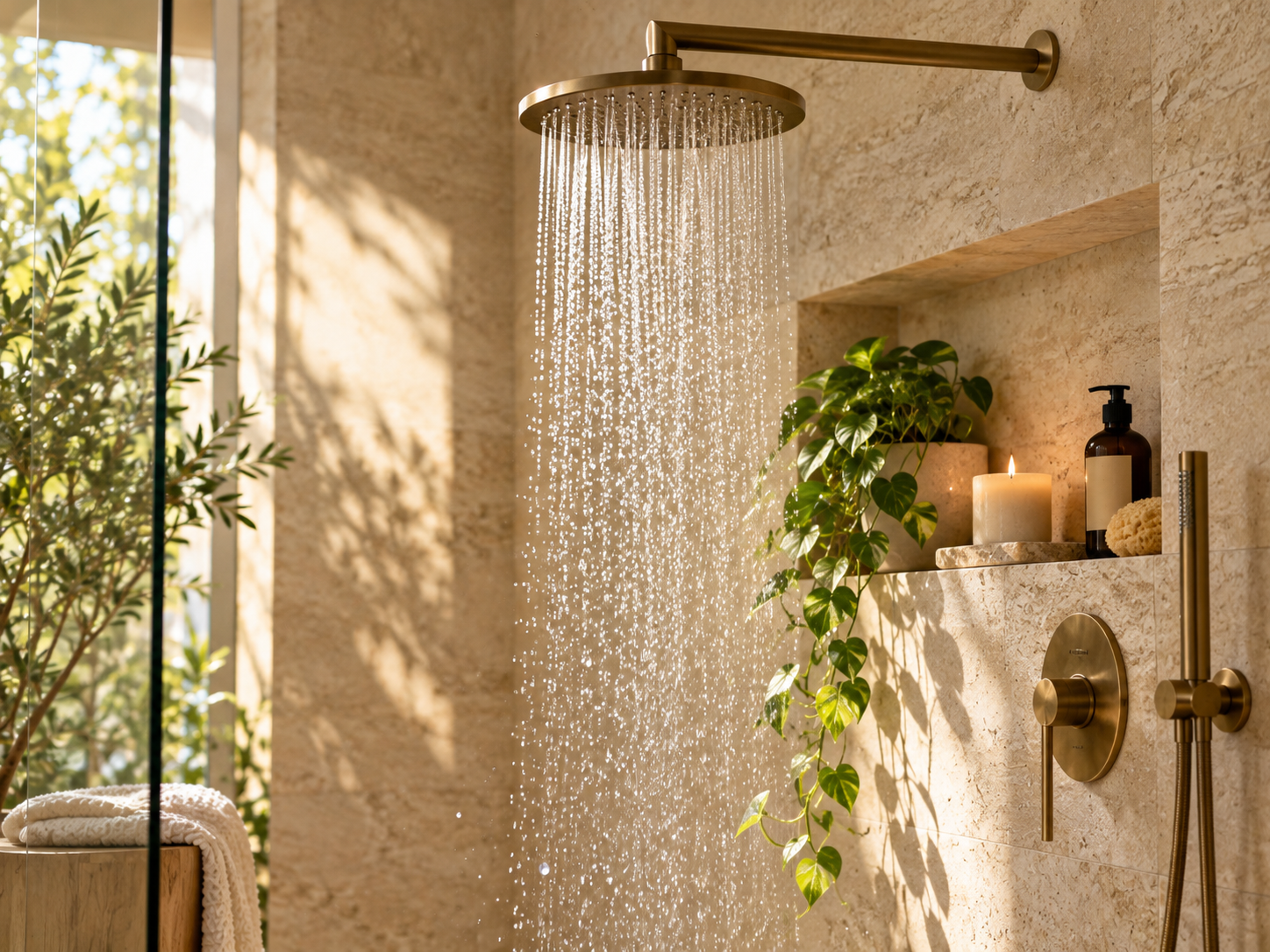
A pleasant shower can be the center of the whole experience. Put your preferred shampoo, cleanser and any regular care product where you can reach it without bending awkwardly. Run the water to a comfortable—not scalding—temperature. If you want music, keep the audio source away from water and at a respectful volume. Take time to use a soft washcloth if it suits your skin, and avoid aggressive scrubbing. Once finished, dry your feet carefully before leaving the wet zone. An absorbent towel, clear counter and warm robe can make the transition feel intentional without buying a showerhead, shelving system or specialty product.
Choose fragrance carefully—or skip it
Fragrance is optional, not a requirement for relaxation. Scented candles, sprays and essential oils can irritate people with sensitivities, and some fragranced products may be unsuitable around pets. If you share your home, ask before adding strong scents. For many bathrooms, fresh air and clean textiles are preferable to layering multiple fragrances. If you do choose a product, follow its label, keep it away from children and animals, and avoid adding essential oils directly to bathwater without appropriate formulation and safety guidance. A subtle unscented routine can feel every bit as polished as an elaborate aromatherapy display.
Turn one shelf into a functional spa station
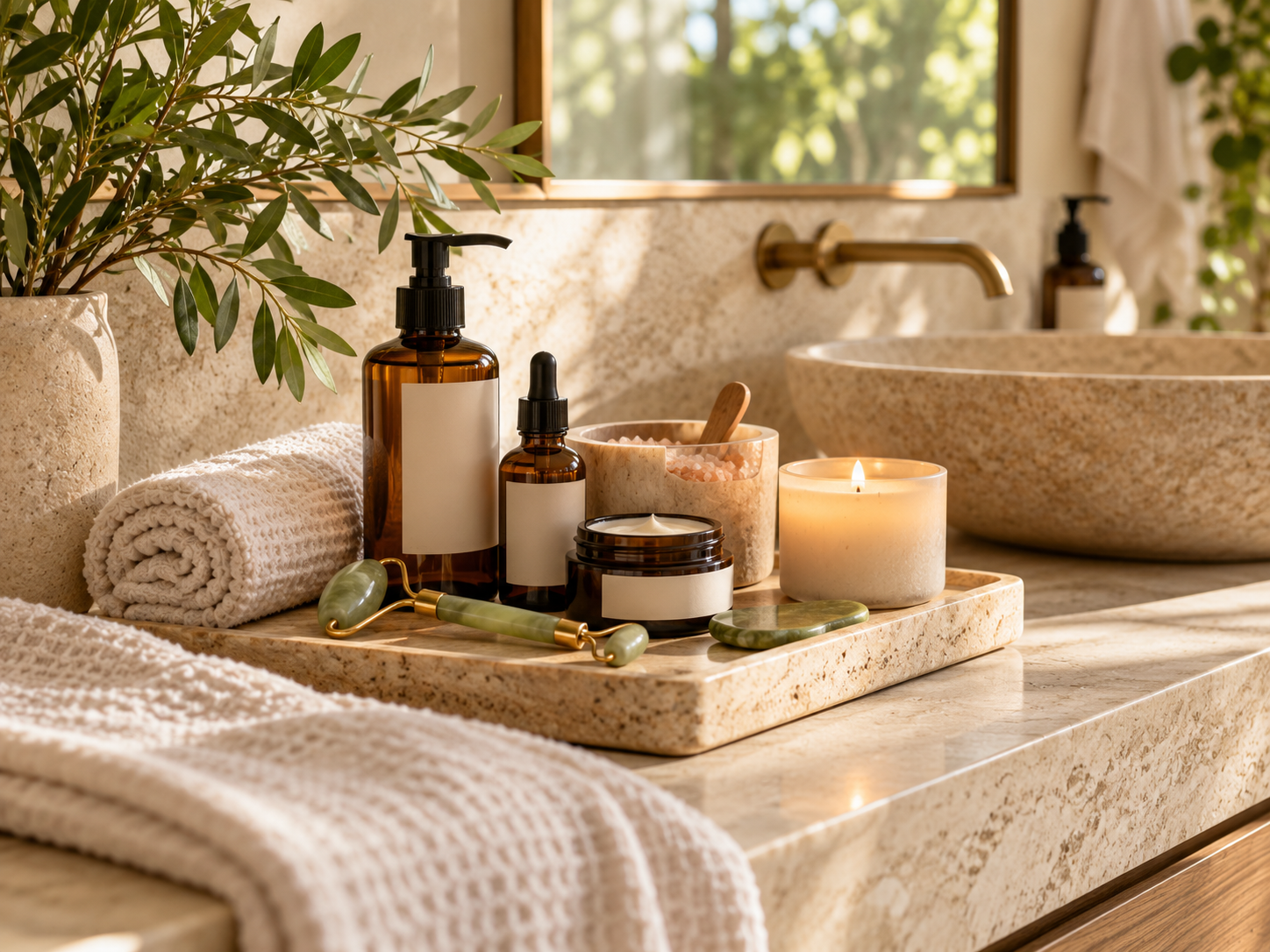
Dedicate a tray, shelf or small basket to the supplies for one routine. Group products by use rather than by packaging color: washing, moisturizing, hand care or grooming. Keep the station away from standing water, and make sure anything mounted to the wall can safely support its load. On a narrow vanity, a compact tray often works better than a tall organizer that makes the room feel crowded. If you have no counter, store the kit in a drawer and bring it out only when needed. A portable station is particularly useful in shared bathrooms because it respects everyone’s space.
Make a 20-minute spa-at-home sequence
- Minutes 0–4: Clear one surface, hang a clean towel and prepare the products you actually need.
- Minutes 4–6: Adjust lighting, check ventilation and put your phone on silent if convenient.
- Minutes 6–14: Enjoy an unhurried, comfortably warm shower or your normal cleansing routine.
- Minutes 14–18: Dry off safely, apply familiar moisturizer if desired and put on comfortable clothes.
- Minutes 18–20: Wipe down the wettest surfaces, put products away and leave the bathroom tidy for the next person.
The times are a flexible template. You can shorten it to ten minutes or extend it when your schedule allows. The aim is an easy experience you will repeat, not a rigid performance.
A thoughtful budget comparison
| Desired improvement | Use what you have | Optional purchase |
|---|---|---|
| Calmer counter | Move backups to a cabinet | Small wipeable tray |
| Comfortable drying | Freshly launder existing towels | One high-quality towel |
| Gentler ambiance | Use dimming where already installed | Wet-zone-safe lighting solution |
| Less clutter in the shower | Edit unused toiletries | Well-fitting shower caddy |
| Easy post-shower routine | Keep regular moisturizer nearby | Small storage basket |
Buy in this order: safety and maintenance first, then comfort, then decoration. A cheap accessory that traps water or is difficult to clean is not a bargain. Measure carefully, compare materials and check reviews for durability and cleaning.
Style a rental bathroom without renovating
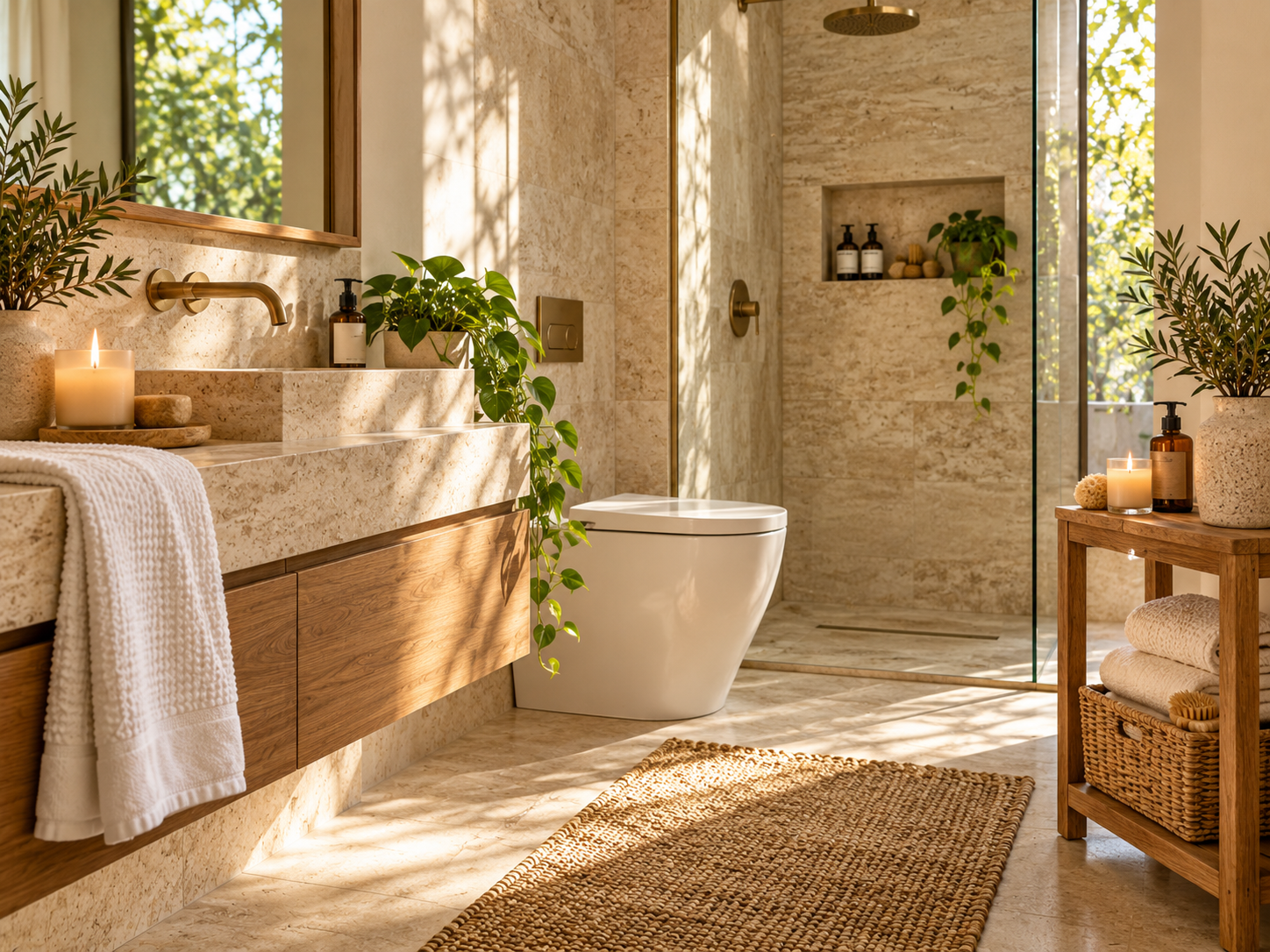
Renters can create a cohesive atmosphere without drilling tile or changing plumbing. Consider matching washable towels, a framed print placed away from splashes, a small stool where it does not obstruct movement, and a stable container for toiletries. Adhesive hooks may fail in humid rooms; check load limits and surfaces before trusting them with heavy objects. Avoid painting, sealing or installing electrical fixtures without permission. If the bathroom is extremely compact, prioritize a clear floor and clean sightlines rather than adding furniture. The most successful small-space styling is nearly invisible because it makes daily use easier.
Keep the bathroom dry, clean and safe
Moisture management matters more than spa aesthetics. Run the extractor fan or use appropriate ventilation after showers, dry pooling water and address leaks rather than masking odors with fragrance. Launder towels often enough for your household and make sure they dry fully between uses. Avoid leaving oil-based products on floors or inside tubs, where they can create slipping hazards. Store cleaning chemicals separately from toiletries and never mix cleaning products. For any product with skin-contact claims, use the manufacturer’s directions and seek professional guidance for persistent skin issues. The bathroom should remain a hygienic working room first.
Common mistakes to avoid
One frequent mistake is creating an elaborate display that gets wet every day and must be rearranged just to use the sink. Another is purchasing matching dispensers that conceal important product information. A third is overdoing scent, candles or dim lighting in a room where visibility and ventilation are essential. Also resist buying multiple plush mats that stay damp. If you share the bathroom, a large spa basket may monopolize valuable storage. Focus on fewer items that make routines convenient, safe and pleasant. A single good towel, practical lighting and a clear surface often outperform a full shelf of decorative products.
Frequently asked questions
Can I make a shower-only bathroom feel like a spa?
Yes. A comfortable shower, clean textiles, accessible toiletries and practical lighting are enough to create a relaxed experience. A bathtub is not essential.
Do I need to spend money?
No. Cleaning, decluttering, folding towels and setting aside uninterrupted time are effective first steps. Purchase only after identifying a specific need.
What about candles and essential oils?
Neither is necessary. If used, follow safety directions, consider household sensitivities and pets, and keep flames and electrical items away from wet areas.
How do I keep the look tidy?
Store backup products out of sight, limit the number of objects on the vanity and reset the space after every routine.
The takeaway
A convincing home spa experience is made from small practical improvements: a clean bathroom, gentle but adequate light, comfortable towels, simplified products and a routine that suits everyday life. Start with the space you already have, then improve one source of friction at a time. For related inspiration, read bathroom organization ideas and practical bathroom organizers. If you are planning a larger project, compare small bathroom spa upgrades before buying anything.