
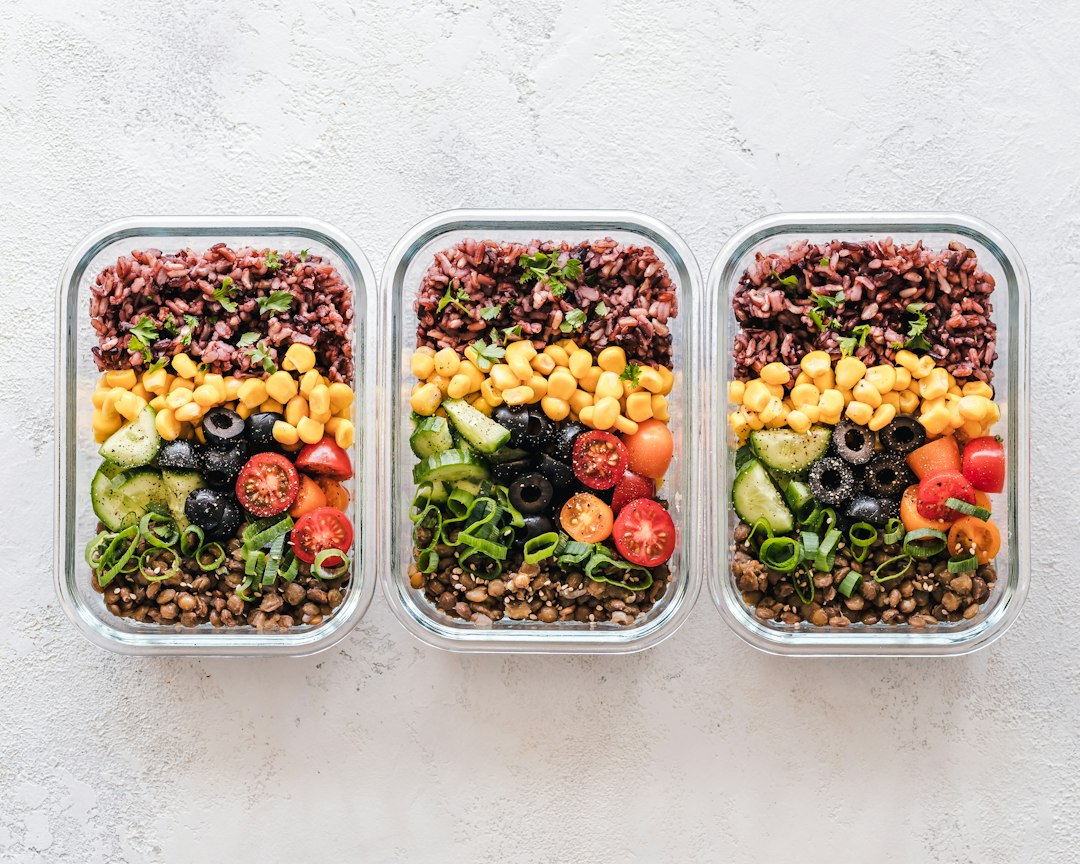
A weekly meal-prep routine should reduce decisions, not fill every shelf with containers. Planning a few flexible components is often the easiest approach for cooks working with limited storage.
Begin with the meals you actually need
A useful meal-prep routine starts with your calendar. Mark the evenings when you will have time to cook and the days when lunch or dinner must be ready quickly. Rather than preparing seven elaborate meals, choose two flexible cooked components and a few fresh finishing ingredients. The goal is reducing decision-making without filling a tiny refrigerator with identical containers.
Identify which dishes keep their quality when stored and reheated. Some foods are best assembled immediately before eating. For example, cooked grains and a roast vegetable base can become different meals with fresh herbs, a suitable dressing or another protein. Plan quantity conservatively so food does not go uneaten.
Measure preparation and refrigeration space
In a tiny kitchen, counter space can determine the order of work. Clear one clean cutting area before setting out ingredients. Do not unpack the entire grocery bag across the counter if there is no room left to chop. Use one tray for ingredients scheduled next, and put supplies away as stages are completed.
Check the refrigerator before shopping. Storage containers need to fit without blocking airflow or making other groceries inaccessible. A deep pile of boxes can be hard to monitor. Choose containers appropriate for food storage and temperature conditions, and make sure lids seal as intended.
Choose a small set of versatile ingredients
Ingredient overlap is a practical way to save space. A handful of vegetables, grains, legumes and herbs can support multiple dishes without creating an enormous pantry list. Try one roasted vegetable batch, a cooked grain and a prepared protein or legume component, adding fresh ingredients at serving time.
Avoid trying to cook every flavour combination at the weekend. A neutral base can take on different profiles through safe additions such as lemon, herbs, spices or a dressing stored appropriately. Keep allergens and individual dietary needs in mind when planning shared meals. Label containers if several people use the refrigerator.
Build an efficient cooking sequence
Read the recipes completely before starting, then identify which steps can share oven time or equipment without compromising required cooking temperatures. Wash produce as appropriate, organise ingredients and prepare a clean area for ready-to-eat foods. Use separate equipment for raw animal products or thoroughly clean it between tasks to avoid cross-contamination.
Starting with the longest cooking element may reduce waiting. While that cooks, prepare vegetables or assemble cold components using a safe separate workspace. Keep hot equipment away from crowded edges and do not set pans on surfaces that cannot withstand heat. A controlled sequence often saves more counter space than purchasing extra gadgets.
Follow safe cooking and cooling practices
Food safety should determine how cooked components are handled after preparation. Cook foods to suitable safe temperatures and follow authoritative guidance for the ingredients involved. Divide large batches into shallow containers so they cool promptly, then refrigerate or freeze within recommended time limits. Do not leave a large pot of cooked food sitting out for several hours.
Check refrigerator temperature according to local food safety guidance and avoid overcrowding. Hot food handling and storage requirements depend on the dish, so do not follow one arbitrary rule for every meal. Mark the preparation date and contents, and freeze portions that will not be eaten within an appropriate refrigerated storage period.
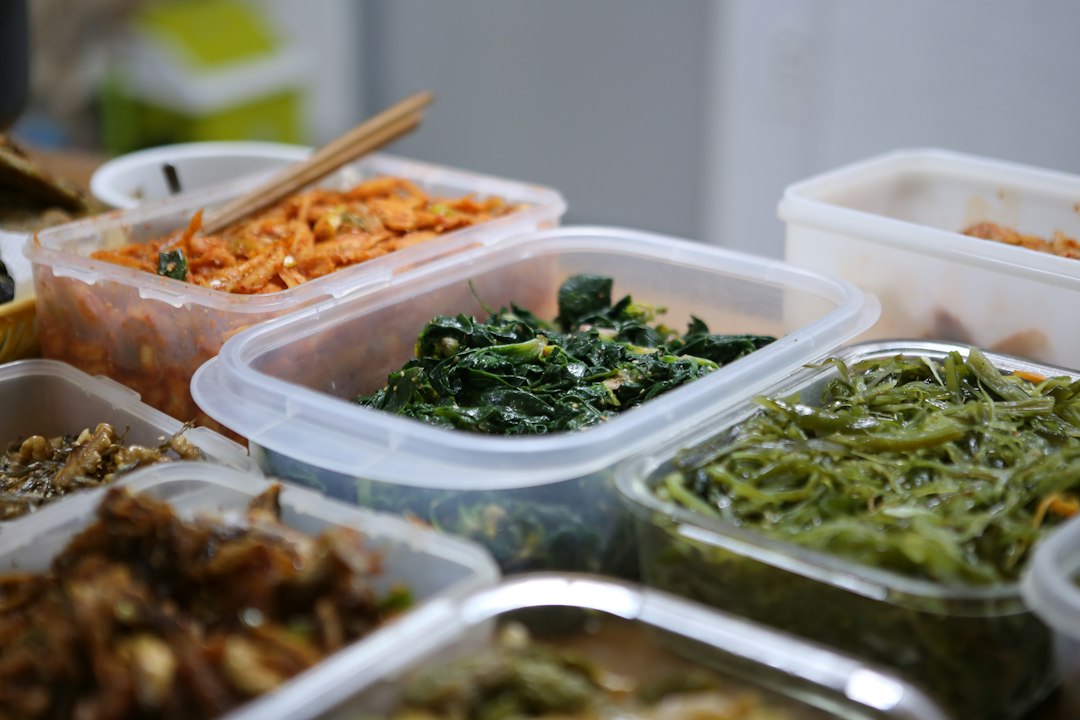
Visual inspiration and practical checklist
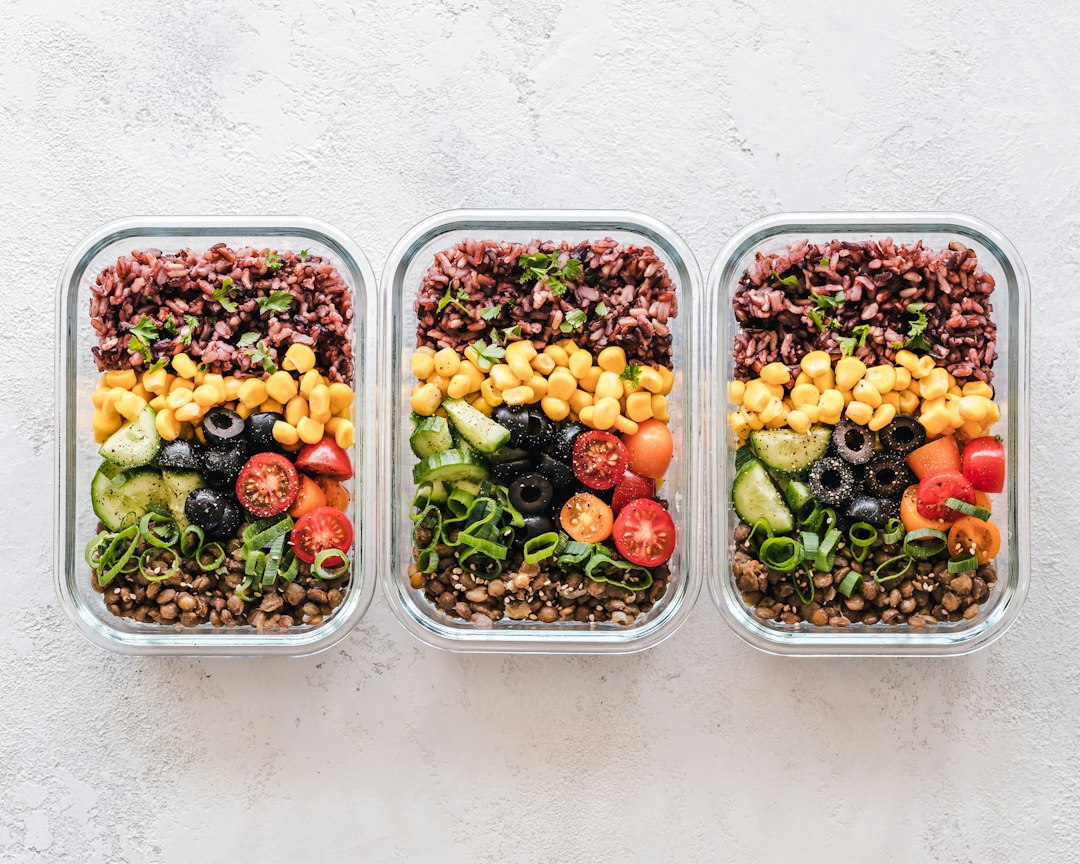
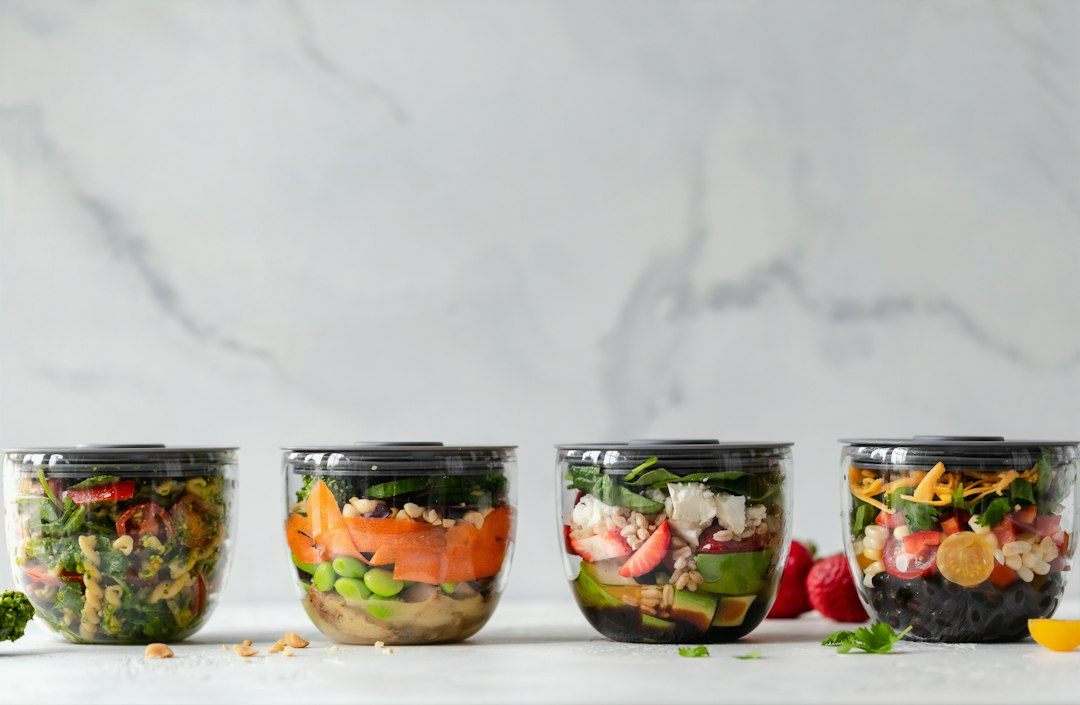
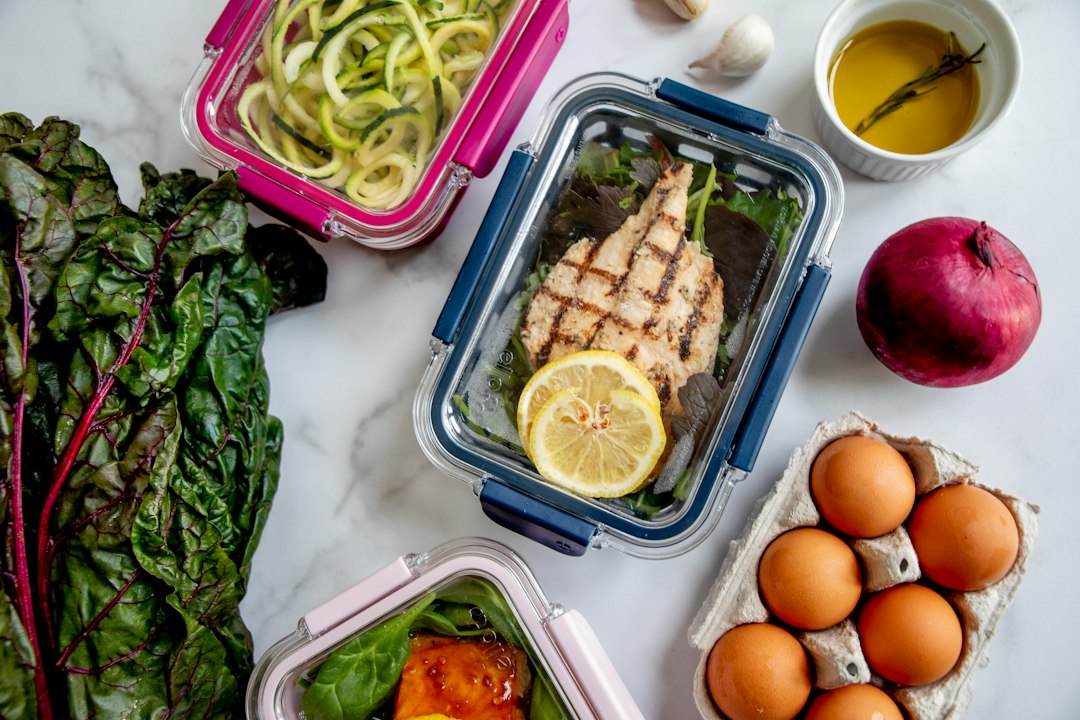
SMART SPACE FINDS · VISUAL CHECKLIST
- Plan two adaptable bases
- Cool and label food safely
- Add fresh finishing ingredients
Store cooked components separately when useful
Keeping a sauce, cooked grain and crisp vegetables separate can preserve texture and make meals more adaptable. A fully assembled salad with dressing may become soggy, while a tray of roasted vegetables can be reheated or served cold when safe and appropriate. Store perishable components promptly and use clean utensils.
Choose a limited range of container sizes that stack securely without becoming hard to remove. Matching containers are not essential, but predictable shapes can save space. Transparent lids may help identify contents, while labels are useful for opaque boxes. Never rely solely on appearance to judge whether leftovers remain safe to eat.
Plan variety without cooking twice
A single grain base can support a bowl with herbs, a vegetable side or a lunch salad when properly stored and handled. Changing fresh toppings, seasoning and sauce at serving time can make meals feel distinct without requiring a separate batch for every day. Choose combinations you actually enjoy so the food is used.
Variety also depends on texture. Keep crunchy components dry and add them just before eating. Reheat only the portions needed and follow food-safety guidance for the particular leftovers. Use a sensible amount of sauce rather than packing containers so full that reheating becomes messy.
Create a realistic 90-minute session
A sample session might begin with ten minutes of cleaning and ingredient setup, followed by cooking a grain and roasting vegetables while another component is prepared. Reserve sufficient time at the end for safe cooling, packing and surface cleaning. Exact timing depends on the recipes, equipment and quantity; do not rush required food-safety steps to meet a timer.
If the kitchen becomes crowded, reduce the number of dishes instead of working unsafely around hot pans and raw ingredients. Two well-executed bases and a clean kitchen are more useful than five partially finished preparations. The routine should remain manageable on an ordinary weekend, not only when you have unlimited time.
Keep the shopping list and budget under control
Check the pantry and refrigerator before buying anything. Plan from ingredients you already own, using items approaching their appropriate use date where safe. Buy overlapping vegetables and herbs in quantities the household can reasonably consume. A small list can reduce food waste and avoid storage overflow.
Compare the cost of convenience ingredients with the time they save. Prewashed vegetables or cooked legumes may be useful when counter space is extremely limited, though price and packaging vary. Choose the balance that fits your circumstances rather than assuming everything must be prepared from scratch.
Make cleanup part of the preparation system
A cramped kitchen can become difficult to use after one cooking session if every pan and board remains on the counter. Wash or move tools away after each stage and sanitise food-contact surfaces appropriately, particularly after raw animal ingredients. Keep hazardous cleaning products separated from food and follow their instructions.
Once cooked food is safely stored, clean the preparation zone, wipe spills and return equipment to its normal location. An organised kitchen is not just a pleasant ending; it makes the next meal easier to start. If a particular pan or gadget repeatedly gets in the way, reconsider whether it belongs in everyday storage.
A flexible weekly timetable
On shopping day, inventory ingredients, plan two base recipes and confirm container space. During the cooking session, prepare the bases and portion them safely. On the following days, choose a different combination of vegetables, grain, protein and seasoning. Refresh only the items that are best prepared close to serving.
At the end of the week, record which meals you enjoyed, which containers were unnecessary and what was wasted. The best routine becomes simpler over time. A successful meal-prep habit supports your schedule instead of creating a rigid menu you no longer want by Wednesday.
Troubleshoot common meal-prep problems
If food becomes soggy, store sauces and delicate vegetables separately when appropriate. If meals taste repetitive, prepare fewer complete dishes and vary safe seasonings or fresh components at serving. If the refrigerator becomes overloaded, reduce batch size or freeze suitable portions promptly. These are planning issues, not necessarily reasons to purchase more kitchen equipment.
If preparation takes the entire weekend, simplify recipes and share ingredients between dishes. Avoid counting cooling and cleanup as optional. Meal preparation should save time across the week without introducing food-safety risks. Start with one or two meals, evaluate the result and expand only when the process is genuinely helpful.
A compact weekly meal-prep system you can repeat
Start with your actual week rather than a fantasy menu. Mark the nights you have time to cook and the meals that need to be packed ahead. Choose two base preparations, such as cooked grains and roasted vegetables, plus one flexible protein or legume option. Repetition is a feature when you have little room to work.
Shop from a short ingredient overlap list: the same herbs, vegetables and sauces can appear in different combinations without producing five identical dinners. Plan the refrigerator space before buying, because containers must fit with everyday groceries and allow cold air to circulate.
Sequence the work to limit mess. Begin with a clean work surface, wash produce as appropriate, and group oven tasks so ingredients cook at their proper temperatures. Handle raw animal products with separate equipment and clean surfaces thoroughly before preparing ready-to-eat foods.
Cool cooked food promptly in shallow containers and refrigerate according to recognised food-safety advice. Do not leave a large pot at room temperature for hours. Label portions with contents and date; freeze portions you will not eat within the recommended refrigerated storage window.
On serving days, vary the finishing ingredients: add fresh herbs, crunchy vegetables or a different dressing just before eating. Check that reheated food reaches a safe temperature appropriate to the dish and local guidance. The goal is a low-friction routine, not a weekend spent manufacturing every meal.
A weekly meal-prep routine should reduce decisions, not fill every shelf with containers. Planning a few flexible components is often the easiest approach for cooks working with limited storage.
Choose three flexible building blocks
Pick one grain or starch, a vegetable preparation and a protein or legume option. These can become bowls, wraps, soups or salads with different herbs and sauces rather than five identical meals.
Check fridge and counter capacity
Before shopping, count how many containers actually fit your refrigerator. Leave room for everyday groceries and ensure cold air can circulate. Do not prepare more food than you can store and use safely.
Use a simple order of operations
Begin with ingredients requiring oven or simmering time, then prepare raw vegetables on a clean surface. Wash utensils and boards between raw meat and ready-to-eat food to prevent cross-contamination.
Cool and store food safely
Refrigerate perishable cooked foods promptly, ideally in shallow containers so they cool quickly. Keep your fridge at 4°C/40°F or below. For leftovers, follow authoritative local food-safety guidance on storage times and reheating; freeze portions you will not use promptly.
Label for clarity
Write the preparation date and main ingredients on reusable labels. This is particularly helpful when using similar containers, keeping allergens clear and checking what needs eating first.
Keep sauces and crunch separate
A simple lemon dressing, yogurt sauce or toasted topping can change the character of a meal. Store these appropriately and add delicate components close to serving time.
Review what actually got eaten
If you repeatedly skip a prepared dish, make less next week. A workable habit saves money, creates less waste and allows for evenings when you want to cook spontaneously.
The takeaway
Start with prep for two or three meals rather than seven. Expand only when the system fits your fridge, schedule and appetite.
Explore more
The field guide
The idea
Prepare a few interchangeable components such as grains, vegetables and beans rather than identical complete meals. In a compact home, measure your available space and adapt the method to your own equipment and routines.
Make it practical
Count containers and fridge space before shopping. Keep the fridge at or below 4°C/40°F and avoid overpacking. In a compact home, measure your available space and adapt the method to your own equipment and routines.
What matters most
Refrigerate cooked perishables promptly in shallow containers; follow local leftover-storage guidelines and freeze portions not needed soon. In a compact home, measure your available space and adapt the method to your own equipment and routines.
Keep it working
Store crunchy toppings and suitable dressings separately until serving for better flavour and texture. In a compact home, measure your available space and adapt the method to your own equipment and routines.
At a glance
| Zone | Editorial recommendation |
|---|---|
| Planning | Choose versatile ingredients |
| Cooking | Work in clean stages |
| Storage | Label and refrigerate promptly |