
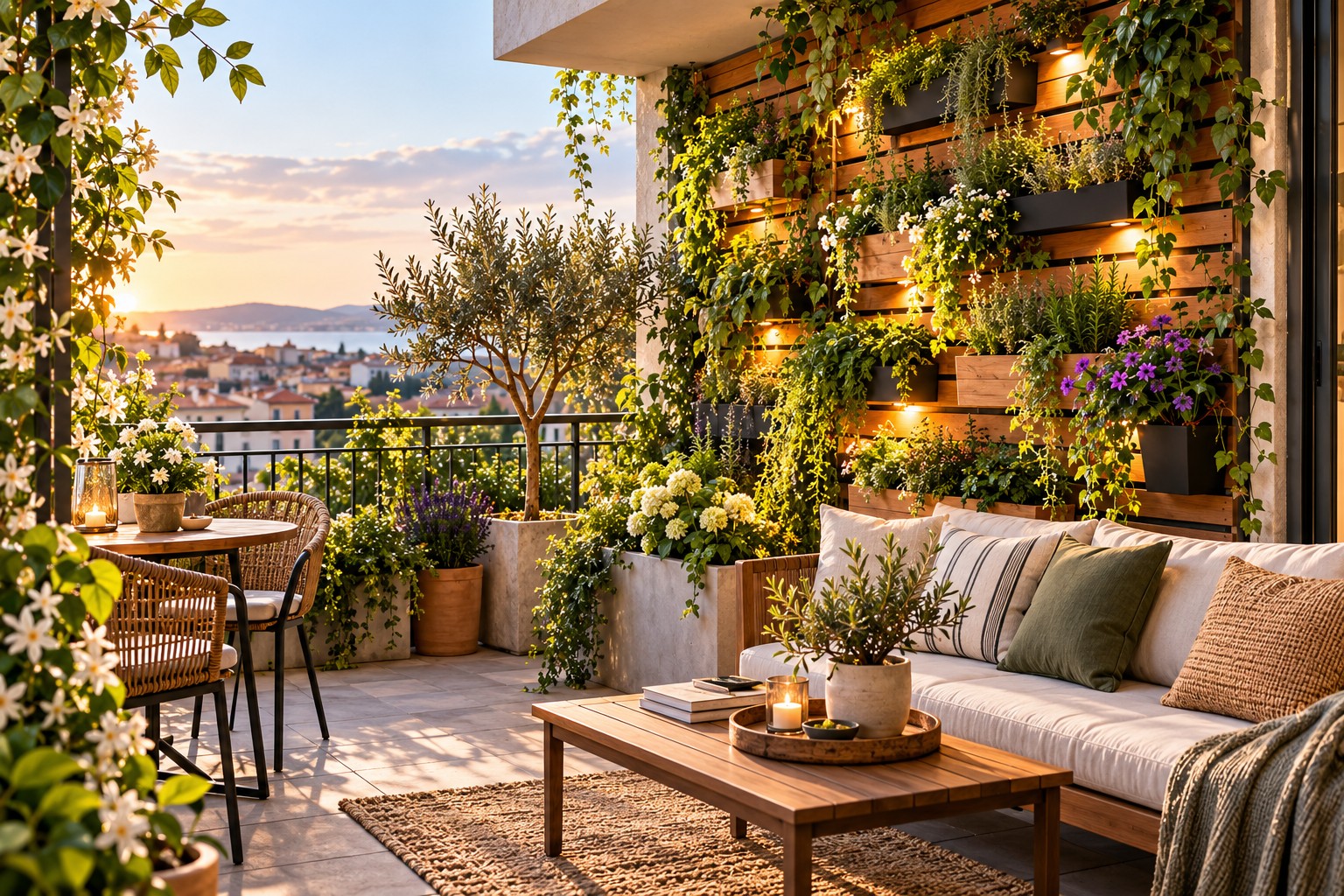
Discover vertical garden ideas for small outdoor spaces that turn balconies, compact patios and narrow courtyards into inviting green retreats. This complete guide covers 15 layouts, plant choices, drainage, safe installations and a realistic maintenance plan.
Grow Up, Not Out
A thoughtfully designed vertical garden turns an unused wall into a lush, functional outdoor escape—without sacrificing your seating area or a clear route across the balcony.
THE SMALL-SPACE GARDEN EDIT
15 Vertical Garden Ideas That Make Every Inch Count
You don’t need a sprawling backyard to grow herbs, flowers, or a calming screen of greenery. The right vertical setup can turn a blank patio wall or modest balcony into a practical little garden. Choose your design around sunlight, permitted fixings, available floor space, and how you will water it—not just the photograph that inspired you.
Renter-Friendly Vertical Gardens
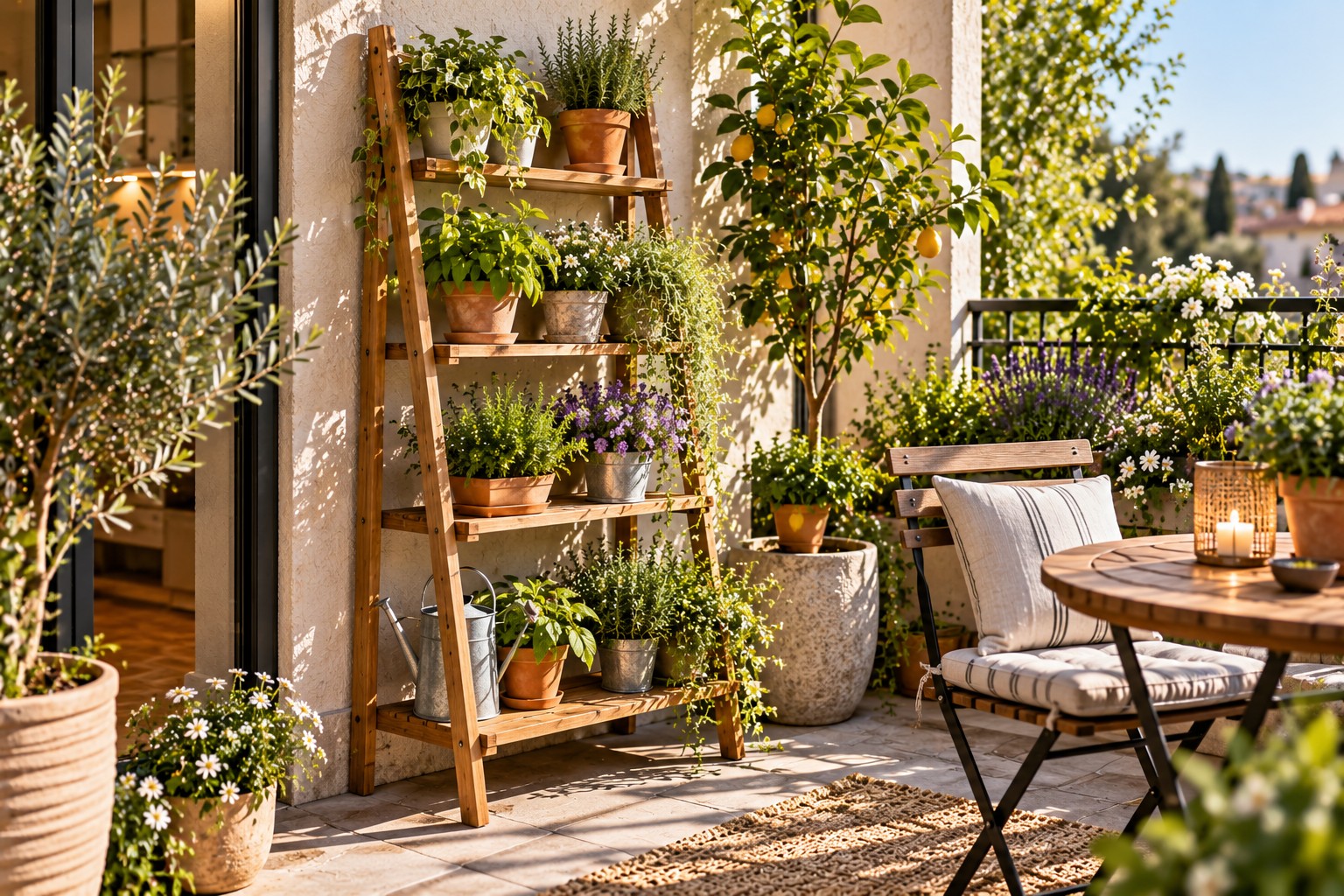
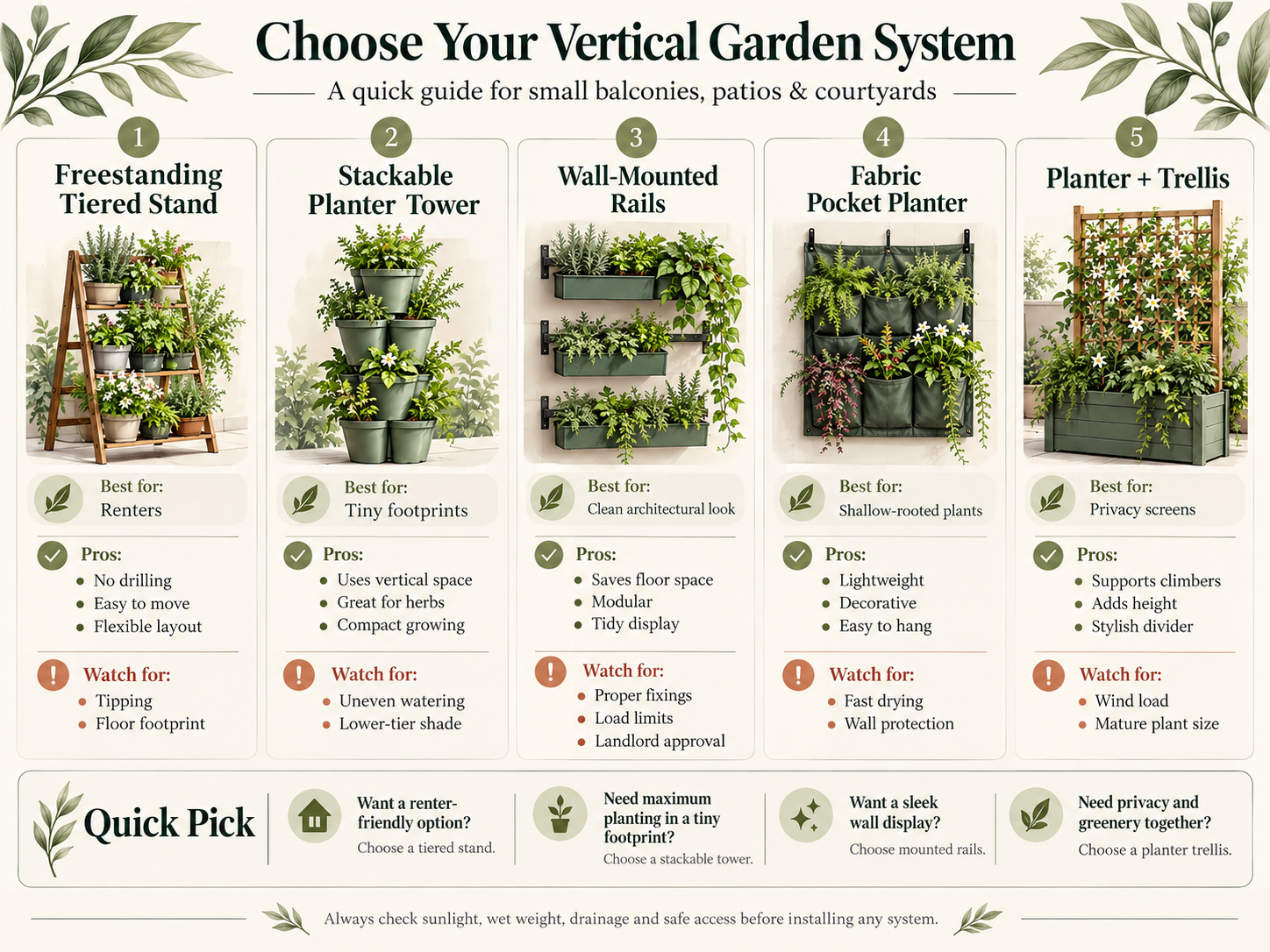
Freestanding ladder plant stand
A slim tiered ladder makes use of height without needing wall holes. Display sun-loving plants above and shade-tolerant varieties on lower shelves; check shelf load ratings and secure the stand against tipping in exposed locations.
Freestanding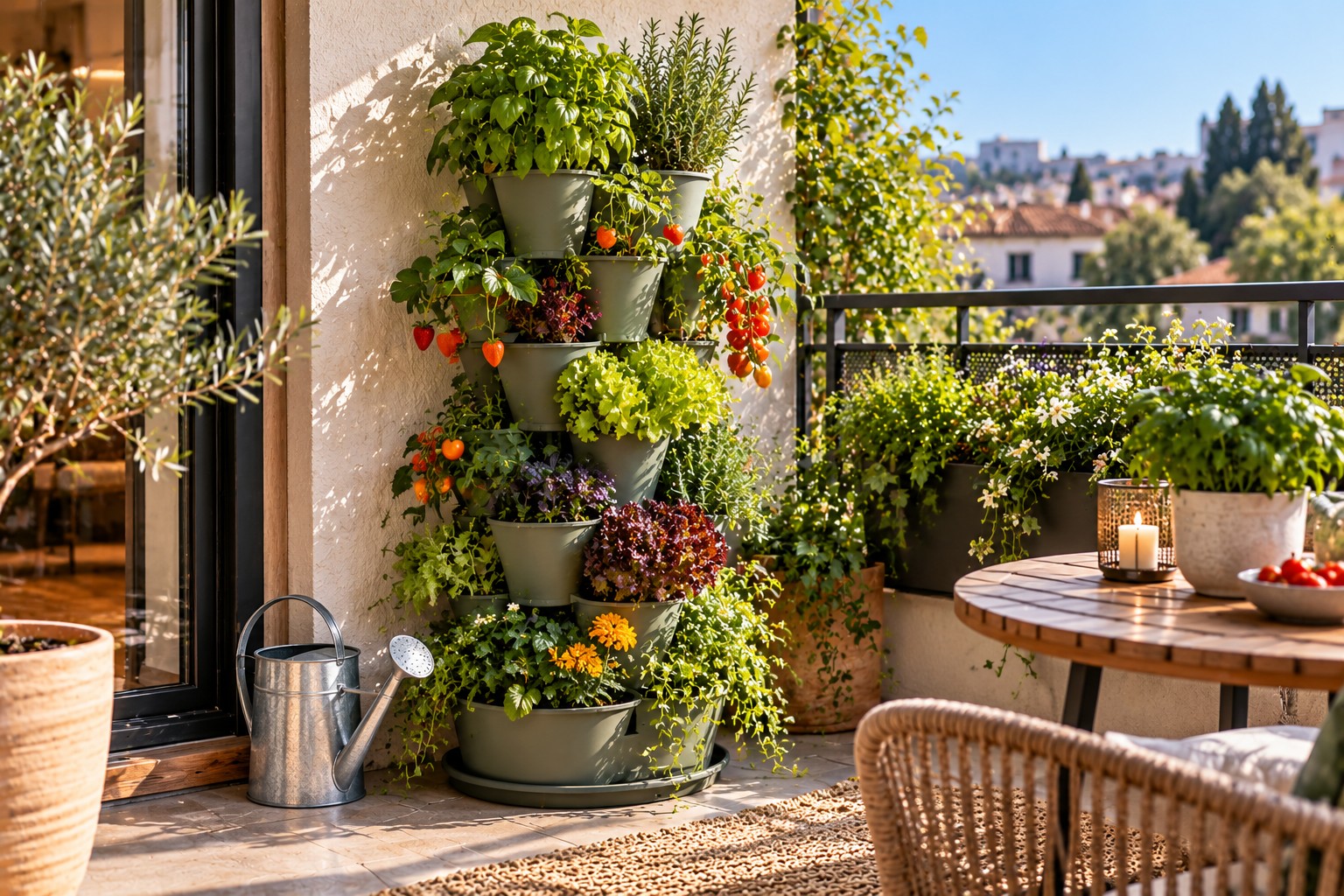
Compact stackable planter tower
Stacking pots offer multiple planting levels in a small footprint. They’re particularly useful for seasonal flowers and compact herbs, but test whether upper tiers shade lower ones and ensure water doesn’t pool at the base.
Space saver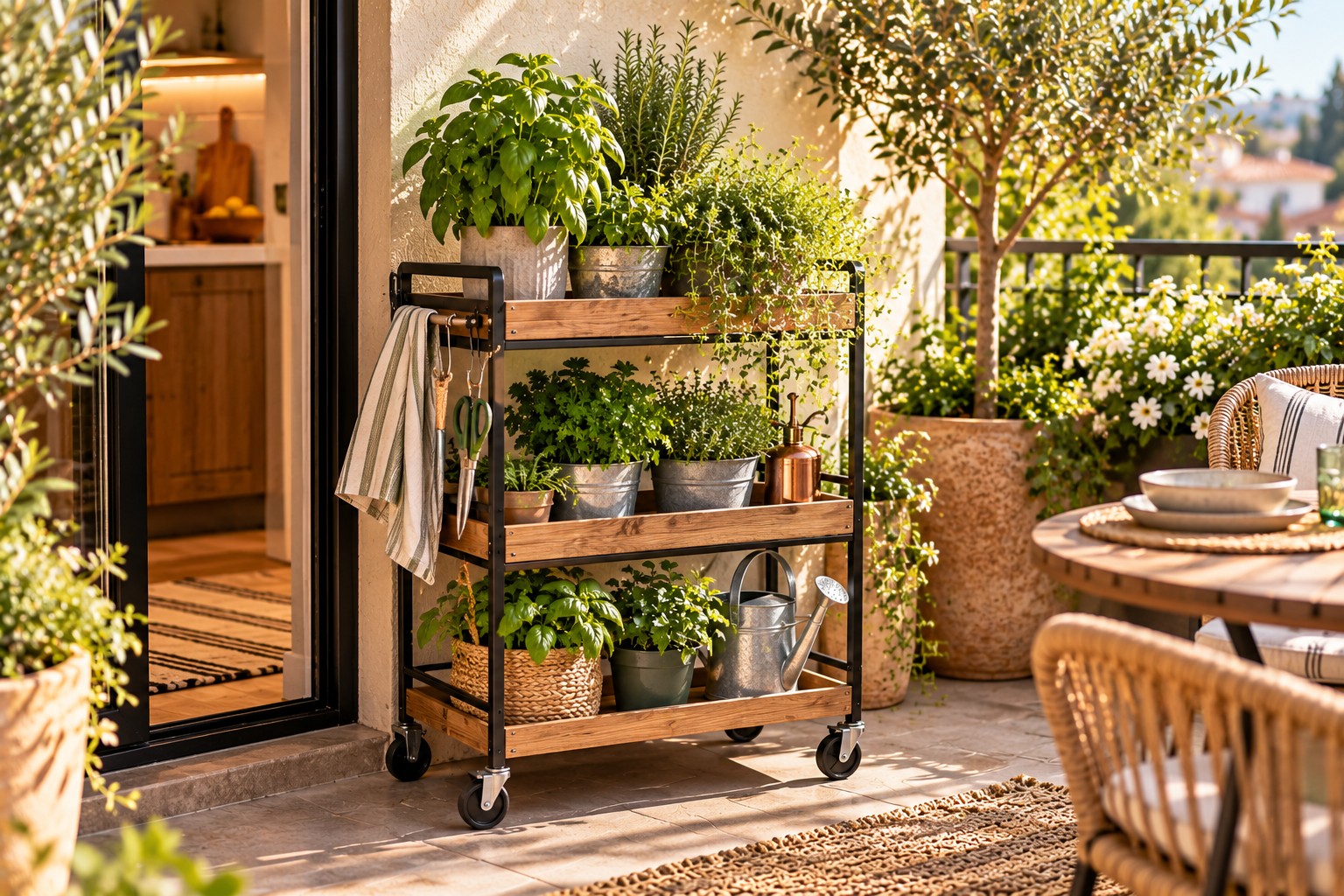
Rolling herb cart
A weather-resistant cart lets you shift small planters as the light changes, if the surface is level and the wheels can be locked. Keep the heaviest pots on the lowest shelf and move it indoors before strong winds where appropriate.
Renter-friendly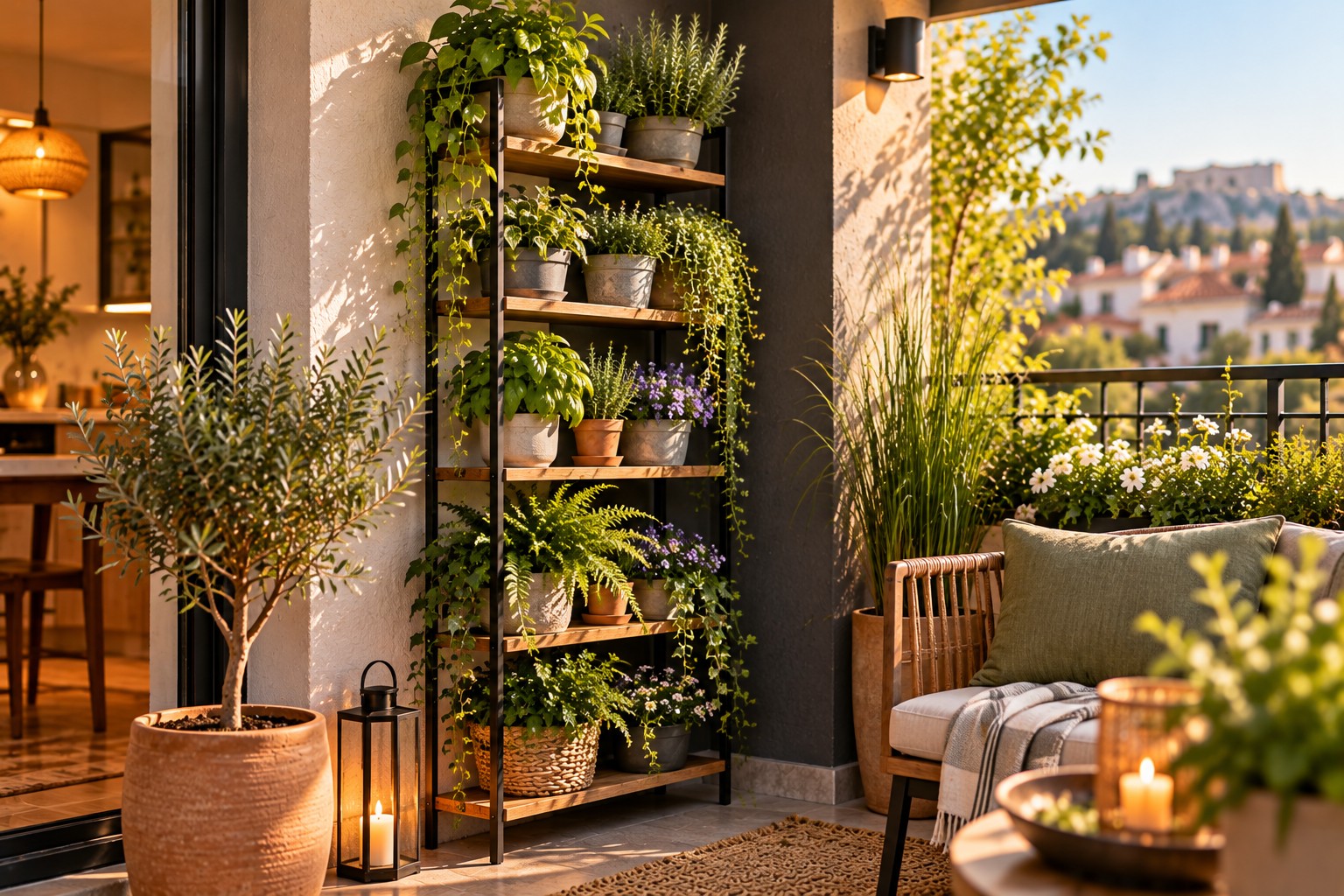
Narrow shelving against a sheltered wall
Use shallow shelving to fit pots beside a balcony seating area. Leave room to open doors, avoid unstable high placements, and follow the manufacturer’s anti-tip instructions.
Small footprint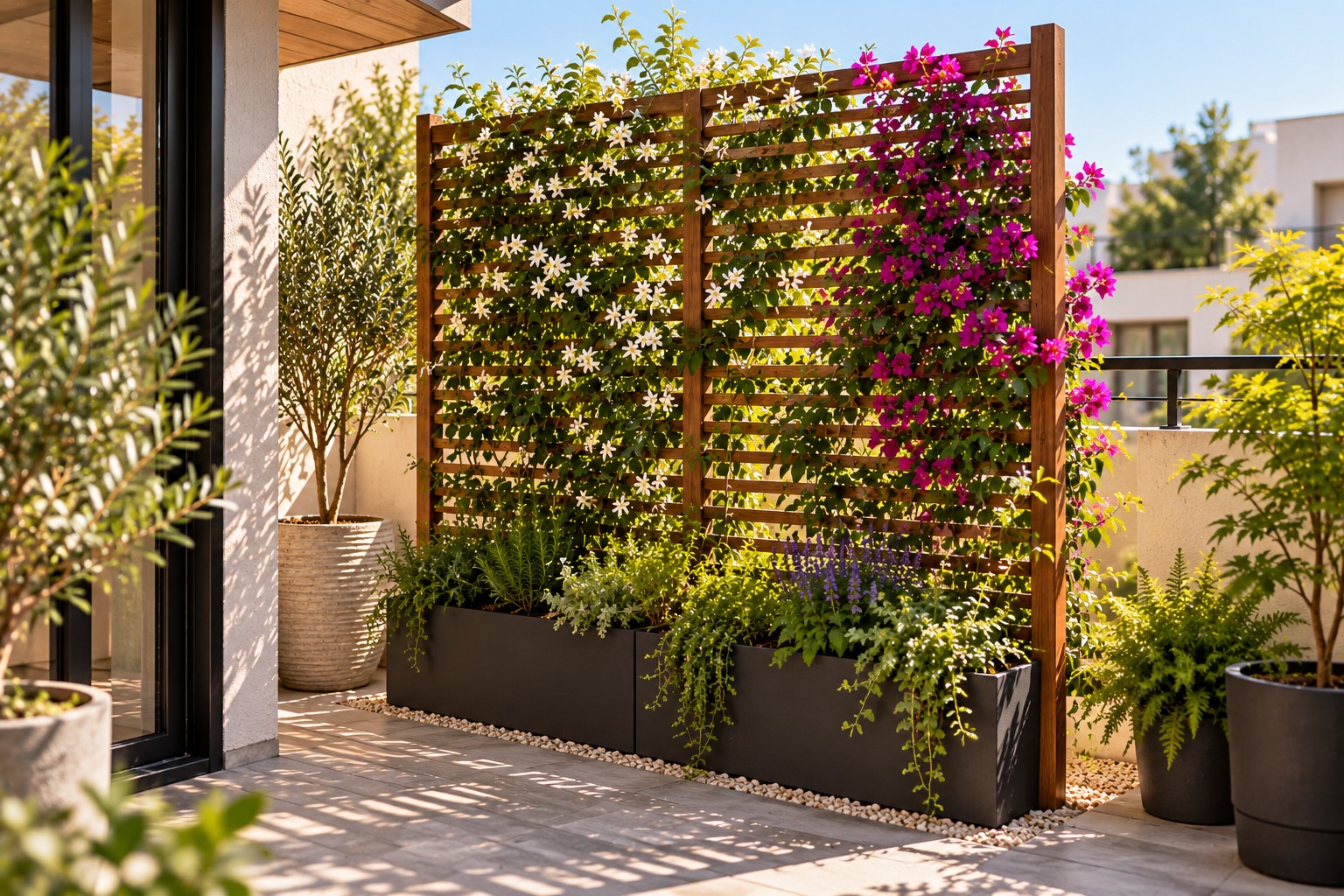
Freestanding privacy trellis with climbing vines
A purpose-built planter-and-trellis combination can create a soft green screen. Select climbing plants suited to the available root volume, and account for wind pressure on a fully leafed-out trellis.
PrivacyWall-Focused Vertical Garden Ideas
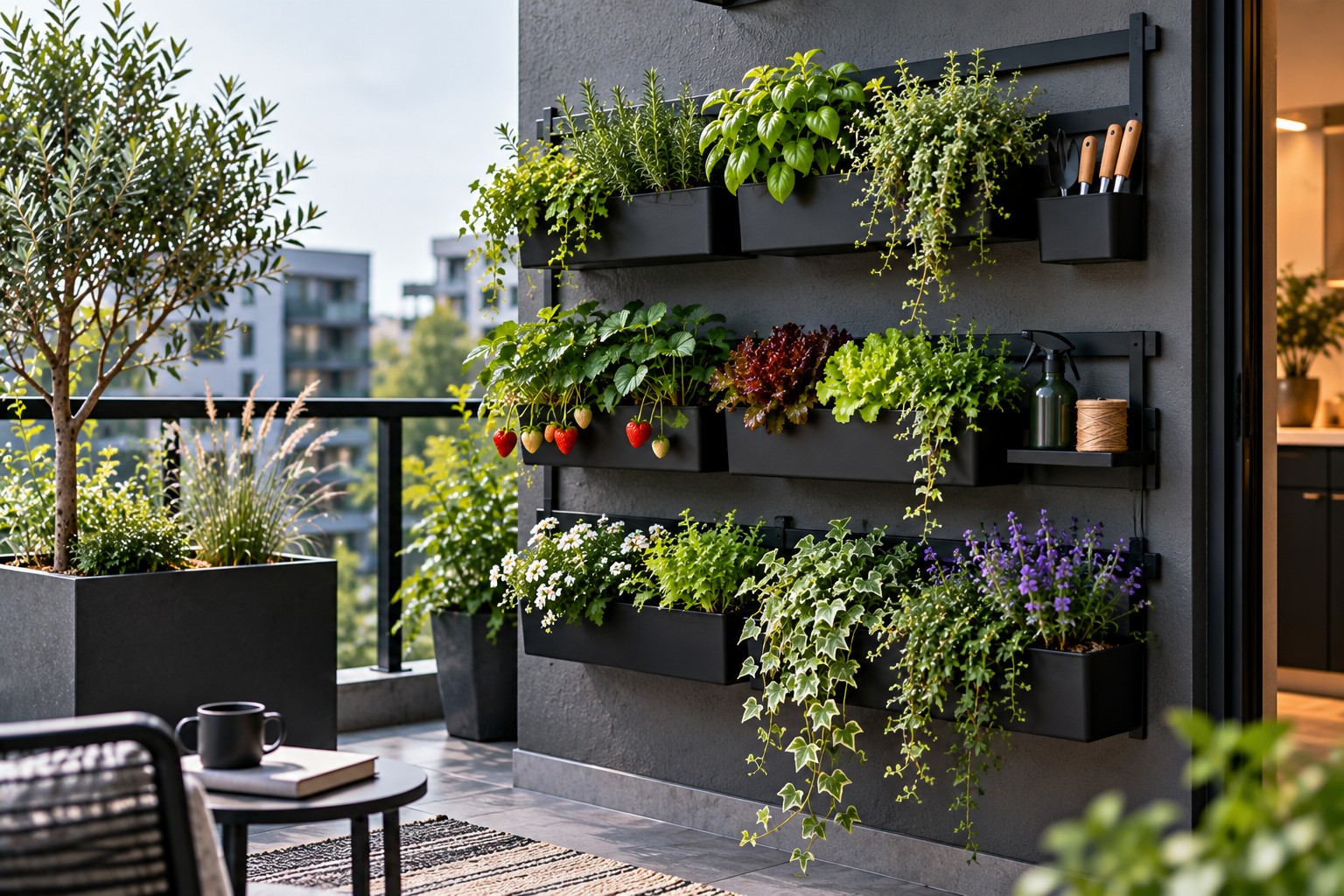
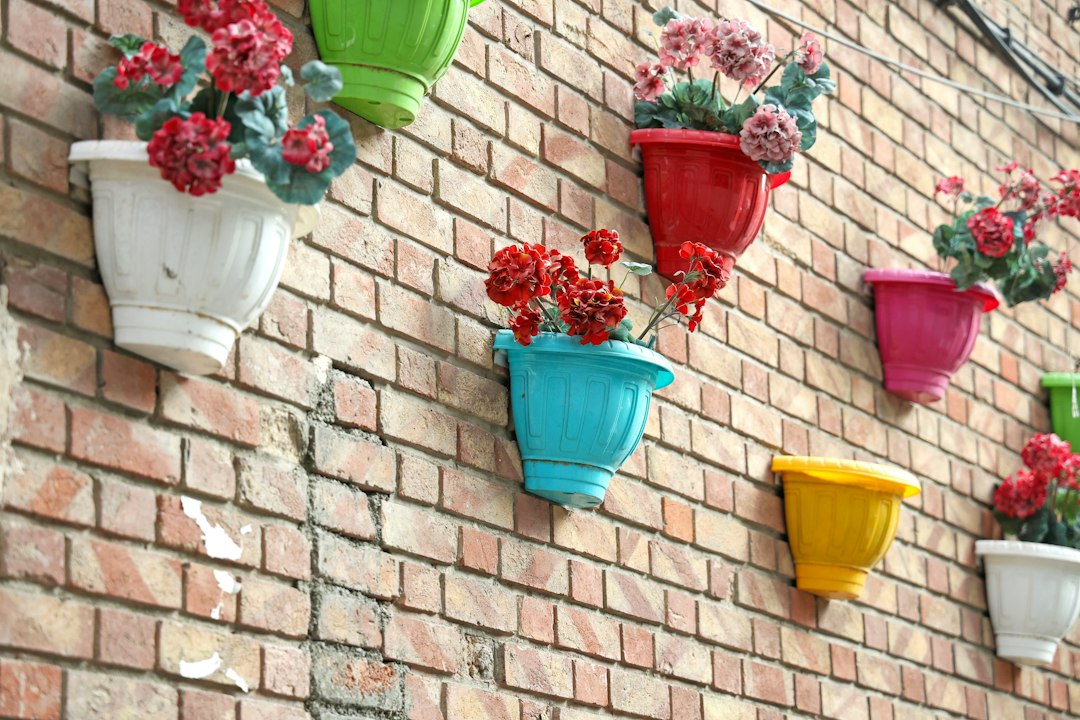
Modular wall-mounted planter rails
Repeat matching planters on a compatible rail system for a clean, architectural look. Install only into an approved, structurally suitable surface using the specified fixings; plan for the total wet weight.
Modular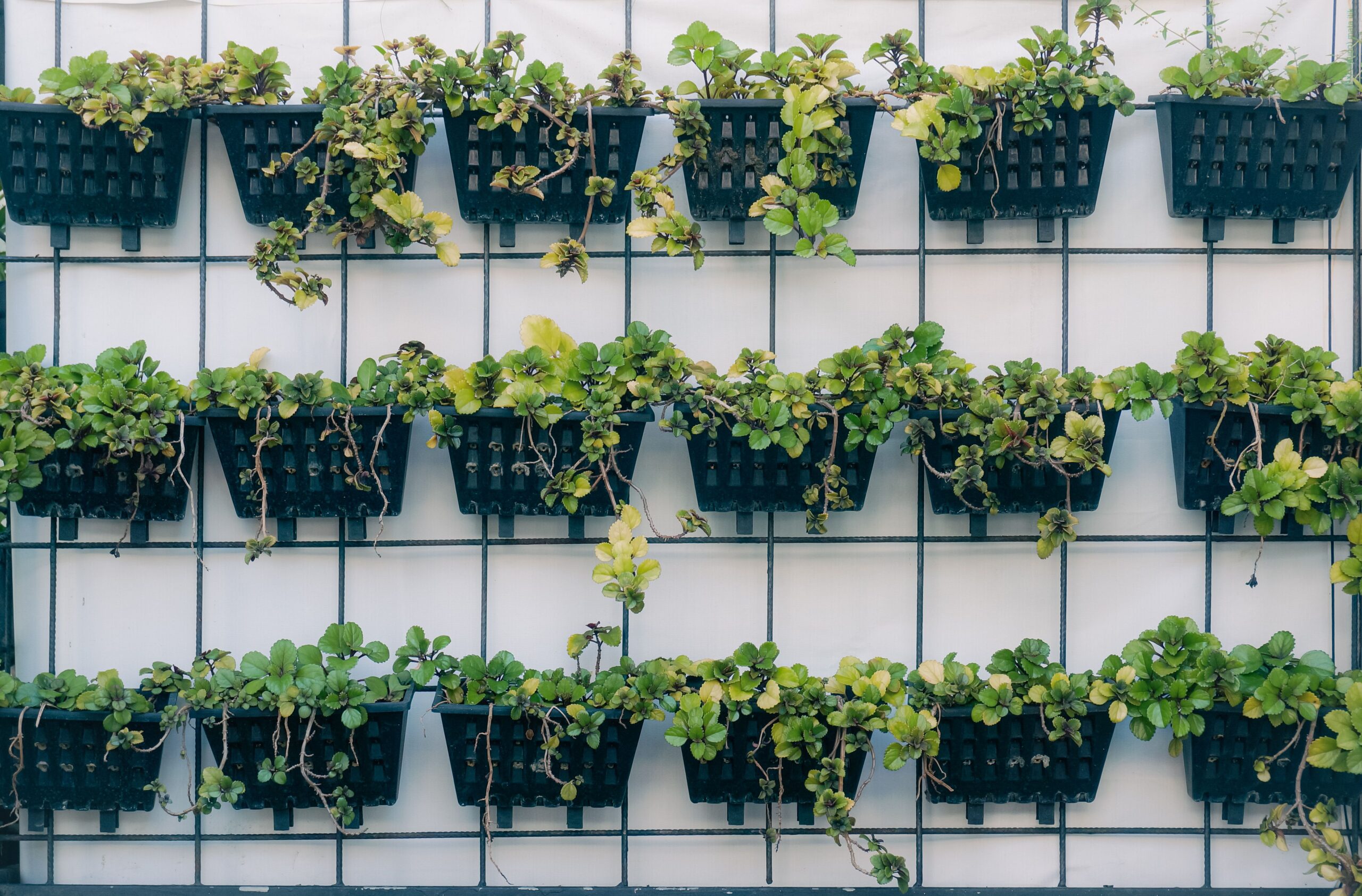
Vertical pocket planter for small annuals
Fabric pockets can make a colourful feature wall with shallow-rooted plants. Because the compost volume is limited, pockets dry out faster than deeper pots; protect the wall behind them and check drainage regularly.
Wall feature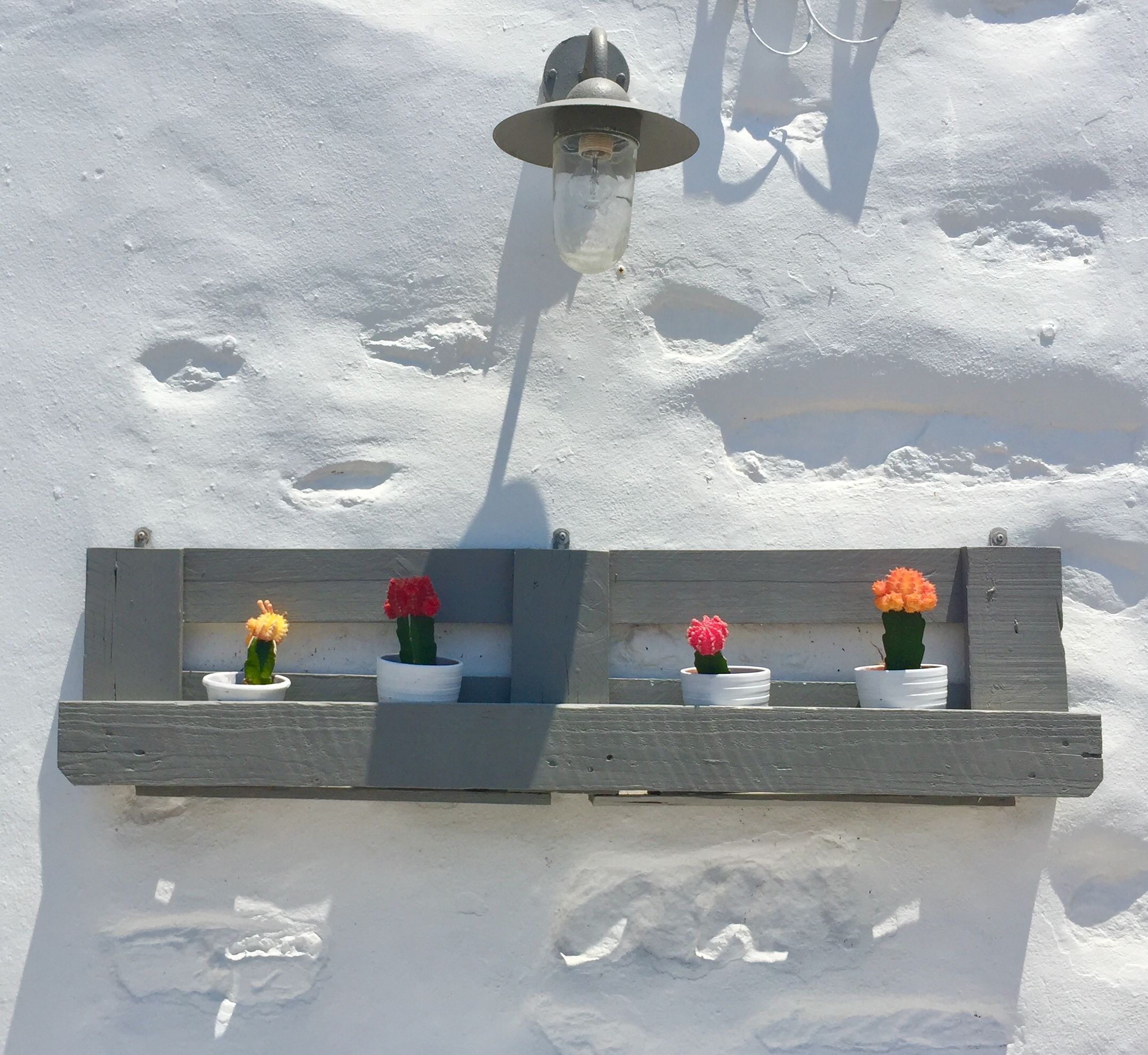
Wooden slat garden with removable pots
A slatted panel can carry a coordinated set of removable containers while keeping them accessible for pruning. Choose weather-appropriate materials and do not overload individual slats or hooks.
Natural materials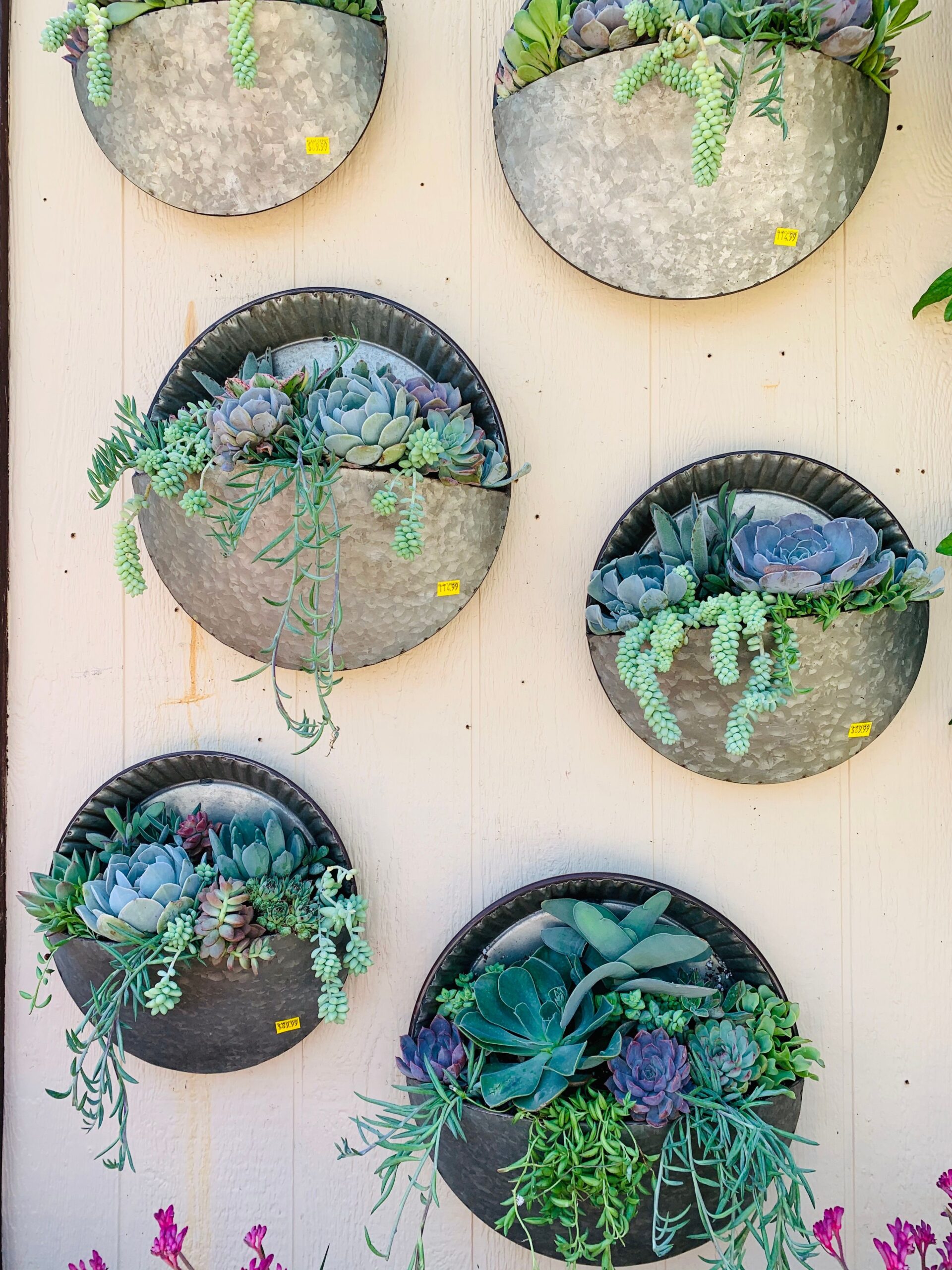
Wall-mounted troughs in staggered rows
Offset slim troughs to give plants more room and a softer silhouette than a rigid grid. Fit appropriate drip trays or runoff controls and leave service access between levels.
Architectural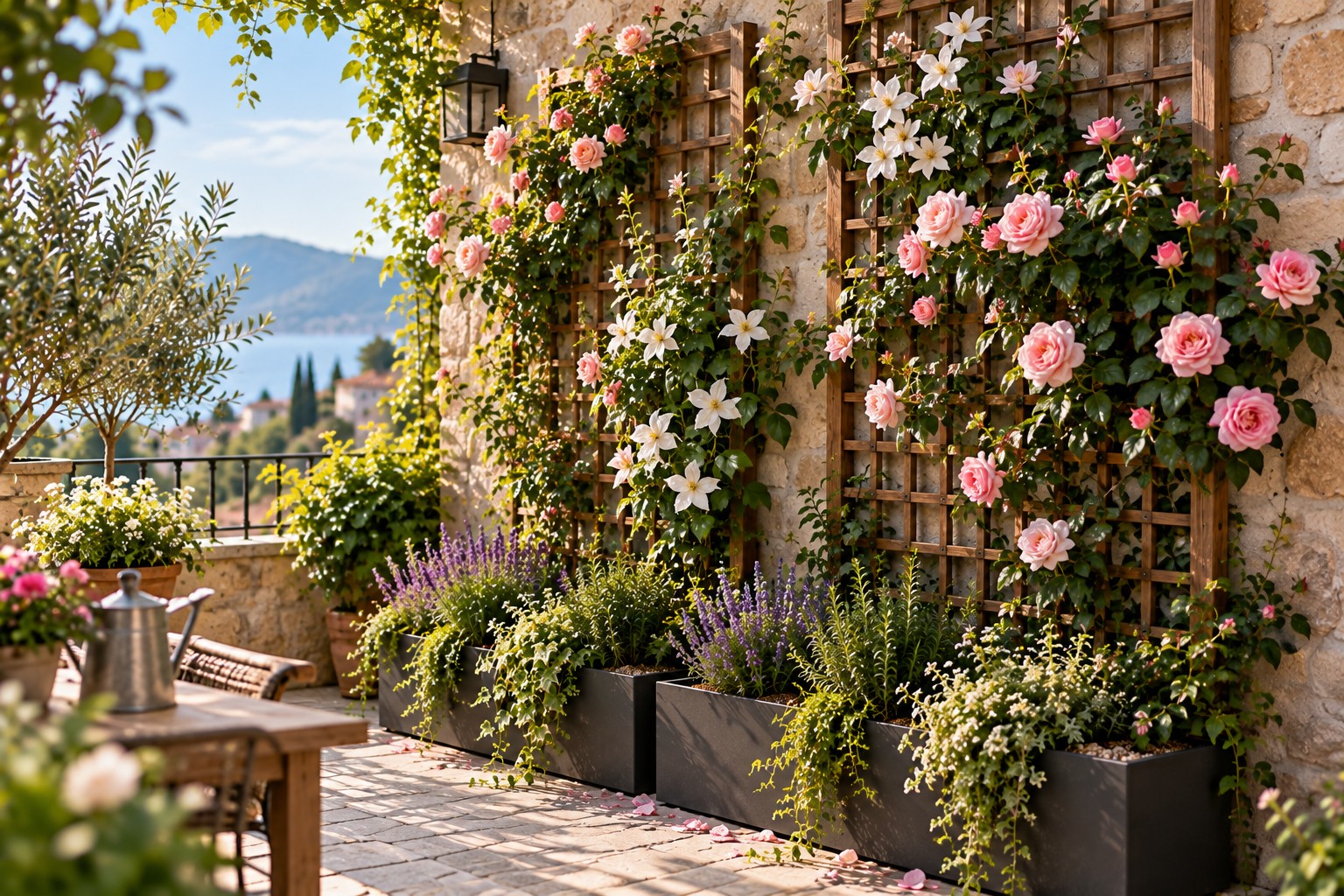
Trellis wall with flowering climbers
A lightweight trellis can support a flowering display without a dense array of pots. Match the trellis to the plant’s eventual size and growth habit, and inspect ties so stems do not become constricted.
ClimbersEdible & Decorative Vertical Gardens
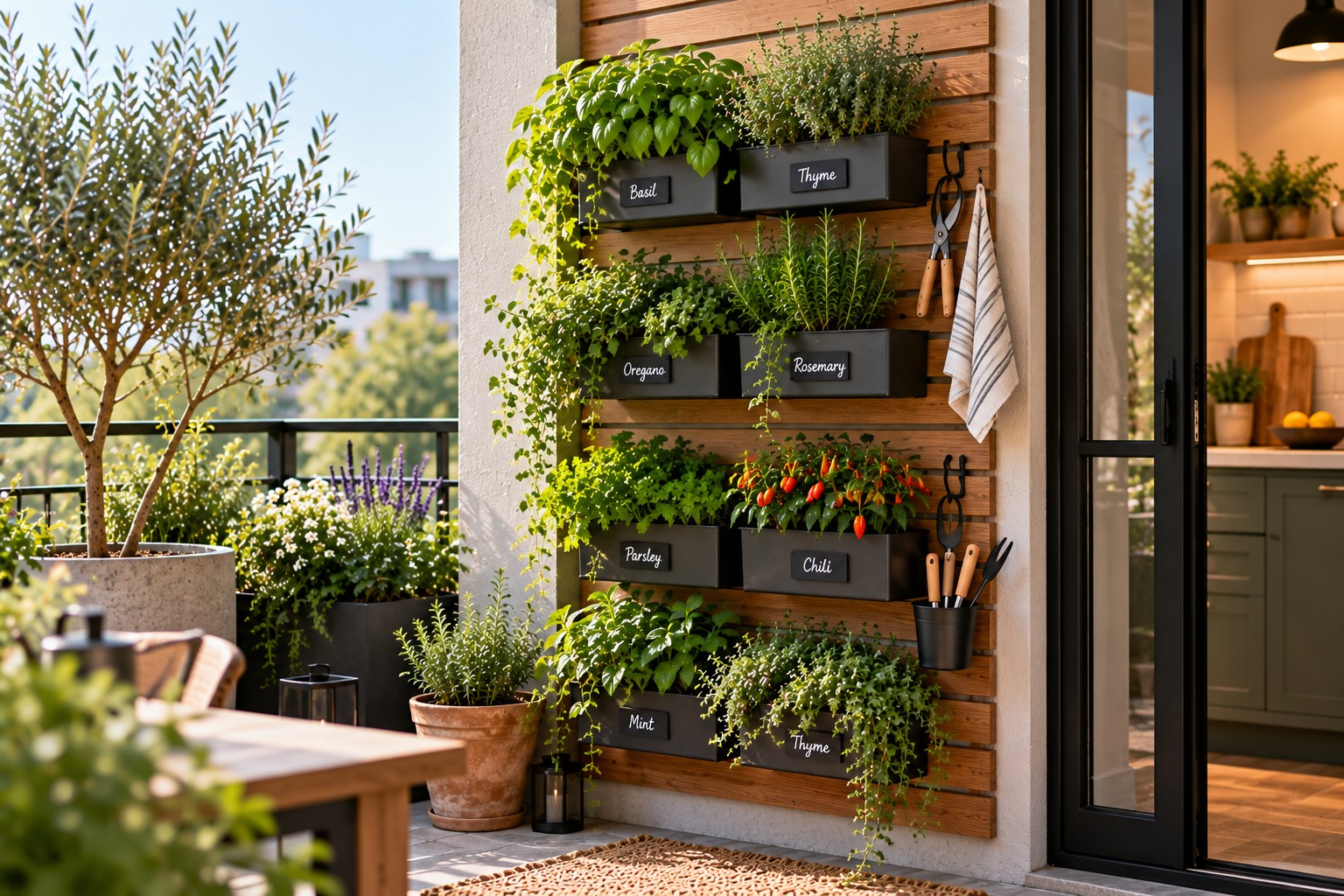
Kitchen-door herb wall
Keep basil, parsley, chives, and other frequently used herbs within easy reach of your kitchen. Match each herb to its light needs rather than assuming one sunny wall suits every species.
Edible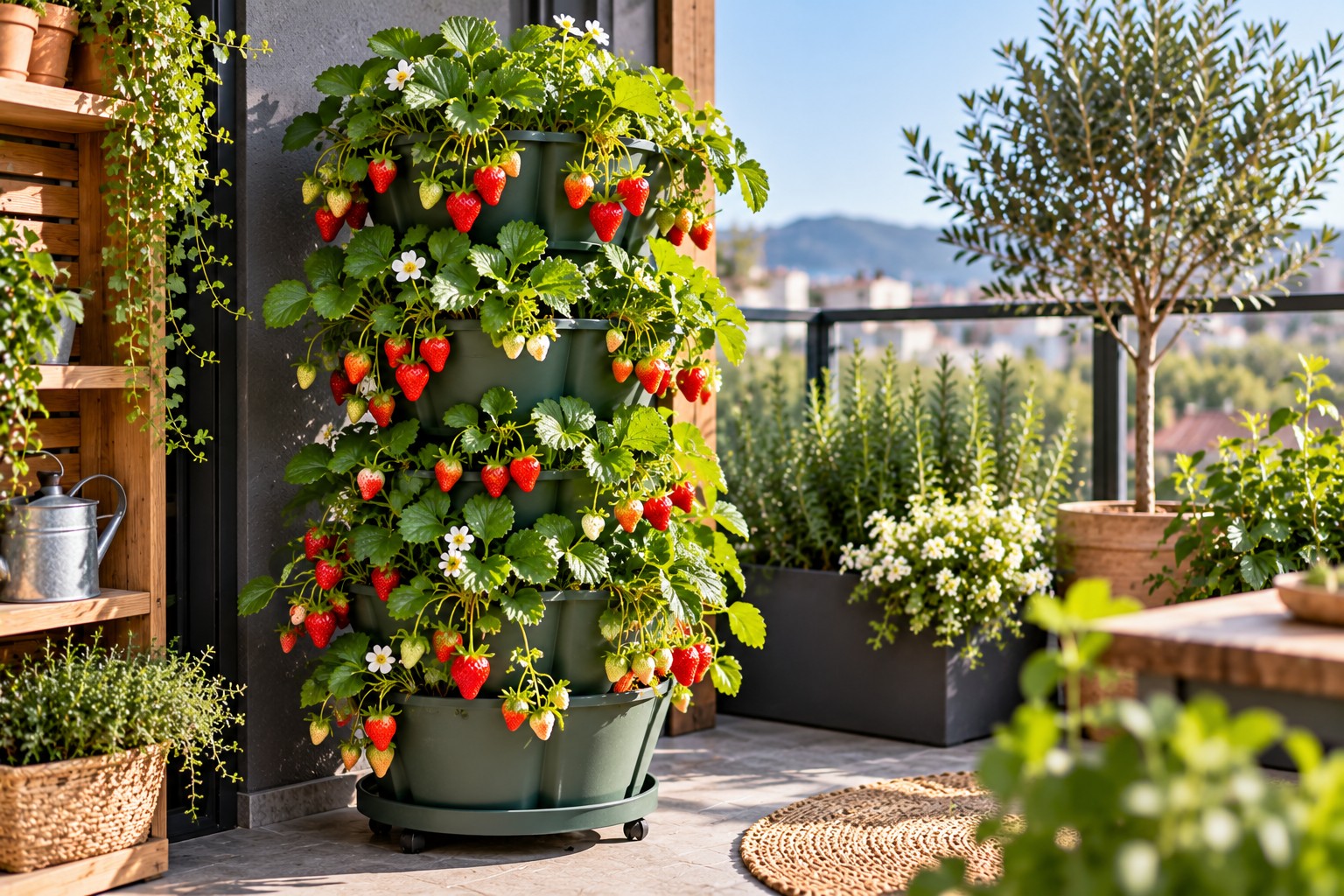
Strawberry tower
Use a purpose-designed stackable planter for compact strawberry plants, allowing enough root room and access to fruit. Monitor watering closely during warm weather, when exposed planters can dry rapidly.
Fruit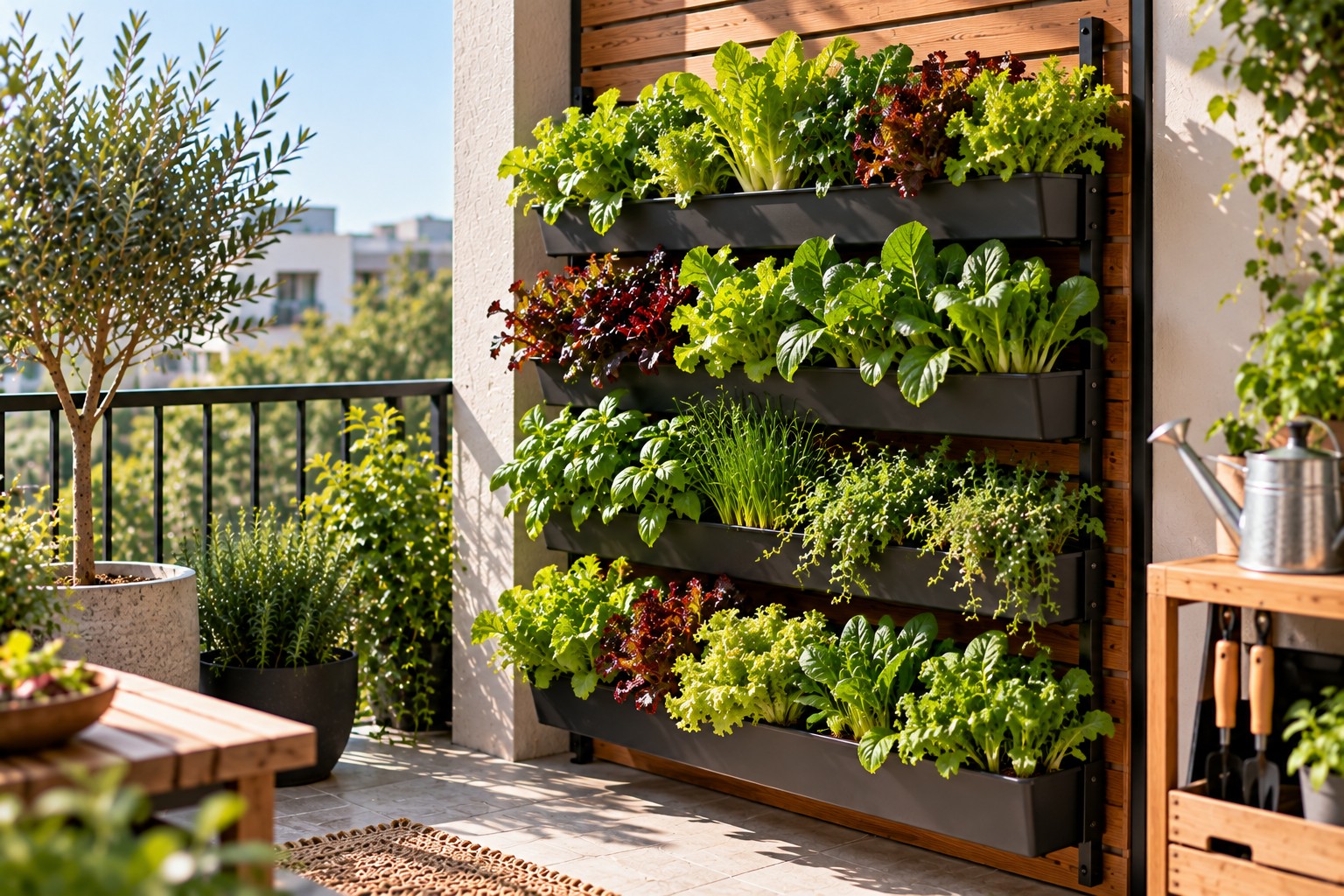
Vertical salad garden
Grow cut-and-come-again salad leaves in adequately deep troughs in a spot with suitable light. Harvest little and often, and avoid packing seedlings so densely that airflow suffers.
Edible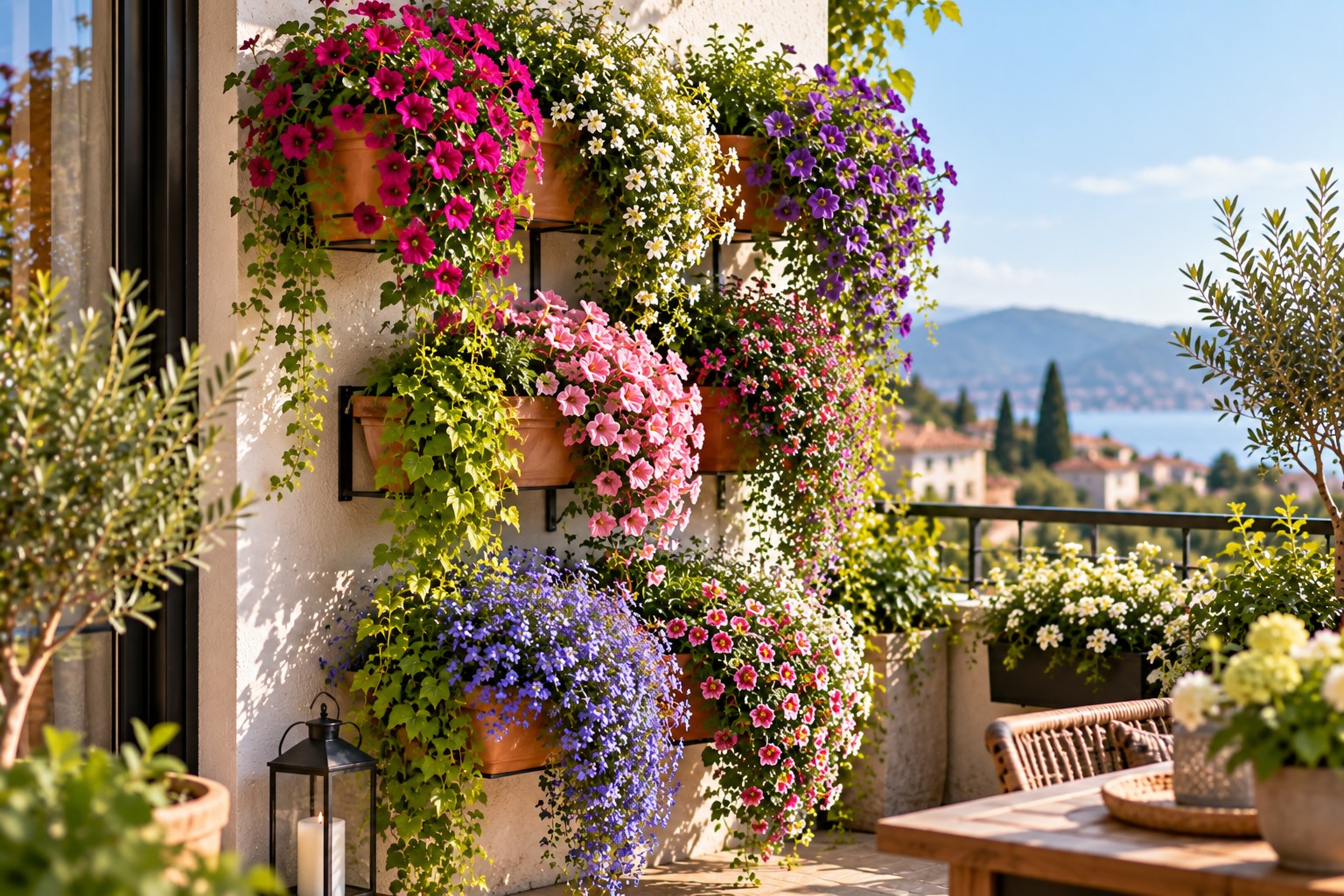
Cascading flower display
Combine a restrained palette of trailing seasonal blooms with upright foliage for an inviting patio focal point. Choose species with compatible watering needs and do not place hanging planters where they can fall onto walkways.
Flowers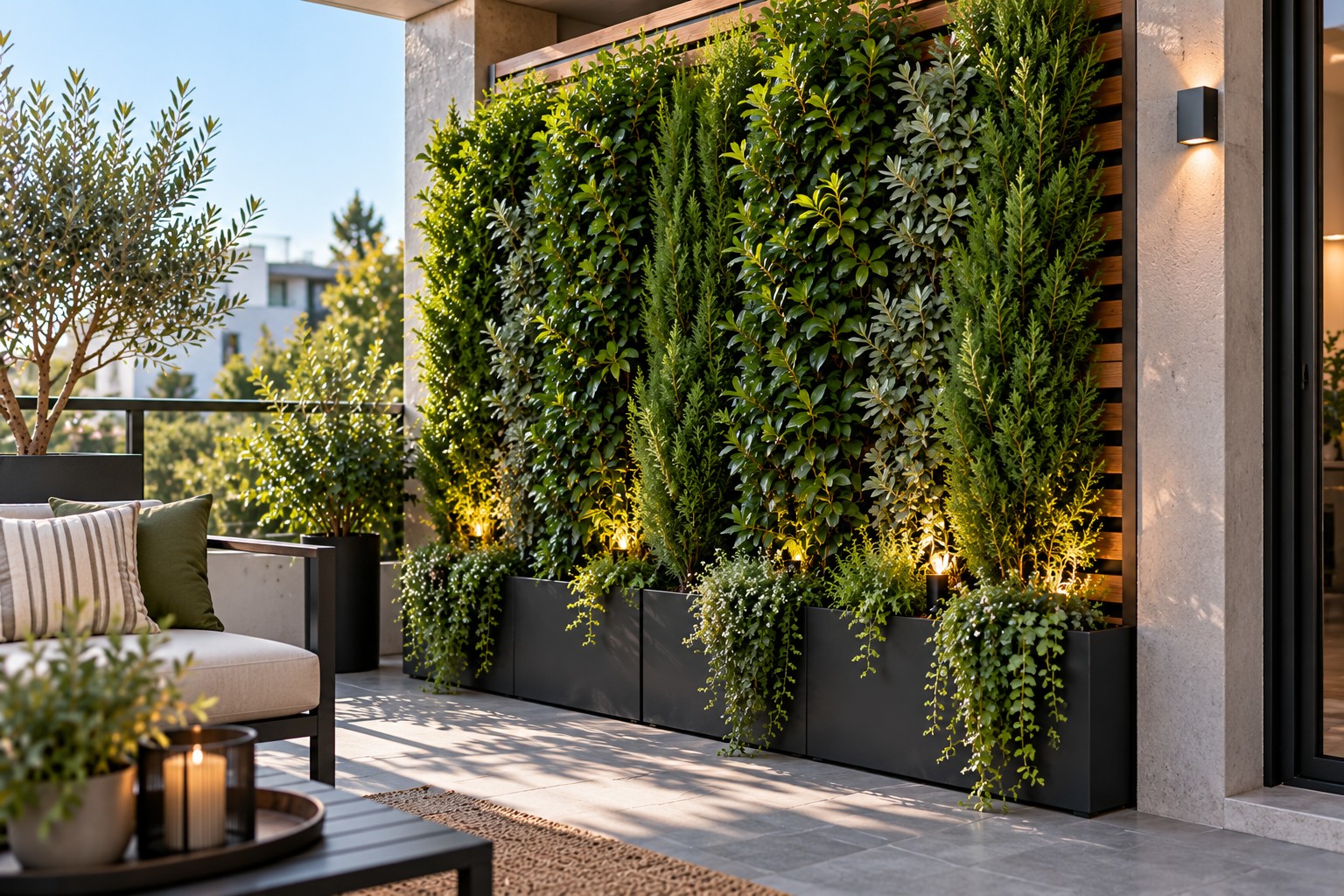
Minimalist evergreen green screen
For year-round structure, repeat a few climate-suitable evergreen plants in deeper, properly supported containers. Leave adequate room for mature roots and regular inspection, particularly in wind-exposed locations.
EvergreenWhich Vertical Garden Setup Should You Choose?
| System | Best for | Watch out for |
|---|---|---|
| Freestanding tiered stand | Renters and flexible layouts | Floor footprint and tipping |
| Stackable planter | Maximum plants in a narrow footprint | Uneven watering and shade |
| Wall-mounted rail | Streamlined design on suitable walls | Fixings and full wet weight |
| Fabric pockets | Shallow-rooted flowers and small herbs | Fast drying and wall moisture |
| Trellis with planter | Green privacy screening | Wind exposure and mature growth |
Vertical Garden FAQs
What is the easiest vertical garden for a renter?
A stable freestanding tiered planter is often the simplest starting point because it can avoid drilling. Always follow its load and stability instructions, especially outdoors.
Can I grow vegetables on a small balcony?
Yes, in suitable containers with adequate sunlight, root depth, airflow and watering. Compact salad greens and many herbs are more practical for shallow systems than large fruiting crops.
How do I prevent water from damaging a wall?
Use proper drainage, suitable collection trays, an air gap where required by the system, and check for leaks. Avoid mounting moisture-trapping pockets directly against an unsuitable exterior finish.
Are railing planters safe?
Only when railing and planter compatibility, local rules, installation requirements, and secure fixing are confirmed. Never assume a railing can support added wet weight or place unsecured containers above public space.
Plan the Space Before You Buy
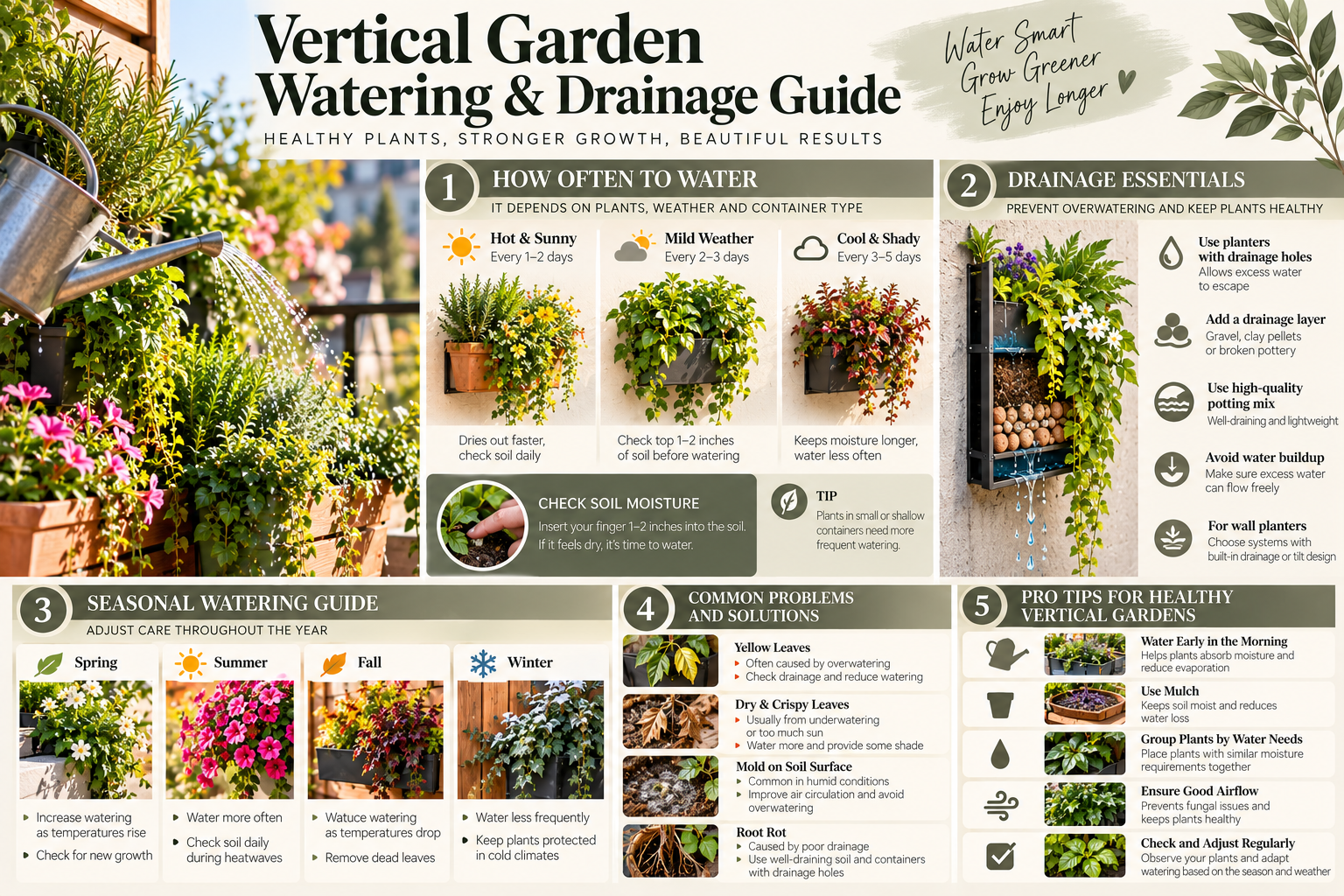
Begin with a clear goal: a practical herb garden, seasonal colour, a green privacy screen or a relaxing focal point. The best system is the one you can safely reach, water and maintain. Measure the wall and available floor depth, account for door clearance, and map sun exposure throughout the day. Upper planters may shade lower tiers as plants mature.
Check rental restrictions and building requirements before drilling or attaching anything to a railing. Include containers, water, potting mix and mature plants when evaluating weight. If you cannot confirm suitable wall or railing support, avoid attaching heavy systems. Wind matters too: a trellis covered in foliage catches more wind than an empty frame.
6 Essentials to Check
- Sun exposure by planting level
- Wind and weather exposure
- Permitted and suitable mounting surfaces
- Full wet weight and stability
- Runoff and protection of nearby surfaces
- Safe access to every planter
Growing and Maintenance Masterclass
Safety and weight come before styling
A vertical garden is an outdoor structure, not just a wall decoration. Before buying hardware, draw the floor plan, mark the door swing and measure the width of the route you actually walk. Confirm the balcony’s loading requirements and the rental or building rules that apply to wall fixings and railing planters. Wet compost, mature plants and containers can place considerable loads on structures. If the supporting wall or railing has not been assessed for the proposed attachment, do not install heavy planters on it. A freestanding rack with a suitable stable base may be a more practical option, provided its manufacturer’s requirements are met.
Check how water will leave the system. Water that drips down the facade or over the edge can damage surfaces or inconvenience neighbours. Consider the location of electrical points, windows, air vents and drainage outlets. Make sure watering and pruning do not require leaning beyond the railing or climbing on furniture. These decisions are less photogenic than colourful flowers, but they determine whether you can enjoy your vertical garden safely.
Choose the format that suits your actual space
Freestanding tiered stands can work well for renters and allow rearrangement when sunlight shifts. They take a little floor space, however, and must remain stable in wind. Wall-mounted troughs provide a neat architectural effect but need approved fixing systems and adequate backing surfaces. Fabric pockets make a lightweight-looking display, yet the limited amount of growing medium can dry quickly and may not sustain larger plants. Stacked planters offer a small footprint, though lower levels can receive too much runoff.
Before choosing, simulate the proposed width and depth with cardboard or tape. Stand where you will water, prune and pick herbs. If you cannot reach the back row easily, the design is too complicated for its setting. Select a system you can dismantle or inspect and check the full cost, including planters, growing medium, irrigation accessories and replacement plants. An inexpensive rack that rusts or becomes unstable may be a poor investment.
Map the sun and the wind
Spend several days observing direct sun and open-sky light at different times. Upper shelves frequently shade lower shelves, so a wall that seems bright when empty may have distinctly different planting conditions after installation. The season affects sun angle, too. Mark the brightest pockets and reserve them for appropriate sun-loving species, while placing tolerant foliage in somewhat darker spots. Never assume that every container on the same wall receives the same light.
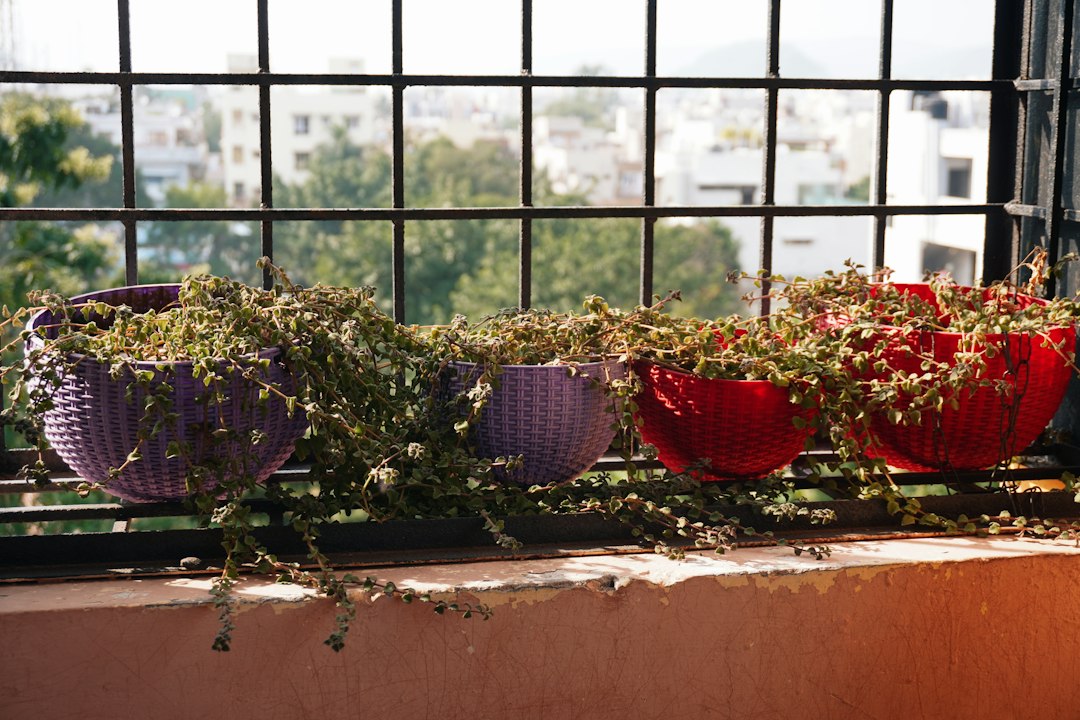
Wind is another part of the microclimate. A sheltered patio may allow delicate trailing plants, whereas a high balcony corner can expose stems and planters to sharp gusts. Choose sturdy plants and suitably anchored equipment. After storms, inspect fittings, trays and supports before using the space. Loose hanging accessories should be removed before severe weather, and no planter should be able to fall into a public area.
Match roots to containers
Plant labels often show a small young specimen, not its eventual size. Check mature spread, root depth and growing medium requirements before assigning species to pockets. Compact culinary herbs and modest annual flowers may suit smaller compartments, while larger vegetables and shrubs generally need more soil volume. A plant that is constantly thirsty or stops growing may simply have too little room for its roots.
Where species share a trough, group plants with compatible moisture and light preferences. Rosemary and thyme usually want good drainage and plenty of light; moisture-loving foliage may need a different setup. Independent containers offer flexibility and make it easier to replace a struggling plant without disturbing its neighbours. Leave enough space for mature foliage, airflow and pest inspection.
Design drainage deliberately
Watering the top planter is not a reliable method for irrigating the entire installation. Some water may bypass roots and saturate the lower tiers, while the upper pockets remain dry. Use drainage holes and collection systems appropriate to your site. Test runoff with a small amount of water before filling the wall with plants, and examine where moisture accumulates after rainfall.
Water individual containers according to their growing medium and plant needs. Consider drip irrigation only when it can be installed and monitored safely, and check connections for leaks. Allow access to the water collection area for cleaning. Persistent dampness on exterior walls can create maintenance problems, so correct the drainage plan rather than hiding stains behind more foliage.
Create an attractive composition without overcrowding
An engaging vertical garden uses repetition, contrasting leaf shapes and space. Choose a limited palette of pots, then combine upright, spreading and trailing plants suited to the same conditions. Put visually strong plants near eye level and herbs used for cooking within easy reach. A few intentional gaps help every plant stand out and improve access for watering.
View the garden from the interior as well as the balcony. A wall of greenery might be lovely from the sofa but impractical when trying to open a window. Keep furniture proportions modest and circulation routes unobstructed. Decorative lighting should be rated for outdoor use, and cables must be positioned safely away from water and walking paths.
Build in stages and learn from the first month
Begin with one frame and a small number of plants. Install the empty structure according to its instructions, verify stability and add containers from the lower levels upward as recommended. For the first week, focus on moisture behaviour and the effects of wind. During the second, look at how foliage develops at different heights. In the third, adjust plant positions where appropriate, and in the fourth decide whether further planting is genuinely useful.
Record what works rather than trying to copy a staged photograph. If upper plants dry quickly, improve the watering system or container choice. If lower plants stretch towards the light, move them to brighter positions or choose species that tolerate the shade. Expand only after the original plants have established. A compact thriving installation is more valuable than a dense wall of declining greenery.
Seasonal maintenance and troubleshooting
Inspect supports regularly, especially after wind, storms or heavy rainfall. Prune plants safely from the balcony floor, remove dead leaves before they block drainage and examine new growth for pests. In winter, verify each plant’s cold tolerance and remember that exposed pots can freeze more readily than garden beds. Follow species-specific care rather than one watering schedule for every container.
Yellow leaves have many possible causes, so check moisture, light, temperature and pests before adding fertiliser. A rocking frame is a structural problem, not a horticultural one: stop using it until made safe. Containers that remain saturated need better drainage or a different position. Keep a small seasonal note of successful plants and layouts so next year’s garden is easier to maintain.
The Best Plants for Vertical Gardens
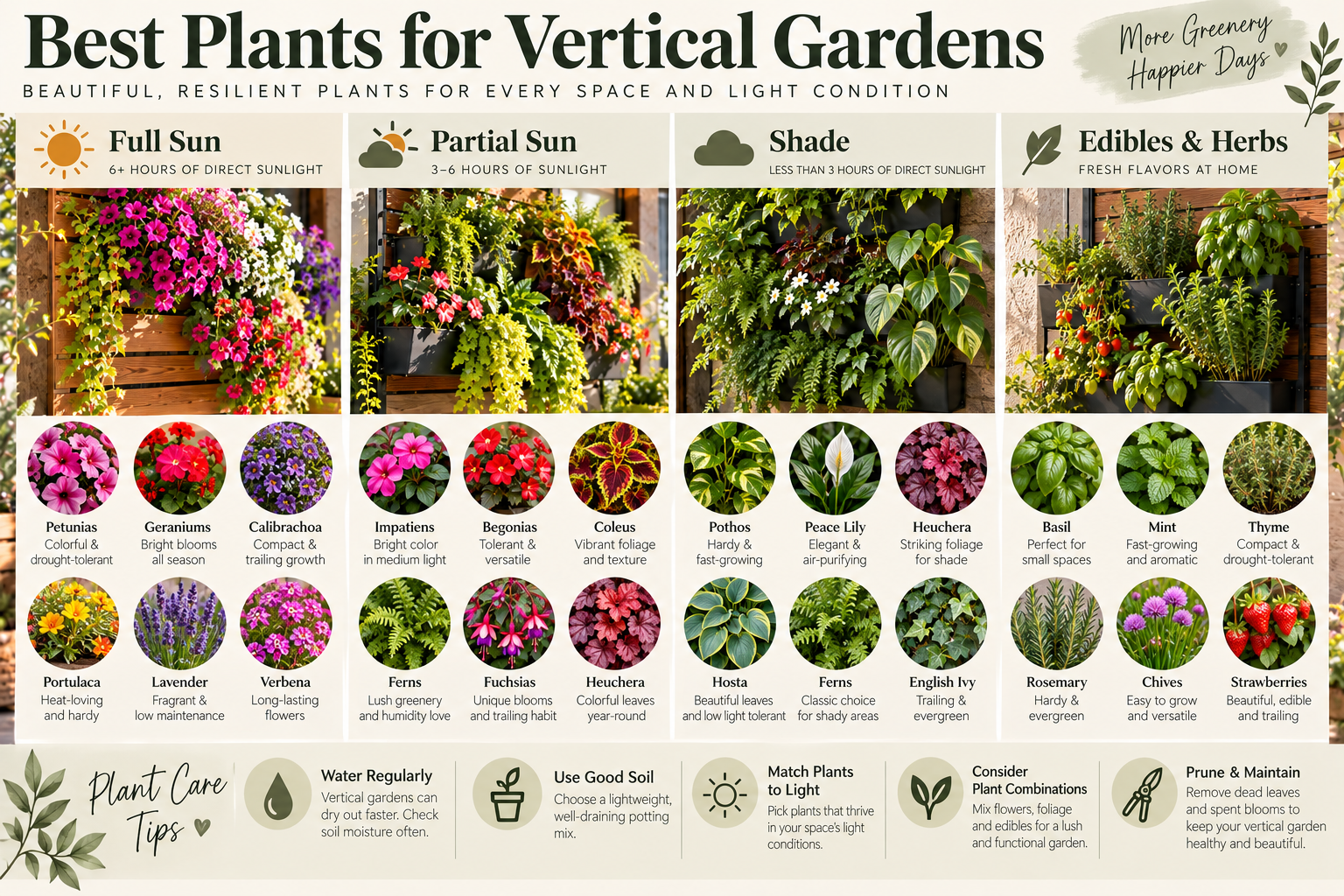
Choose plants by root depth, light, growing season and water needs—not only appearance. Compact herbs such as thyme and rosemary often prefer a bright, free-draining setup; parsley and chives have different moisture needs. Leaf lettuce can suit sufficiently deep salad troughs during cooler growing periods. Purpose-built strawberry towers can make harvesting accessible, but require consistent monitoring. Seasonal trailing flowers offer colour when their containers provide enough soil and they are sheltered from damaging winds.
| Plant | Vertical format | Watch out for |
|---|---|---|
| Thyme / rosemary | Sunny herb containers | Good drainage and root room |
| Parsley / chives | Kitchen-side troughs | Consistent moisture |
| Salad leaves | Accessible deep troughs | Heat and spacing |
| Strawberries | Purpose-designed tower | Watering and sunlight |
| Trailing annuals | Decorative raised planters | Wind and frequent checks |
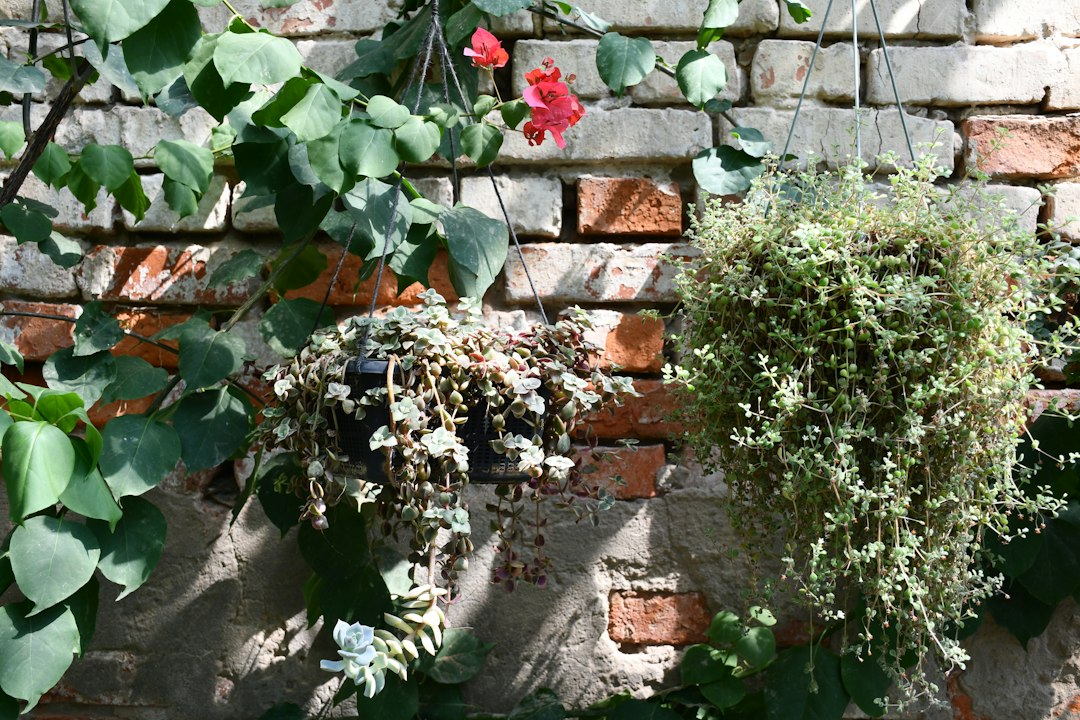
Vertical Garden Buying Guide
Compare more than the price on the product listing. Check dimensions, outdoor-rated materials, maximum loads, anchoring requirements, drainage, container depth and whether replacement parts are available. Freestanding tiered stands are convenient for renters but still need stability; stackable towers maximize height with a small footprint but require deliberate watering. Wall-mounted rail systems preserve walking space if proper installation is possible, while fabric pockets have restricted root space and can dry quickly. Trellis planters add privacy but need careful wind planning.
Budget for everything: frame, planters, mounting hardware when permitted, potting medium, plants, saucers and irrigation accessories. Buy a system whose documented limits fit your actual situation rather than judging it by a staged photograph. Specific Amazon product recommendations should only be added after product, availability and destination-link verification.
DESIGN RECIPES
Three Ready-to-Plan Vertical Garden Looks
Use these combinations as design starting points. Adapt every plant choice to your climate, actual light and the container manufacturer’s recommendations.
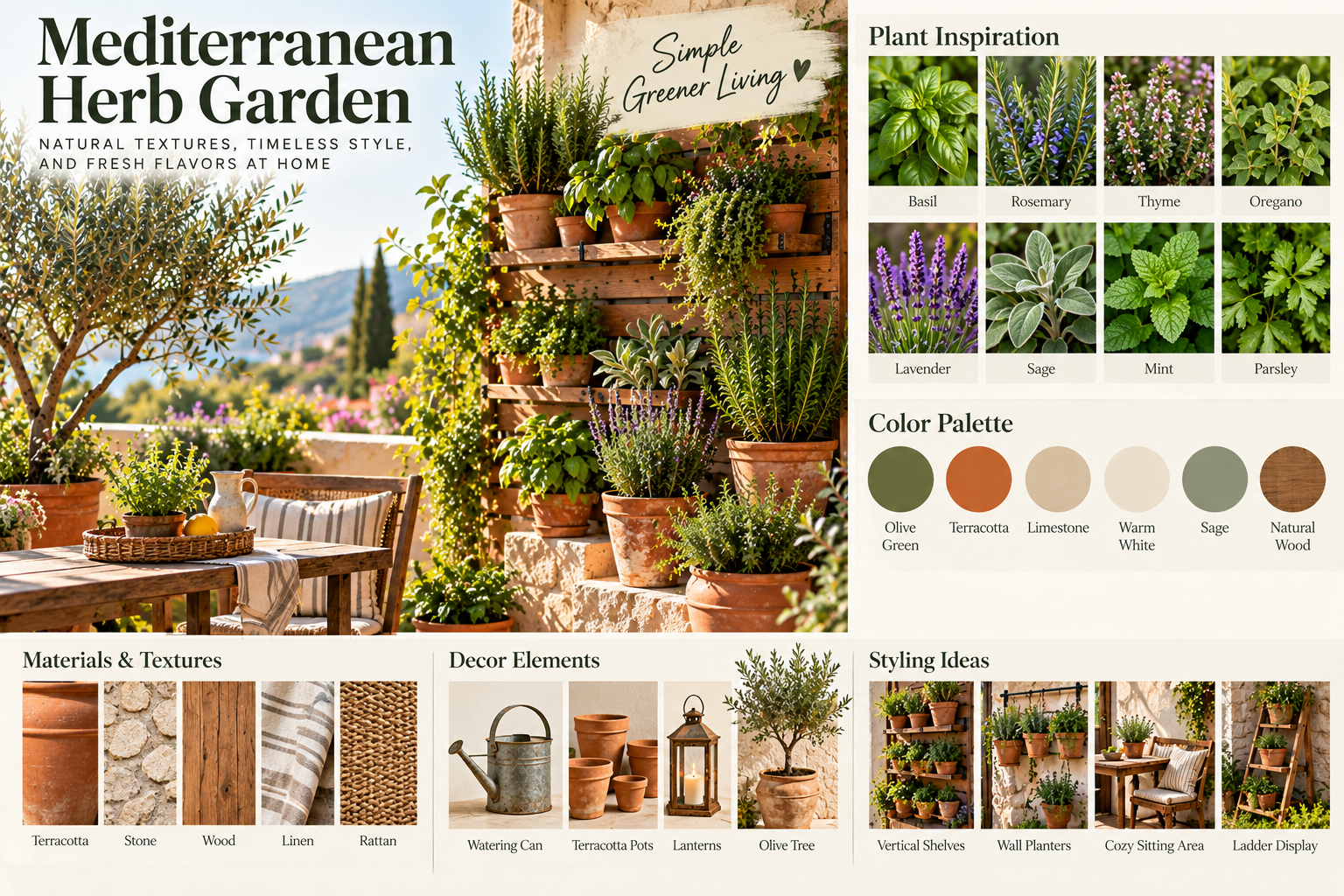
The Kitchen Herb Wall
Combine separate pots of thyme, parsley and chives at easy picking height. Keep rosemary in its own suitable sunny, well-drained container.
Best for: near a kitchen door with adequate light.
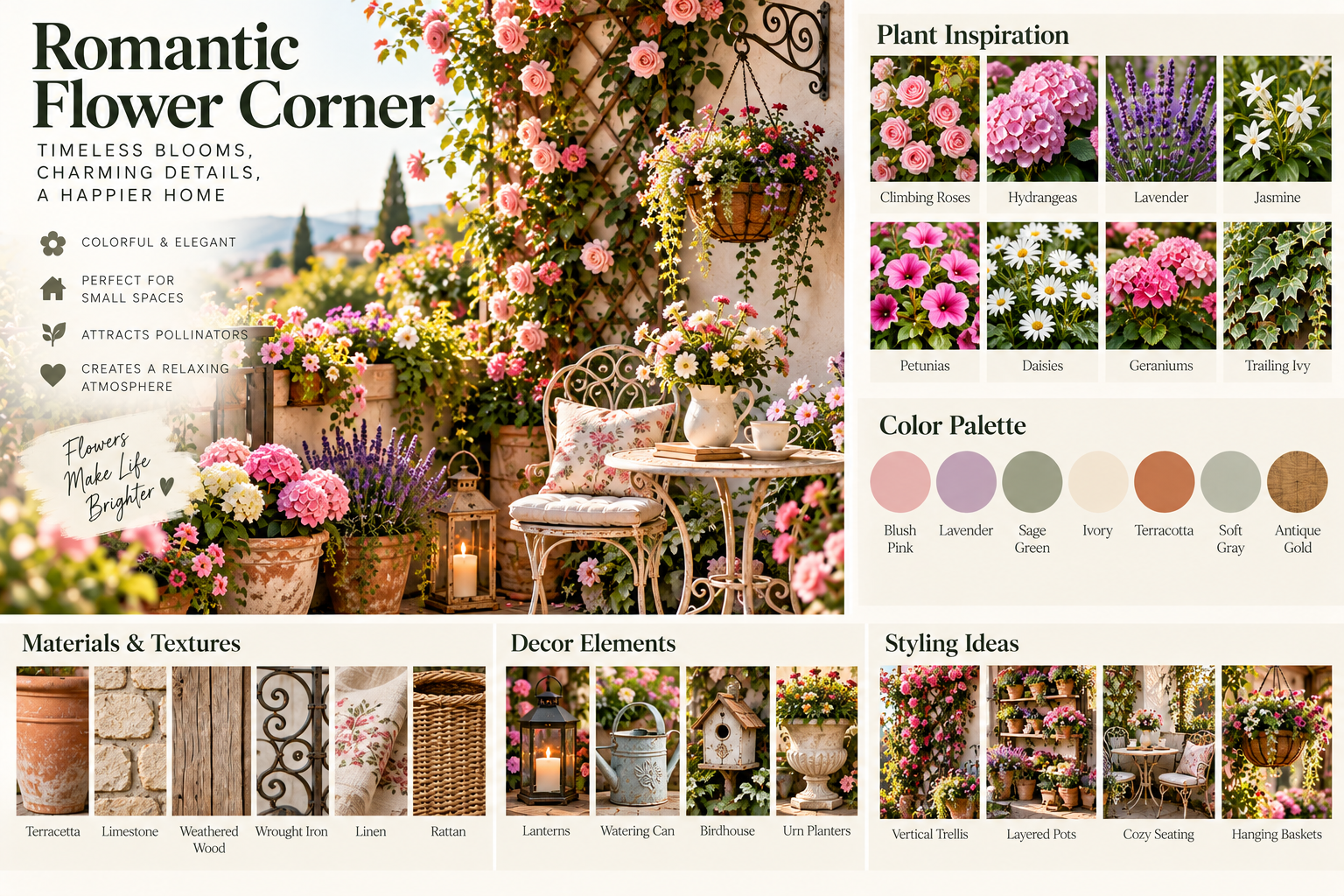
The Cascading Flower Corner
Choose two coordinated flowering colours with textured green foliage. Repeat container finishes and place trailing plants where stems will not obstruct access.
Best for: a sheltered patio feature wall.
The Soft Green Screen
Use a sturdy purpose-designed planter-trellis with a climate-appropriate climber. Account for mature weight and increased wind resistance before installing.
Best for: an exposed view where a structurally suitable screen is permitted.
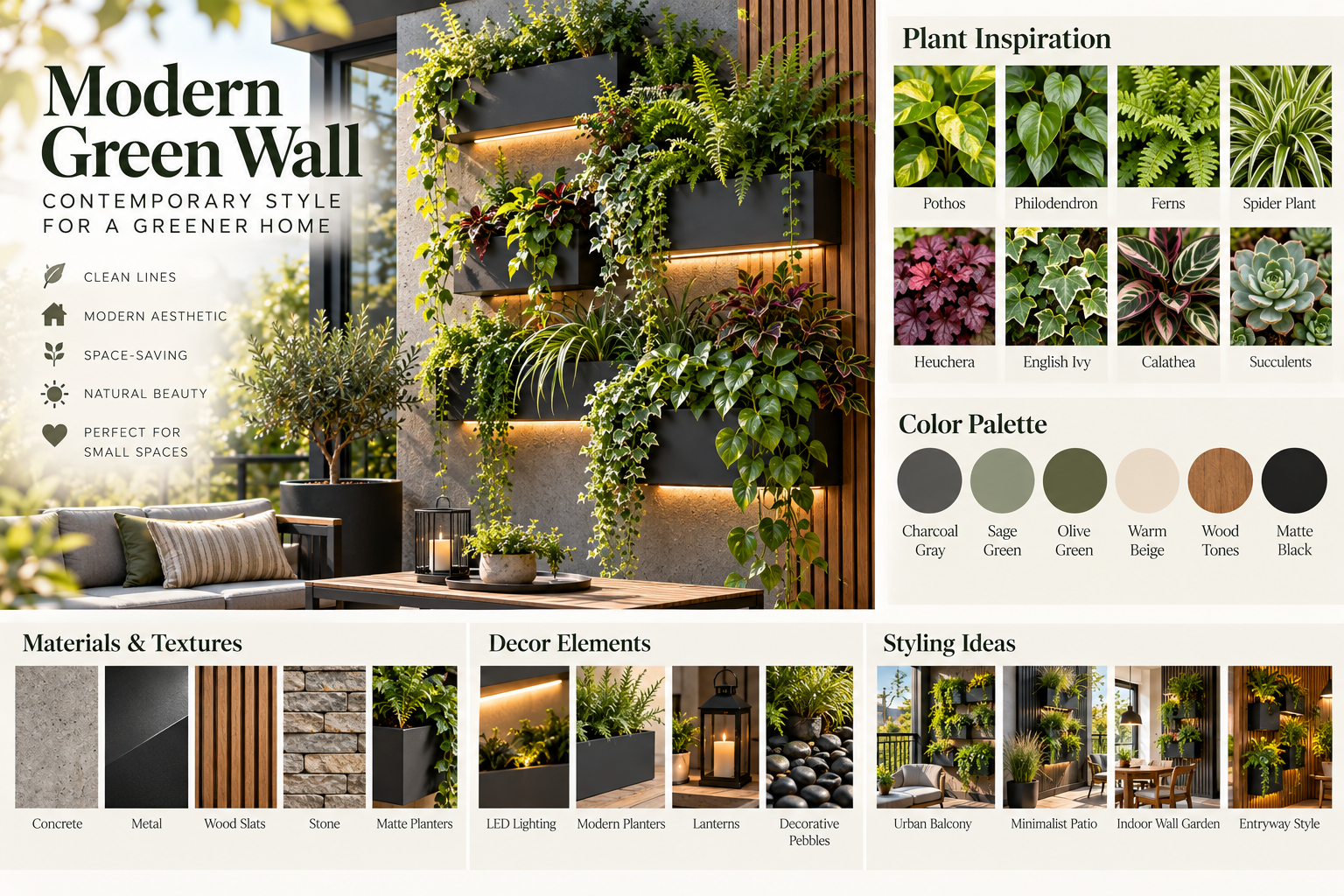
Garden Style Moodboards
Explore the materials, plants and palettes behind the three garden looks. These are styling references, not plant suitability recommendations for every climate.
Vertical Garden Troubleshooting
| Problem | What to check first | Practical response |
|---|---|---|
| Upper pots dry too quickly | Wind, sun and container volume | Check moisture individually; consider deeper pots suited to the plant |
| Lower pots stay soggy | Blocked drainage and runoff from above | Clear drainage and adjust how each tier is watered |
| Plants grow thin or leggy | Light available behind upper tiers | Move removable pots or select plants suited to the light |
| Leaves turn yellow | Moisture, temperature, roots and pests | Identify the cause before adding fertilizer |
| Rack rocks or shifts | Support and manufacturer installation rules | Stop using it until it has been made safe |
CURATED SHOPPING GUIDE
Tools & Planters to Build Your Vertical Garden
Choose the format that solves your specific space problem. We evaluate each option for stability, accessible growing volume, drainage, weather durability and ease of care. We add product cards only after confirming the Amazon listing and its affiliate destination.
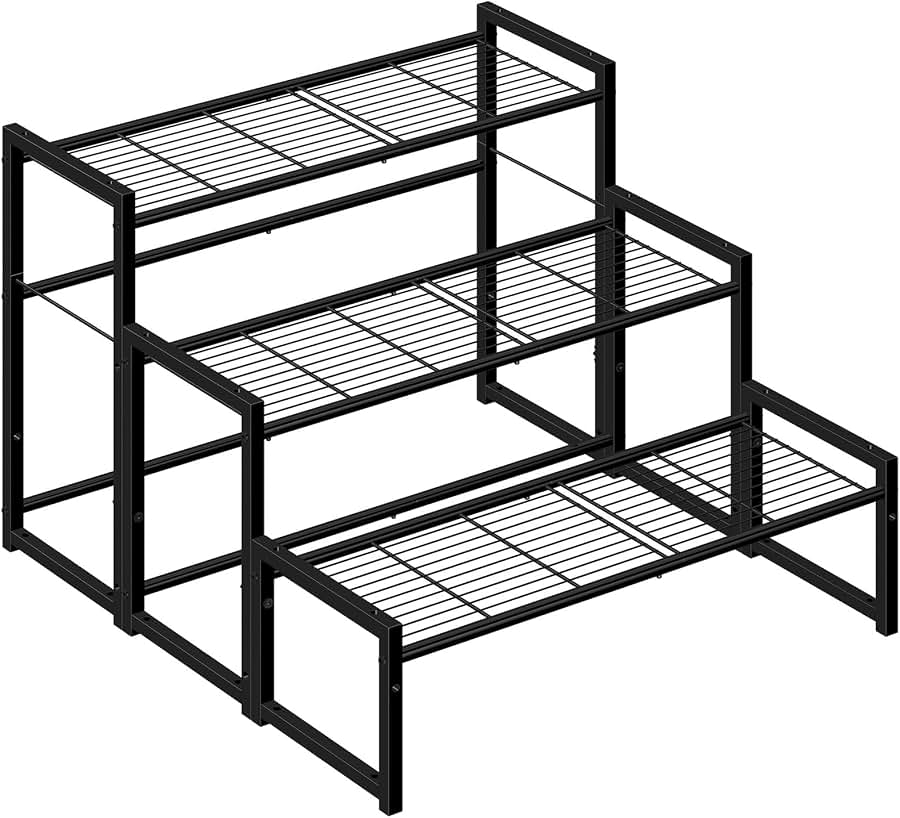
Simple Trending 3-Tier Metal Plant Stand
A freestanding metal shelf-style plant stand for arranging individual potted plants in a narrow footprint. Check assembled dimensions, shelf load limits, floor stability and suitability for outdoor exposure before purchasing.
View on AmazonAffiliate link · Product details and availability may change
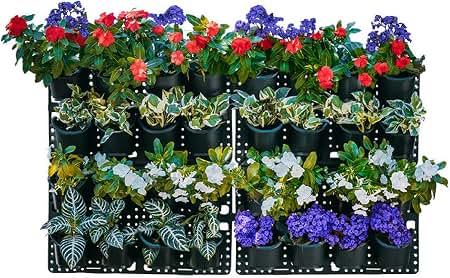
Watex Expandable Green Wall System — 32 Pots
An expandable modular vertical garden system with planting pots and an integrated drip-irrigation design. Verify the mounting surface, fully watered weight and irrigation connections before installation. Product availability may vary.
View on AmazonAffiliate link · Product details and availability may change
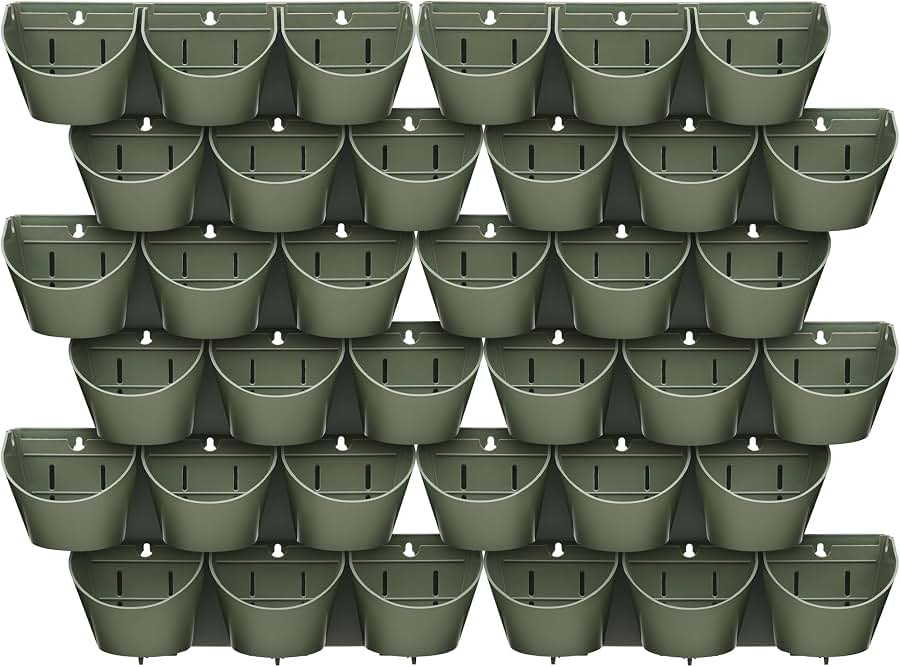
Worth Garden 36-Pocket Vertical Wall Planter
A modular wall-mounted planter option for arranging herbs, flowers and compact foliage plants vertically. Check mounting requirements, fully watered weight, drainage management and whether the location allows permanent fixings before installation.
View on AmazonAffiliate link · Product details and availability may change
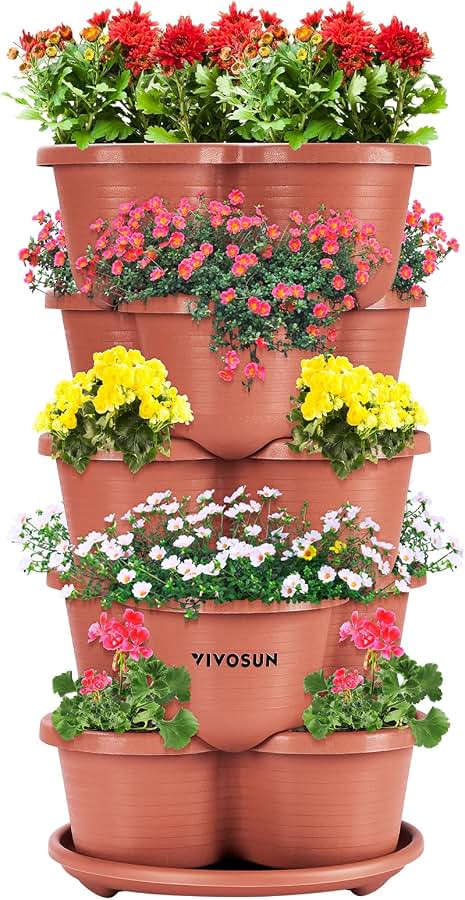
VIVOSUN 5-Tier Vertical Stackable Planter
A space-saving stackable planting option for herbs, flowers and compact edible plants. Check the product dimensions, drainage arrangement and fully planted weight before choosing a location, particularly on balconies.
View on AmazonAffiliate link · Product details and availability may change
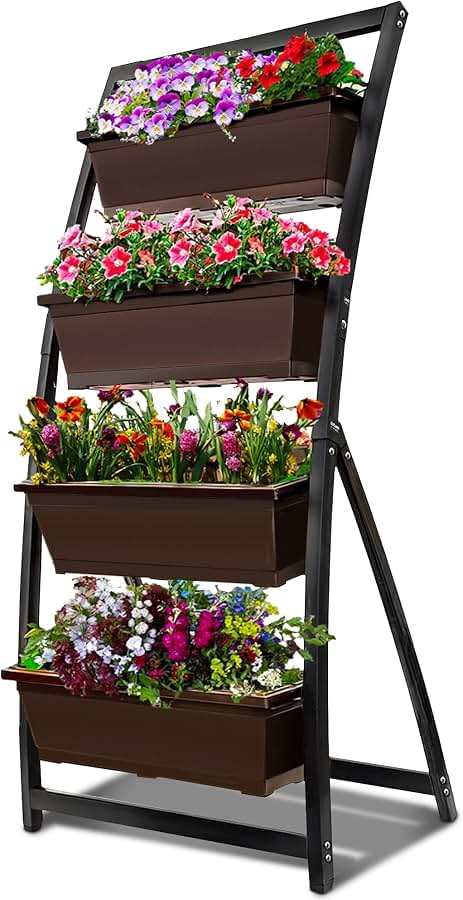
Outland Living 6-Ft Vertical Raised Garden Bed
A freestanding tiered raised-bed system with separate planting containers for herbs, flowers and compact vegetables. Confirm the footprint, fully loaded weight and wind exposure before choosing it for a balcony.
View on AmazonAffiliate link · Product details and availability may change
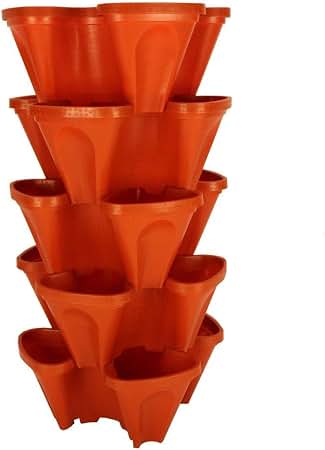
Mr. Stacky Large 5-Tier Vertical Gardening Planter
A compact, five-tier plastic planting system designed for herbs, strawberries and flowers. The listed size is approximately 18 in. wide by 38 in. high, with drainage holes. Check the filled weight, sunlight exposure and watering distribution before placing it on a balcony.
View on AmazonAffiliate link · Product details and availability may change
Ideal for renters needing flexible display. Check anti-tip instructions, shelves and outdoor finish.
Suitable for herbs, salads and strawberries when root capacity, irrigation and stability fit your location.
Best for vertical displays where wall mounting is approved and the full wet weight can be supported.
Creates a green backdrop; evaluate anchoring, wind loading and mature vine growth.
Prioritize drainage holes, sensible root volume and access for harvesting.
Look for adjustable, inspectable watering solutions. Test for leaks and collect runoff safely.
A Four-Week Setup Plan
Week 1: Survey sunlight and wind, measure your space and choose one garden purpose. Week 2: Install your first module according to the manufacturer’s directions and test water runoff. Week 3: Observe the plants, their sunlight and the moisture pattern at each level. Week 4: Inspect fixings, prune where necessary and only expand if the system is practical to maintain.
Vertical Garden Installation Checklist
- Measure walls, doors and clear walking routes
- Confirm permissions and structural suitability
- Check wet load capacity and wind exposure
- Match root room and sunlight to your plants
- Provide controlled drainage and easy water access
- Keep every plant reachable without climbing or leaning out
- Begin with one manageable module
Explore More Small Outdoor Space Ideas
Explore our guides to balcony privacy ideas for renters, compact balcony seating for two, winter balcony gardens and outdoor kitchen lighting.
A thoughtfully planned vertical garden saves floor space without adding unnecessary work.