
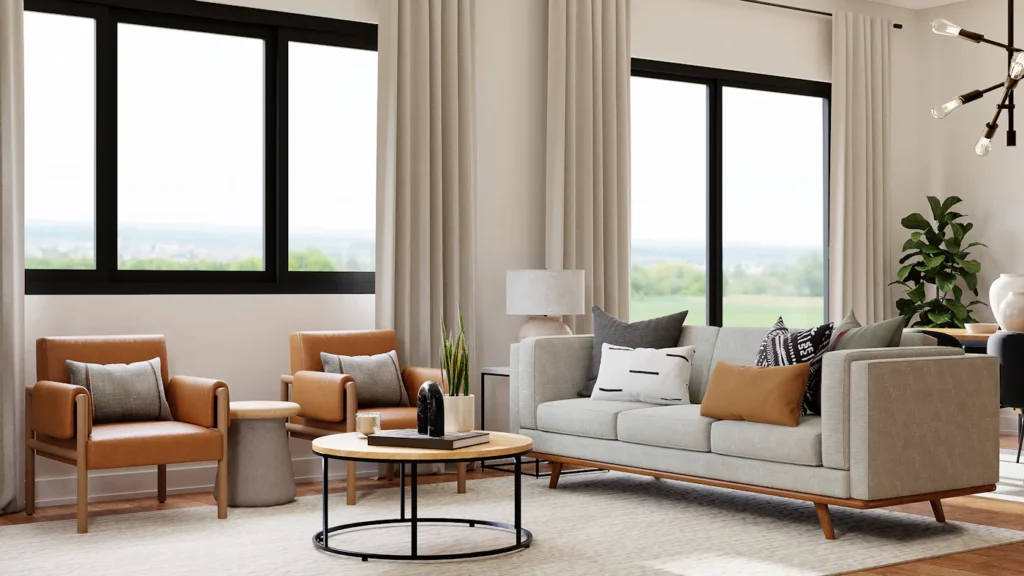
Layered objects and a lived-in mix of furnishings can tell a story without filling every surface. Photography: Spacejoy / Unsplash.
THE PERSONAL HOME EDIT · DECOR WITH A STORY
A room can be perfectly coordinated and still feel like nobody lives there. The spaces we remember tend to have something more interesting: a photograph that starts a conversation, an unusual color used with confidence, or a handmade object that couldn’t have come from the same catalog as everything else.
Learning how to express your personality through home decor does not require a dramatic makeover. It requires a little editing, a clear point of view, and the willingness to display what matters to you. These five creative techniques turn meaningful belongings into intentional design—without sacrificing function or filling every shelf.
Pick one surface, one memory or interest, and one visual element to repeat. Complete that small composition before shopping for anything else.
How to Express Your Personality Through Home Decor: Start With a Visual Thread
Look at the pieces you repeatedly choose: perhaps old photographs, warm wood, colorful ceramics, botanical drawings, or books with worn spines. The goal is not to decide whether you are minimalist, maximalist, or vintage-inspired. It is to identify the common thread that could make your favorite objects feel like one thoughtful collection.
Try the three-word edit: choose three words you want the room to communicate, such as curious, warm, collected or calm, graphic, playful. Keep those words nearby while you arrange objects. They help you say no to additions that photograph beautifully but do not belong in your space.
If you need inspiration before deciding on the overall mood, explore our guide to five room aesthetic styles. This article focuses on the more personal next step: composing with items that already tell your story.
One meaningful anchor + one repeating visual detail + enough empty space to notice both. An anchor could be your own photograph; the repeating detail might be a dark oak frame finish; the empty space makes the collection legible instead of crowded.
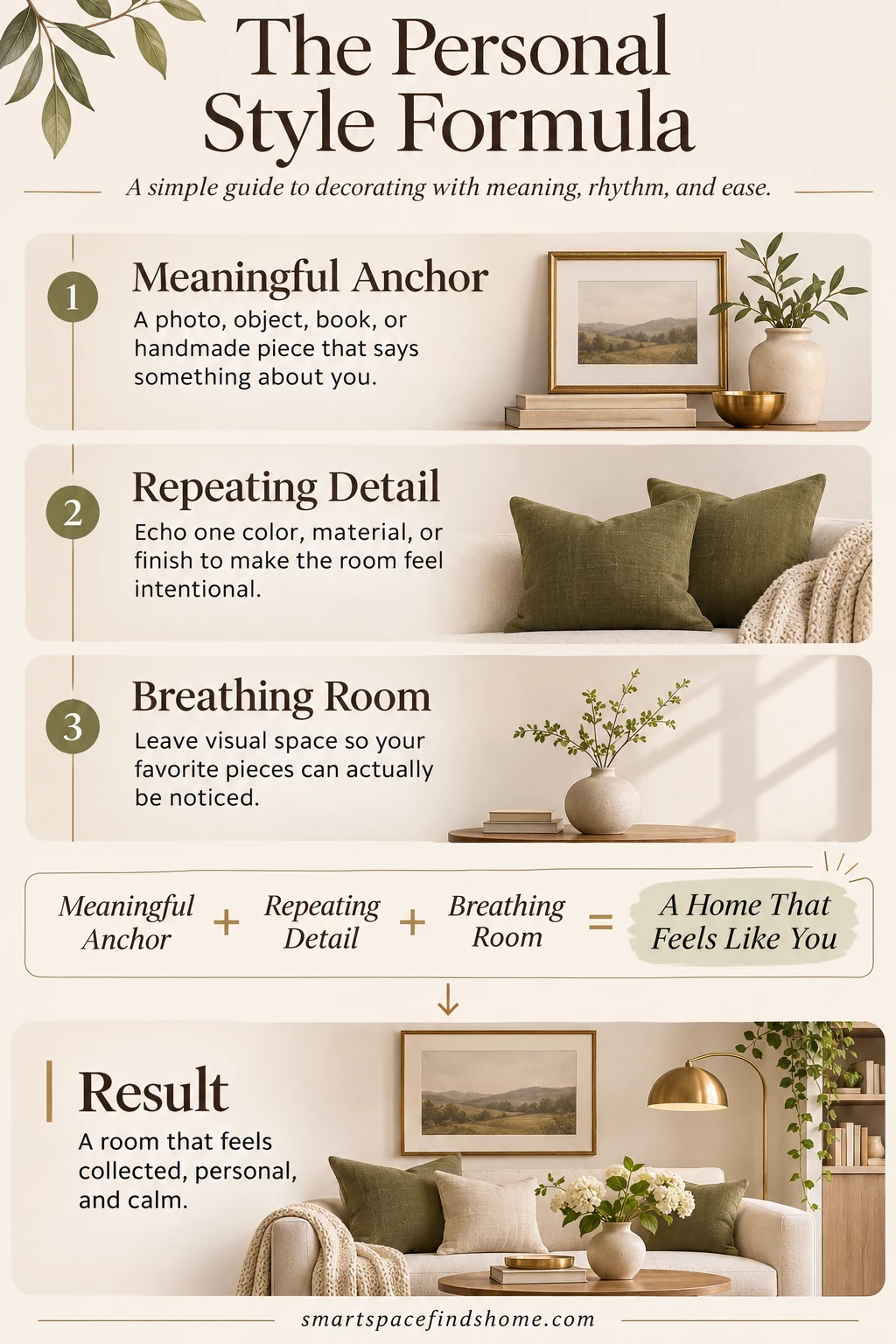
The Personal Style Formula: a meaningful anchor, a repeating detail, and breathing room create a home that feels like you.
1. Build a Bookshelf Around Your Curiosity, Not a Color Scheme
The collected shelf · Personal library
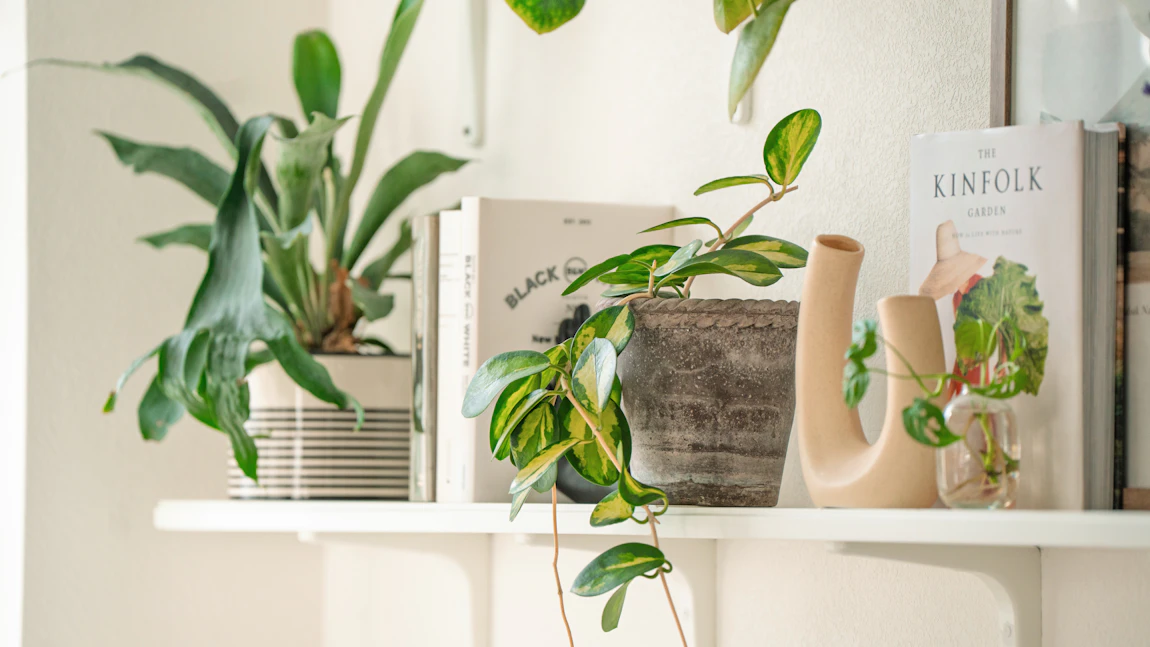
A shelf becomes more expressive when books and natural details reflect your everyday interests. Photo: Kailun Zhang / Unsplash.
A shelf of books can quietly reveal what fascinates you: architecture, cooking, travel, design, music or novels. Instead of arranging every spine by color, begin with the titles you actually return to. Place those at a comfortable height and use a few stacked books to vary the silhouette.
How to style it
Start with one short run of upright books, a horizontal stack of two or three, and one object connected to a favorite interest. Repeat a material—wood, ceramic, brushed metal—elsewhere on the shelf to make the composition feel deliberate. Leave enough open space to lift books out without moving a display.
Small-space adaptation: One wall shelf or the upper level of a narrow bookcase is enough. Keep the lower shelves available for everyday storage; decorative styling should never make useful storage difficult to access.
Avoid: Buying books solely as color-matched props or stacking heavy books on floating shelves without checking their load rating and installation.
The collected bookshelf recipe
Start with: A short row of books you read, two stacked favorites, one sentimental object and some breathing room. Arrange the tallest group on one side, then visually balance it with the low stack. If a shelf looks overly busy, remove one object before adding another.
Best for: Studio apartments, small living rooms and home offices that need display and practical storage in the same footprint.
The Collected Bookshelf
Create room for books and meaningful objects. Check shelf dimensions, wall type, mounting requirements and load limits before purchasing.
Affiliate disclosure: As an Amazon Associate, Smart Space Finds earns from qualifying purchases. Product availability, options, and prices may change.
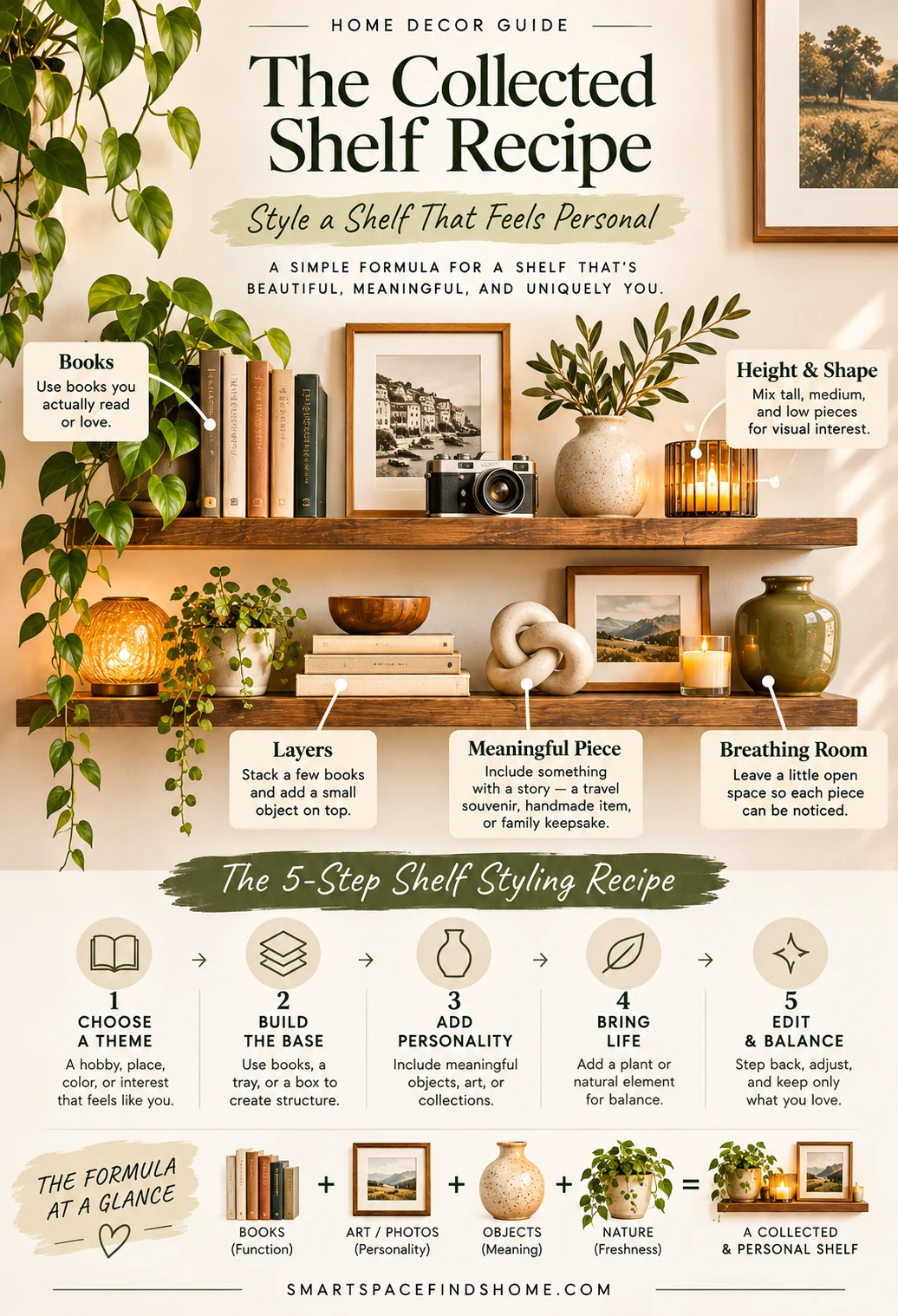
The Collected Shelf Recipe balances useful books, personal details, natural elements, and breathing room.
2. Turn Your Own Photographs Into an Editorial Gallery
The art of remembering · Gallery wall
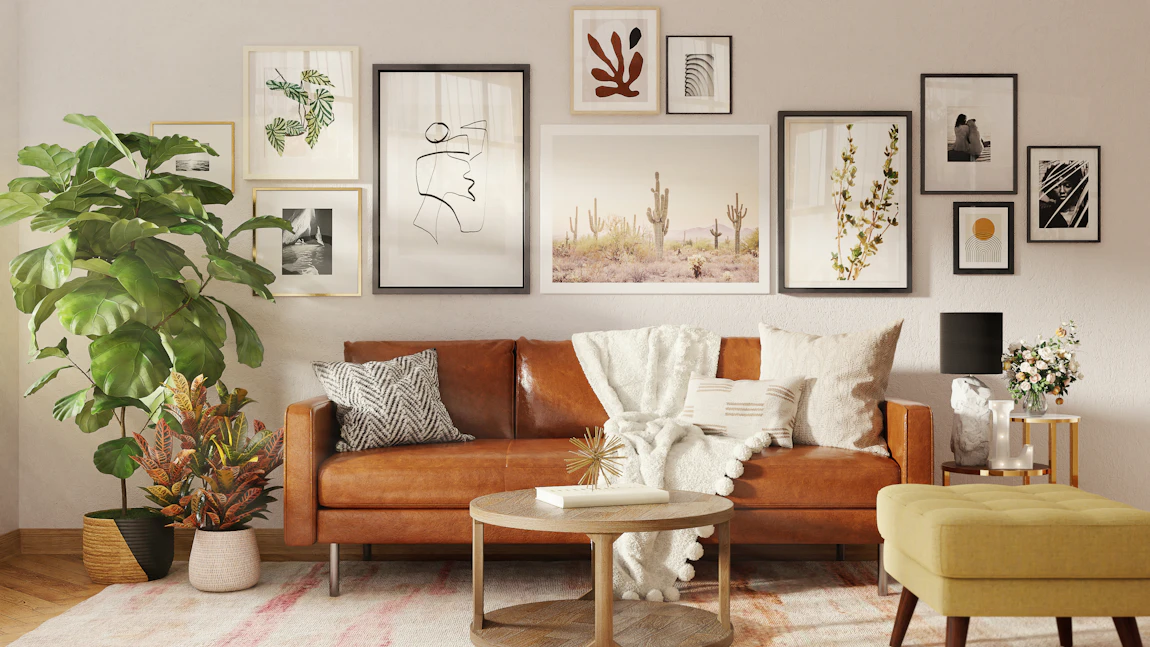
Layered wall art can establish a cohesive look while making room for your own photographs. Photo: Spacejoy / Unsplash.
Personal photography adds a layer that mass-produced wall prints cannot reproduce. A quiet street from a memorable trip, a portrait of someone you love, or a detail from a family home can be more compelling than a generic motivational poster.
Choose one visual rule
For an approachable gallery, keep either the frame finish, mat color, or print treatment consistent—not necessarily all three. For example, different frame sizes with the same warm oak finish look collected rather than chaotic. Alternatively, black-and-white prints can connect photographs taken at very different times.
Arrange the frames on the floor first and photograph the layout. Use paper templates to test their location on the wall. In rentals, verify whether the wall and hanging method can support the weight; adhesive strips are not suitable for every frame or wall finish.
Practical scale cue: For a grouping above a sofa or console, begin with a composition roughly two-thirds the width of the furniture, then adjust based on the room and frame sizes. This is a visual starting point—not a structural rule.
Choose three to five frames, consistent matting and generous gaps. A quiet arrangement puts the focus on the photographs rather than the layout.
Mix frame dimensions and orientations while repeating a finish or print treatment. Test the complete grouping on the floor before installing it.
The Personal Gallery Edit
Frame the photographs and art that tell your story. Choose one consistent finish—or mix sizes for a more collected look.
Affiliate disclosure: As an Amazon Associate, Smart Space Finds earns from qualifying purchases. Product availability, options, and prices may change.
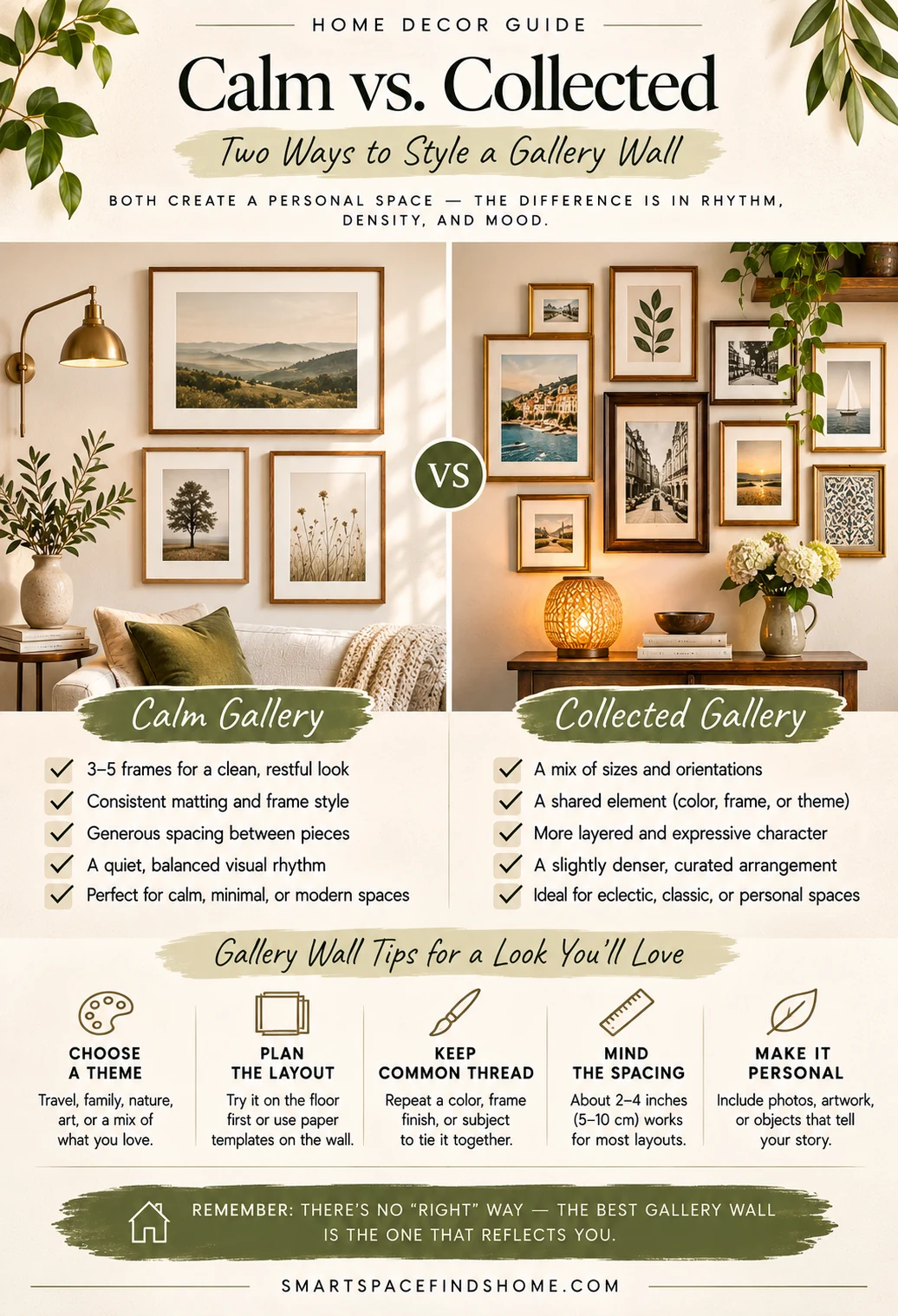
Compare a calm, consistent gallery wall with a more layered arrangement that combines sizes and stories.
3. Make a Small Memory Collection Feel Curated
Souvenirs, inherited objects and pieces discovered on weekend walks can add character, but their meaning becomes harder to see when every surface is crowded. The answer is to create a small, rotating collection rather than display everything at once.
Choose three to five objects linked by a place, period, material or story. Vary their height and visual weight: a taller vase, a low dish and a framed photograph create a more readable silhouette than five similarly sized trinkets. A tray can visually connect a collection, but it should not become an excuse to buy more objects.
The one-story display
Try a shelf about a favorite destination, a ceramic collection from local makers, or a small group of objects inherited from family. Add a discreet note inside a drawer or on the back of a frame documenting dates and origins, especially for pieces you hope to pass on.
Safety and care: Keep fragile or heavy pieces away from shelf edges and busy walkways. Protect light-sensitive photographs and textiles from direct sun. Keep breakables out of reach in homes with children or pets.
Do not organize by object category alone. One travel photograph, a postcard and a small locally made bowl can form a more compelling vignette than a dozen unrelated souvenirs. Place the strongest object first; add the others only if they support the story.
4. Use a Signature Color as Your Visual Signature
A favorite color feels much more personal when it appears as a deliberate accent instead of covering every surface. Consider a recurring rust-red detail through a print, pillow and ceramic bowl, or a deep blue used in a lampshade and two small artworks.
Begin with one piece you own and repeat its color two more times at different heights. Keep the larger surfaces comparatively quiet if you want the accent to stand out. You can mix patterns, but a shared color or material will help them belong together.
Renter-friendly test: Try a removable cushion cover, throw, framed print or table textile before committing to paint or upholstery. Observe the color in natural daylight and at night; it may read differently with warm artificial light.
The three-echo color test
Choose one accent from a meaningful object and repeat it in three spots: at eye level, around seat height and as a small detail nearby. For example, blue in a favorite print, a pillow and a ceramic bowl. You are creating a subtle rhythm, not forcing every item to match.
Check it twice: Once by daylight and once after dark with the room’s regular lamps on. Keep the accents that continue to feel comfortable.
For a more systematic approach, use our five-step guide to choosing a home color palette.
The Signature Color Edit
Repeat one personal color in a few places rather than replacing every accessory. Check cushion insert sizes and fabric specifications.
Affiliate disclosure: As an Amazon Associate, Smart Space Finds earns from qualifying purchases. Product availability, options, and prices may change.

Repeat one meaningful accent color at three heights to add visual rhythm without matching everything.
5. Give Handmade and One-of-a-Kind Pieces a Real Job
The human detail · Handmade character
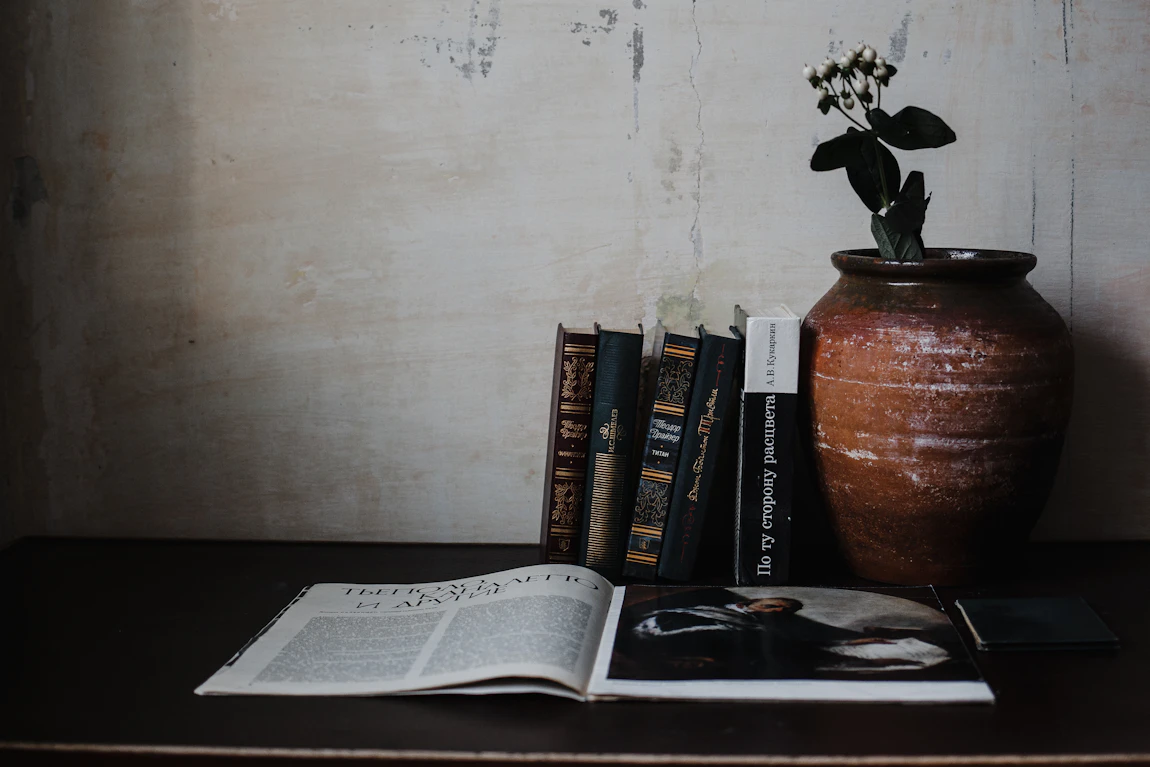
A single ceramic piece can bring expressive shape and texture to an otherwise simple display. Photo: Ivan Cherepanov / Unsplash.
A bowl made in a pottery class, a sketch from a friend, an old chair you restored, or a textile picked up from a local maker can become the most memorable part of a room. It does not need to be flawless or rare. The strongest personal details are often the ones that have a history.
Give the piece enough visual breathing room. Hang a small drawing where you will pass it daily, use a stable ceramic bowl as a catchall if it is suitable, or place a handwoven textile over the back of a chair where it will be seen and enjoyed.
Function check: Do not assume decorative ceramics are food-safe, vintage electrical items are safe to use, or old furniture is structurally sound. If you cannot confirm a piece’s safe use, display it decoratively instead.
If your taste combines contemporary and older objects, our vintage-modern decorating guide offers additional ways to balance the mix.
Meaningful Display Details
Make a keepsake or favorite object feel intentional with a small riser, simple tray, picture light or understated glass vase.
Affiliate disclosure: As an Amazon Associate, Smart Space Finds earns from qualifying purchases. Product availability, options, and prices may change.
The Personality-to-Decor Decision Framework
Not sure which creative home decor ideas belong in your room? Before buying or moving anything, use this four-part filter. It turns an emotional impulse into a clear design decision while keeping the room comfortable for daily life.
| Question | What to look for | Low-risk first move |
|---|---|---|
| Does it mean something? | A genuine memory, interest or preference | Display an object you already own |
| Does it fit the space? | Correct scale, safe clearance and easy cleaning | Test the arrangement before mounting |
| Does it connect visually? | One repeating color, shape or material | Echo an existing finish twice |
| Will you still enjoy it? | Comfort, usefulness and room to evolve | Live with the change for a week |
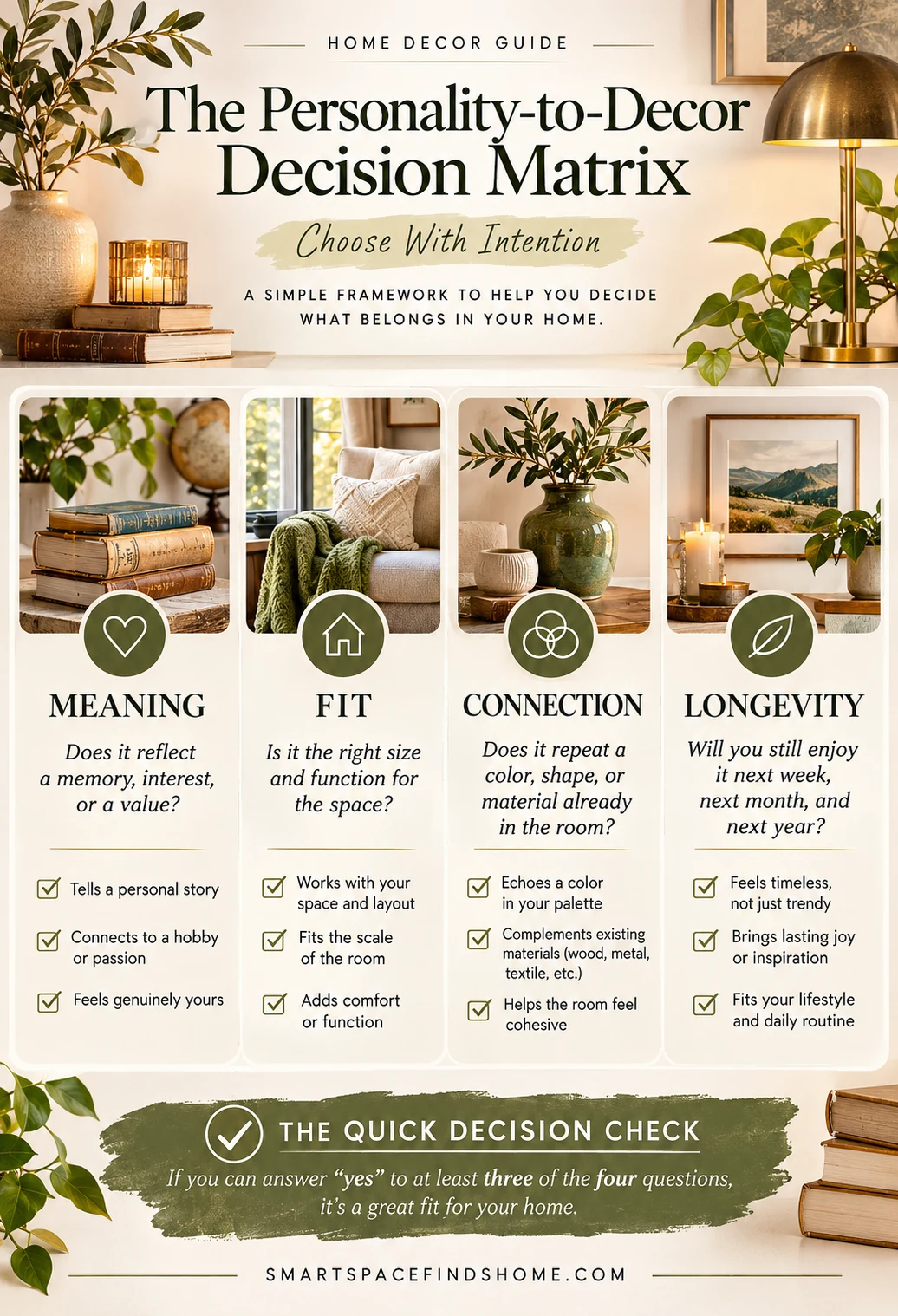
Use four questions—meaning, fit, connection, and longevity—before deciding whether a piece belongs in your space.
Three Ways to Apply the Ideas in Different Rooms
Personality-driven decorating works best when you adapt the same principles to how each room is used. A focal point that suits a living room may be too visually busy for a bedroom, while renter-friendly displays must stay easy to move.
In a small living room
Make one shelf or console your personal focal point. Pair a small photograph with three meaningful books and one sculptural object. Keep pathways and frequently used surfaces clear. If the room needs organizing before styling, clear the frequently used surfaces and make practical storage the first priority.
In a bedroom
Try a single framed memory beside your bed, a favorite soft color repeated in bedding, and one handmade item. Avoid creating a bedside arrangement that obstructs your lamp, alarm or water glass. A bedroom should feel personal without becoming difficult to rest in.
In a rental or studio apartment
Use moveable objects—textiles, picture ledges that are properly installed, freestanding frames, or a curated bookcase—so you can take your identity with you. Keep lease restrictions and wall condition in mind before drilling or using adhesives.
What to Buy—and What to Skip
Well-sized frames and mats, safe picture-hanging hardware, sturdy bookends, and organizers that make cherished objects easier to use or display.
Generic filler objects, a full matching decor collection, or trendy accessories that crowd out personal belongings you already love.
Personal decorating should not automatically become a shopping list. Start with what you own, then buy only the tools that make meaningful pieces easier to display or preserve. The most useful categories to research are adaptable picture frames and mats, stable bookends, small display trays, and well-constructed shelves appropriate to their mounting surface. Confirm dimensions, materials, load ratings and current product details before ordering.
Measure your available shelf depth and wall space, look for secure mounting hardware, and check whether the piece will be easy to clean or move. Frames, bookends and display trays are most worthwhile when they help you enjoy something meaningful that you already own. A personal room does not need a cart full of matching accessories.
A 20-Minute Personal-Decor Reset
Use this simple room-styling exercise to turn inspiration into one completed change. It requires no new purchases and works on a side table, bookshelf, console, or small desk.
The weekend edit · 20 minutes
- Minutes 1–4: Choose one small area and clear it completely.
- Minutes 5–8: Select three objects that reflect a genuine interest, memory or favorite color.
- Minutes 9–13: Arrange them with varied height and enough breathing room.
- Minutes 14–17: Check visibility, stability, cleaning access and practical use.
- Minutes 18–20: Photograph the result and remove anything that feels unnecessary.
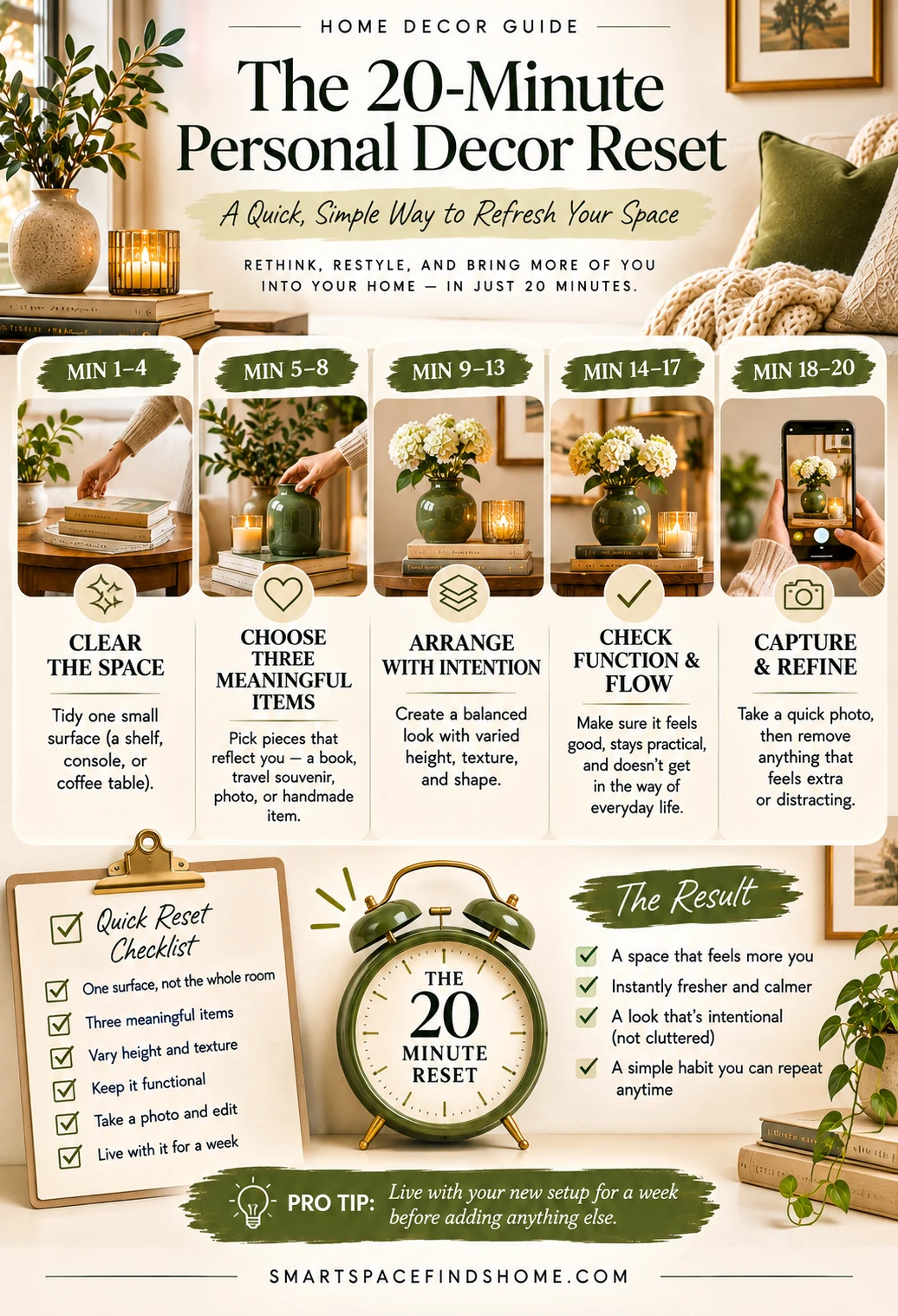
The 20-minute decor reset turns inspiration into one practical, finished styling change.
Keep the arrangement for a normal week, not just long enough to take a photo. The right edit is the one that continues to work on a busy Tuesday.
After one week, ask three questions: Did I enjoy seeing it? Was the area still easy to use and clean? Did the arrangement feel authentic rather than staged? If one answer is no, remove or rearrange something before spending money on another accessory.
Frequently Asked Questions
How do I make my home reflect my personality without looking cluttered?
Give meaningful items a limited display area, repeat one visual detail, and leave some open space. Rotate collections rather than showing everything at once.
Can I mix different decor styles?
Yes. A common material, recurring color or consistent frame treatment can connect pieces from different periods and styles. Personal rooms rarely need a single label.
What if I do not have much money for decorating?
Start with existing photographs, books, textiles and handmade objects. Rearranging and editing can create a visible change at no cost; buy a display accessory only if it solves a real problem.
How can I personalize a rental without permanent changes?
Use furniture, removable textiles, freestanding displays and lightweight framed pieces. Check your lease and any mounting system’s instructions before attaching anything to a wall.
How often should I refresh personal decor?
There is no schedule. Change a display when you have a new memory to include, when an area becomes inconvenient, or when your preferences genuinely shift.
Final Thoughts: Personal Decor That Feels Like You
If you would like a broader starting point, our guide to personal home decor inspired by your interests explores additional ways to find meaningful objects. This guide is about arranging those choices into an intentional composition.
A distinctive room is not necessarily the one with the most unusual furniture or the strongest color palette. It is the one whose details make sense to the person who lives there. Begin with one photograph, one favorite object or one shelf of books; give it space, connect it to the room, and let the collection grow only when life gives you something worth adding.