
The Bedroom Edit / Color & Character
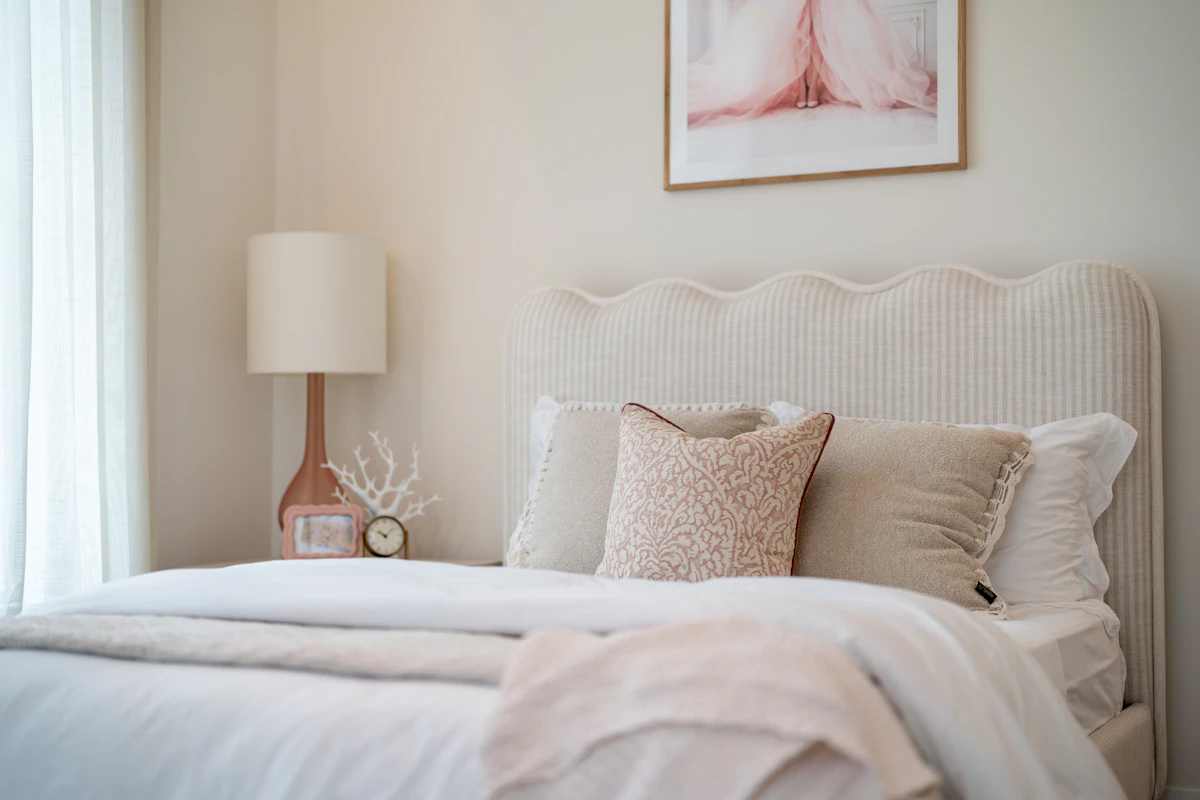
A bedroom can feel beautifully soft without looking overly sweet. The secret is not how much pink you use, but what you ask it to sit beside.
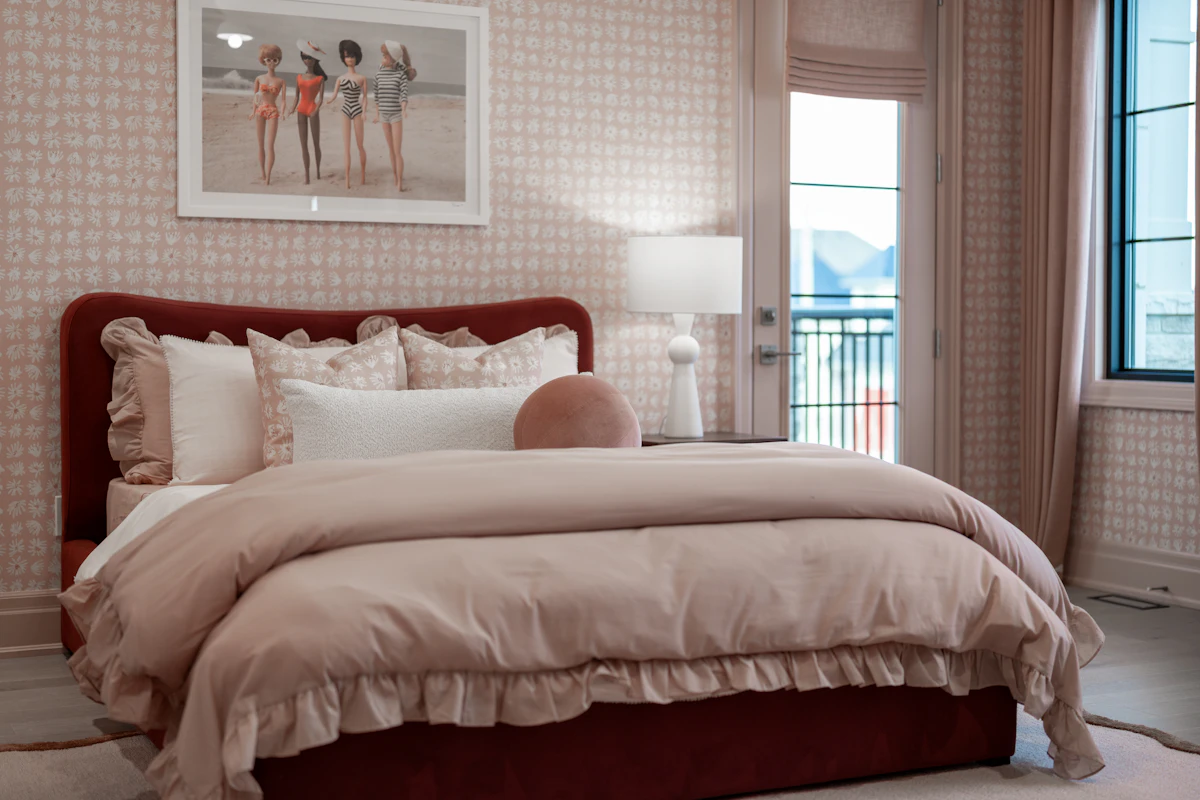
Picture dusty rose linen, a walnut nightstand, warm ivory curtains and a quiet pool of evening light. Nothing needs to match exactly. The room feels considered because each material gives the next one a reason to be there.
A room does not need to announce its color to be defined by it.
THE SMART SPACE FINDS DESIGN PRINCIPLE
The Blush Balance Method
Use a starting ratio of roughly 60% quiet neutrals, 30% blush or related tones and 10% contrasting accents. This is a flexible visual guideline, not a measurement rule. If the walls are pink, they may already supply most of the color you need. Count large surfaces before shopping for accessories.
60% foundation neutrals · 30% blush tones · 10% contrast
Adjust these proportions to suit your room; the balance matters more than exact percentages.
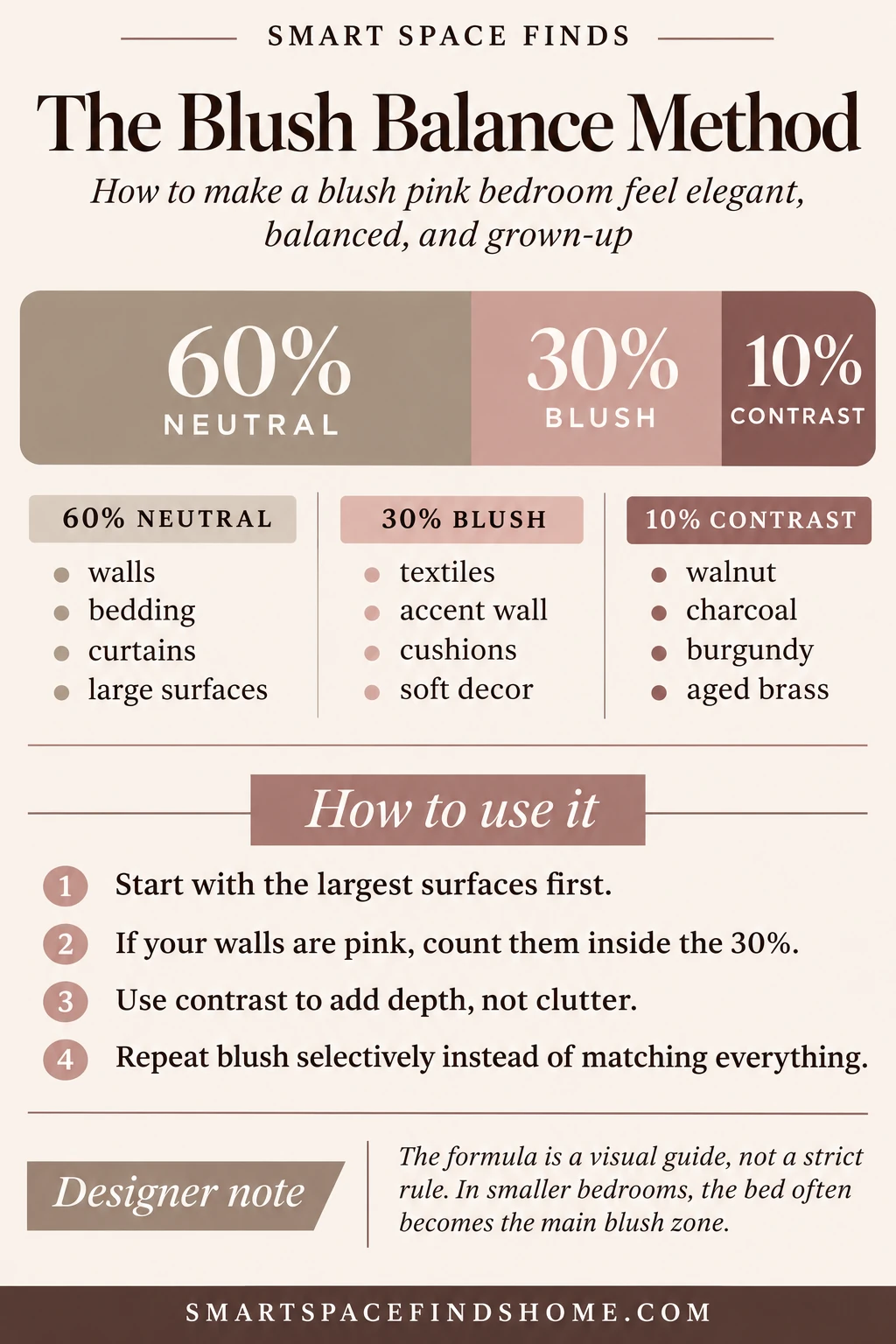
Use the 60–30–10 formula as a flexible starting point, not a strict rule.
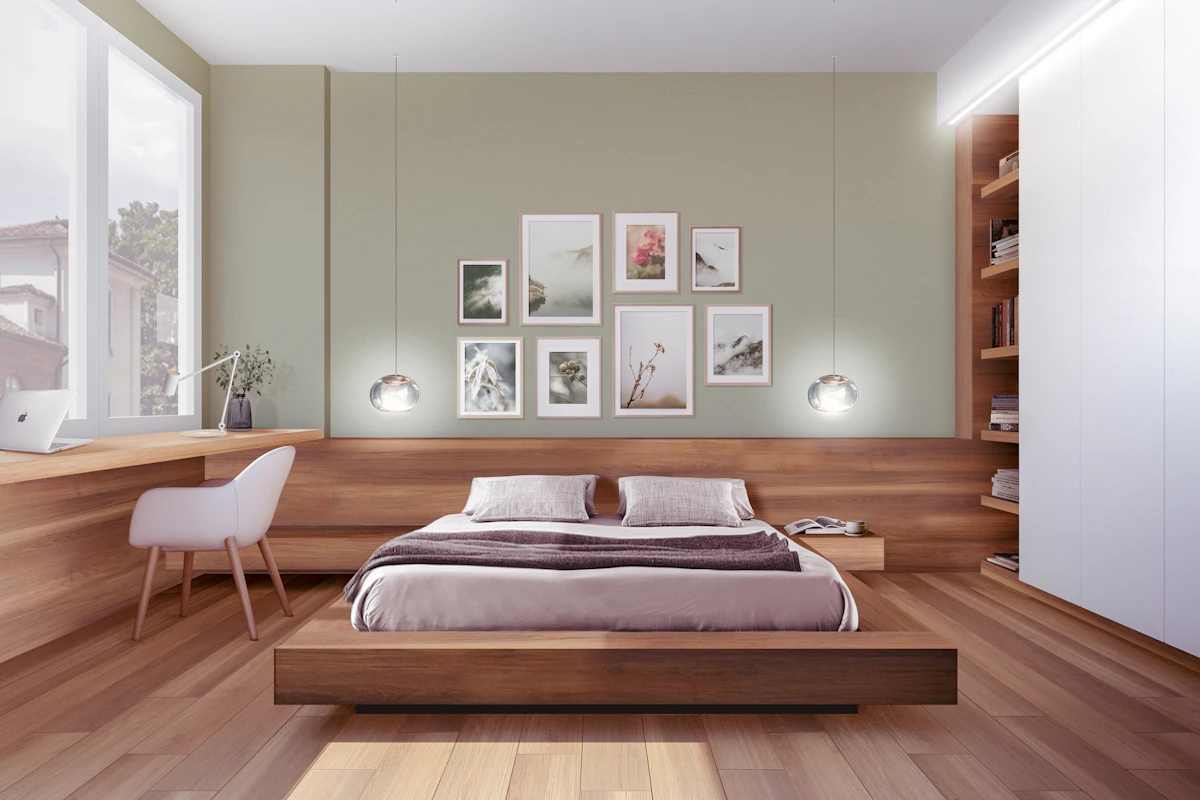
15 blush pink bedroom ideas that feel sophisticated
1. Choose an earthy undertone
Start with a muted clay, dusty rose or beige-pink sample. Compare it with the floor and the largest piece of furniture rather than judging it alone. Make a sample board with your existing pillowcase, a wood sample or photograph, and two competing pinks. Move it around the room before committing to a gallon of paint.
2. Anchor the softness with walnut
A substantial dark wood nightstand introduces visual weight. If your furniture is already dark, use it rather than buying a matching pink set.
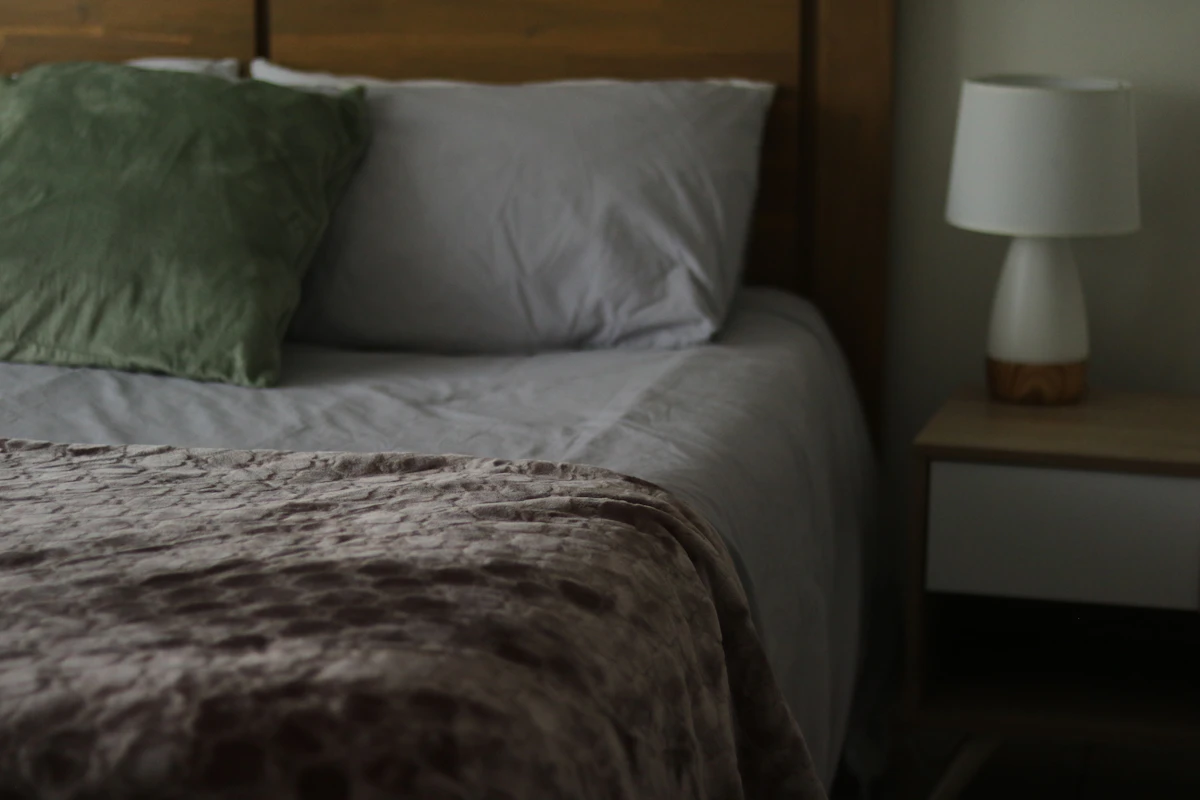
3. Make ivory the breathing space
Warm white bedding gives blush a clear edge. Use one ivory family across large textiles, allowing small variations in weave.
THE ROSE ATELIER / SHOP THE EDIT
Blush Bedding & Luxury Textiles
As an Amazon Associate I earn from qualifying purchases. Check current price, availability, dimensions and selected options before ordering.
A clean white foundation for layered blush textiles.
A muted rose layer for the bed.
A tactile accent for a restrained color palette.
Textured covers to balance smooth bedding.
A coordinated sheet foundation; check the selected color.
A cozy finishing layer; check the selected color.
A soft neutral knit for the foot of the bed.
4. Give the bed a tailored silhouette
A simple oatmeal upholstered headboard creates structure. Measure the space between bedside tables before choosing a replacement.
5. Use pink on one architectural plane
A headboard wall is a sensible starting point. Test paint on a movable sample before deciding whether to extend it around the room.
THE ROSE ATELIER / SHOP THE EDIT
Elegant Bedroom Furniture
As an Amazon Associate I earn from qualifying purchases. Check current price, availability, dimensions and selected options before ordering.
Ground a soft palette with walnut-toned bedside furniture.
A compact alternative to a traditional nightstand.
Combine a soft seat with concealed storage.
A wall-mounted option for compact bedrooms.
A tailored end-of-bed seating option.
A soft upholstered accent with storage.
A bed foundation with integrated storage; verify mattress fit.
A natural-toned bench for practical storage.
6. Make texture do the decorating
Combine washed cotton, linen and a small velvet accent. Restrict shiny surfaces to a few pieces of hardware. Try the three-texture rule: one smooth foundation, one tactile layer and one restrained accent. A cotton duvet, nubby linen sham and velvet lumbar pillow offer three distinct finishes without requiring three new colors.
7. Introduce olive or sage
Choose muted green for a single throw, cushion or artwork. It creates a different kind of contrast from another pink accessory.
8. Add aged brass with restraint
Repeat a warm metal finish on a lamp and a small detail, leaving the rest of the room visually quiet.
THE ROSE ATELIER / SHOP THE EDIT
Sophisticated Decorative Accessories
As an Amazon Associate I earn from qualifying purchases. Check current price, availability, dimensions and selected options before ordering.
Sculptural white accents for an uncluttered surface.
A stone accent to group small decorative objects.
A warm wood catchall for daily essentials.
A vintage-style metal accent; consider flameless tapers.
A green accent to contrast with dusty rose.
9. Choose art beyond the color palette
A landscape, charcoal drawing or personal photograph gives the room a subject beyond its color scheme.
THE ROSE ATELIER / SHOP THE EDIT
Wall Art & Mirrors
As an Amazon Associate I earn from qualifying purchases. Check current price, availability, dimensions and selected options before ordering.
Botanical motifs to introduce muted green.
An arched mirror with a warm-metal frame.
Dark frames to anchor a pale color scheme.
A small vintage-inspired green accent.
A decorative frame combining green and gold.
10. Use a deeper rose note
A single burgundy or plum accent adds depth to pale blush. Remove other decorative pillows if the bed begins to feel crowded.
11. Frame the window with relaxed curtains
Measure rod-to-floor length and panel width. For a fuller curtain appearance, a combined panel width around 1.5 to 2 times the rod width is a useful starting point, depending on the fabric and heading style. Hang curtains where they can open fully without obstructing heaters or vents.
THE ROSE ATELIER / SHOP THE EDIT
Curtains, Rugs & Natural Textures
As an Amazon Associate I earn from qualifying purchases. Check current price, availability, dimensions and selected options before ordering.
A soft window treatment to frame the bedroom.
Tailored pleats for a refined window finish.
A neutral curtain option for a calm palette.
A neutral patterned foundation; check the size.
Introduce a natural woven texture beside the bed.
12. Build a boutique-hotel bed
Use sleeping pillows, a pair of shams and a removable lumbar cushion. Layer a folded quilt at the foot rather than piling on accessories.
13. Layer the lighting
A warm-white ambient lamp and a separate reading light offer different levels of illumination. Check bulb and dimmer compatibility. For a warm evening atmosphere, compare bulbs around 2700 K; choose a separate task light for reading if needed. Color temperature alone does not determine brightness, so check lumens and shade opacity too.
14. Give renters a reversible palette
Work with removable bedding, curtains, framed art and rugs. Check your lease and wall finish before using adhesives.
15. Protect the room’s daily function
Leave a usable area on each nightstand, maintain a clear walking path and keep the bed easy to make. A room that works is easier to keep beautiful. Try the ordinary Tuesday test: can you reach your alarm, charge your phone, open the closet and make the bed without moving a decorative object? If not, simplify the arrangement before buying more.
Five blush pink bedroom color palettes
European soft luxury
Dusty rose, ivory and walnut. Best for a quiet, tailored space.
Organic modern
Blush, mushroom taupe and olive. Best with natural wood and textured fabrics.
Parisian classic
Pale blush, warm ivory and aged brass. Best with restrained traditional details.
Moody romantic
Antique rose, espresso and plum. Best for a deeper, cocooning atmosphere.
Graphic contemporary
Blush, ivory and charcoal. Best for clean lines and strong contrast.
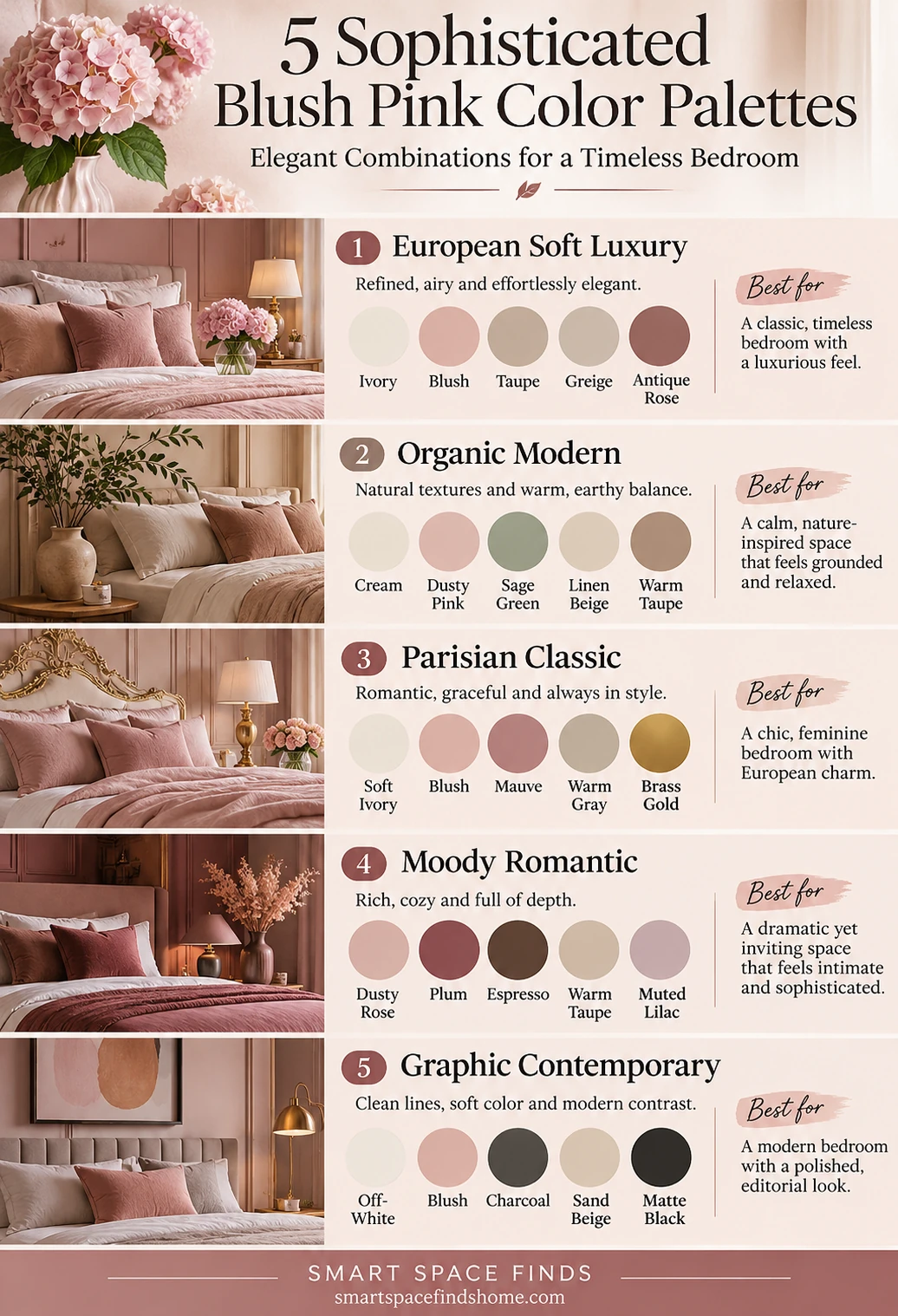
Five design directions, from European soft luxury to graphic contemporary.
The Three-Light Test: how to choose your pink
Place a large paint sample beside the headboard. Look at it in morning daylight, later daylight and under the actual evening lamps. If it becomes too peach, gray or saturated for your taste, compare another undertone. Check textiles alongside the sample. Do not rely on a phone screen for final paint matching.
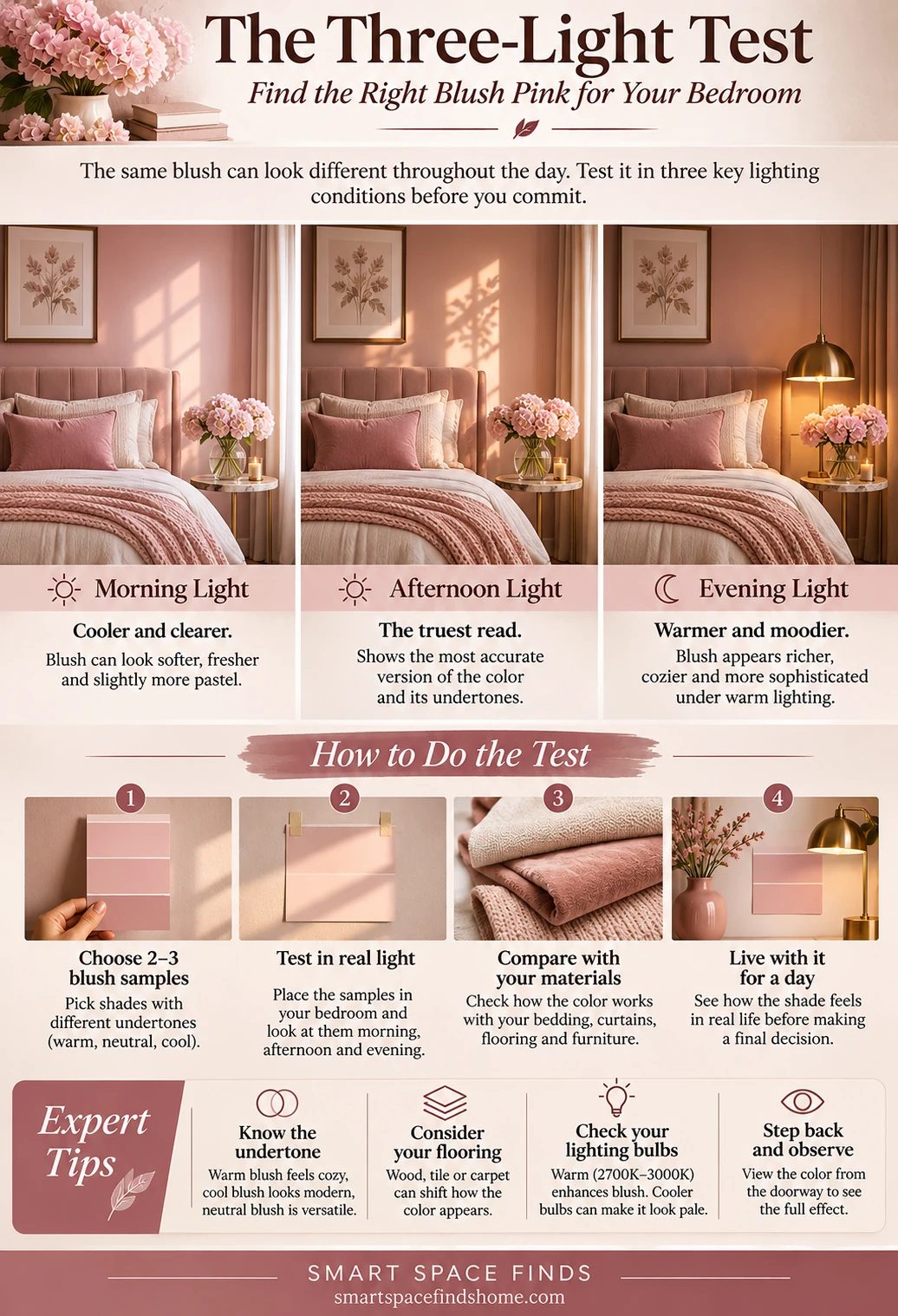
Compare samples under your own lighting; no single time of day guarantees the truest color.
THE ROSE ATELIER / SHOP THE EDIT
Warm & Ambient Lighting
As an Amazon Associate I earn from qualifying purchases. Check current price, availability, dimensions and selected options before ordering.
A decorative warm-metal lighting accent.
A coordinated pair for balanced bedside styling.
Portable accent lighting for a layered evening scheme.
A compact bedside accent with touch control.
Highlight artwork with a separate decorative light.
A warm-white bulb option; check fixture and dimmer compatibility.
Which shade of blush pink belongs in your bedroom?
Start with the undertone, not the paint name. A peach-leaning blush may complement honey oak and warm cream; a muted mauve may sit more comfortably beside cool gray flooring; a clay pink can connect with terracotta and brown wood. These are starting points, not universal matches.
Choose by the room you actually have
North-facing or dim room: compare a warm clay-pink with a lighter beige-pink sample; do not assume a pale color will automatically brighten the room.
Strong afternoon sun: examine how a sample changes when direct sunlight hits it. A shade that looks restrained in the shop can appear much warmer at home.
Cool gray finishes: test a dusty mauve against the floor before adding warm beige textiles.
Honey oak or walnut: compare rose-beige and earthy pink against the actual wood grain.
Paint, wallpaper or textiles?
Paint is useful when the walls are the problem. Wallpaper can introduce scale and rhythm, but sample the pattern beside your bedding first. Textiles are the lowest-commitment option, especially when you share a bedroom or rent. For a shared room, agree on one accent shade and keep the larger furniture choices neutral.
For more combinations, explore our bedroom color palette guide and sage green and pink room ideas.
Pink Overload Diagnostic
- The room feels too sweet
- Reduce matching accessories and add one substantial darker material.
- The room feels flat
- Introduce a different weave or finish before adding another color.
- The room feels cold
- Compare warmer ivory textiles and warm-white lighting with your existing finishes.
- The room feels cluttered
- Remove redundant decorative pillows and leave useful surfaces clear.
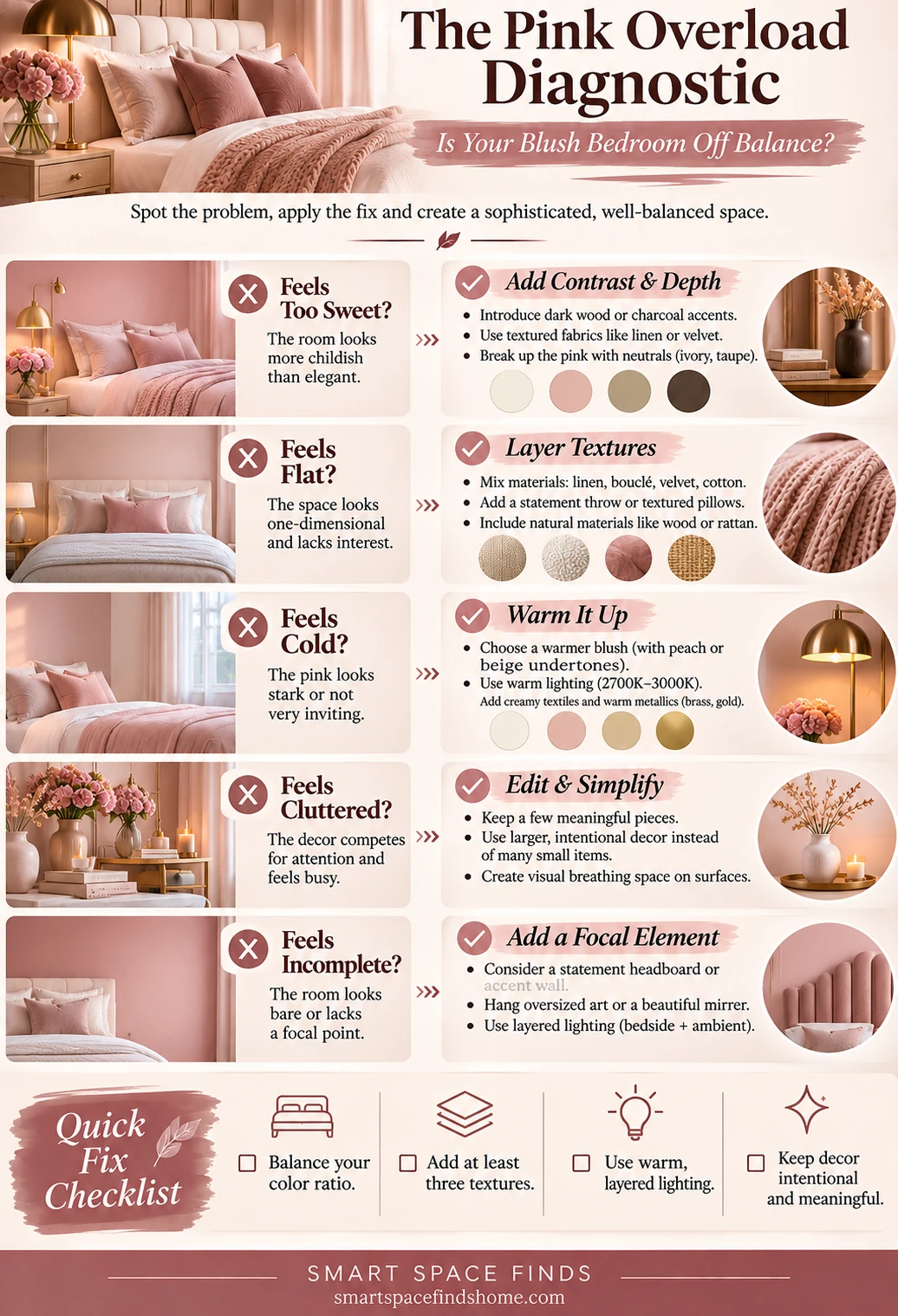
Diagnose the room before adding more decorative pieces.
A blush bedroom makeover at three budgets
These are planning allowances in US dollars, not verified retail prices. Reuse what you own first.
Under $50: the textile edit
Choose one cushion cover or throw and rearrange existing art and bedside accessories. Remove competing colors rather than buying more decor.
Under $150: the evening edit
Prioritize a quilt or duvet cover, compatible warm-white bulbs and one useful bedside accessory. Compare dimensions and care requirements.
Under $500: the foundation edit
Allocate most of the budget to the piece that is missing: a properly sized rug, curtains, a headboard or a nightstand. Keep existing furniture if it already supports the palette.
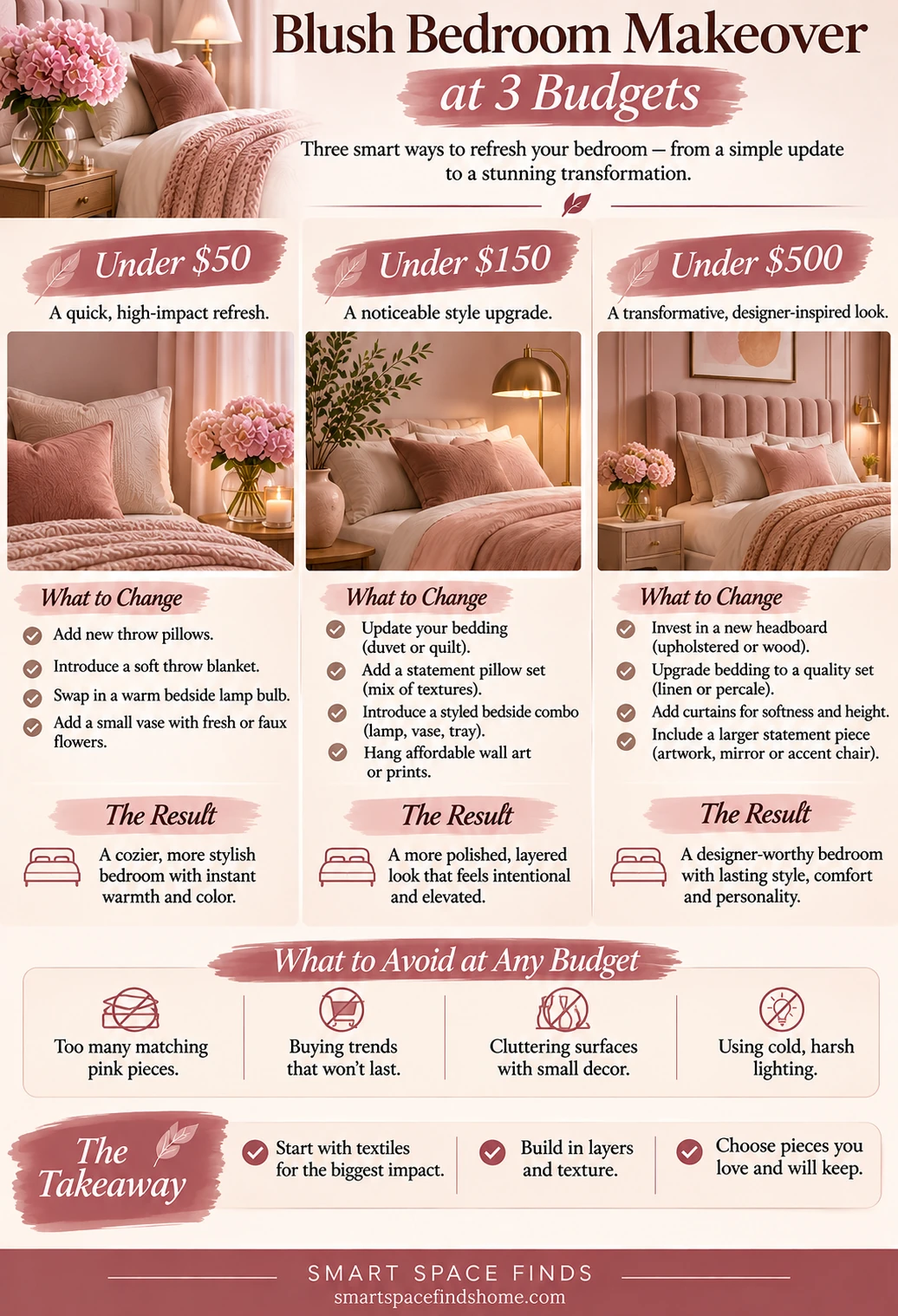
Illustrative upgrade options, not guaranteed shopping totals; select only what fits your budget.
Small blush pink bedrooms: a practical layout edit
In a compact bedroom, use the bed as the main color field instead of scattering small pink objects throughout the space. A shallow bedside shelf or compact nightstand may free floor space, provided it can be installed safely. Choose a rug that does not catch the door and curtains that do not block the usable window opening.
Before adding furniture, walk the route from the entrance to both sides of the bed and open every drawer. If the room is awkward to use, solve the layout before shopping for decorative pieces.
What to keep, what to change
- Keep sound furniture and washable neutral bedding.
- Change the dominant textile if the color scheme feels disconnected.
- Remove accessories that compete for the same visual attention.
- Buy new lighting only when the existing setup cannot meet your reading or ambient-light needs.
Our guide to adding color without painting offers more reversible ideas.
THE ROSE ATELIER / SHOP THE EDIT
Bedroom Organization & Finishing Touches
As an Amazon Associate I earn from qualifying purchases. Check current price, availability, dimensions and selected options before ordering.
Keep jewelry together and easy to identify.
A decorative option for organizing small accessories.
A textured storage accent for a dresser.
Move accessories off valuable countertop space.
Keep frequently worn pieces within easy reach.
Divide drawers into practical storage zones.
Flexible storage for beauty and grooming supplies.
15-minute bedroom reset
- Clear the nightstands.
- Remove two unnecessary decorative pieces.
- Fold the accent throw at the foot of the bed.
- Switch on the evening lamp and assess the room from the doorway.
SMART SPACE FINDS / DESIGN LAB
Find your blush bedroom direction
Open the description that best matches your existing room. Start with what you own, not a shopping list.
My bedroom has dark furniture
Keep the furniture and add warm ivory bedding with one muted blush textile. Repeat the dark finish in a picture frame rather than introducing another wood tone.
My room has gray floors or cool white walls
Compare a mauve-leaning blush with a clay-leaning blush in your actual light. Introduce a warm neutral rug only after checking the samples together.
I rent and cannot paint
Build the color around washable textiles and existing furniture. Try one bedspread before buying curtains and a rug.
My room already has too much pink
Put the matching accessories away temporarily. Keep the largest pink surface, add one contrasting texture and reassess from the doorway.
Before you buy: the bedroom measuring checklist
- Record the mattress size and actual bed-frame width separately.
- Measure usable floor space around the bed with drawers and doors open.
- Check curtain rod width, rod-to-floor drop and clearance from heat sources.
- Measure nightstand depth and the space needed for a lamp, book and water glass.
- Compare the rug outline on the floor using removable painter’s tape, if the finish permits.
- Check fabric care instructions and lighting fixture compatibility before ordering.
Recreate the look without buying the whole room
The quiet luxury edit
Keep a neutral bed, choose a muted rose quilt and use an existing walnut or espresso nightstand. The key is contrast between the matte fabric and the wood, not the number of accessories.
The organic modern edit
Use an oatmeal textile foundation, one olive accent and a blush cushion. A woven basket can provide concealed storage if it fits your existing furniture.
The boutique hotel edit
Repeat warm white in the bedding and lampshades, then add one darker rose textile at the foot of the bed. Keep switches and reading lights within easy reach.
Design note: the color examples are illustrative; screen settings and room lighting affect appearance. Product dimensions, fabric composition and finish should be checked individually.
The weekend blush bedroom transformation
Friday evening — diagnose. Photograph the room in daylight and lamplight, list the pieces you want to keep, and identify the largest competing color.
Saturday morning — subtract. Remove matching accessories, test two fabric or paint samples beside the largest furniture piece, and clear a path around the bed.
Saturday afternoon — compose. Choose one blush surface, one neutral foundation and one contrasting material. Arrange the pieces you already own before ordering anything.
Sunday evening — review. Read in bed, open drawers, make the bed and check the palette under your usual lights. Keep only changes that make the room both easier to use and more enjoyable.
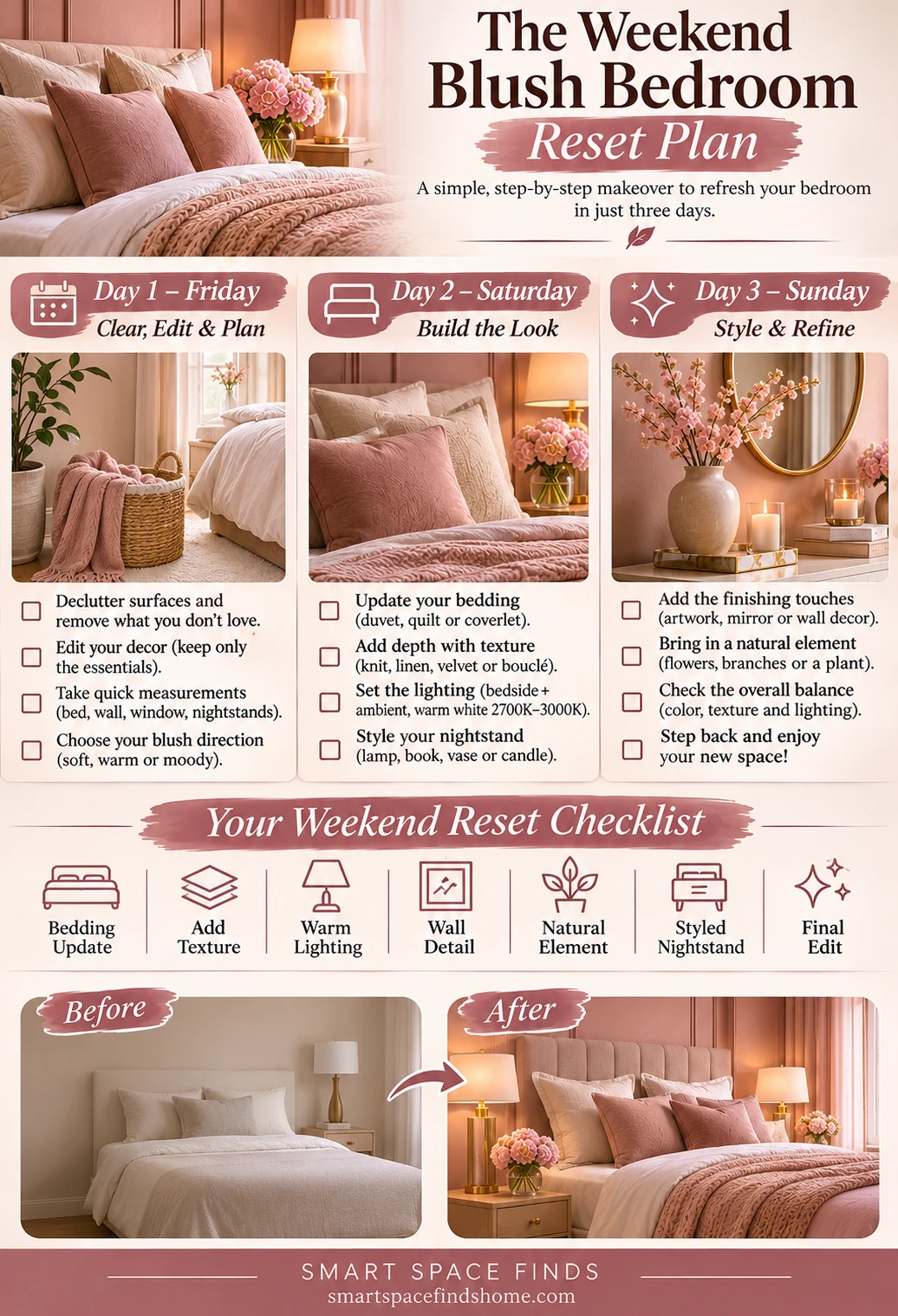
A three-day reset with an illustrative before-and-after design concept.
Frequently asked questions
What colors go with blush pink in a bedroom?
Warm ivory, taupe, walnut, muted sage, charcoal and burgundy are useful starting points. Test the combinations with your existing flooring and light.
How do I make a pink bedroom look grown-up?
Use muted shades, tailored furniture, varied textures and deliberate contrast. Avoid purchasing all accessories in an identical shade.
Can I decorate a blush pink bedroom without painting?
Yes. A dusty rose quilt, cushion cover or curtains can establish the color while neutral walls remain untouched.
Does blush pink work in a small bedroom?
Yes. Keep pathways clear, choose appropriately sized furniture and avoid unnecessary decorative objects. A restricted palette can help the room feel visually coherent.
What wood goes best with blush pink?
Walnut gives strong contrast; light oak creates a softer look. Choose according to the mood you want and the furniture you already own.
The final edit: Start with one meaningful change, live with it for a few evenings and add only what the room still needs. The most elegant bedroom is not the one with the most coordinated objects, but the one that feels effortless to inhabit.