
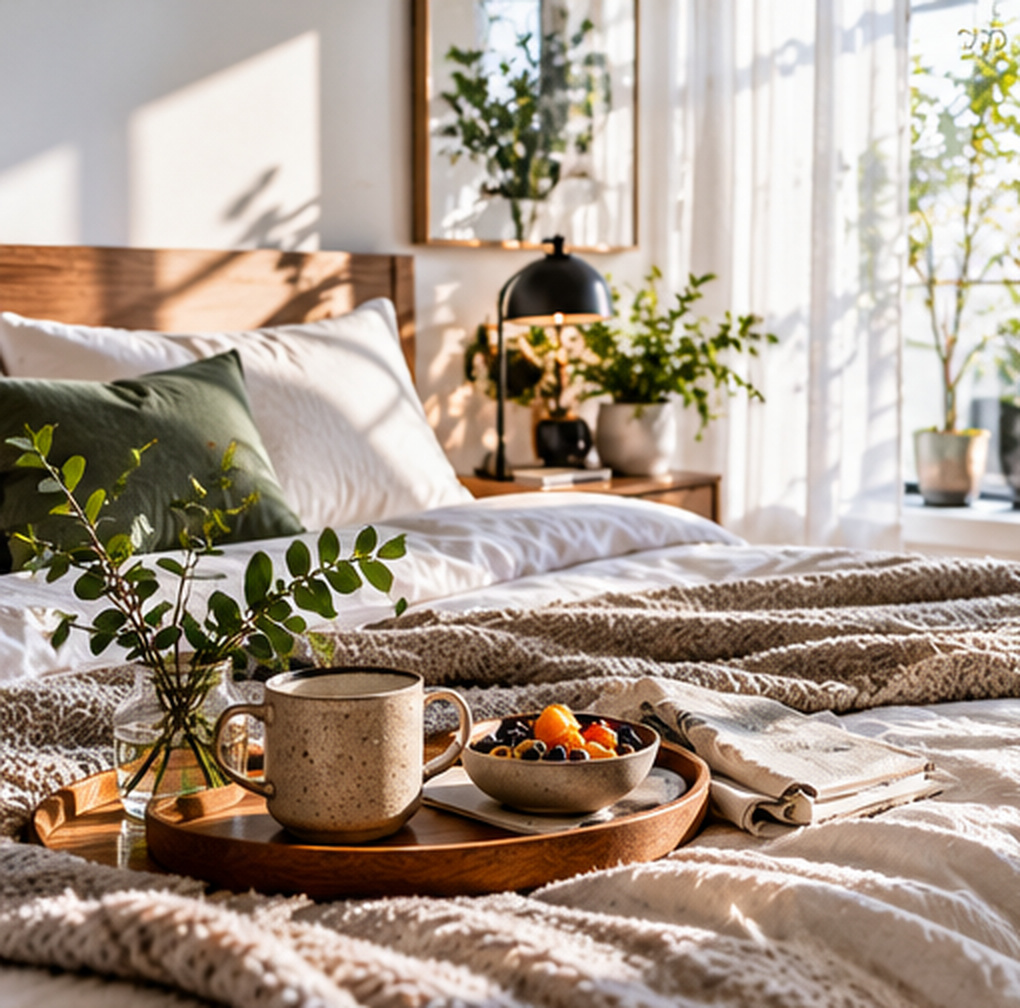
Relaxation works better when a home is easy to run
A relaxing home is not one that stays perfectly tidy all day. It is one where everyday tasks are reasonably easy, useful objects have predictable locations and there is space for short moments of rest. Many aspirational routines shown online require time, money and an empty schedule. The ideas here are smaller: a five-minute reset, a comfortable place to sit, gentler evening lighting and a way to prepare for tomorrow without turning Sunday into an exhausting cleaning marathon. These are practical household suggestions rather than promises of specific psychological or medical outcomes.
Affiliate disclosure: This article contains Amazon affiliate links. As an Amazon Associate, we earn from qualifying purchases at no additional cost to you.
1. Start the morning with a clear landing surface
Choose one surface you see before leaving home: a kitchen counter, entrance shelf or small desk. Return its essential objects to sensible locations each evening so the next morning does not begin with searching. Keep keys, wallet and daily bag together. Avoid decorative trays that are too small to accommodate what you actually use. A clear landing spot does not require every counter in the apartment to be empty.
2. Open the space without creating a long chore list
Spend a minute checking whether a doorway, walkway or frequently used cupboard has collected bags or laundry. Put those items back in their normal places. Open curtains if appropriate and use existing ventilation safely. The point is to restore basic functionality, not to start a full clean. If the same obstacle returns daily, the underlying storage spot may be inconvenient. Relocate that item rather than repeating the same cleanup forever.
3. Make breakfast preparation less complicated

A predictable kitchen station can reduce morning friction. Keep the mugs, kettle or coffee equipment you actually use near their relevant storage area, provided surfaces and appliances have sufficient clearance. A small tray can group breakfast essentials; refill it once a week instead of letting packets spread across the counter. If you share the kitchen, label communal storage only where that helps everyone find things. For more ideas see small kitchen countertop organization.
4. Create a short work-to-home transition
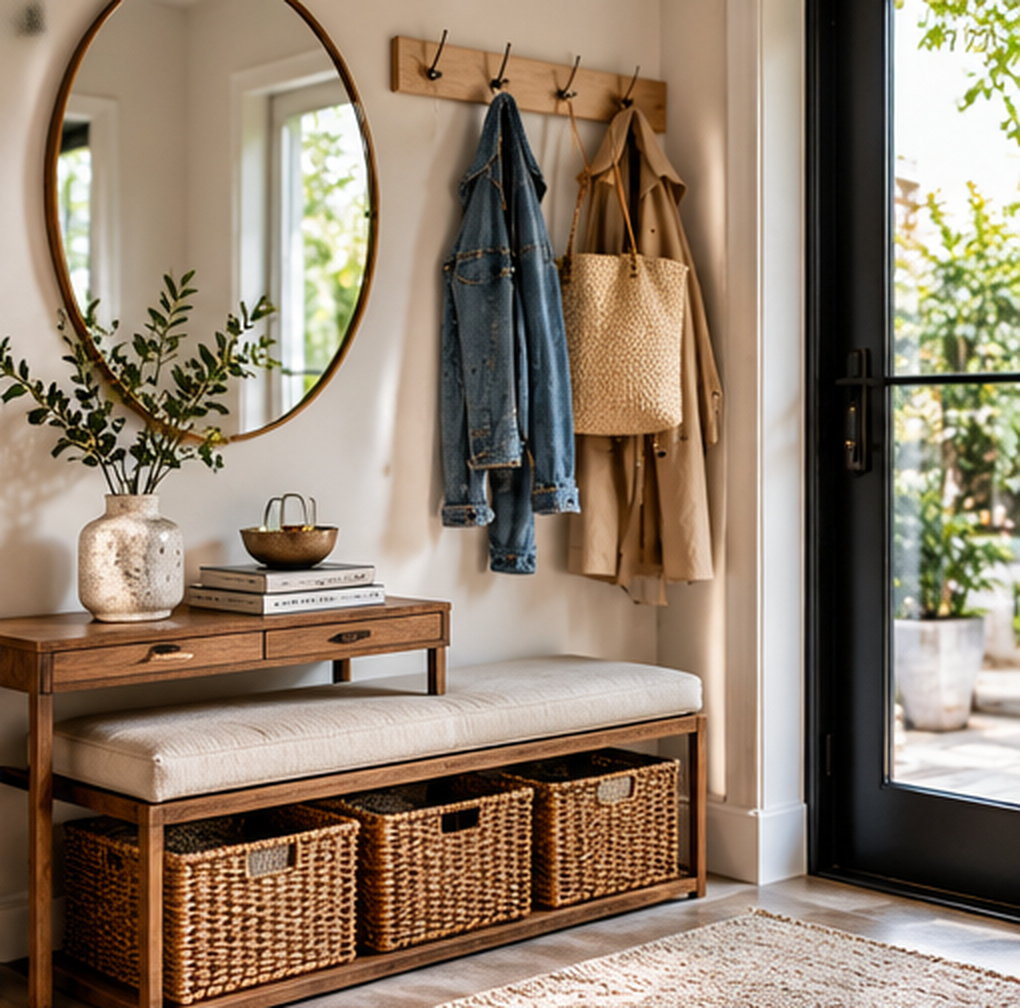
For anyone working outside the home, designate a simple place for outerwear, shoes and a bag. When you return, put those items away before moving to the living area. A hook, narrow rack or existing closet shelf can work. If you work from home, close tabs, put papers into a drawer and move the chair back into position at the end of your day. These small physical changes mark a shift in activity without demanding an elaborate wellness routine.
5. Keep a comfortable seat ready
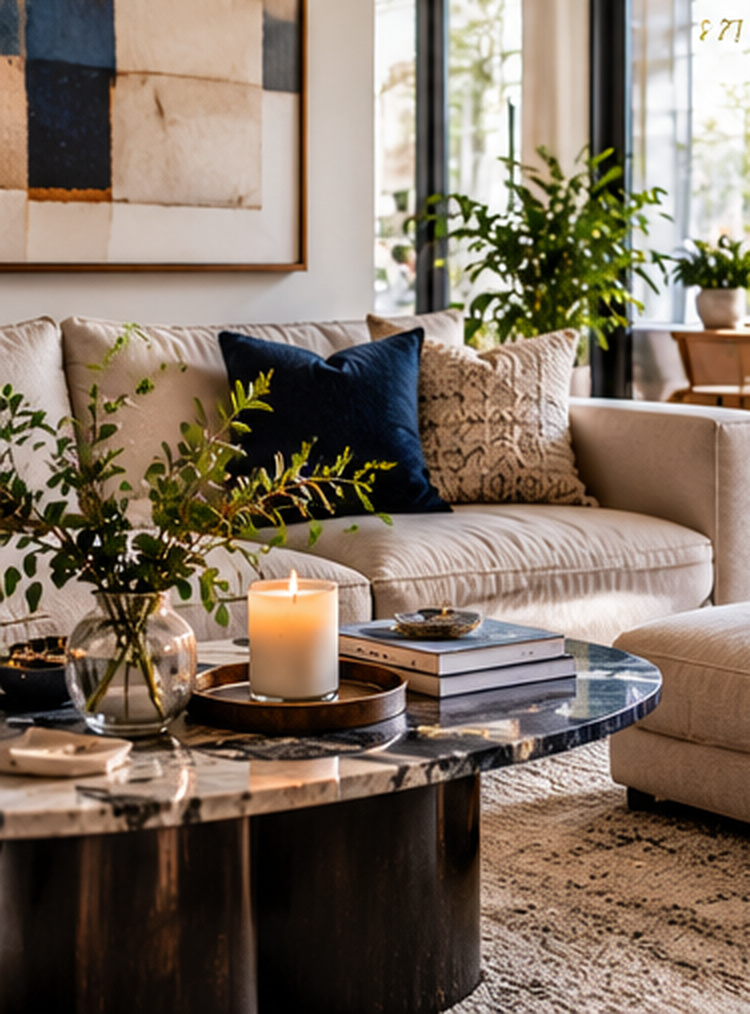
A calm corner works best when you can use it without rearranging the whole room. Clear one chair of clothes and bags. Place a light blanket nearby if you enjoy it. Ensure the lamp is accessible, the seat is supportive and the route to it is unobstructed. A narrow living room may only support one comfortable armchair, which is sufficient. You do not need a separate lounge or meditation area to make sitting down feel deliberate.
6. Choose lighting for the activity
Bright lighting helps when chopping vegetables or sorting laundry. Softer, warmer light may feel pleasant when reading or winding down. Use existing lamp switches to distinguish tasks. Position any new fixture so it does not shine directly in your eyes or create loose cords across the floor. Do not cover a lamp or bulb with a scarf to soften light. If the room is already well lit, a different lamp shade or location may be more useful than buying decorative string lights.
7. Run a five-minute kitchen closing routine
After dinner, return food to safe storage, clear one work surface, rinse or wash items that need attention and wipe spills. Avoid starting a comprehensive cupboard reorganization every evening. If a dishwasher is available, choose a consistent loading approach that works for your household. Leave tomorrow’s breakfast zone usable. A small reset makes the kitchen feel welcoming the next day and discourages buildup without requiring a perfectly empty sink every night.
8. Give laundry a predictable destination
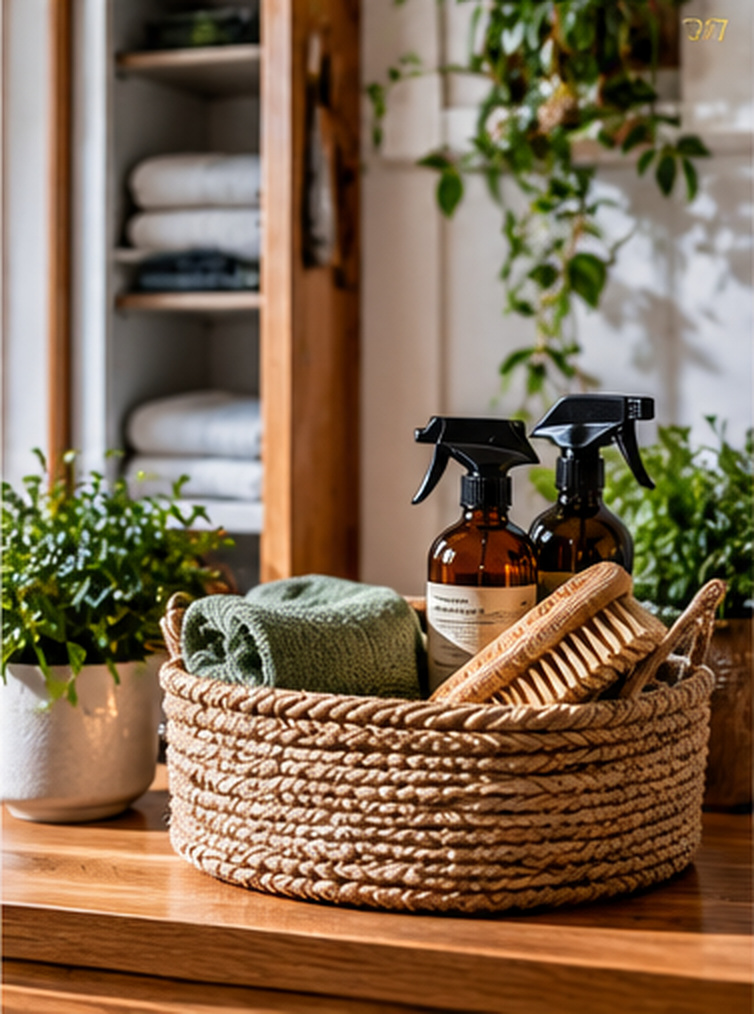
One of the quickest ways for a compact home to feel chaotic is clothing accumulating on chairs. Put a ventilated hamper where laundry naturally piles up, without blocking doors or floor space. Reserve one small hook or shelf for items you plan to rewear, and return clean clothes to their drawers promptly. Choose laundry days based on actual household volume rather than a rigid online calendar. A realistic system should be easy to maintain after an exhausting workday.
9. Keep a portable quiet-time kit
If you share your apartment, a permanent wellness corner may be unrealistic. Use a small basket for a notebook, book, headphones or other low-maintenance items you enjoy. Carry it to a free chair or table, then store it away afterwards. Avoid adding products simply to fill the basket. The kit should shorten the time it takes to begin a quiet activity. It can also help when the living room alternates between family activities and personal time.
10. Use sound thoughtfully
A playlist or low-volume background sound can make routine tasks feel more pleasant, but not every household prefers constant audio. Ask others before using shared speakers. Headphones may be useful for an individual routine, as long as their volume remains comfortable and you can hear important household cues when necessary. Curtains and rugs can slightly reduce echo, but they are not substitutes for soundproofing. Sometimes a quiet fifteen minutes is more effective than adding another device.
11. Put tomorrow’s essentials together
Before bed, identify any belongings you must take out tomorrow: keys, transit card, work bag or a packed lunch where safe storage rules permit. Keep them in one designated area. This reduces early-morning searching without forcing you into a detailed productivity system. If preparing clothing helps, lay out only what is useful. Avoid overplanning every hour of the next day; the goal is practical convenience rather than making the evening feel like another shift.
12. Design a Sunday reset around actual needs
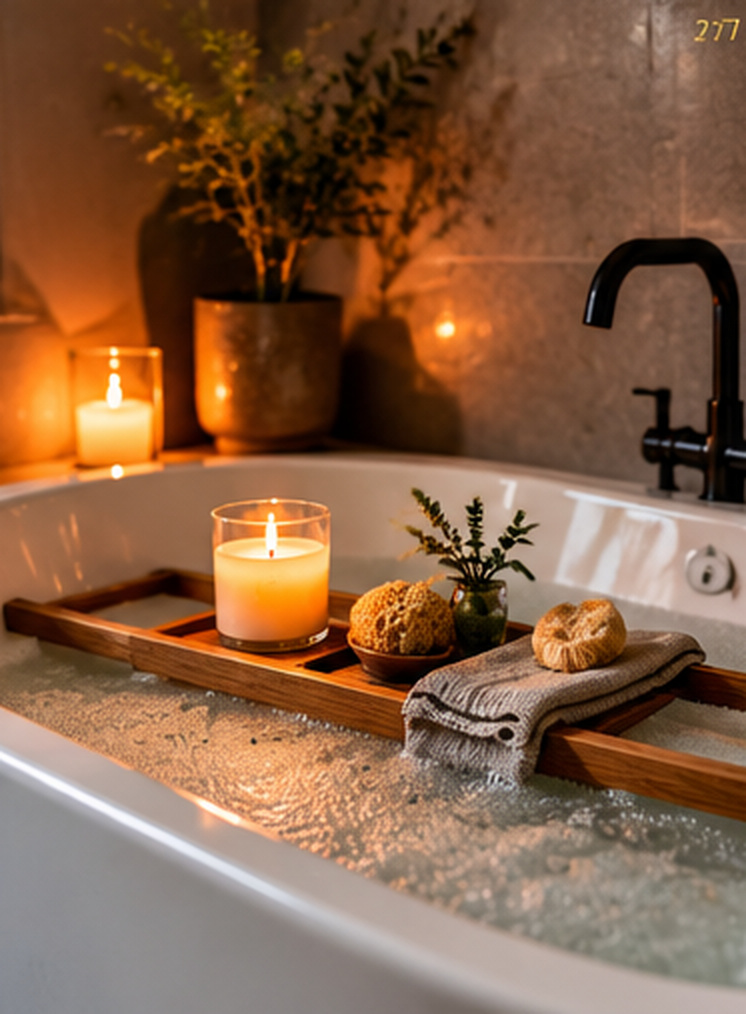
Set aside a manageable window for the tasks that have the largest effect on daily use. Empty overflowing bins, change bedding when needed, check food supplies and clean the areas most used during the week. Divide responsibilities fairly in shared homes. Avoid using Sunday to reorganize every cupboard. Choose three priorities, complete them and stop. If a deeper task is necessary, schedule it separately rather than absorbing the whole day.
13. Limit purchases that create new maintenance
A storage product can look like the answer to clutter, but it may simply add another object. Before buying containers, sort what you already own and measure the space. Select washable and durable materials; avoid specialty organizers with awkward dimensions that leave wasted gaps. Similarly, scented products or decorative lamps are not required for a relaxing evening. Reusing your furniture, adjusting placement and removing visual clutter are valid upgrades.
14. Make routines flexible around other people
Parents, roommates, shift workers and people with different energy levels need adaptable habits. A five-minute reset may happen in the morning one day and after dinner the next. A shared bathroom cannot always be reserved for a long ritual; a portable tray or bedroom chair can take its place. Discuss storage rules and quiet hours, but keep expectations humane. A useful system helps the household function rather than turning every missed task into a problem.
Choose a realistic daily rhythm

| When | Simple routine | Approximate time |
|---|---|---|
| Morning | Clear the landing surface and prepare breakfast | 5 minutes |
| After work | Put away bag, shoes and work supplies | 3 minutes |
| After dinner | Close the kitchen and return shared objects | 5 minutes |
| Evening | Use one comfortable spot for reading or quiet time | 10 minutes |
| Once weekly | Complete three prioritized household tasks | 30–45 minutes |
Adapt these times to your circumstances. Some days will not accommodate every routine; that does not make the approach useless. Keep the habits that reliably simplify the home and drop the ones that introduce friction.
Frequently asked questions
Do I need a strict schedule to maintain a relaxing home?
No. A few repeatable anchor habits can be more useful than a detailed daily plan.
What should I do first in a cluttered apartment?
Clear walking routes and the surfaces required for everyday activities. Then create predictable storage places for items that repeatedly collect there.
Can relaxing routines work with children or roommates?
Yes, but make them flexible and agree on shared responsibilities and quiet periods.
Will these habits treat anxiety or insomnia?
No. They are household organization and comfort suggestions, not medical treatment. Consult a qualified professional for persistent concerns.
How to review your routines without adding pressure
After a week, identify which actions removed genuine friction. Perhaps putting keys in one place prevents searching, while a complicated evening checklist simply creates more tasks. Keep the first and simplify or discard the second. Look at where belongings still collect, and ask whether their storage is too far from where they are used. A household routine is a design problem as much as a question of motivation. Moving a basket closer to the door may be more effective than reminding everyone repeatedly to use a distant cupboard.
Adjust for busy weeks rather than aiming for an identical day every day. If time is limited, prioritize safety, basic hygiene and access to essential surfaces. Leave optional styling and decorative resets for when you genuinely have the energy. Flexibility makes the system last beyond the enthusiasm of the first week.
A realistic morning-to-evening reset checklist
Use this as a flexible menu of small household actions, not a daily obligation. Pick the steps that solve a recurring inconvenience in your space.
| When | Two-minute action | Why it helps |
|---|---|---|
| Morning | Return keys and daily essentials to one landing spot | Reduces time spent searching |
| Before leaving | Clear the route by the entrance | Keeps a small apartment easy to use |
| After work | Put shoes, outerwear and work materials away | Separates shared spaces from work-related clutter |
| Evening | Clean the kitchen’s most-used surface | Makes breakfast preparation simpler |
| Before bed | Set out only tomorrow’s essential items | Supports an easier morning transition |
For a dedicated quiet spot that does not take over an entire room, see our small-room meditation corner guide. If you prefer a bathroom-based ritual, explore Sunday bathroom spa rituals.
The takeaway
A relaxing home comes from simple, repeatable ways to reduce friction: keep daily belongings in predictable places, make one chair inviting, use suitable lighting and perform short resets instead of constant deep cleaning. Begin with just two habits and adjust after a week. Explore small living room storage ideas, warm lighting and entryway organization for supporting changes.