
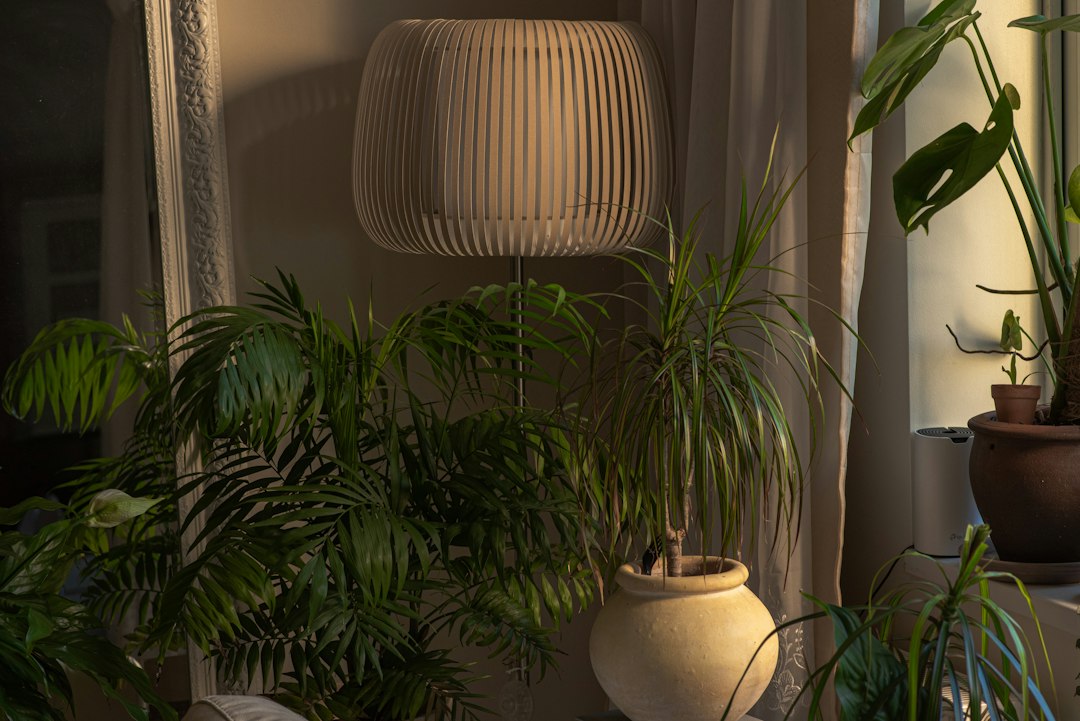
Shorter days and changing indoor temperatures can shift how houseplants use water and light.
Begin with an autumn plant audit
The first autumn task is to evaluate what each plant actually experienced over summer. Check the amount of light at its present location, the size and condition of its pot, and whether new leaves are still appearing. Notice where heating vents, frequently opened windows or external doors create sudden temperature changes. A plant near a window may enjoy useful daylight but be exposed to cold glass overnight. These details matter more than the date on the calendar.
Record the species where possible and keep a small list of plants by room. The term houseplant covers tropical foliage plants, succulents, orchids, ferns and many other groups with different needs. Check the guidance for the exact species rather than applying a single autumn care rule. Photograph the leaves and overall shape now: comparing photographs in several weeks can show whether changes were gradual or sudden.
Why autumn light changes plant behaviour
As the days shorten, many homes receive fewer hours of useful light. Even a window that looks bright to people may not provide enough energy for vigorous leaf production. New shoots can grow more slowly, and a pot may remain wet longer because the plant uses less water. Position matters: a deep recess, a nearby building or tree canopy may reduce light further, while seasonal sun angles can make an unexpectedly sunny patch appear elsewhere.
Move light-loving plants closer to an appropriate window when necessary, but make changes gradually. Sudden strong direct sun can damage foliage adapted to shade. Wipe dust from leaves that tolerate gentle cleaning, and avoid allowing foliage to rest against cold glass. If natural daylight is consistently limited, an appropriate plant grow light can help; follow the maker’s directions for intensity, distance, timing and electrical safety. Avoid leaving lights on continuously without considering the species’ need for darkness.
Water by soil condition, not by weekday
A fixed watering calendar is particularly risky when the season changes. Check the growing medium below the surface and learn the approximate weight of each pot after watering and as it dries. Smaller pots and terracotta often lose moisture faster than larger plastic pots, but the species, room temperature and light conditions can overturn that pattern. Water when appropriate for the plant, let surplus escape from the drainage holes and remove standing water from decorative outer pots.
One of the most common errors is treating wilting as an automatic signal to add water. A severely dry plant can wilt, but roots in persistently saturated compost may also be unable to function properly. Feel the soil and inspect the drainage before responding. Do not compensate for shorter days with fertiliser or larger drinks of water. Instead, adjust the routine to the actual growth and condition of each plant.
Read symptoms without jumping to conclusions
Yellowing can arise from normal ageing, excess moisture, inadequate light, pests or other stress. A single older leaf turning yellow is not necessarily alarming, especially if new foliage remains healthy. Many leaves yellowing rapidly calls for closer inspection. Brown edges can be related to watering inconsistency, heated dry air, fertiliser salts or particular species’ requirements. Long weak stems may indicate insufficient light, but a sudden droop can also reflect temperature stress.
Work through a calm diagnostic sequence. First check the moisture at root level. Next inspect the leaf undersides, stem junctions and soil surface. Then examine the temperature and light of the location. Note what changed in the last two weeks—perhaps the heating started, a window was left open or the plant was moved. Change one condition at a time when possible. This produces a more useful diagnosis than simultaneously repotting, feeding and moving a stressed plant.
Heating, drafts and indoor humidity
Central heating creates a different indoor climate from summer, but not every home becomes uniformly dry. Air near a radiator can be much warmer and drier than the centre of the room. Cold drafts from doors or poorly insulated windows can cause sharp short-term changes, particularly for tender tropical plants. Place pots where the temperature is reasonably stable while still providing adequate light. Keep leaves clear of hot radiators and cold glass.
Some tropical species prefer higher humidity, while cacti and many succulents have different requirements. If you use a humidifier, follow cleaning and maintenance instructions to avoid creating sanitation problems. Do not mist plants indiscriminately; repeated wet foliage can be unsuitable for some species and provides little lasting change in room humidity. The right response is species-dependent: improve the environment rather than treating humidity as one number every plant must share.
Visual inspiration and practical checklist
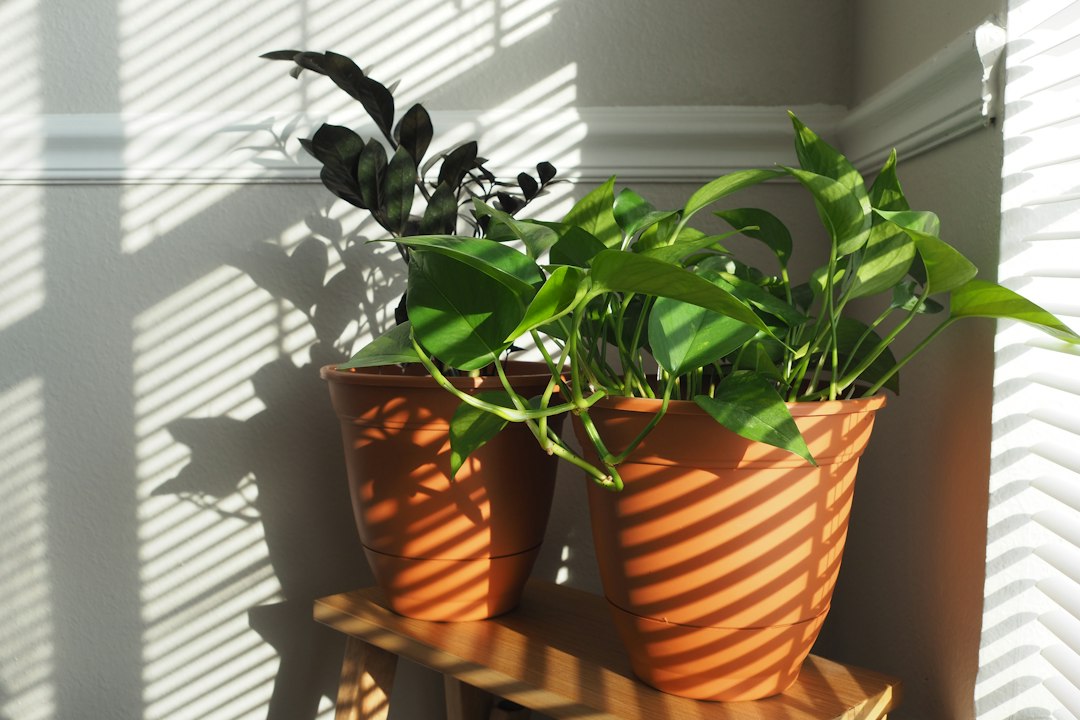
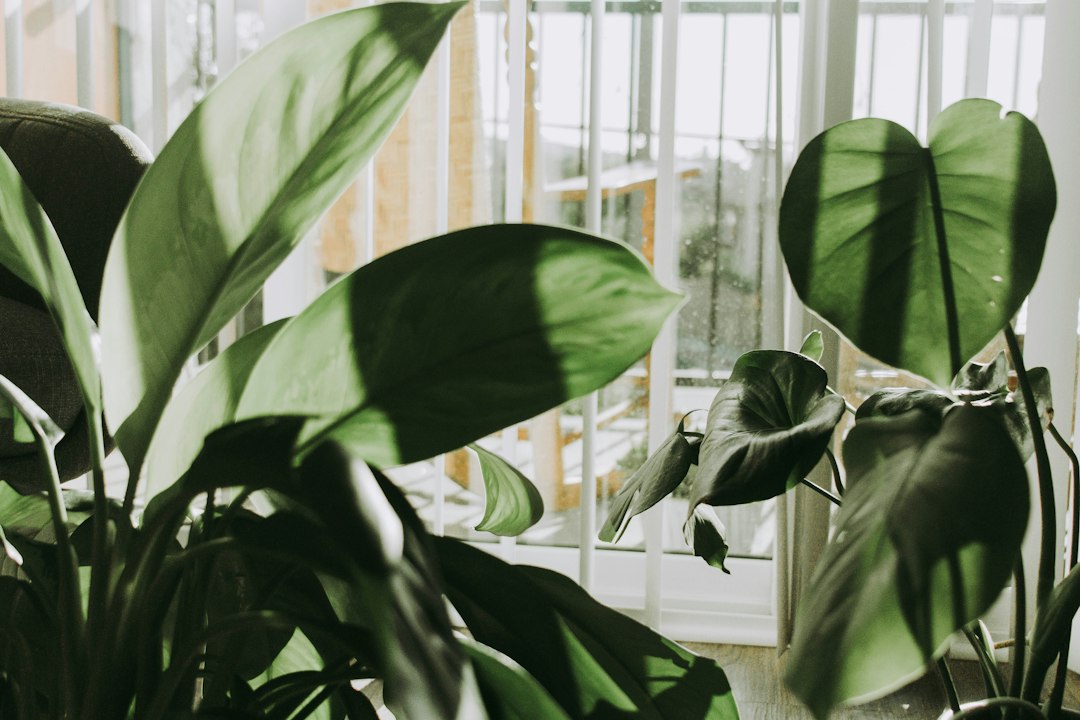
SMART SPACE FINDS · VISUAL CHECKLIST
- Check reduced daylight
- Review soil moisture
- Avoid heat and cold drafts
Fertilising and repotting in the slower season
When growth slows because of reduced daylight, many houseplants need less fertiliser. Feeding an inactive plant heavily will not substitute for light and may allow salts to accumulate in the potting medium. Follow the directions for both the plant and the product, and consider reducing feeding while new growth is minimal. Plants under adequate supplemental light or in consistently bright conditions may behave differently; watch what they are doing, not just the month.
Repotting also deserves a reason. Roots circling densely, very poor drainage or a damaged container may justify action, but repotting every plant because autumn has arrived creates unnecessary work and stress. If a plant truly needs a new pot, use a suitable growing medium and choose a modest increase in size. Water according to the new soil’s condition, which may dry at a different rate from the original mix.
Bring balcony plants indoors carefully
Before bringing summer balcony plants inside, examine the stems, new shoots, leaf undersides and pot surface for insects or obvious disease. Outdoor plants can carry pests that spread quickly in a warm indoor collection. Where practical, keep incoming plants apart initially and monitor them. Avoid applying unidentified chemical sprays to all plants as a precaution; identify any pest and choose an authorised control method suitable for the species.
The move indoors can also cause changes in light and temperature. A plant adapted to a breezy bright balcony may lose leaves when moved to a darker, still room. Check whether the species can successfully overwinter indoors and whether it needs a special dormant period. Rather than squeezing every pot onto the brightest sill, consider which plants are likely to remain healthy in the available conditions.
Autumn care by plant group
Tropical foliage plants such as many pothos, monstera and philodendron varieties often respond well to stable warmth, suitable light and a cautious approach to watering. However, individual species and cultivars differ. Ferns may need particular attention to moisture and humidity, while many succulents need strong light and a growing medium that does not remain saturated. Orchids are a large and diverse group; their watering and flowering triggers cannot be reduced to one universal rule.
If a plant has a name label, keep it or save a photograph. A care guide for the exact botanical species is much more useful than advice labelled only ‘green indoor plant’. Learn whether it normally grows actively through winter or slows significantly. This determines whether a change in growth rate is expected or a sign to investigate. The aim is not identical care, but a manageable collection organised around similar needs.
Create a ten-minute weekly inspection
Choose one regular check-in, such as Sunday morning. Walk through the rooms with a cloth and watering can but do not automatically water every pot. Check the medium, remove dead foliage where appropriate, examine new shoots for pests and note any leaning growth. Move a plant only when there is evidence its position is not working. Clean saucers and check whether pots are sitting in pooled water.
Use a simple notebook or phone note with the plant name, location, date of watering and any observed problem. This small record can reveal that a plant dries in four days near a heater but needs much longer elsewhere. The habit also prevents multiple household members watering the same plant unknowingly. A brief routine is easier to maintain than a complicated collection of daily rules.
A four-week autumn transition plan
During week one, document the current light and locate possible drafts. Identify plants that were brought in from outdoors and inspect them carefully. In week two, focus on moisture: observe how slowly or quickly each pot dries under the new seasonal conditions. Remove excess standing water and check drainage. Week three is the right time to reconsider positions if growth is leaning or fading, and to review whether feeding should be reduced.
In week four, compare photographs, note changes in new growth and decide whether any plants require further adjustments. Check that heating sources have not introduced excessive temperature fluctuations. The overall goal is a stable environment rather than constant intervention. If one plant remains unhealthy despite reasonable care, return to species-specific requirements and investigate the roots, pests and available light before making major changes.
Autumn plant care: symptom and response matrix
| Observation | Possible explanation | First check |
|---|---|---|
| Compost stays wet unusually long | Less water use or poor drainage | Soil depth, light and drainage holes |
| Stems stretch toward a window | Insufficient light | Actual daylight at plant level |
| Leaves develop dry brown margins | Moisture or heating stress | Watering history and nearby heat |
| Sudden leaf drop after relocation | Environmental adjustment | Temperature, light and pests |
| Sticky leaves or fine webbing | Possible insect infestation | Leaf undersides and young shoots |
More autumn houseplant care questions
Should I water all houseplants less in autumn?
No. Many use less water when growth slows, but heating, pot size and species needs differ. Check soil moisture and plant condition rather than cutting watering by a fixed percentage.
Do houseplants need sunlight through autumn?
Plants need suitable light in every season. Daylight typically changes in autumn, so review positions and consider a species-appropriate grow light when necessary.
Can I move plants next to a radiator?
Avoid exposing sensitive foliage to intense direct heat or unstable temperatures. Follow species guidance and choose the brightest suitable position away from extremes.
Is leaf loss always a sign of disease?
No. Some leaf ageing or adjustment is normal, but widespread or rapid decline should prompt checks for moisture, light, pests and temperature.
Do I need new potting mix every autumn?
Not automatically. Repot when there is a practical reason, such as root crowding, unsuitable medium or a damaged container.
For more seasonal growing ideas, read our windowsill herb garden guide, shady balcony planting tips, and beginner container gardening guide.
As daylight diminishes and indoor heating patterns change, many houseplants respond by slowing down. A successful autumn care routine does not require a cupboard of new products. It begins with light, moisture, temperature and a little attention to the individual needs of each plant.
The complete field guide
Understand what changes in autumn
Shorter days mean many plants receive less energy for growth. Depending on species and room temperature, they may use water more slowly. Yet centrally heated rooms can create dry air, while a sunny radiator-adjacent sill may dry soil quickly. This explains why a universal autumn watering schedule is unreliable. Monitor each plant instead of assuming they all need the same adjustment.
Audit light exposure room by room
Observe the areas where plants are currently placed. A shelf that worked in summer might be considerably darker by October. Move suitable plants gradually towards useful daylight, but avoid exposing shade-adapted foliage suddenly to harsh direct sun. Keep leaves away from cold window glass, where overnight temperature drops can damage sensitive species. If necessary, consider an appropriate plant grow light.
Adjust watering to actual soil conditions
Feel the potting mix at a depth appropriate for the plant rather than watering because it is Sunday. Learn the weight of the pot soon after watering and as it dries. Empty water that remains in saucers and check whether decorative cachepots trap excess moisture. Repeatedly saturated compost can damage roots. If the plant is wilted but the pot feels heavy and wet, additional water may make the situation worse.
Check leaves and stems methodically
A yellow lower leaf is not always an emergency; older foliage is sometimes shed naturally. Widespread yellowing, blackened growth or sudden leaf drop needs closer investigation. Brown edges may reflect dry conditions, inconsistent moisture, heat stress or other causes. Look beneath leaves and at stem junctions for insects, webbing and sticky deposits. Record symptoms before changing multiple care variables at once.
Think carefully before feeding or repotting
Many plants require less fertiliser when growth slows. Follow species-specific guidance and the product label rather than trying to force growth with a strong feed. Repot when root crowding or poor drainage warrants it, not because a new season starts. Repotting can add unnecessary stress to a plant that is already adjusting to lower light.
Manage indoor temperatures and humidity
Heating vents can create hot drafts that dry sensitive foliage, while gaps near windows can expose roots to cold air. Move plants away from extremes while maintaining suitable light. Some tropical houseplants appreciate higher humidity, but a pebble tray or frequent misting will not compensate for serious environmental problems. If using a humidifier, keep it clean and monitor moisture around furniture and walls.
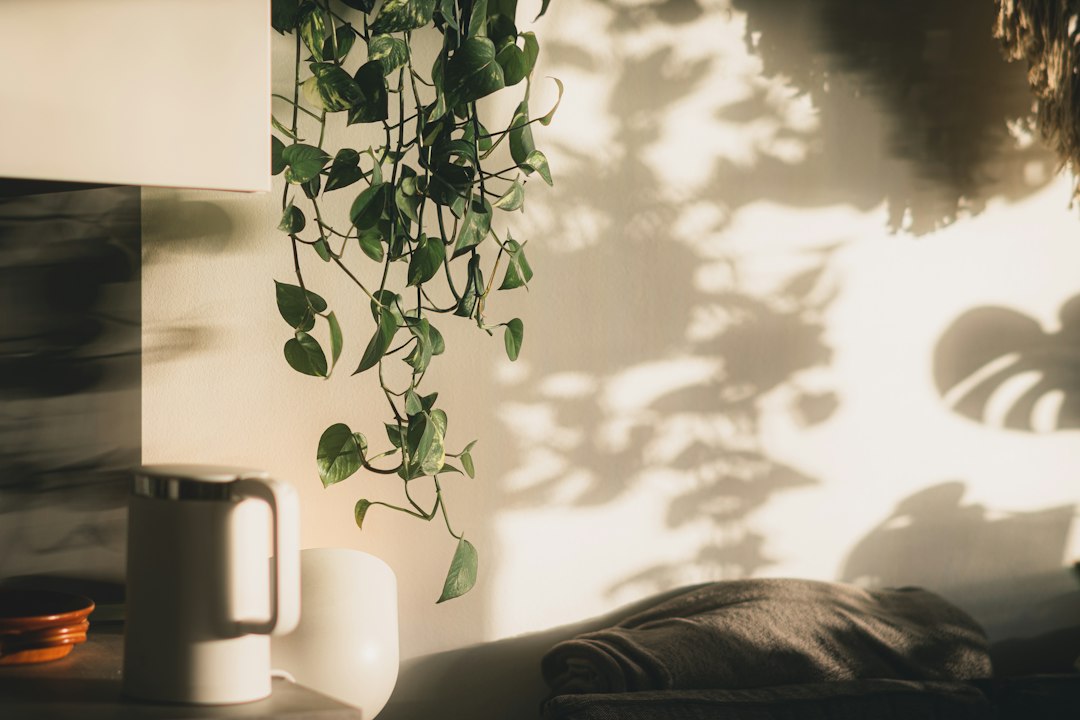
Inspect any plants brought inside
Plants that spent summer on a balcony may carry pests indoors. Examine foliage and stems before placing them among houseplants, and monitor them separately for a period when practical. Choose any treatment to suit the exact pest and species. Avoid applying household chemicals not intended for use on plants.
Create a short seasonal check-in
Once each week, inspect the light, touch the soil, look for pest activity and clear dust from suitable leaves. Rotate pots if they are growing unevenly. Keep a brief note of watering and new growth. A ten-minute review can prevent both neglect and the very common problem of over-care.
At a glance
| Option | Suitable conditions | Practical note |
|---|---|---|
| Wet soil and yellowing | Waterlogging is possible | Inspect drainage |
| Long leaning stems | Light may be inadequate | Review position |
| Brown dry leaf tips | Moisture or heat stress possible | Check air and watering |
| Sticky leaves | Potential pests | Inspect undersides |
Frequently asked questions
Do all plants need less water in autumn?
No. Conditions and species differ. Check each plant’s soil rather than cutting water automatically.
Should I fertilise during autumn?
Reduce feeding where growth slows and follow species-specific advice.
Is some leaf drop normal?
Sometimes, but extensive rapid loss warrants checks for pests, moisture and temperature stress.
Editor’s final notes
The best results come from understanding your available light, choosing an appropriately sized container and building a routine that fits your home. Make small changes, observe the plants and adjust rather than trying to perfect everything in one afternoon. Continue exploring Indoor herb gardening and Balcony gardening for beginners.