
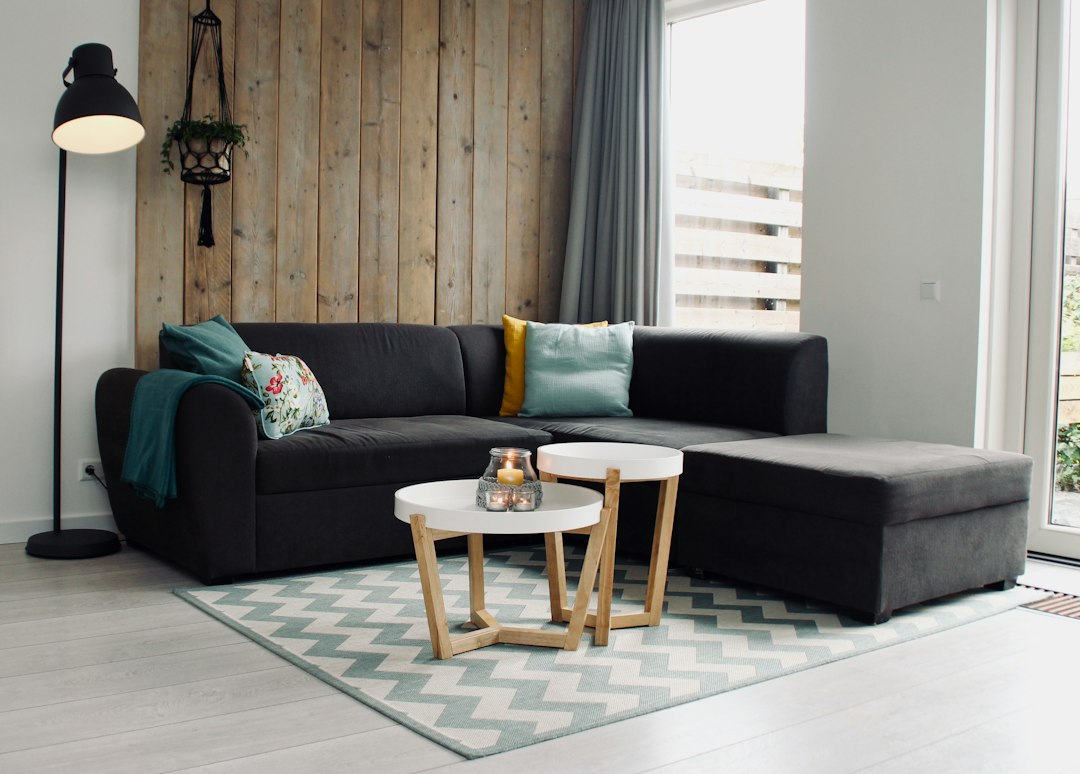
A small living room rarely needs a full makeover. It needs a clearer route through the room, furniture that fits its proportions and a few visual decisions that allow light to travel.
Measure the room before moving furniture
A small living room can feel surprisingly spacious when its pathways are clear. Begin with the distance between the doorway, seating, window and any other room that people cross to reach. Include the space occupied when chairs are pulled out or cabinet doors are opened. A layout should work with furniture in use, not only when everything is pushed neatly against a wall.
Draw the room with real dimensions or outline a proposed change on the floor with painter’s tape. Check whether the coffee table restricts movement and whether a side chair can be reached comfortably. These observations reveal improvements that cost nothing, often before any decorative decisions are made.
Establish a clear focal point
Choose one primary activity for the room: conversation, television, reading or relaxing. Arrange seating around that purpose rather than distributing furniture evenly against every wall. One coherent seating group generally feels calmer than several pieces that appear unrelated. Position larger furniture so it supports the focal point without obstructing windows.
The focal point can be a view, bookshelf or favourite artwork rather than a screen. Keep the surrounding accessories restrained so the eye has somewhere to settle. You do not need a dramatic feature wall; a well-placed sofa and a balanced light source may be enough.
Give the sofa room to function
A sofa is often the largest object in a small living room, so its location matters. Measure the actual depth, including space to walk around or extend reclining elements if applicable. A compact sofa with bulky arms may occupy more visual and physical room than a slightly wider piece with a slender profile.
Do not assume every piece must touch a wall. A modest gap behind the sofa can sometimes improve proportions or help with curtains and cleaning, provided sufficient circulation remains. Test positions before buying a replacement; moving existing furniture may solve the problem.
Use smaller tables where they are practical
A central coffee table is not obligatory. If it blocks the main route or makes reaching the sofa awkward, consider a small side table or a pair of movable surfaces. The surface still needs to be stable enough for drinks and books and easy to reach while seated.
When a coffee table is useful, examine its width, height and storage functions. A model with drawers may replace another piece of furniture, but only if the drawers can actually open. Furniture marketed as space-saving must still support the way you live.
Bring daylight into the arrangement
Natural light changes how spacious a room feels. Avoid placing very tall storage units directly in front of the brightest window when alternatives exist. Choose window coverings that offer the privacy you need without blocking light unnecessarily during the day. Consider how shadows shift through the room in different seasons.
A mirror can reflect daylight or a pleasant view, but it can also amplify clutter when positioned opposite crowded shelves. Treat it as a composition tool rather than a universal trick. Mount it safely, especially where it might be struck by an opening door or furniture.
Layer lighting rather than relying on one bulb
General ceiling lighting may be practical, but it can create a flat or harsh atmosphere after sunset. A reading lamp near the sofa and a softer source in another corner can establish different zones. Use fixtures suitable for the room and position them so cables do not cross circulation paths.
Good lighting supports real tasks. If you read, the light must fall appropriately on a book; if the room is used for conversation, avoid bright glare at eye level. Choosing fewer well-positioned lights often works better than filling a compact room with decorative lamps.
Choose a rug that unifies the seating
A rug can visually anchor the sofa and chairs, making the space appear deliberately arranged. Test a size that connects the seating furniture, often with the front legs of the main pieces on the rug where appropriate. A tiny accent rug beneath only the coffee table can make the group look fragmented.
Check door clearance, floor compatibility and trip hazards. A suitable rug pad may improve stability depending on the material and floor. Pattern and colour should support the room’s existing palette rather than compete with every cushion and artwork.
Keep a coherent colour palette
A small living room does not need to be white. Warm neutrals, muted greens, soft blues or even dark accents can work when repeated thoughtfully. Begin with the colours of fixed elements such as flooring and large furniture. Use one or two supporting colours to bring smaller pieces together.
Avoid treating every decorative purchase as an opportunity to introduce another unrelated finish. Restrained contrast can create depth, while excessive visual competition can make even a well-organised space feel busy. Test fabric samples in daylight and evening lighting before committing.
Add texture without filling the room
A woven throw, matte ceramic object and natural-looking wood can make a small space inviting. Texture creates interest even when colours are restrained. Select pieces that support actual comfort rather than building a large collection of ornaments. One useful throw may offer more value than several decorative cushions that must be moved to sit down.
Mix tactile materials carefully, considering washing instructions and household needs. Homes with children or pets may benefit from easier-clean fabrics and stable accessories. Warmth comes from material contrast and personal character, not simply from the number of objects displayed.
Edit open shelves for visual calm
Open shelves are useful for books and favourite objects, but an entire wall of small items can create visual noise. Group related belongings, vary heights and leave empty space between collections. Daily items that are less attractive can live in convenient closed cabinets rather than being forced onto display.
A shelf that is difficult to clean often has too many pieces. Start by removing a few items for a week and observe whether the room feels calmer. Keep meaningful objects that you enjoy; the goal is thoughtful arrangement, not eliminating personality.
Choose storage that works near the activity
Blankets, games, remote controls and chargers often collect around seating because they are used there. Give them nearby homes that are easy to reach. A low cabinet or basket can prevent small belongings spreading across tables without requiring new wall installations.
Store heavier possessions on stable lower levels and follow furniture safety requirements. Avoid pushing every item into an opaque bin merely to hide it. Clear categories and accessible locations make the room easier to maintain after a busy evening.
Use furniture legs and visual openness strategically
Furniture raised on visible legs can expose more floor area and may create a lighter appearance, although cleaning access and stability are equally important. Slim profiles sometimes work better than visually heavy shapes, but actual comfort remains the priority. Do not purchase a fragile piece simply because it appears airy.
Leave enough space around furniture that each object can be understood visually. Crowding chairs, cabinets and tables together can make the living room feel smaller even when the pieces are individually compact. A modest amount of negative space is a design tool.
Create distinct functions without dividing the room
A small living room may also serve as a study or occasional dining area. Position a desk, floor lamp or rug to establish functions without adding bulky partitions. Keep work accessories in a portable kit so a dining or coffee table can return quickly to its normal role.
Avoid adding a divider that blocks daylight or narrows a required route. Furniture position, light and material changes can provide enough definition. The objective is to allow different activities to coexist rather than turning the room into several crowded miniature spaces.
Test an affordable weekend makeover
On the first day, photograph the room, measure pathways and identify one furniture change to test. Move a chair or table, clear the main horizontal surfaces and reconsider the location of storage. In the evening, check how the revised arrangement works under artificial lighting.
On the second day, adjust the rug or textiles using what you already own and return essentials to accessible locations. Live with the new plan for a full week before spending money. Small reversible changes make it easier to evaluate what actually improved comfort and movement.
Keep the result realistic
A small living room that is used every day will never look perfectly staged at every hour. Create a short routine for returning books, folding blankets and clearing the table. Choose an arrangement that can be reset without major effort, rather than one that depends on constant styling.
If the room repeatedly becomes crowded in the same location, reassess the storage or furniture placement. A functional home adapts when working patterns and household routines change. The most successful small-space design is one that remains comfortable and useful over time.
A room can feel bigger when its circulation, lighting and visual rhythm work together.
Measure the routes before moving furniture
Walk from the doorway to the sofa, window and adjoining rooms. Draw a simple plan with the real dimensions of furniture, and account for how far chairs, drawers and doors extend. A room that looks open in a photo may still be difficult to cross every day. Aim for unobstructed paths rather than forcing every item against a wall.
Choose one visual anchor
A sofa that fits the room properly can feel calmer than several undersized seats. Identify the main activity—conversation, television, reading or entertaining—and give it a clear centre. Let secondary pieces support it. Avoid buying furniture only because it is labelled ‘apartment-size’; measure both your room and the actual seating comfort.
Work with natural light
Keep large furniture from blocking the brightest window where practical. Curtains hung higher can create a sense of verticality when installed safely and permitted. Mirrors are useful when they reflect daylight or a pleasant view; placed opposite a cluttered corner, they can double the visual noise instead.
Layer lighting after sunset
Ambient overhead light alone can flatten a room. A reading lamp by the sofa and a smaller accent light in another corner establish distinct zones. Select fittings and cables that suit the space, keeping walkways clear and avoiding overloaded power strips.
Let the floor breathe
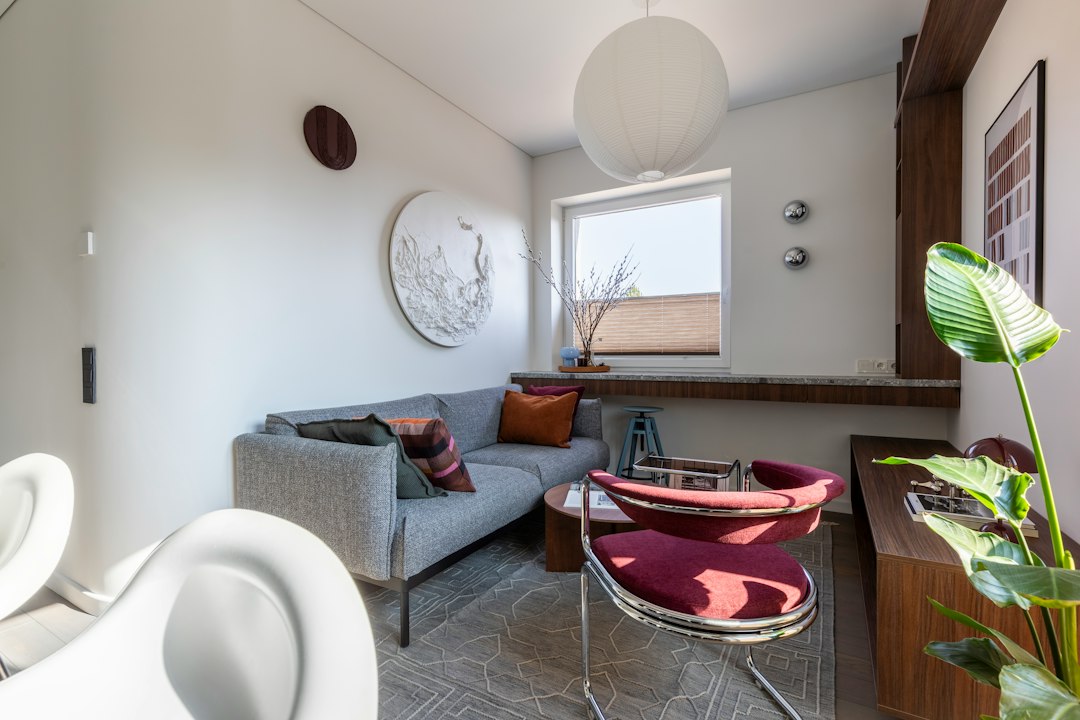
A correctly sized rug can unify seating rather than make the furniture seem stranded. A small coffee table that is constantly bumped into is not serving the layout; try a compact side table or movable piece. Keep some negative space around decorative items so the eye has somewhere to rest.
Put storage close to where clutter starts
A basket near the sofa can contain blankets, while a low cabinet holds chargers or games. The goal is not to hide every possession but to prevent everyday items from spreading across multiple surfaces. Group books, pottery and plants thoughtfully without filling every shelf.
Test the room before spending
Move one piece at a time and live with the new arrangement for a few days. Take photographs from the entrance and from the usual seating position. Notice whether daylight feels stronger, whether the routes are simpler and whether the room remains comfortable. Small, reversible changes often outperform an expensive makeover.
At a glance
| Situation | Approach |
|---|---|
| Awkward circulation | Reassess table and chair positions |
| Dark central area | Unblock the window and layer lighting |
| Busy surfaces | Give essential objects dedicated storage |
| Scattered furniture | Anchor a coherent seating zone |
Frequently asked questions
Should a small living room use only light colours?
No. Related colours and restrained contrast matter more than choosing white everywhere. Dark accents can create depth when balanced.
Does furniture need to touch the walls?
Not always. A small gap or a carefully positioned floating seat can improve the plan if enough clearance remains.
How many decorative objects are too many?
There is no fixed number. Remove pieces that compete for attention or obstruct useful surfaces.
The editorial takeaway
The most useful improvements are those that work with your real habits, room dimensions and daily routines. Measure carefully, test small changes before buying anything and focus on comfort as much as aesthetics. Explore our latest home and living guides for more ideas.
Related guides
Visual checklist and inspiration
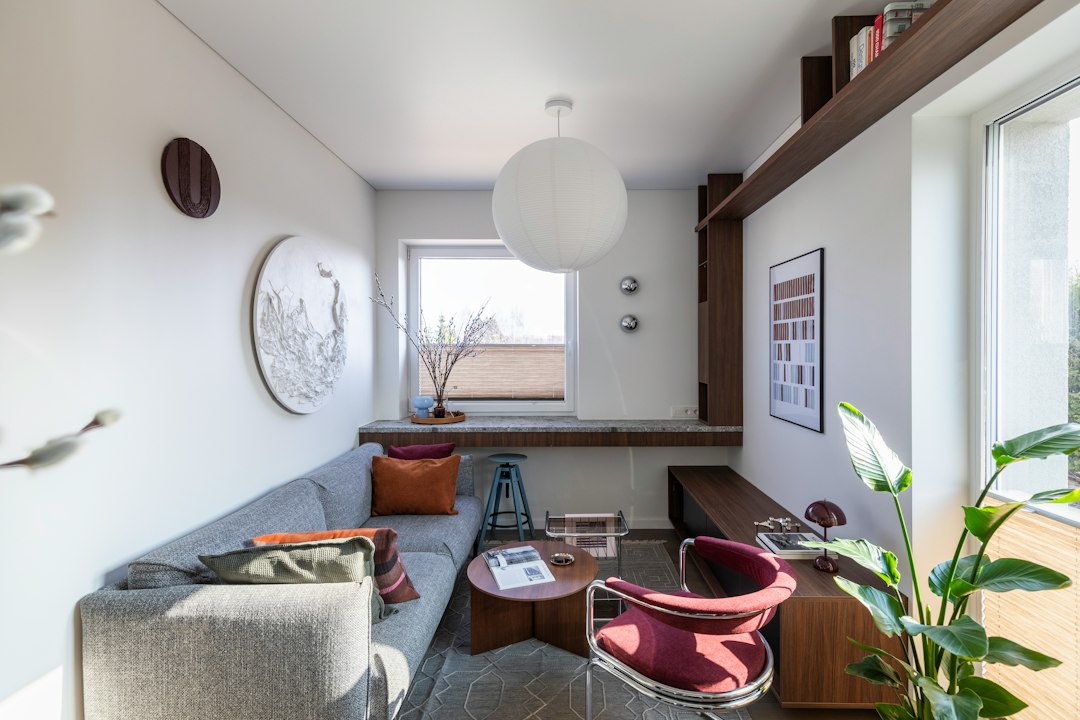
SMART SPACE FINDS · VISUAL CHECKLIST
- Map walking routes
- Keep daylight accessible
- Unify seating